

Pit bikes typically reach speeds between 30 and 60 mph, depending on engine size, modifications, and rider weight. This guide breaks down what affects their speed and how to ride safely at higher velocities.
Key Takeaways
- Engine size matters: Most pit bikes have 50cc to 150cc engines, with larger engines delivering higher top speeds.
- Stock vs. modified: Stock pit bikes average 30–45 mph, while modified versions can exceed 60 mph.
- Weight and terrain impact speed: Lighter riders and smooth surfaces allow faster acceleration and top-end speed.
- Safety first: Always wear protective gear and ride in controlled environments when testing speed.
- Maintenance is key: Regular tune-ups ensure optimal performance and prevent speed-limiting issues.
- Legal considerations: Pit bikes are not street-legal in most areas—always check local laws before riding.
- Upgrade smartly: Performance parts like exhausts, carburetors, and sprockets can boost speed but require tuning.
How Fast Do Pit Bikes Go? A Complete Guide
If you’re curious about how fast pit bikes go, you’re not alone. These compact, nimble motorcycles are popular among off-road enthusiasts, kids, and adults alike. But despite their small size, pit bikes can pack a surprising punch when it comes to speed. In this guide, we’ll explore the average speeds of pit bikes, what factors influence their performance, and how you can safely maximize their potential.
Whether you’re a beginner looking to buy your first pit bike or an experienced rider wanting to squeeze more speed out of your machine, this guide has everything you need. We’ll cover engine types, modifications, safety tips, and even legal considerations. Let’s dive in!
Understanding Pit Bike Basics

Visual guide about How Fast Do Pit Bikes Go
Image source: reallygoodebikes.com
Before we talk about speed, it’s important to understand what a pit bike is. Pit bikes are small, lightweight motorcycles originally designed for use in the pits during motocross races. Over time, they’ve evolved into fun, affordable off-road machines perfect for trails, dirt tracks, and backyard riding.
Most pit bikes feature:
– Small engines (typically 50cc to 150cc)
– Short wheelbases for agility
– Low seat heights for easy handling
– Simple suspension systems
Because of their size and design, pit bikes are not built for highway use. Instead, they shine in off-road environments where quick acceleration and maneuverability matter more than top speed.
Average Speed Ranges by Engine Size
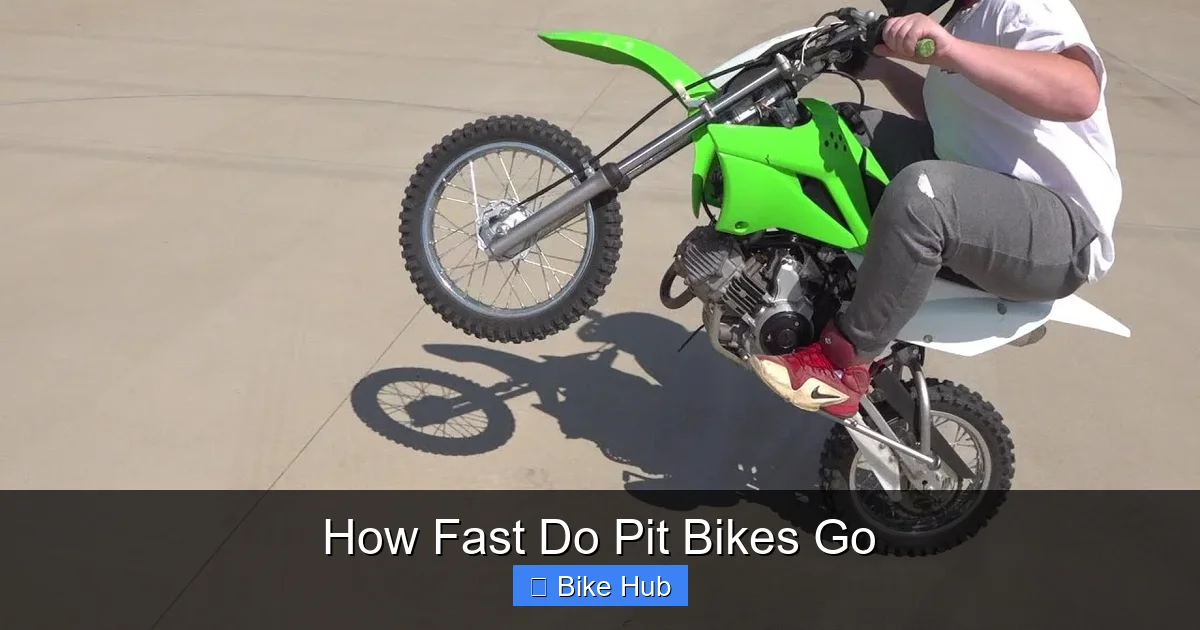
Visual guide about How Fast Do Pit Bikes Go
Image source: i.ytimg.com
The speed of a pit bike largely depends on its engine displacement. Here’s a breakdown of typical speed ranges based on engine size:
50cc Engines
These are usually entry-level models designed for kids or beginners. With a top speed of around 25–35 mph, they’re perfect for learning the basics without overwhelming new riders.
110cc Engines
The most common engine size for adult pit bikes, 110cc models typically reach speeds between 35 and 45 mph. They offer a good balance of power, control, and affordability.
125cc to 150cc Engines
These higher-performance engines can push pit bikes to 50–60 mph or more, especially when modified. They’re ideal for experienced riders who want more speed and torque.
Keep in mind that these numbers are averages. Real-world performance can vary based on several factors we’ll discuss next.
Factors That Affect Pit Bike Speed
Several variables influence how fast your pit bike can go. Understanding them will help you set realistic expectations and make informed upgrades.
Rider Weight
Heavier riders may notice reduced acceleration and top speed. Lighter riders often achieve faster speeds because the engine doesn’t have to work as hard. If you’re on the heavier side, consider upgrading to a larger engine or improving aerodynamics.
Tire Type and Condition
Tires play a big role in traction and rolling resistance. Knobby off-road tires provide great grip on dirt but can slow you down on hard-packed surfaces. For maximum speed, consider switching to smoother tires if you’re riding on pavement or hard dirt.
For more on choosing the right tires, check out our guide on how to choose tires for gravel bikes—many of the same principles apply to pit bikes.
Terrain and Surface
Pit bikes perform best on smooth, flat terrain. Bumpy trails, mud, or sand will slow you down significantly. Always ride in conditions that match your skill level and bike setup.
Air Filter and Exhaust System
A clogged air filter restricts airflow, reducing engine efficiency. Similarly, a restrictive exhaust system limits power output. Upgrading to a high-flow air filter and performance exhaust can increase speed by 5–10 mph.
Fuel Quality
Using clean, high-octane fuel ensures optimal combustion. Old or low-quality gas can cause knocking, reduced power, and even engine damage over time.
Stock vs. Modified Pit Bikes
Most pit bikes come “stock” from the factory, meaning they’re built for reliability and safety rather than raw speed. However, many riders choose to modify their bikes for better performance.
Common Modifications
– Performance exhaust: Reduces backpressure and improves airflow.
– High-flow air filter: Allows more air into the engine for better combustion.
– Upgraded carburetor: Delivers more fuel for increased power.
– Lightweight sprockets: Changes gear ratios for faster acceleration or higher top speed.
– Ported cylinder heads: Improves airflow in the combustion chamber (advanced mod).
With these upgrades, a 110cc pit bike can easily exceed 50 mph. Some heavily modified 150cc models have been clocked at over 70 mph—though such speeds come with increased risk and should only be attempted by experienced riders on private property.
Safety Tips for High-Speed Riding
Speed is fun, but it also increases the risk of injury. Always prioritize safety when pushing your pit bike to its limits.
Wear Proper Gear
At minimum, wear a DOT-approved helmet, gloves, long sleeves, pants, and over-the-ankle boots. For serious riding, consider a full motocross suit with chest protection and knee braces.
Ride in Safe Areas
Never ride on public roads—pit bikes are not street-legal in most states. Stick to private land, designated off-road parks, or closed tracks.
Check Your Bike Before Each Ride
Inspect tires, brakes, chain tension, and fluid levels. A loose chain or worn brake pads can lead to dangerous situations at high speeds.
Know Your Limits
Don’t chase speed records if you’re not confident in your riding skills. Build up gradually and always stay in control.
Maintenance for Maximum Performance
A well-maintained pit bike runs smoother, lasts longer, and goes faster. Here are essential maintenance tasks:
Regular Oil Changes
Change the oil every 10–15 hours of riding or as recommended by the manufacturer. Clean oil reduces engine wear and maintains power.
Chain Lubrication
A dry or rusty chain creates friction and slows you down. Clean and lubricate it regularly. For tips on storing lubricant properly, see our article on how to store bike lubricant.
Spark Plug Inspection
A fouled spark plug can cause misfires and loss of power. Replace it every season or if you notice rough idling.
Brake and Suspension Checks
Ensure brakes are responsive and suspension components are tight. Worn shocks can affect handling at high speeds.
Troubleshooting Common Speed Issues
If your pit bike isn’t reaching expected speeds, here are some common causes and fixes:
Slow Acceleration
– Check for clogged air filter or fuel line.
– Inspect carburetor for dirt or incorrect jetting.
– Ensure throttle cable isn’t sticking.
Top Speed Plateau
– Verify sprocket ratio—too large a rear sprocket limits top speed.
– Look for exhaust restrictions or carbon buildup.
– Confirm engine isn’t overheating (causes power loss).
Vibration at High Speeds
– Balance wheels or check for bent rims.
– Tighten all bolts, especially on handlebars and footpegs.
– Inspect engine mounts for looseness.
Legal and Practical Considerations
Before you hit the throttle, know the rules. In most U.S. states, pit bikes are classified as off-road vehicles and cannot be registered for street use. Riding on public roads, sidewalks, or bike paths is usually illegal and can result in fines or confiscation.
Always check local ordinances. Some communities allow pit bike use in designated areas, while others ban them entirely. When in doubt, stick to private property with the owner’s permission.
Also, consider noise regulations. Many modified exhausts are louder than stock systems and may violate local noise ordinances—even on private land.
Conclusion
So, how fast do pit bikes go? On average, between 30 and 60 mph—but that number can vary widely based on engine size, modifications, rider weight, and terrain. With the right setup and maintenance, even a small 110cc pit bike can deliver thrilling performance.
Remember: speed is exciting, but safety should always come first. Wear protective gear, ride responsibly, and keep your bike in top condition. Whether you’re racing friends on a dirt track or just enjoying a weekend ride, understanding your pit bike’s capabilities will help you get the most out of every adventure.
Ready to upgrade your ride? Explore our guide on how to pick the best tire sealant to keep your tires sealed and rolling smoothly—even after hitting sharp rocks or roots.



