
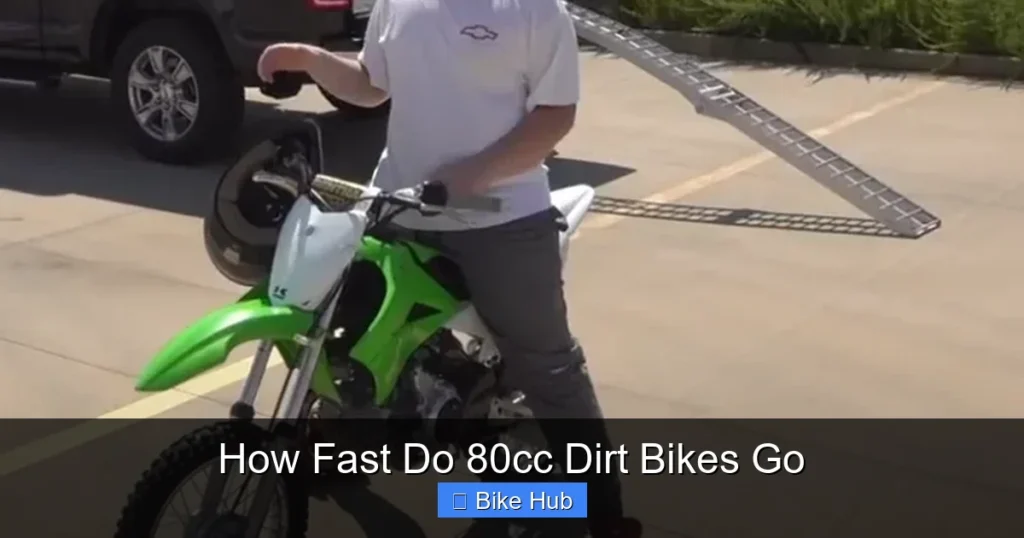
80cc dirt bikes typically reach speeds between 35 and 50 mph, depending on rider weight, terrain, and bike condition. This guide explains what influences speed, how to safely test it, and how to maintain your bike for optimal performance.
[FEATURED_IMAGE_PLACEHEROLDER]
Key Takeaways
- Top speed range: Most 80cc dirt bikes reach 35–50 mph under ideal conditions.
- Rider weight matters: Lighter riders often achieve higher speeds than heavier ones.
- Terrain affects performance: Flat, smooth trails allow faster speeds than hills or rough ground.
- Maintenance is key: A well-tuned engine and clean air filter improve speed and reliability.
- Safety first: Always wear protective gear and ride in safe, legal areas.
- Modifications can help: Upgrades like performance exhausts or sprockets may increase speed—but check local laws.
- Not for highways: These bikes are designed for off-road use only.
How Fast Do 80cc Dirt Bikes Go? A Complete Guide
If you’re new to dirt biking or shopping for a youth or beginner-friendly bike, you’ve probably asked: How fast do 80cc dirt bikes go? The short answer? Most 80cc dirt bikes hit speeds between 35 and 50 miles per hour (mph). But that number isn’t fixed—it depends on several factors we’ll explore in this guide.
In this article, you’ll learn exactly what influences an 80cc dirt bike’s top speed, how to safely test your bike’s limits, and practical tips to keep your machine running smoothly. Whether you’re a parent buying a first bike for your child or a teen eager to hit the trails, this guide will help you understand performance, safety, and maintenance.
Understanding 80cc Dirt Bike Speed Basics
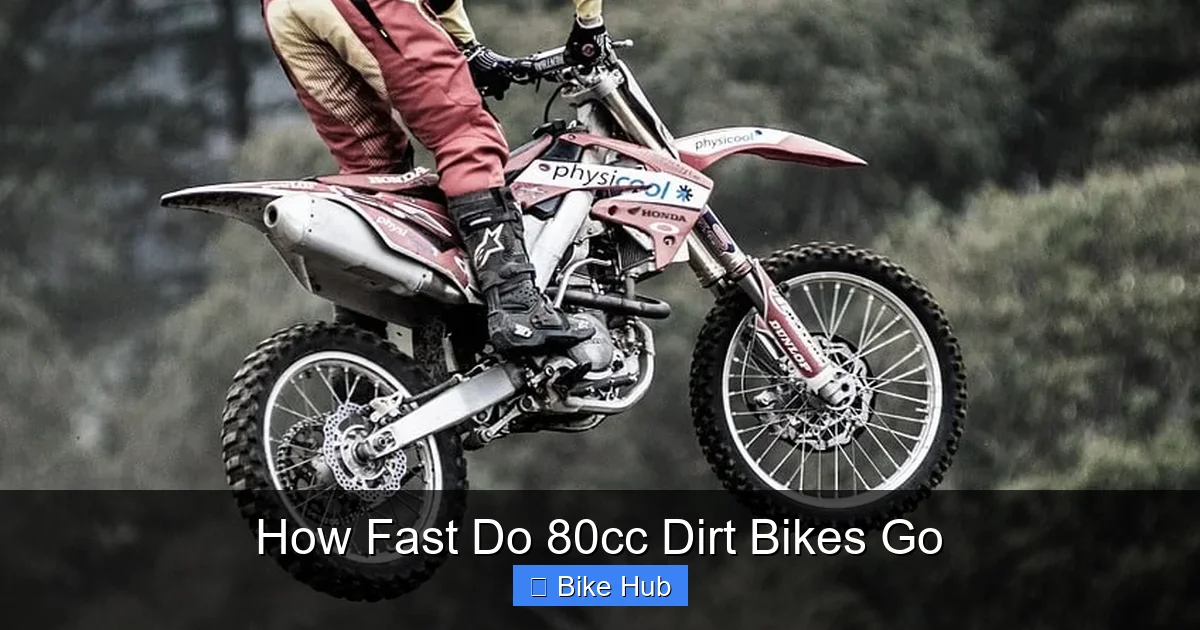
Visual guide about How Fast Do 80cc Dirt Bikes Go
Image source: dirtbikea.com
An 80cc dirt bike is a small-displacement motorcycle designed primarily for off-road use. These bikes are popular among younger riders (usually ages 10–16) and beginners because they’re lightweight, easy to handle, and affordable. But don’t let their size fool you—they can still pack a punch.
The “80cc” refers to the engine’s displacement—the volume of air and fuel the engine can draw in during one cycle. While not as powerful as larger 125cc or 250cc models, an 80cc engine provides enough power for fun trail riding, light jumping, and learning fundamental skills.
Typical Speed Range
On average, a stock 80cc dirt bike reaches:
- 35–45 mph for most standard models
- Up to 50 mph for high-performance or modified versions
These speeds are usually achieved on flat, hard-packed dirt or asphalt (where legal and safe). Keep in mind that manufacturer claims may vary, and real-world performance often falls slightly below advertised numbers.
What Affects an 80cc Dirt Bike’s Top Speed?
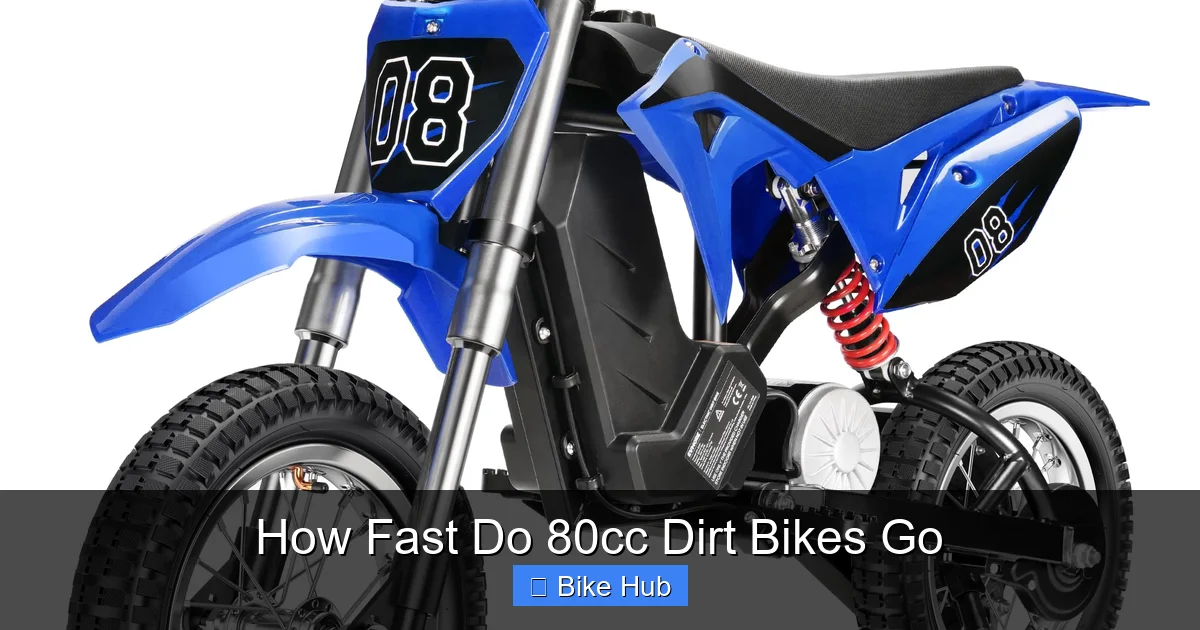
Visual guide about How Fast Do 80cc Dirt Bikes Go
Image source: m.media-amazon.com
Several variables influence how fast your 80cc dirt bike can go. Understanding these helps you set realistic expectations and make smart upgrades.
Rider Weight
One of the biggest factors is rider weight. A lighter rider (under 100 lbs) will accelerate faster and reach higher top speeds than a heavier rider (over 150 lbs). This is because the engine has less mass to move.
For example, a 90-lb teen might hit 48 mph on a flat trail, while a 140-lb rider on the same bike may top out around 40 mph.
Terrain and Surface
Smooth, level ground allows maximum speed. Loose dirt, mud, sand, or steep inclines slow you down significantly. Even small bumps or ruts can reduce speed and control.
Always test speed on safe, open trails—never on public roads or crowded areas.
Bike Condition and Maintenance
A poorly maintained bike won’t perform at its best. Key maintenance tasks include:
- Changing the oil regularly
- Cleaning or replacing the air filter
- Checking spark plug condition
- Ensuring proper chain tension and lubrication
A clogged air filter, for instance, restricts airflow and reduces engine power—slowing you down. Regular upkeep ensures your bike runs efficiently and safely.
Gear Ratio and Sprocket Size
The gear ratio—determined by front and rear sprocket sizes—affects acceleration and top speed. A larger rear sprocket gives quicker acceleration but lower top speed. A smaller rear sprocket does the opposite.
Some riders swap sprockets to fine-tune performance. For example, switching from a 50-tooth to a 48-tooth rear sprocket can add a few mph to your top speed.
Exhaust and Engine Mods
Stock 80cc bikes are tuned for reliability and emissions. But performance exhaust systems, high-flow air filters, and carburetor adjustments can boost power and speed.
⚠️ Warning: Modifications may void warranties or violate local noise and emissions laws. Always check regulations before making changes.
How to Safely Test Your 80cc Dirt Bike’s Top Speed
Curious about your bike’s real-world speed? Here’s how to test it safely and accurately.
Step 1: Choose the Right Location
Find a long, straight, flat trail with no traffic, obstacles, or pedestrians. Private property or designated off-road parks are ideal. Never test speed on public roads—it’s illegal and dangerous.
Step 2: Gear Up for Safety
Always wear full protective gear:
- Helmet (DOT-approved)
- Goggles
- Gloves
- Long sleeves and pants
- Sturdy boots
Safety should never be compromised for speed.
Step 3: Warm Up the Engine
Let the bike run for 3–5 minutes to reach operating temperature. Cold engines don’t perform at peak efficiency.
Step 4: Use a GPS Speedometer
Smartphone apps or handheld GPS devices give accurate speed readings. Avoid relying on the bike’s built-in speedometer, which may be inaccurate or missing on many 80cc models.
Ride at full throttle in a straight line for at least 100 yards. Repeat 2–3 times to get an average.
Step 5: Record and Compare
Note your top speed, rider weight, terrain, and weather conditions. This helps track performance over time and identify issues.
Tips to Maximize Speed (Without Sacrificing Safety)
Want to squeeze more speed out of your 80cc dirt bike? Try these safe, practical tips.
Keep It Light
Remove unnecessary accessories or heavy parts. Every pound counts when you’re pushing a small engine to its limit.
Upgrade Tires for Better Traction
While 80cc bikes aren’t built for racing, better tires can improve grip and stability at higher speeds. For trail riding, consider knobby tires that balance traction and rolling resistance.
Looking for guidance? Check out our guide on how to choose tires for gravel bikes—many principles apply to dirt bikes too.
Tune the Carburetor
A properly tuned carburetor ensures the right air-fuel mixture. Too rich (too much fuel) or too lean (too much air) can hurt performance. If you’re not experienced, have a mechanic help with adjustments.
Use High-Quality Fuel and Oil
Premium gasoline (with no ethanol, if possible) and 2-stroke oil (if applicable) keep the engine clean and running smoothly. Cheap fuel can cause knocking or carbon buildup.
Check Tire Pressure
Underinflated tires create drag and reduce speed. Keep tires at the manufacturer’s recommended PSI—usually printed on the sidewall.
Troubleshooting Common Speed Issues
If your 80cc dirt bike feels sluggish, here are common causes and fixes.
Bike Won’t Go Over 30 mph
- Check air filter—clean or replace if dirty
- Inspect spark plug—replace if fouled or worn
- Verify fuel quality—drain old gas and refill
- Look for exhaust blockages—carbon buildup can restrict flow
Sputtering or Loss of Power at High Speed
- Carburetor may need cleaning or adjustment
- Fuel line could be kinked or clogged
- Ignition coil might be failing
Chain Slipping or Skipping
- Adjust chain tension—should have about 1–1.5 inches of play
- Lubricate the chain regularly
- Replace worn sprockets or chain if needed
When in doubt, consult a professional mechanic. Small issues can become big problems if ignored.
Safety Reminders for Young and Beginner Riders
Speed is exciting—but safety is non-negotiable. 80cc dirt bikes are powerful enough to cause serious injury if mishandled.
Always:
- Ride in designated off-road areas
- Supervise younger riders
- Take a beginner dirt bike safety course
- Avoid riding at night or in bad weather
For new riders, we recommend starting with our guide on best beginner dirt bikes to find a safe, reliable model.
And if you’re teaching a child, consider practicing basic skills like braking, turning, and balance before pushing speed limits. Confidence and control matter more than how fast you can go.
Conclusion: Enjoy the Ride—Responsibly
So, how fast do 80cc dirt bikes go? Typically between 35 and 50 mph—fast enough for thrilling trail rides, but not so fast that they’re uncontrollable for younger riders. With proper maintenance, smart upgrades, and a focus on safety, these bikes offer years of fun and skill-building.
Remember, top speed isn’t everything. The real joy of dirt biking comes from mastering techniques, exploring nature, and building confidence. Whether you’re hitting your first jump or just cruising through the woods, ride smart, stay safe, and enjoy every mile.
For more tips on bike care and performance, explore our guide on how to store bike lubricant to keep your chain and engine in top shape.



