
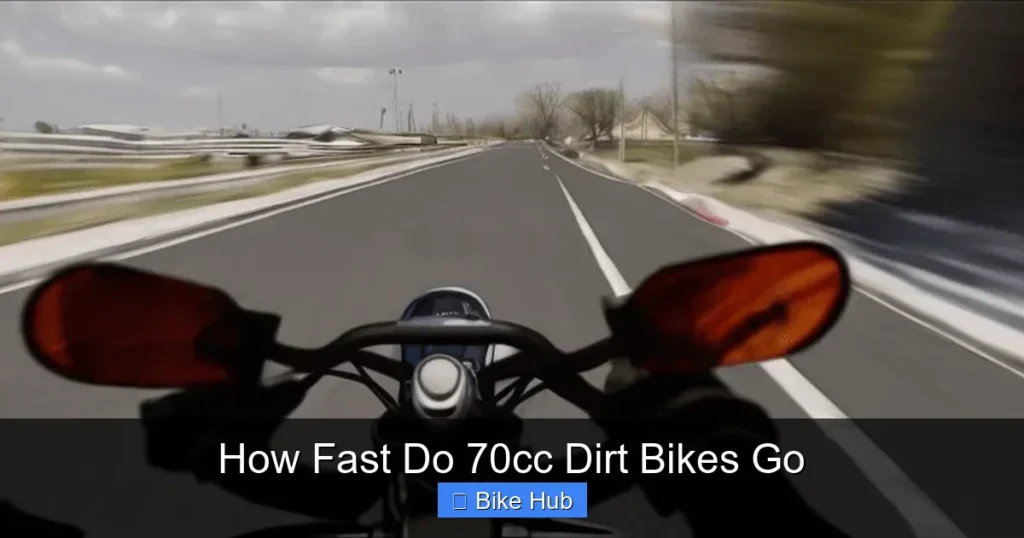
70cc dirt bikes typically reach speeds between 30 to 50 mph, depending on terrain, rider weight, and modifications. This guide explains what affects speed, how to ride safely, and ways to improve performance for a fun and controlled experience.
Key Takeaways
- Top speed range: Most 70cc dirt bikes go 30–50 mph, with stock models averaging 35–40 mph.
- Rider weight matters: Lighter riders may achieve higher speeds, while heavier riders may see reduced performance.
- Terrain impacts speed: Flat, smooth trails allow faster speeds; hills and rough ground slow you down.
- Modifications can boost speed: Upgrading air filters, exhausts, or sprockets may increase performance.
- Safety first: Always wear protective gear and ride in safe, designated areas.
- Maintenance is key: Regular tune-ups keep your bike running at peak speed and efficiency.
- Age and skill level count: These bikes are ideal for kids and beginners—don’t push beyond your limits.
How Fast Do 70cc Dirt Bikes Go? A Complete Guide
If you’re curious about how fast a 70cc dirt bike can go, you’re in the right place. These small but mighty machines are popular among kids, teens, and beginners learning the ropes of off-road riding. While they’re not built for high-speed racing, 70cc dirt bikes offer a fun and manageable way to explore trails, dirt tracks, and backyard paths.
In this guide, you’ll learn exactly how fast these bikes can go, what factors affect their speed, and how to ride safely while getting the most out of your machine. We’ll also cover maintenance tips and simple upgrades that can help improve performance—without turning your beginner bike into a speed demon.
Understanding 70cc Dirt Bike Speed
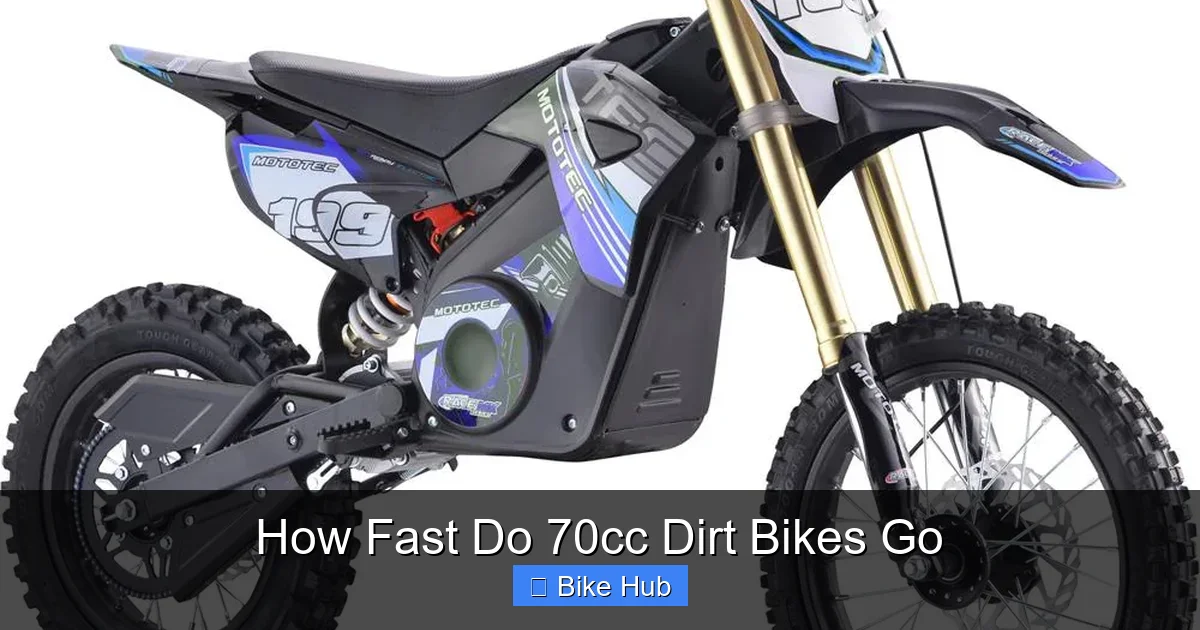
Visual guide about How Fast Do 70cc Dirt Bikes Go
Image source: dirtmotobikes.com
The average 70cc dirt bike reaches a top speed of 30 to 50 miles per hour (mph). Most stock models—those without modifications—tend to max out around 35 to 40 mph. That might not sound fast compared to full-sized motorcycles, but for a lightweight, single-cylinder engine designed for young riders, it’s plenty quick.
For example, popular models like the Honda CRF70F or Yamaha TT-R70 can hit about 38 mph on flat ground with a light rider. Heavier riders or rough terrain might drop that number closer to 30 mph. Still, that’s fast enough to feel the thrill of speed while staying within safe limits for beginners.
Why Speed Varies Between Bikes
Not all 70cc dirt bikes are created equal. Several factors influence how fast your bike can go:
- Engine tuning: Factory settings affect power output. Some bikes come tuned for reliability over speed.
- Transmission type: Automatic, semi-automatic, and manual clutch systems change how power is delivered.
- Tire type and pressure: Knobby tires for off-road use create more rolling resistance than street tires, which can slightly reduce speed.
- Bike weight: Lighter bikes accelerate faster and reach higher speeds with the same engine power.
Factors That Affect How Fast a 70cc Dirt Bike Goes
Visual guide about How Fast Do 70cc Dirt Bikes Go
Image source: automadesimply.com
While engine size gives you a rough idea of performance, real-world speed depends on more than just cubic centimeters. Let’s break down the key factors that determine how fast your 70cc dirt bike will go.
1. Rider Weight and Size
One of the biggest influences on speed is the rider’s weight. A 70cc engine has limited power, so every pound counts. A lighter rider—say, a 60-pound child—will accelerate faster and reach a higher top speed than a 120-pound adult.
For instance, a 70cc bike might hit 40 mph with a small rider but only 32 mph with a heavier one. This is why these bikes are best suited for younger or lighter riders. If you’re buying for a growing teen, consider a slightly larger engine like an 88cc or 110cc model.
2. Terrain and Surface Conditions
Flat, smooth dirt tracks let you go faster. Loose gravel, mud, sand, or steep hills slow you down significantly. Even small inclines require more engine power, reducing your top speed.
Riding uphill? Expect speeds to drop by 10–15 mph. Downhill, you might briefly exceed your normal top speed—but always use caution and control your speed with the brakes.
3. Bike Modifications and Upgrades
Stock 70cc dirt bikes are built for safety and durability, not speed. But if you’re looking to squeeze out a few extra mph, there are legal and safe modifications you can make:
- Performance air filter: Improves airflow to the engine, boosting power slightly.
- Aftermarket exhaust: Reduces backpressure and can increase speed by 2–5 mph.
- Sprocket changes: Swapping the rear sprocket for a smaller one increases top speed (but reduces acceleration).
- Jet kit: Adjusts the carburetor for better fuel-air mix, especially useful at high altitudes.
⚠️ Warning: Always consult a mechanic before making modifications. Over-tuning a small engine can cause overheating or damage.
4. Maintenance and Tune-Ups
A well-maintained bike runs faster and smoother. Neglecting basic upkeep can drop your speed by 10% or more. Here’s what to check regularly:
- Air filter: Clean or replace every few rides to ensure proper airflow.
- Spark plug: Replace annually or if the engine runs rough.
- Chain tension: A loose chain reduces power transfer; keep it tight and lubricated.
- Tire pressure: Underinflated tires increase rolling resistance. Check pressure before every ride.
- Oil level: Use the correct 2-stroke or 4-stroke oil and change it as recommended.
Regular maintenance not only improves speed but also extends the life of your bike.
How to Ride a 70cc Dirt Bike for Maximum Speed (Safely)
Getting the most speed out of your 70cc dirt bike isn’t just about pushing the throttle. It’s about smart riding techniques and safety awareness.
Step 1: Warm Up the Engine
Start your bike and let it idle for 2–3 minutes. Cold engines don’t perform well and can stall under load. A warm engine delivers smoother power and better acceleration.
Step 2: Use Proper Body Positioning
Lean forward slightly when accelerating to keep weight over the front wheel. This improves traction and prevents wheelies. On straightaways, stay low and centered to reduce wind resistance.
Step 3: Shift Gears Smoothly (If Applicable)
If your 70cc bike has a manual or semi-automatic transmission, shift up at the right RPM to maintain momentum. Avoid “lugging” the engine in too high a gear, which slows you down.
Step 4: Choose the Right Line
On trails, pick the smoothest, flattest path. Avoid ruts, rocks, and deep mud. A clear line lets you maintain speed without braking or swerving.
Step 5: Brake Smart
Use both front and rear brakes evenly. Slamming on the front brake can cause a flip. Practice controlled braking so you can slow down quickly when needed—without losing speed unnecessarily.
Safety Tips for Riding at Higher Speeds
Even at 40 mph, a 70cc dirt bike can be dangerous if not handled properly. Follow these safety rules to protect yourself and others.
Always Wear Protective Gear
- Helmet: DOT-approved full-face helmet is a must.
- Goggles: Protect eyes from dust, bugs, and debris.
- Gloves: Improve grip and protect hands in a fall.
- Boots: Sturdy, ankle-supporting boots prevent injuries.
- Chest protector and knee pads: Recommended for off-road riding.
Ride in Safe Areas
Never ride on public roads. Stick to private property, designated trails, or motocross parks. Avoid busy areas where pedestrians or vehicles might be present.
Supervise Young Riders
Kids should always ride under adult supervision. Teach them basic controls, braking, and how to fall safely. Start in open, flat areas before moving to technical terrain.
Know Your Limits
Don’t try to keep up with faster bikes or riders. A 70cc bike is not built for racing. Focus on control, balance, and fun—not speed records.
Troubleshooting Common Speed Issues
If your 70cc dirt bike feels slow or isn’t reaching expected speeds, here are common fixes:
Bike Won’t Go Faster Than 25 mph
- Check the air filter—clogged filters restrict airflow.
- Inspect the spark plug—fouled plugs cause weak combustion.
- Verify tire pressure—low pressure increases drag.
- Look for brake drag—stuck calipers can slow you down.
Engine Sputters at High RPM
This could mean a lean fuel mixture. Try cleaning the carburetor or adjusting the jetting. If you’ve recently modified the exhaust or air filter, the carb may need re-tuning.
Loss of Power on Hills
Heavier riders or poorly tuned engines struggle on inclines. Reduce load, check gearing, or consider a performance upgrade if needed.
Should You Upgrade to a Faster Bike?
If you or your child outgrow the 70cc’s speed and handling, it might be time to upgrade. Look for beginner-friendly models like the Best Dirt Bikes for Beginners or the Best Beginner Dirt Bikes for safer, more capable options.
For younger riders, the Best Dirt Jump Bikes for Kids offer great balance and control for learning tricks and jumps.
Conclusion
So, how fast do 70cc dirt bikes go? Most reach 30 to 50 mph, with 35–40 mph being typical for stock models. While they’re not speed demons, these bikes offer just the right amount of power for learning, exploring, and having fun off-road.
Speed depends on rider weight, terrain, maintenance, and modifications—but safety should always come first. With proper gear, smart riding, and regular upkeep, a 70cc dirt bike can deliver years of reliable, exciting rides.
Whether you’re a parent buying your child’s first bike or a teen ready to hit the trails, understanding your bike’s capabilities helps you ride smarter and safer. Enjoy the ride—and remember, it’s not just about how fast you go, but how much fun you have along the way.



