

Have you ever wondered how fast a velomobile can go? If you’re curious about these sleek, pedal-powered machines, you’re in the right place.
Velomobiles look like futuristic bikes, but they hold surprising speed and efficiency. Whether you’re thinking about trying one or just love fast rides, understanding their speed will blow your mind. Keep reading, and you’ll discover just how quickly a velomobile can zip along—and why it might be faster than you expect.

Credit: www.youtube.com
Velomobile Basics
A velomobile is a human-powered vehicle shaped like a small car. It has a shell that covers the rider to help move faster.
Many people use velomobiles for exercise, fun, or short trips. They can reach higher speeds than normal bikes.
What Is A Velomobile
A velomobile looks like a bike with a full body cover. It has three or four wheels for stability.
The shell protects riders from wind, rain, and cold. It also helps to reduce air drag while riding.
Key Components Affecting Speed
Speed depends on many parts of a velomobile. The design and parts can make it faster or slower.
- Aerodynamics:A smooth shell cuts air resistance and helps go faster.
- Weight:Lighter velomobiles need less effort to pedal fast.
- Wheels:Bigger and thinner wheels roll easier and increase speed.
- Gearing:Good gears let riders keep a fast pace on different roads.
- Rider Position:Reclined seats reduce wind drag and improve speed.
Top Speeds Achieved
Velomobiles are special bikes with shells that help them go faster. Their design cuts wind resistance. This lets riders reach higher speeds than normal bikes.
Many people wonder how fast these vehicles can go. The speed depends on the model, rider skill, and road conditions. Let’s look at common speeds and record runs.
Typical Velomobile Speeds
Most velomobiles cruise between 25 and 40 miles per hour on flat roads. The shell shape helps keep speed steady. Riders can maintain these speeds for long rides.
On hills, speeds vary more. Going uphill slows them down, but going downhill can push speeds up to 50 mph or more. Average riders enjoy fast and efficient rides.
- Flat terrain: 25–40 mph (40–64 km/h)
- Uphill: 10–20 mph (16–32 km/h)
- Downhill: 40–50+ mph (64–80+ km/h)
Record-breaking Velomobile Runs
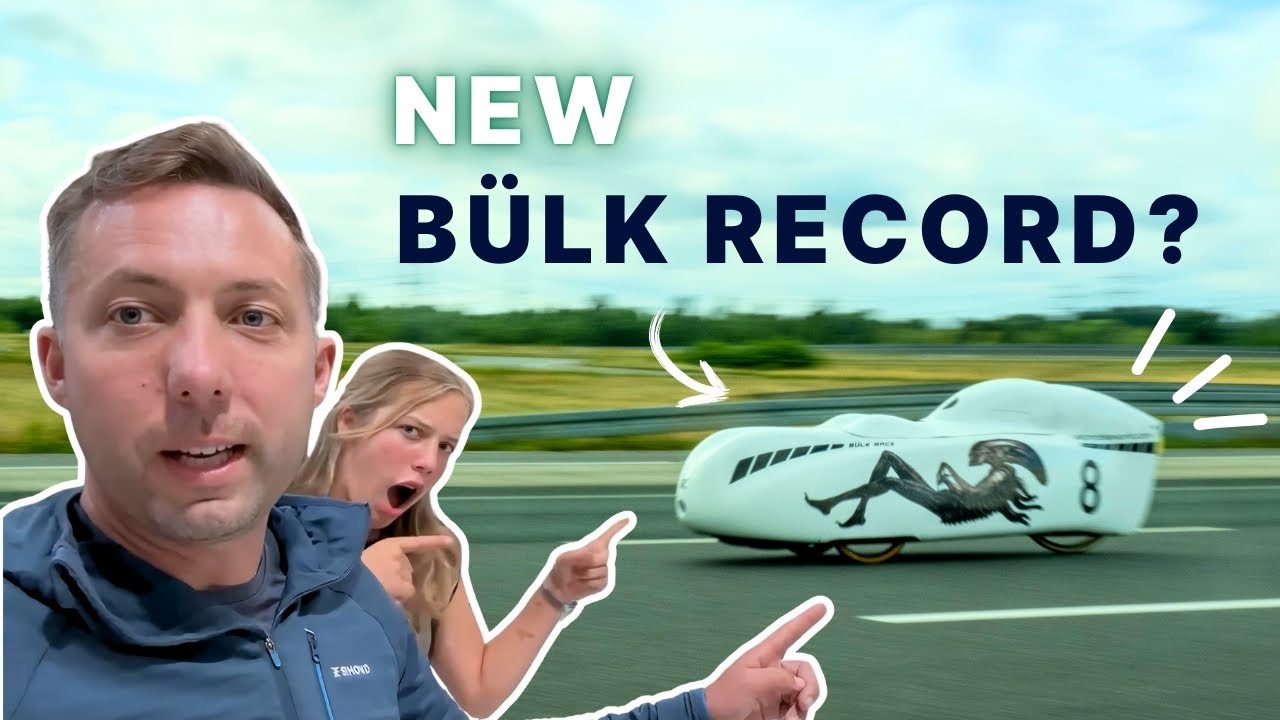
Some velomobiles have reached speeds over 80 mph in special conditions. These runs happen on closed tracks or downhill courses. Skilled riders and advanced designs help break records.
The current top speeds show what these vehicles can do. They prove how fast human power can go with good engineering and effort.
- World Human Powered Speed Challenge records often exceed 80 mph (129 km/h)
- Downhill speed runs have hit up to 90 mph (145 km/h)
- Streamlined velomobiles reach these speeds with aerodynamic shells
Factors Influencing Speed
The speed of a velomobile depends on many factors. These include its shape, the rider’s strength, and outside conditions. Understanding these helps explain how fast a velomobile can go.
Each factor affects the overall performance and efficiency. Let’s look at the main elements that influence speed in detail.
Aerodynamics And Design
Velomobiles have a special shape to reduce air resistance. A smooth, streamlined design helps them cut through the air more easily. This design directly impacts how fast they can travel.
- Low frontal area to minimize drag
- Enclosed wheels to reduce turbulence
- Lightweight materials to improve speed
- Proper ventilation to keep the rider cool
Rider Power And Endurance
The rider’s strength and stamina affect speed a lot. A stronger rider can push harder and keep a high speed for longer. Endurance helps maintain speed over long distances.
| Rider Factor | Effect on Speed |
| Leg Strength | More power for faster pedaling |
| Cardio Fitness | Ability to sustain speed longer |
| Experience | Better technique and pacing |
Terrain And Weather Conditions
The ground and weather play a big role in speed. Smooth roads let velomobiles move faster. Wind, rain, and hills can slow them down or speed them up.
- Flat terrain supports higher speeds
- Hills require more effort and reduce speed
- Tailwinds increase velocity
- Headwinds slow down progress
- Wet or rough surfaces lower traction and speed
Comparing Velomobiles To Other Vehicles
Velomobiles are human-powered vehicles with aerodynamic shells. They offer faster speeds than many other forms of cycling. This article compares velomobiles to traditional bicycles, electric bikes, and motorcycles.
We will look at their speed and how each vehicle performs in different conditions. This helps you understand where velomobiles fit in the range of personal transport options.
Vs. Traditional Bicycles
Velomobiles are usually faster than traditional bicycles. Their enclosed design reduces wind resistance. This means riders can keep higher speeds with less effort.
- Velomobiles can reach speeds of 30 to 50 mph on flat roads.
- Traditional bicycles typically reach 15 to 25 mph for most riders.
- Velomobiles protect riders from weather and debris.
- Traditional bicycles are lighter and easier to handle in traffic.
Vs. Electric Bikes
Electric bikes have motors that assist pedaling. This gives a boost in speed and reduces effort. Velomobiles rely only on human power but are very aerodynamic.
| Vehicle Type | Top Speed (mph) | Power Source |
| Velomobile | 30-50 | Human only |
| Electric Bike | 20-28 | Human + Electric |
Velomobiles can go faster for long distances without needing a battery. Electric bikes are easier for short trips and hills.
Vs. Motorcycles
Motorcycles are much faster than velomobiles. They have powerful engines that reach high speeds quickly. Velomobiles are slower but use no fuel and are quieter.
- Motorcycle speeds often exceed 60 mph easily.
- Velomobiles focus on efficiency and low energy use.
- Motorcycles require licenses and insurance.
- Velomobiles are simpler and can be used in bike lanes.
Safety And Speed Limits
Velomobiles are fast and fun vehicles that can reach high speeds. Knowing the rules and how to stay safe is important for every rider.
This guide covers legal restrictions and safety gear to help you enjoy riding your velomobile safely.
Legal Restrictions
Many countries have speed limits for velomobiles, especially on public roads. These limits protect riders and others sharing the road.
| Country | Maximum Speed Limit | Notes |
| USA | 20 mph (32 km/h) | Varies by state and road type |
| Germany | 25 km/h (15.5 mph) | Special bike lanes have limits |
| Netherlands | 30 km/h (18.6 mph) | Urban areas only |
| UK | 15 mph (24 km/h) | Depends on local laws |
Check local laws before riding your velomobile in new areas. Some places require special licenses or registrations.
Safety Gear Recommendations
Wearing the right safety gear lowers the risk of injury in case of an accident. Velomobile riders should consider these items:
- Helmet with good ventilation and fit
- Bright or reflective clothing for visibility
- Gloves for hand protection and grip
- Lights and reflectors on the velomobile
- Knee and elbow pads for added safety
Credit: www.youtube.com
Improving Velomobile Speed
Velomobiles are fast and efficient, but you can make them faster. Small changes help increase your speed on the road. Both the parts you use and your riding skills matter.
This guide shows ways to upgrade your velomobile and improve your riding to go faster and smoother.
Upgrading Components
Upgrading parts of your velomobile can reduce drag and improve power transfer. Focus on wheels, tires, and the drive system for better speed.
- Use lightweight and aerodynamic wheels for less air resistance.
- Choose thin, high-pressure tires to reduce rolling resistance.
- Upgrade to a smooth and efficient chain or belt drive system.
- Install better bearings to make pedaling easier.
- Improve the frame with lighter and stronger materials.
Training Tips For Riders
Training your body also helps increase speed. Focus on endurance, strength, and technique to ride faster with less effort.
| Training Type | Benefit | Example Exercise |
| Endurance | Ride longer without getting tired | Long steady rides at moderate pace |
| Strength | Pedal harder and climb hills easier | Hill repeats or resistance training |
| Technique | Use energy more efficiently | Practice smooth pedal strokes and cornering |

Credit: newatlas.com
Frequently Asked Questions
How Fast Can A Velomobile Typically Go?
Velomobiles usually reach speeds between 25 to 40 mph (40 to 65 km/h). Their aerodynamic design helps achieve higher speeds than regular bicycles.
What Factors Affect A Velomobile’s Speed?
Speed depends on rider power, aerodynamics, terrain, and weather. Lightweight materials and smooth roads also enhance velomobile performance.
Can Velomobiles Compete With Electric Bikes In Speed?
Non-electric velomobiles can match or exceed many electric bikes. Their efficiency and low drag allow faster speeds on flat terrain.
Are Velomobiles Suitable For Long-distance Fast Travel?
Yes, velomobiles provide comfort and speed, making them ideal for long rides. Their enclosed design protects from wind and weather.
Conclusion
Velomobiles can reach impressive speeds on smooth roads. Their design helps reduce wind resistance and saves energy. Speed varies by rider strength, terrain, and weather conditions. Some models can go as fast as small cars in city traffic. They offer a fun and efficient way to travel.
Quiet and eco-friendly too. This makes velomobiles a great option for many riders. Think of them as a fast, sporty bike with a shell. Exploring the limits of speed depends on your skill and the machine. A mix of power and aerodynamics drives their pace.



