
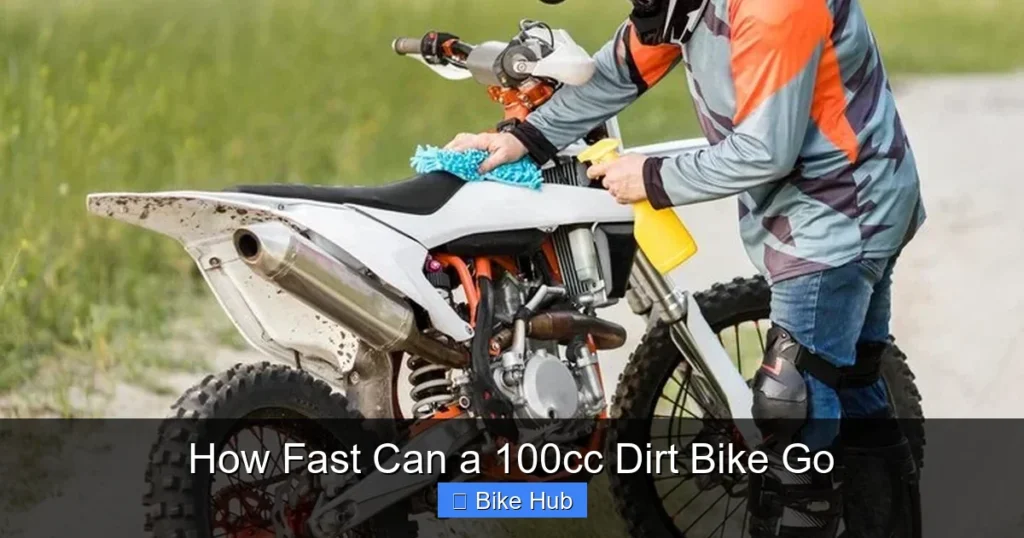
A 100cc dirt bike typically reaches speeds between 45 to 65 mph, depending on terrain, rider weight, and bike setup. This guide explains what influences top speed and how to ride safely at higher velocities.
Key Takeaways
- Top speed range: Most 100cc dirt bikes reach 45–65 mph under ideal conditions.
- Engine type matters: 2-stroke models are lighter and faster than 4-stroke engines.
- Terrain impacts performance: Hardpack dirt allows higher speeds than mud or sand.
- Rider weight affects acceleration: Lighter riders often achieve higher speeds more easily.
- Proper maintenance boosts speed: Clean air filters, fresh oil, and tuned carburetors improve performance.
- Safety first: Always wear protective gear and ride within your skill level.
- Modifications can help: Exhaust upgrades and sprocket changes may increase speed—but check local laws.
How Fast Can a 100cc Dirt Bike Go? A Complete Guide
If you’re new to off-road riding or considering buying your first 100cc dirt bike, one of the most common questions is: *How fast can it really go?* The answer isn’t just a single number—it depends on several factors, including engine type, terrain, rider weight, and bike condition. In this guide, we’ll break down everything you need to know about the top speed of a 100cc dirt bike, how to safely reach it, and what you can do to optimize performance.
Whether you’re a beginner looking to explore local trails or a parent shopping for a youth rider, understanding speed capabilities helps you choose the right bike and ride responsibly. Let’s dive in.
Understanding 100cc Dirt Bike Basics

Visual guide about How Fast Can a 100cc Dirt Bike Go
Image source: bikeloyal.com
Before discussing speed, it’s important to understand what “100cc” means. The “cc” stands for cubic centimeters—a measure of engine displacement. A 100cc engine is relatively small, making these bikes ideal for younger riders or those new to motocross and trail riding.
Most 100cc dirt bikes are designed for lightweight agility rather than raw power. They’re typically used in youth racing, trail exploration, or as entry-level machines for teens and adults. Despite their modest size, these bikes can still deliver impressive performance when properly maintained.
Types of 100cc Engines
There are two main engine types in 100cc dirt bikes: 2-stroke and 4-stroke.
– 2-stroke engines are lighter, simpler, and produce more power per pound. They rev higher and accelerate faster, often reaching the top end of the speed range (around 60–65 mph).
– 4-stroke engines are heavier but offer smoother power delivery and better low-end torque. They’re generally more fuel-efficient and easier to control, with top speeds closer to 45–55 mph.
Your choice between the two will significantly affect how fast your bike can go.
Typical Speed Range for 100cc Dirt Bikes

Visual guide about How Fast Can a 100cc Dirt Bike Go
Image source: bikeloyal.com
So, what’s the real-world speed you can expect?
On average, a well-maintained 100cc dirt bike reaches speeds between 45 and 65 mph. Here’s how that breaks down:
– Stock 4-stroke models: 45–55 mph
– Stock 2-stroke models: 55–65 mph
– Modified or tuned bikes: Up to 70 mph (in rare cases)
These numbers assume flat, hardpacked terrain, a skilled rider, and optimal weather conditions. On loose gravel, mud, or steep inclines, speeds drop significantly.
Real-World Examples
For example, the popular Honda CRF100F (a 4-stroke) tops out around 50–55 mph. Meanwhile, the Kawasaki KX100 (a 2-stroke) can hit 60+ mph with ease. These differences highlight why engine type plays such a big role.
Factors That Affect Top Speed
Several variables influence how fast your 100cc dirt bike can go. Understanding them helps you set realistic expectations and improve performance.
1. Terrain and Surface
The ground you ride on makes a huge difference. Hardpack dirt offers the least resistance, allowing maximum speed. Sand, mud, or rocky trails slow you down due to tire slippage and increased rolling resistance.
Tip: If you’re testing top speed, find a long, flat stretch of packed dirt or a closed track.
2. Rider Weight
Heavier riders put more load on the engine, reducing acceleration and top speed. A 100-pound rider will likely go faster than a 180-pound rider on the same bike.
This is why many youth bikes are designed for riders under 120 pounds. If you’re an adult, consider a larger displacement bike if speed is a priority.
3. Bike Maintenance
A poorly maintained bike won’t perform at its best. Key areas to check:
– Air filter: A clogged filter restricts airflow, reducing power.
– Spark plug: A worn plug causes misfires and poor combustion.
– Chain and sprockets: A loose or rusty chain reduces efficiency.
– Carburetor tuning: Improper fuel mixture affects throttle response.
Regular maintenance ensures your bike runs smoothly and reaches its full potential. For detailed guidance, check out our guide on how to maintain a road bike—many principles apply to dirt bikes too.
4. Tire Type and Pressure
Tires designed for hardpack dirt (like those in our best bike tires for hardpack dirt guide) provide better grip and less rolling resistance. Proper tire pressure also matters—too low increases drag, too high reduces traction.
5. Altitude and Weather
Higher altitudes have thinner air, which reduces engine power. Cold weather can thicken oil and slow engine response. Always adjust your riding expectations based on conditions.
How to Safely Reach Top Speed
Pushing your bike to its limits can be thrilling—but safety should always come first.
Step 1: Choose the Right Location
Never test top speed on public roads or busy trails. Use a closed course, private property (with permission), or a designated motocross track.
Step 2: Wear Proper Gear
At speeds over 50 mph, even a small fall can cause serious injury. Always wear:
– DOT-approved helmet
– Goggles
– Gloves
– Chest protector
– Boots with ankle support
For tips on helmet safety, see our article on how to properly fit a bike helmet.
Step 3: Warm Up the Engine
Let your bike idle for 2–3 minutes before riding. Cold engines don’t perform well and are more prone to damage.
Step 4: Use Full Throttle Gradually
Don’t slam the throttle from a stop. Build up speed gradually to avoid wheelies or loss of control. Once you’re moving, roll on the throttle smoothly to reach top speed.
Step 5: Brake Early and Safely
Know your stopping distance. At 60 mph, it can take over 100 feet to stop safely. Practice emergency braking in a safe area before pushing speed limits.
Can You Make a 100cc Dirt Bike Faster?
Yes—within limits. While you can’t turn a 100cc into a 250cc, there are legal and safe ways to boost performance.
Performance Upgrades
– Aftermarket exhaust: Reduces backpressure and improves airflow.
– High-flow air filter: Allows more air into the engine.
– Rejetting the carburetor: Matches fuel delivery to new airflow.
– Sprocket changes: A smaller rear sprocket increases top speed (but reduces acceleration).
⚠️ Warning: Modifications may void warranties or violate local noise/emissions laws. Always check regulations before upgrading.
Tuning and Break-In
New bikes need proper break-in. Follow the manufacturer’s guidelines—usually 5–10 hours of gentle riding—to ensure longevity. For tips, read our guide on how to break in a new road bike.
Troubleshooting Common Speed Issues
If your 100cc dirt bike isn’t reaching expected speeds, here’s how to diagnose the problem.
Bike Won’t Go Past 40 mph
Possible causes:
– Clogged air filter
– Old or incorrect spark plug
– Fuel contamination
– Restricted exhaust
Solution: Clean or replace the air filter, check the spark plug, and inspect the fuel system.
Poor Acceleration
This often points to carburetor issues. Try cleaning the jets or adjusting the idle mixture screw.
Engine Overheating
Overheating reduces power and can damage the engine. Check coolant levels (if liquid-cooled), ensure proper airflow, and avoid prolonged high-RPM riding in hot weather.
Conclusion
So, how fast can a 100cc dirt bike go? The short answer: between 45 and 65 mph, depending on the bike, rider, and conditions. While not built for highway speeds, these nimble machines offer plenty of fun for trail riding, racing, and skill development.
Remember, speed isn’t everything. Focus on control, safety, and enjoyment. With proper maintenance, smart upgrades, and responsible riding, your 100cc dirt bike can deliver thrilling performance for years to come.
Whether you’re teaching a kid to ride or rediscovering your passion for off-road adventure, understanding your bike’s capabilities helps you get the most out of every ride.



