
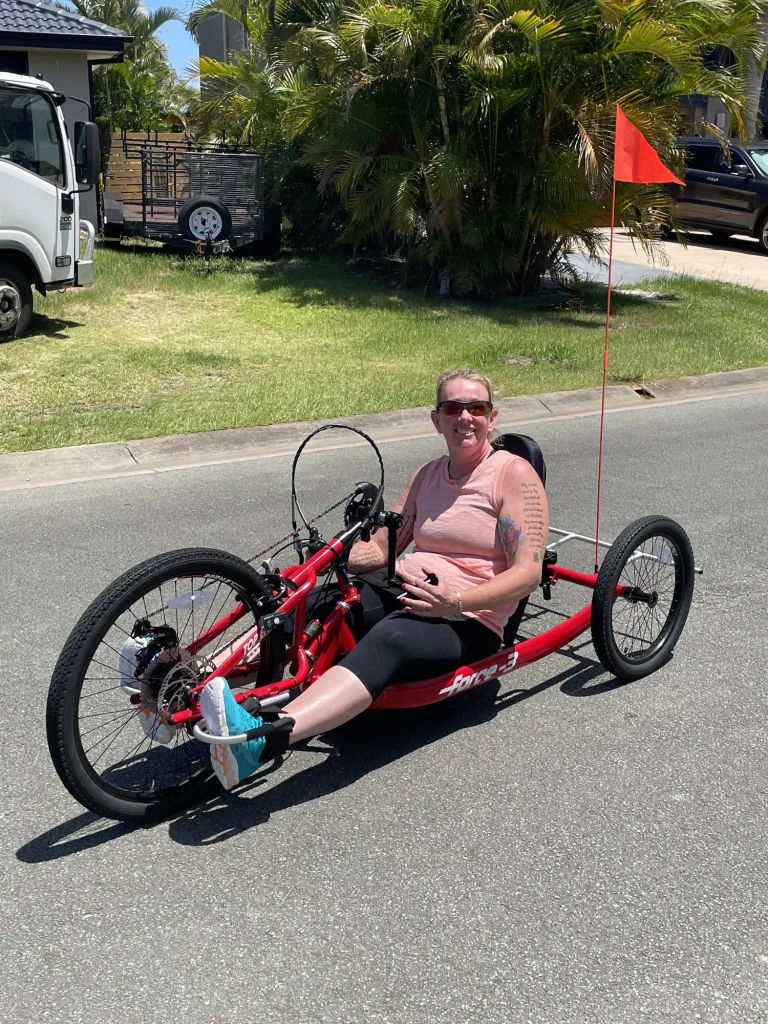
Have you ever wondered how handcycles work and what makes them so unique? If you’re curious about how these amazing machines can give you freedom, speed, and exercise using just your hands, you’re in the right place.
Understanding how handcycles function will not only spark your interest but also show you how they can fit into your lifestyle or help someone you know. Keep reading, and discover the simple yet clever mechanics behind handcycles that might just change the way you think about cycling forever.
Basic Structure Of Handcycles
Handcycles are special bikes powered by the rider’s arms. They help people with limited leg use move around.
The main parts of a handcycle include the frame, wheels, and seat. Each part works together for smooth riding.
Frame Design And Materials
The frame holds all parts of the handcycle together. It must be strong but light for easy control.
Frames are often made from aluminum or steel. Aluminum is light, while steel is very strong.
- Aluminum frames reduce weight for faster rides
- Steel frames offer durability and support
- Some frames use carbon fiber for extra lightness
Wheel Configuration
Handcycles usually have three wheels. Two wheels are in the back for stability, and one is in front for steering.
Wheel size affects speed and handling. Larger wheels roll easily over bumps, while smaller wheels make turning quicker.
- Three-wheel setup provides balance and control
- Front wheel steers the handcycle
- Rear wheels support weight and provide traction
Seating And Ergonomics
Seats on handcycles are low and reclined. This position helps riders use their arms with less effort.
Good ergonomics reduce strain and increase comfort during rides. Adjustable seats fit different body sizes.
- Reclined seats improve arm power and comfort
- Adjustable seats fit many riders
- Seat belts or straps keep the rider secure
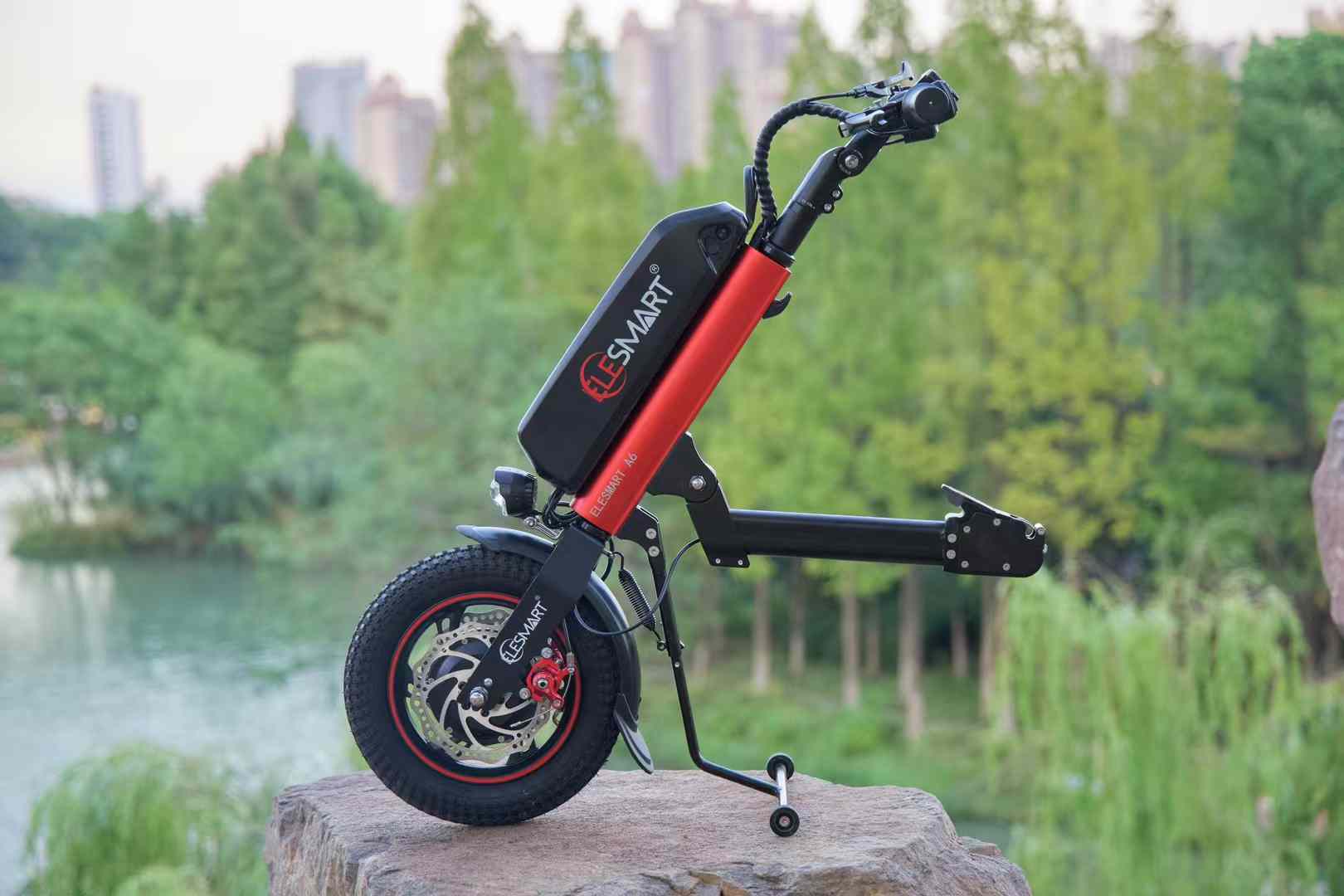
Credit: elesmart.com
Propulsion Mechanism
Handcycles use a special system to move forward. The rider uses their hands to create power. This power moves the bike’s wheels.
The propulsion system has three main parts. These are the hand crank system, gear and chain setup, and power transfer to wheels.
Hand Crank System
The hand crank system is where the rider applies force. The rider turns handles that are connected to cranks. This action spins the cranks in a circle.
The circular motion created by the hand crank system starts the bike’s movement. The rider controls the speed by how fast they turn the cranks.
Gear And Chain Setup
The hand crank system links to a gear and chain setup. This setup helps change the speed and power. It makes pedaling easier or harder.
- The gear controls how much force is needed.
- The chain connects the gears to the wheels.
- Riders can shift gears to match the terrain.
- This setup improves riding efficiency.
Power Transfer To Wheels
Power from the hand crank and gears moves to the wheels. The chain turns the wheel gear, making the wheels spin.
| Component | Function |
| Hand Crank | Converts hand force to rotational motion |
| Gear | Adjusts force and speed |
| Chain | Transfers motion from gears to wheels |
| Wheel Gear | Drives the wheel to move the bike |
Steering And Control
Handcycles let riders move using their arms instead of legs. Steering and control are important for safe riding.
Understanding how to steer and control a handcycle helps riders feel confident and enjoy their rides.
Handlebar Steering
Handlebars help riders steer the handcycle by turning the front wheel. Riders use their hands to guide direction.
Handlebars are easy to grip and move. They give precise control over turns and straight paths.
Brake Systems
Brakes stop or slow down the handcycle. They are usually found near the handlebars for quick access.
Brake types include hand brakes and disc brakes. Both provide safe stopping power for different riding conditions.
- Hand brakes use levers to control brake pads
- Disc brakes offer strong stopping power
- Brakes must be easy to reach and use
Adjustable Features
Many handcycles have parts that adjust to fit the rider’s size and comfort. Adjustments improve control and safety.
Adjustable features include seat height, handlebar position, and pedal placement. These help riders find the best riding posture.
- Seat height changes to match leg length
- Handlebars move closer or farther away
- Pedals adjust for arm reach and comfort

Credit: www.youtube.com
Types Of Handcycles
Handcycles are special bikes powered by hand pedals. They help people with lower-body disabilities move easily.
There are different types of handcycles. Each type fits different needs and activities.
Recreational Models
Recreational handcycles are made for casual riding. They are comfortable and easy to use.
These models usually have three wheels for stability. They work well on smooth paths and roads.
- Comfortable seats
- Simple gear systems
- Good for short trips
- Stable and safe design
Racing Handcycles
Racing handcycles are built for speed and performance. They are lightweight and aerodynamic.
These handcycles have a low frame and narrow wheels. They help riders go faster on smooth tracks.
- Lightweight materials
- Advanced gear systems
- Designed for speed
- Used in competitions
Off-road Variants
Off-road handcycles can handle rough and uneven terrain. They have strong frames and big wheels.
These handcycles are good for trails, dirt roads, and hills. They offer good control and shock absorption.
- Durable frames
- Wide, knobby tires
- Suspension systems
- Good for outdoor adventures
Materials And Technology
Handcycles rely on strong and light materials to help riders move easily. Advances in technology make these cycles faster and more comfortable.
The right materials and parts improve the handcycle’s performance and durability. They also allow for personal adjustments to fit each rider.
Lightweight Alloys And Composites
Most handcycles use lightweight metals like aluminum and titanium. These metals keep the frame strong but easy to carry. Composites like carbon fiber are also popular.
- Aluminum offers a good balance of strength and weight.
- Titanium is very strong and resists rust but costs more.
- Carbon fiber is very light and can absorb shocks well.
Advanced Bearings And Components
Bearings help the wheels and pedals turn smoothly. Newer bearings reduce friction and need less maintenance. Other parts, like gears and brakes, also use new technology for better control.
| Component | Benefit | Material |
| Bearings | Less friction, smooth motion | Ceramic or steel |
| Gears | Easy speed changes | Aluminum alloys |
| Brakes | Strong stopping power | Composite materials |
Customization Options
Handcycles can be adjusted to fit each rider’s needs. Frames can change size. Seats and pedals can be moved. Some parts come in different styles and colors.
- Adjustable seat height and angle
- Different pedal positions for comfort
- Choice of handlebar styles
- Custom colors and graphics

Credit: www.reddit.com
Maintenance And Durability
Handcycles need regular care to keep working well. Good maintenance helps avoid breakdowns. It also makes the handcycle last longer.
Checking parts and fixing small problems early keeps the handcycle safe and strong. This guide covers routine checks, common repairs, and tips to extend its life.
Routine Checks
Look over your handcycle before and after each ride. Check key parts to spot wear or damage early. Pay close attention to wheels, brakes, and chains.
- Inspect tire pressure and condition
- Test brakes for proper stopping power
- Check chain tension and lubrication
- Examine frame for cracks or dents
- Make sure bolts and screws are tight
Common Repairs
Some repairs happen more often than others. Fixing these quickly keeps the handcycle safe and comfortable to use.
| Issue | Cause | Fix |
| Flat tire | Puncture or worn tire | Patch or replace tire |
| Loose chain | Chain stretch or wear | Adjust tension or replace chain |
| Brake failure | Worn pads or cable issues | Replace pads or tighten cables |
| Squeaky parts | Dry or dirty joints | Clean and lubricate moving parts |
Longevity Tips
Use these tips to help your handcycle last many years. Regular care saves money and keeps your ride smooth.
- Store the handcycle indoors to avoid rust
- Clean it after every ride, especially in mud or rain
- Use proper lubricants on chains and joints
- Schedule professional tune-ups once or twice a year
- Replace worn parts before they cause damage
Benefits Of Handcycle Mechanics
Handcycles offer a unique way for people to move using their arms instead of their legs. This design helps many users gain independence and enjoy outdoor activities. Understanding how the mechanics of handcycles benefit users can show why they are popular for mobility and exercise.
The mechanics of handcycles focus on efficient arm power and smooth steering. These features bring many advantages in different areas of life, from health to accessibility. Let’s explore three key benefits.
Enhanced Mobility
Handcycles allow users to move over various surfaces with ease. Their mechanical design includes gears and chains that transfer arm power to the wheels. This setup improves speed and control for the rider.
- Easy to steer and maneuver in tight spaces
- Stable frame supports different terrains
- Adjustable seating to fit individual needs
- Lightweight materials make cycling less tiring
Physical Fitness Advantages
Using a handcycle helps strengthen the upper body muscles. It also improves cardiovascular health by encouraging regular exercise. The repetitive motion of pedaling builds endurance and stamina.
| Fitness Benefit | Explanation |
| Muscle Strength | Builds arms, shoulders, and back muscles |
| Cardio Health | Improves heart and lung function |
| Endurance | Increases stamina with regular use |
| Calorie Burn | Supports weight management goals |
Accessibility Improvements
Handcycles open new opportunities for people with lower-body disabilities. They provide a way to enjoy cycling without needing leg strength. The design often includes features for easy transfers and adjustments.
- Customizable seats and pedals for comfort
- Hand brakes and gears within easy reach
- Low center of gravity for safety
- Compatible with ramps and bike paths
Frequently Asked Questions
How Do Handcycles Help People With Disabilities?
Handcycles enable people with disabilities to cycle using their arms. They provide mobility, exercise, and independence. The design supports upper body strength and offers an accessible way to enjoy outdoor activities.
What Are The Main Parts Of A Handcycle?
A handcycle consists of a frame, hand pedals, a chain, gears, and wheels. The user powers it by turning hand cranks connected to the drivetrain. This setup allows smooth and controlled movement.
How Do Handcycles Differ From Traditional Bicycles?
Handcycles use hand cranks instead of foot pedals. They are designed for arm propulsion and often have a reclined seating position. This design suits users with limited leg function or mobility challenges.
Can Handcycles Be Used For Exercise And Sport?
Yes, handcycles are popular for fitness and competitive sports. They offer a full upper-body workout and improve cardiovascular health. Many athletes use them in racing and recreational cycling.
Conclusion
Handcycles offer unique mobility and freedom. They empower users with independence. Easy to use, they suit various terrains and activities. From leisure rides to competitive races, there’s a model for everyone. Understanding their mechanics helps in choosing the right one.
This knowledge enhances enjoyment and safety. Handcycles open new avenues for adventure and exercise. They promote an active lifestyle. Enthusiasts find them rewarding and fun. Whether a beginner or seasoned rider, handcycling is enriching. Explore the world on a handcycle and enjoy every moment.
Embrace the journey and the joy it brings.



