
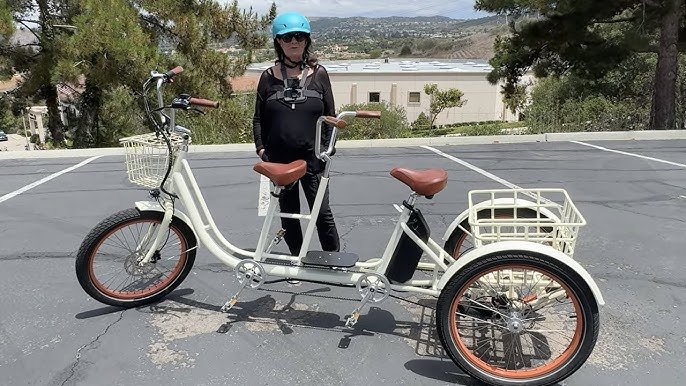
Have you ever wondered how adaptive tandem trikes can change the way you experience cycling with a partner? Whether you want to ride side-by-side with a loved one or support someone with different mobility needs, these unique trikes offer an amazing way to share the joy of cycling.
But how exactly do they work? Understanding the mechanics and features behind adaptive tandem trikes can open up new possibilities for your rides. Keep reading, and you’ll discover how these innovative bikes bring teamwork, balance, and fun together in a way that’s easy to enjoy.
Adaptive Tandem Trikes Basics
Adaptive tandem trikes are designed for two riders who pedal together. They help people with different abilities enjoy riding side by side.
These trikes provide stability and support for riders who need extra help. They allow teamwork and fun on the road or trail.
What Makes Them Adaptive
Adaptive tandem trikes have special features that fit different needs. They adjust to the rider’s size and ability.
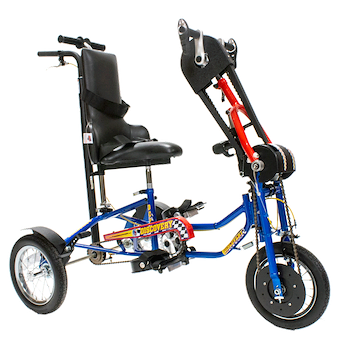
Some adapt to physical limits with easy controls and added support. Others let riders use their arms or feet to pedal.
- Adjustable seats and pedals
- Extra back and head support
- Hand pedals or foot pedals
- Easy-to-reach brakes and gears
- Stable three-wheel design
Tandem Trike Components
The main parts include the frame, wheels, pedals, and steering. Each part works together for smooth riding.
The frame is strong and wide to hold two riders safely. Wheels provide balance and grip on the ground.
- Frame:Supports two riders and adapts to size
- Wheels:Three wheels for balance and control
- Pedals:Can be hand or foot pedals, sometimes both
- Seats:Adjustable with extra support options
- Steering:Easy to control with special handles
- Brakes:Positioned for quick and safe stopping
Design Features
Adaptive tandem trikes are built to help two riders work together easily. Their design focuses on comfort, control, and power sharing. Each part plays a role in making the ride smooth and safe.
Understanding the key design features helps explain how these trikes function well for riders with different abilities.
Frame And Seating
The frame of an adaptive tandem trike is strong and stable. It supports two riders side by side or one behind the other. The frame shape helps keep balance and control.
Seats are designed for comfort and support. They often have extra padding and backrests. Adjustable seats let riders find the best position for pedaling and steering.
- Durable materials like steel or aluminum
- Wide base for better balance
- Adjustable seats with good back support
- Easy access for riders with limited mobility
Steering Mechanisms
Steering on adaptive tandem trikes is designed for smooth control. Some use linked handlebars so both riders can steer together. Others have a single steering system controlled by one rider.
The design reduces effort and improves safety. It helps riders navigate turns and obstacles with ease.
- Linked or shared steering controls
- Easy-to-turn handlebars or levers
- Stable front wheel design
- Steering locks for safety when stopped
Pedal Systems
Pedal systems on adaptive tandem trikes allow both riders to pedal together or separately. They use chains and gears that connect both pedals. This system shares power evenly to move the trike forward.
Some trikes have independent pedals for each rider. Others link pedals so riders must pedal at the same speed. The system often includes easy gear shifting to match rider strength.
- Linked or independent pedal setups
- Multiple gears for different speeds
- Chain drives designed for smooth power transfer
- Pedal adjustments for comfort and efficiency
How They Improve Accessibility
Adaptive tandem trikes help people with different physical abilities enjoy cycling. They offer support and control that make riding easier.
These trikes create chances for teamwork and fun while making sure everyone can participate safely.
Adjustable Settings
Adaptive tandem trikes come with many adjustable features. These settings fit riders of different sizes and needs.
You can change the seat height, pedal position, and handlebar angle. This helps riders find a comfortable and safe position.
- Seat height and angle adjustments
- Pedal placement changes
- Handlebar tilt and reach options
- Brake and gear controls customization
Support For Different Abilities
These trikes support riders with various physical challenges. They help people who have limited balance or strength.
Some models include features like extra back support, foot straps, or easy-to-use controls. This allows more people to enjoy riding together.
- Extra back and neck support
- Foot straps for secure pedaling
- Simplified control systems
- Ability to ride with a partner’s help
Credit: www.spinlife.com
Riding Dynamics
Adaptive tandem trikes are designed for two riders to move together smoothly. They use special features to help with riding and control.
The way these trikes handle depends on balance, stability, and how well riders work as a team.
Balance And Stability
Adaptive tandem trikes have three wheels to keep the bike steady. This design helps riders stay balanced, even at low speeds.
The wide base and low center of gravity improve stability on turns and uneven surfaces. This makes riding safer and easier.
- Three wheels prevent tipping over
- Wide frame adds support during turns
- Low center of gravity keeps the trike steady
Coordination Between Riders
Riders must pedal and steer together to move smoothly. Good coordination helps the trike stay balanced and move forward.
Communication between riders is important. They need to match their pedaling speed and direction to avoid jerky movements.
- Pedal at the same speed to keep momentum
- Steer carefully to follow the path
- Talk to adjust speed and turns
Maintenance And Care
Adaptive tandem trikes need regular care to work well. Proper maintenance keeps them safe and smooth to ride.
Simple checks and timely repairs help avoid bigger problems. This guide explains key steps for trike upkeep.
Routine Checks
Perform daily and weekly checks to spot issues early. Look at parts that wear out or get loose.
- Check tire pressure and inflate if needed
- Inspect brakes for good stopping power
- Test steering for smooth turning
- Look over chain and gears for rust or dirt
- Ensure seats and pedals are secure
Cleaning the trike regularly removes dirt that can cause damage. Use mild soap and water for best results.
Common Repairs
Fix small problems quickly to keep the trike safe. Some repairs are easy and need only basic tools.
- Replace worn brake pads to keep brakes strong
- Tighten loose bolts on the frame and seat
- Lubricate the chain to prevent rust and noise
- Fix flat tires by patching or replacing tubes
- Adjust gears for smooth shifting
For complex problems, seek help from a bike mechanic. Proper repairs extend the life of your adaptive tandem trike.
Credit: www.sixthreezero.com
Choosing The Right Adaptive Tandem Trike
Adaptive tandem trikes help people enjoy cycling together. Picking the right one makes riding safe and fun.
Think about your needs and the trike features. This guide helps you decide what fits best.
Assessing Needs
Know who will ride the trike and their abilities. Check physical needs and comfort levels.
- Consider the riders’ height and weight limits
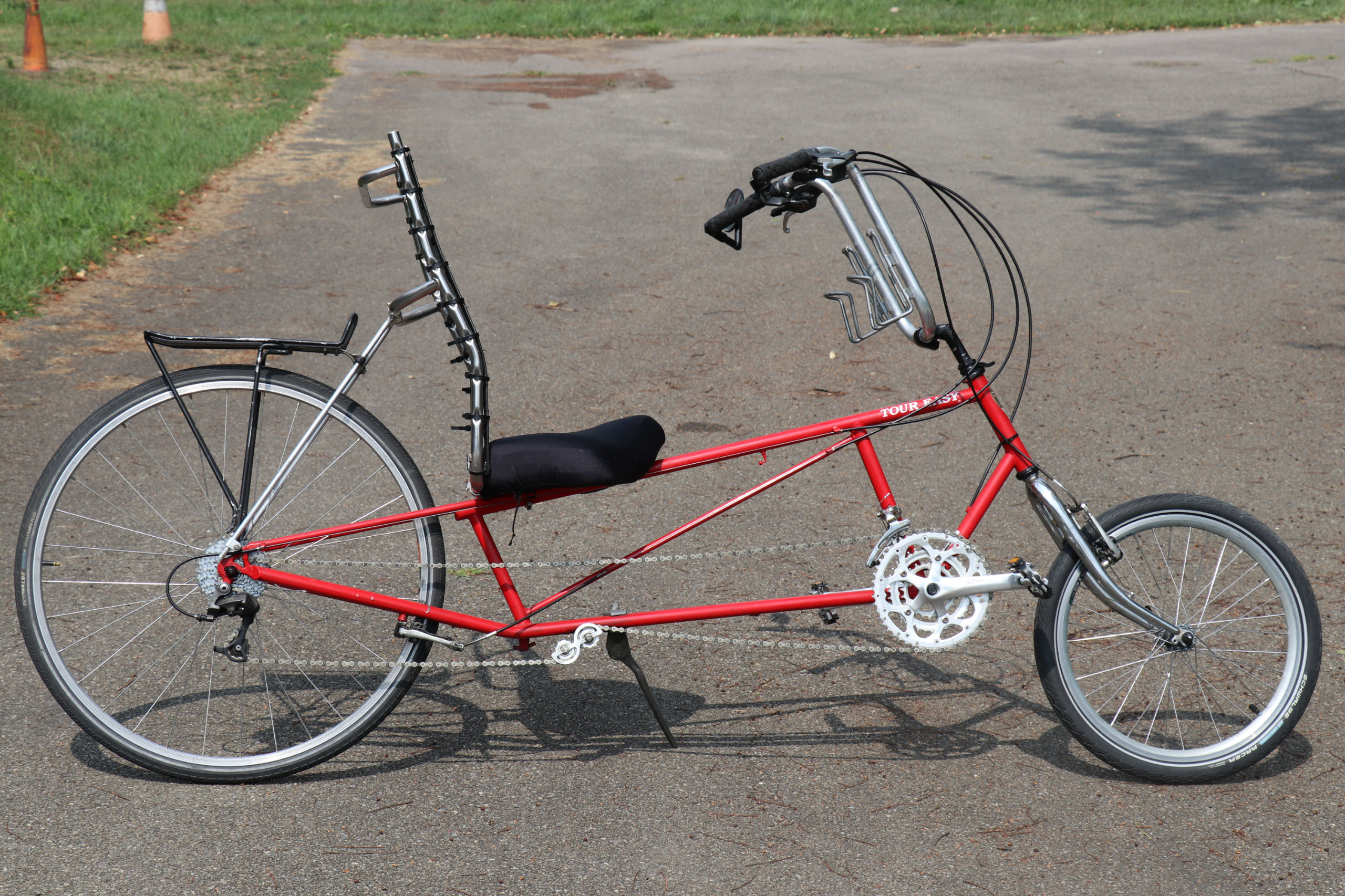
- Identify any special support or seating needs
- Think about the type of terrain you will ride on
- Decide how often you will use the trike
- Plan if you need easy entry and exit features
Features To Consider
Look at the design and parts that make the trike easy to use. Safety and control are key.
| Feature | Why It Matters |
| Adjustable seats | Fits riders of different sizes |
| Sturdy frame | Supports weight and rough use |
| Easy braking system | Improves safety and control |
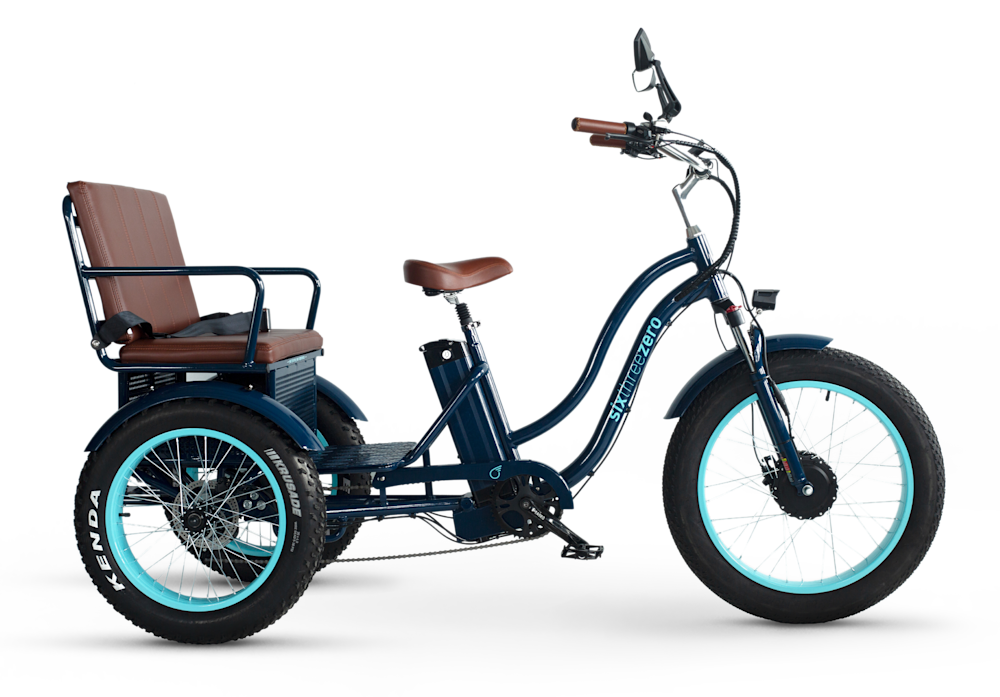
| Step-through frame | Makes getting on and off easier |
| Storage options | Carry items during rides |
Credit: bicycleman.com
Frequently Asked Questions
How Do Adaptive Tandem Trikes Differ From Regular Trikes?
Adaptive tandem trikes are designed for two riders with varying abilities. They offer adjustable seating and support. Regular trikes usually accommodate one rider and lack adaptive features for disabilities or coordination differences.
What Mechanisms Enable Adaptive Tandem Trikes To Work Smoothly?
These trikes use synchronized pedaling systems and adjustable gearing. They have reinforced frames and customized seating. These features ensure comfort, balance, and efficient power transfer between riders.
Who Benefits Most From Using Adaptive Tandem Trikes?
People with disabilities, seniors, and those needing extra stability benefit. They allow shared cycling experiences and promote fitness. Adaptive features provide safety and independence for diverse users.
Can Adaptive Tandem Trikes Be Customized For Individual Needs?
Yes, they offer customizable seats, pedals, and handlebars. Adjustments accommodate different body sizes and mobility levels. This personalization enhances comfort and usability for both riders.
Conclusion
Adaptive tandem trikes offer unique ways to enjoy cycling together. They provide stability and shared control for riders of different abilities. Each rider can pedal or rest, making rides flexible and fun. The design supports teamwork and independence at the same time.
These trikes help bring people closer through shared outdoor activity. Understanding how they work shows their value for many riders. Try one and feel the difference in balance and cooperation. Riding becomes easier and more enjoyable for everyone involved.



