

Have you ever wondered how adaptive tandem bikes make cycling possible for everyone, no matter their abilities? If you’re curious about how these special bikes work and how they can transform your riding experience, you’re in the right place.
Understanding the mechanics behind adaptive tandem bikes can open up new ways for you or someone you care about to enjoy the freedom and fun of cycling together. Keep reading, and you’ll discover exactly how these innovative bikes adapt to your needs and make every ride smoother and more enjoyable.
Adaptive Tandem Bike Basics
Adaptive tandem bikes help two riders pedal together. They are built for people with different abilities.
These bikes make riding easier and more fun for everyone. The design supports teamwork and safety.
Key Components
Adaptive tandem bikes have special parts to help riders work together. These parts improve control and comfort.
- Frames:Strong and stable to support two riders safely.
- Dual Pedals:Allow both riders to pedal in sync or separately.
- Handlebars:Front rider usually controls steering; back rider has support handles.
- Seating:Adjustable seats for comfort and proper fit.
- Brakes:Usually controlled by the front rider for safety.
- Gear Systems:Easy to shift so riders can adjust to different speeds.
Types Of Adaptive Tandem Bikes
There are different types of adaptive tandem bikes. Each type suits different rider needs and abilities.
- Standard Tandem:Both riders pedal and steer together. Good for riders with similar abilities.
- Independent Pedal Tandem:Each rider pedals at their own pace. Helps if one rider pedals slower or faster.
- Side-by-Side Tandem:Riders sit next to each other. It helps with communication and support.
- Recumbent Tandem:Both riders sit in a reclined position. It offers more comfort and better back support.
- Handcycle Tandem:One rider uses hands to pedal. Great for riders with leg disabilities.
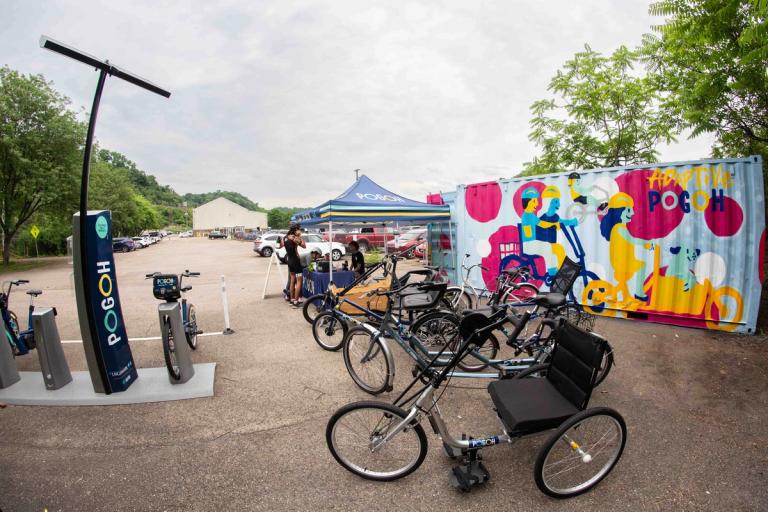
Credit: pittsburgh.citycast.fm
How Adaptive Features Help Riders
Adaptive tandem bikes are designed to fit riders with different needs. They make riding easier and safer for people with disabilities or balance issues.
These bikes have special features that adjust to each rider. This helps riders enjoy cycling together without worry.
Adjustable Seating And Controls
The seats on adaptive tandem bikes can move forward, backward, up, or down. This fits riders of all sizes and shapes comfortably.
Controls like handlebars and pedals also adjust. Riders can reach and use them easily, which improves control and comfort.
- Seats with adjustable height and angle
- Handlebars that move closer or further
- Pedals with straps for better foot grip
- Customizable brake and gear controls
Balance And Stability Enhancements
Adaptive tandem bikes often have wider frames for extra balance. This helps riders stay steady, especially if they have trouble balancing.
Some models add extra wheels or stabilizers. These parts keep the bike from tipping and give riders more confidence while riding.
- Wider tires for better ground contact
- Lower center of gravity for stability
- Additional support wheels or training wheels
- Sturdy frames built to prevent wobbling
Pedaling And Steering Mechanics
Adaptive tandem bikes let two riders pedal and steer together. They have special parts to help both riders work as a team.
The way riders pedal and steer affects how smooth the ride is. Understanding these mechanics helps riders enjoy the bike more.
Synchronized Pedaling
Both riders pedal at the same time on an adaptive tandem bike. The pedals are linked so they move together in sync.
This setup helps share power evenly. It also stops the pedals from hitting each other while riding.
- Front and back pedals connect with a chain or shaft
- Both riders push down and pull up together
- Easy to keep the same pedaling speed
Steering Coordination
Usually, the front rider controls the steering on an adaptive tandem bike. The back rider helps balance and pedal.
The front rider uses the handlebars to guide the bike. Both riders must communicate to make smooth turns and stops.
- Front rider turns the handlebars to steer
- Back rider stays steady and pedals in rhythm
- Good teamwork helps keep balance and control
Communication Between Riders
Adaptive tandem bikes need good communication between riders. Clear signals keep both riders safe and in sync.
Both riders must share information about speed, direction, and obstacles. They use words and body language to work together.
Verbal Signals
Riders talk to share important information. They say when to start, stop, or turn. This helps them coordinate their actions.
Simple words or short phrases work best. Clear and loud speech is important, especially in noisy places.
- “Stop” means to slow down or halt
- “Turn left” or “Turn right” guides direction
- “Pedal faster” tells to increase speed
- “Hold on” warns about bumps or rough roads
Non-verbal Cues
Riders also use body movements and gestures. Non-verbal cues help when speaking is hard or not clear.
They use hand signals or touch to show what they want. These signs give quick, silent messages during the ride.
- Pointing shows direction for turns
- Light taps on the back signal to slow down
- Leaning helps balance and shows intent to stop
- Eye contact confirms understanding between riders
Benefits Of Riding Adaptive Tandem Bikes
Adaptive tandem bikes help people with different abilities ride together. They are built to support riders who need extra help.
Riding these bikes offers many health and social benefits. They make cycling enjoyable and accessible for all.
Physical Health Advantages
Riding adaptive tandem bikes improves fitness and muscle strength. It helps with balance and coordination too.
- Increases cardiovascular endurance
- Builds leg and core muscles
- Improves joint flexibility
- Enhances motor skills
- Promotes better posture
Social And Emotional Gains
Adaptive tandem biking encourages teamwork and builds strong friendships. It also boosts confidence and reduces stress.
| Benefit | Description |
| Teamwork | Riders must communicate and work together. |
| Social Bonding | Sharing rides creates new friendships. |
| Confidence | Learning to ride increases self-esteem. |
| Stress Relief | Outdoor activity helps calm the mind. |

Credit: pittsburgh.citycast.fm
Tips For First-time Riders
Riding an adaptive tandem bike is a fun way to explore with a partner. It needs teamwork and good communication. This guide gives simple tips to help you start and balance well.
These tips are for riders who are new to adaptive tandem bikes. They will help you enjoy your ride safely and confidently.
Starting Smoothly
Getting started on an adaptive tandem bike needs clear roles and practice. The front rider steers and controls speed. The back rider pedals and helps keep balance.
- Make sure both riders agree on signals before riding.
- Practice starting and stopping while seated together.
- Check that both riders’ feet reach the pedals comfortably.
- Adjust the seats and handlebars for a good fit.
- Wear helmets and safety gear at all times.
Maintaining Balance Together
Balance is key on adaptive tandem bikes. Both riders must pedal evenly and stay in sync. Communication helps keep balance and avoid falls.
| Tip | Why It Helps |
| Pedal at the same speed | Keeps the bike steady and smooth |
| Talk during turns | Prepares both riders to lean properly |
| Practice slow riding | Builds confidence in balancing |
| Use brakes gently | Prevents sudden stops that cause imbalance |
| Keep your eyes ahead | Helps anticipate obstacles and adjust balance |
Maintenance And Safety
Adaptive tandem bikes need proper care to work well and stay safe. Routine maintenance helps avoid problems and keeps riders safe.
Safety is key when using these bikes. Wearing the right gear and checking the bike often lowers risks for all riders.
Regular Checks
Check the bike before every ride. Look at brakes, tires, and chains to make sure they work well. Tighten any loose parts you find.
Inspect the frame and seats for cracks or damage. Keep the bike clean and lubricate moving parts to help it run smoothly.
- Test brakes for quick stopping
- Check tire pressure and tread
- Lubricate chain and gears regularly
- Look for cracks in frame and seats
- Ensure bolts and screws are tight
Safety Gear Recommendations
Wear a helmet every time you ride. It protects your head in case of falls or crashes. Choose a helmet that fits well and meets safety standards.
Use gloves to protect your hands and improve grip. Bright or reflective clothing helps others see you better, especially in low light.
- Helmet with proper fit and certification
- Protective gloves for hand safety
- Bright or reflective clothing
- Elbow and knee pads for extra protection
- Lights and reflectors for visibility

Credit: www.bikeradar.com
Frequently Asked Questions
What Is An Adaptive Tandem Bike?
An adaptive tandem bike is a bicycle designed for two riders with varying abilities. It includes modifications for accessibility and comfort. The bike allows both riders to pedal and steer together, promoting teamwork and inclusive cycling experiences.
How Do Adaptive Tandem Bikes Enhance Accessibility?
These bikes feature adjustable seats, hand controls, and support systems. They accommodate riders with physical or sensory disabilities. Adaptive tandem bikes enable riders of different skill levels to enjoy cycling side by side safely.
Can Adaptive Tandem Bikes Be Used Outdoors?
Yes, adaptive tandem bikes are built for outdoor use. They are sturdy and equipped to handle various terrains. This allows riders to explore parks, trails, and urban environments comfortably and securely.
How Do Riders Coordinate On An Adaptive Tandem Bike?
Riders communicate and pedal in sync for smooth movement. The front rider usually steers, while both provide power. Coordination enhances balance and control, making the ride enjoyable and efficient.
Conclusion
Adaptive tandem bikes offer exciting possibilities. They enable riders of all abilities to cycle together. These bikes provide freedom and adventure. They also enhance mobility and social interaction. Families and friends can share joyful experiences on these bikes. Accessibility for everyone becomes achievable.
With practice, users gain confidence and improve coordination. Adaptive tandem bikes foster inclusivity and fun. Understanding their mechanics empowers potential riders. This knowledge ensures a safe and enjoyable ride. Embrace the journey with adaptive tandem bikes. Experience the joy of cycling, together.



