
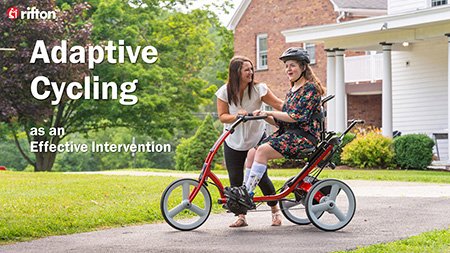
Have you ever wondered how adaptive bikes can change the way you experience cycling? Whether you’re looking for a new way to stay active, regain mobility, or enjoy outdoor adventures with ease, understanding how these bikes work can open up exciting possibilities for you.
Adaptive bikes are designed to fit your unique needs, making riding safer and more comfortable. Keep reading to discover how these innovative bikes operate and how they can transform your ride.
Credit: www.sixthreezero.com
Adaptive Bike Basics
Adaptive bikes help people with different abilities enjoy cycling. They change to fit each rider’s needs.
These bikes focus on comfort, safety, and easy use. They often have special parts to assist riders.
What Makes A Bike Adaptive
An adaptive bike is designed for riders with physical or balance challenges. It offers extra support and control.
These bikes look like regular bikes but have changes to help with riding. They allow more people to cycle independently.
- Extra stability for balance issues
- Adjustable seats and handlebars
- Special pedals or footrests
- Hand controls for brakes or gears
- Support straps or harnesses
Key Components And Features
Adaptive bikes have parts that make riding easier and safer. These parts change depending on the rider’s needs.
Common features include different frame types and assistive tools that help with pedaling and steering.
- Frames:Often wider or lower for better balance.
- Seats:Extra padding or support, sometimes with belts.
- Pedals:Larger or with straps to keep feet secure.
- Hand Controls:Brakes and gears that can be operated by hand.
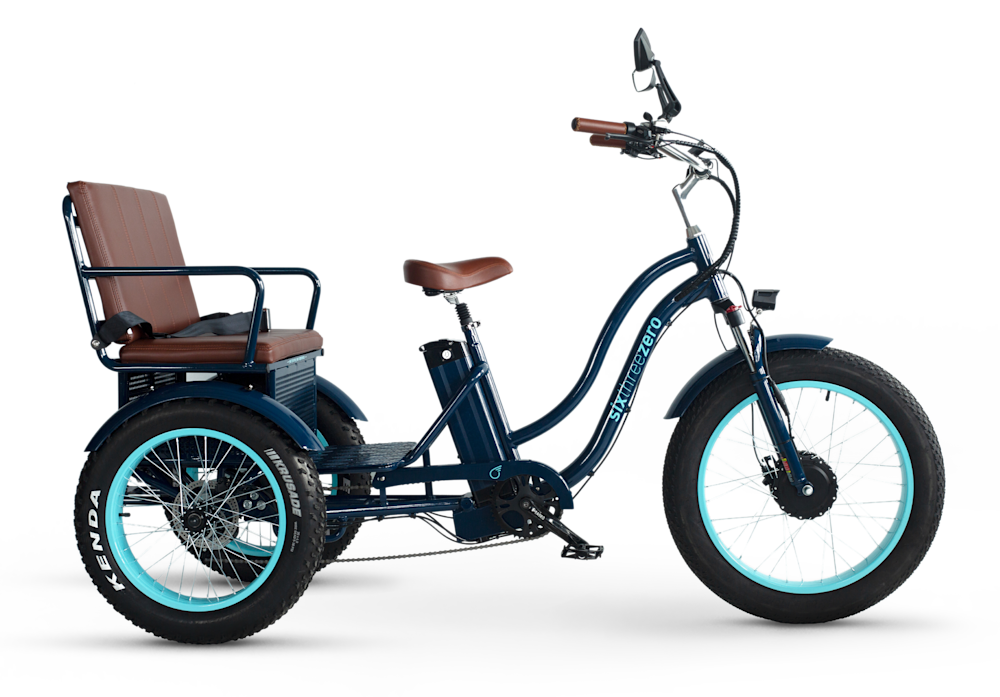
- Trikes:Three wheels for added stability.
- Electric Assist:Motors that help with pedaling effort.

Credit: www.jewishfamilyservice.org
Types Of Adaptive Bikes
Adaptive bikes help people with different abilities enjoy cycling. They come in many styles to fit various needs.
Each type offers unique ways to pedal and steer. This makes cycling easier and more fun for everyone.
Handcycles
Handcycles use hand pedals instead of foot pedals. Riders use their arms to move the bike forward.
These bikes are good for people with limited leg strength or mobility. They provide a great upper body workout.
- Three-wheeled design for stability
- Hand cranks connected to the front wheel
- Adjustable seats for comfort
Tricycles
Tricycles have three wheels for extra balance. They are easier to ride for people with balance issues.
Riders use foot pedals like a normal bike. The wide base helps prevent tipping over.
- Two wheels at the back or front
- Low step-through frame for easy mounting
- Options for hand or foot pedaling
Tandem Bikes
Tandem bikes are built for two riders. One rider pedals in front, the other in back.
They are great for people who need help with pedaling or steering. The front rider controls the bike.
- Two seats and sets of pedals
- Front rider handles steering and brakes
- Back rider provides extra power
How Adaptive Bikes Enhance Mobility
Adaptive bikes help people with different needs ride safely and comfortably. They support users who have difficulty using regular bikes.
These bikes improve freedom by making movement easier. They allow riders to enjoy outdoor activities with less effort.
Customizable Fit And Support
Adaptive bikes can be adjusted to fit each rider’s body. This helps users stay comfortable and balanced while riding.
They often include special seats, straps, and pedals. These features provide extra support and help keep the rider stable.
- Adjustable seat height and angle
- Supportive backrests and harnesses
- Custom footrests and pedal straps
- Handlebars set for easy reach
Balance And Stability Solutions
Many adaptive bikes have wider bases to prevent tipping. This helps riders feel safe and steady while moving.
Some use extra wheels or special frames. These parts improve balance and make it easier to steer and stop.
- Three or four-wheel designs for extra support
- Low center of gravity for better control
- Hand brakes designed for easy use
- Sturdy frames to handle different terrains
Technology Behind Adaptive Bikes
Adaptive bikes use special technology to help people with different needs ride comfortably. These bikes have features that support balance, pedaling, and control.
The technology makes riding easier and safer for users with limited strength or mobility. Understanding these features can help you see how adaptive bikes work.
Assistive Pedaling Systems
Assistive pedaling systems help riders move the bike with less effort. These systems support pedaling by adding power or adjusting resistance.
- Electric motors provide extra pedaling power when needed.
- Chainless designs reduce maintenance and make pedaling smooth.
- Automatic clutch systems allow easy start and stop without losing balance.
- Pedal-assist sensors detect rider effort and add power accordingly.
Adjustable Controls And Seating
Adjustable controls and seating ensure the bike fits the rider well. These parts can change position to match the rider’s body and needs.
| Feature | Purpose |
| Adjustable seat height | Fits rider’s leg length |
| Tilting seat | Improves comfort and posture |
| Custom handlebars | Enhances grip and control |
| Brake lever placement | Makes stopping easier |
| Foot straps or supports | Keeps feet stable on pedals |
Benefits Beyond Mobility
Adaptive bikes help people move more easily. They do more than just improve movement.
These bikes support health and well-being in many ways. They offer physical and mental benefits.
Physical Health Improvements
Riding an adaptive bike strengthens muscles and improves balance. It helps with heart health and flexibility.
- Builds muscle strength
- Improves joint movement
- Boosts heart and lung function
- Increases endurance
- Enhances coordination
Mental And Emotional Impact
Using adaptive bikes can improve mood and reduce stress. It helps increase confidence and independence.
| Mental Benefit | How It Helps |
| Reduces anxiety | Exercise releases calming chemicals |
| Improves focus | Riding requires attention and planning |
| Boosts self-esteem | Achieving goals builds confidence |
| Encourages social interaction | Group rides promote friendships |
Choosing The Right Adaptive Bike
Adaptive bikes help people with different abilities enjoy cycling. Choosing the right bike matters for comfort and safety. You should think about your unique needs before picking one.
This guide covers two key points: assessing individual needs and professional fitting and training. These steps help find the best adaptive bike for you.
Assessing Individual Needs
Everyone’s body and abilities are different. Some need more support, while others want a faster bike. You should consider your strength, balance, and mobility. Also, think about where you will ride most often.
- Check your physical abilities and limits
- Decide on bike type: trike, handcycle, or recumbent
- Consider how often and where you will ride
- Think about comfort features like seat support and handlebar position
- Look at safety options such as brakes and stability aids
Professional Fitting And Training
Getting a professional fitting helps match the bike to your body. Experts measure you and adjust the bike parts. They also show you how to use the bike safely. Training improves your confidence and riding skills.
| Service | Purpose | Benefit |
|---|---|---|
| Body Measurements | Fit frame size and seat position | Better comfort and control |
| Bike Adjustments | Set handlebars, pedals, and brakes | Safe and easy handling |
| Riding Training | Teach balance and steering | Build confidence and skills |
| Follow-up | Check bike fit after use | Ensure long-term comfort |
Maintenance And Safety Tips
Adaptive bikes need regular care to keep working well. Safety is very important for every rider.
Following simple maintenance and safety tips helps prevent accidents and bike problems.
Routine Checks And Repairs
Check your adaptive bike before each ride. Look for loose parts or damage. Fix small issues fast.
Keep tires full of air and brakes working well. Clean the bike to stop rust and dirt buildup.
- Inspect tires for cuts or worn tread
- Test brakes for strong stopping power
- Tighten all nuts and bolts
- Lubricate chains and moving parts
- Check seat and handlebar adjustments
Safe Riding Practices
Wear a helmet and bright clothes to stay visible. Follow traffic rules and ride on safe paths.
Use hand signals to show your moves. Ride at a speed you can control. Avoid rough or wet surfaces.
- Always wear a properly fitted helmet
- Use lights if riding in low light
- Stay alert and watch for obstacles
- Ride with a companion if possible
- Keep both hands on the handlebars

Credit: www.sorca.ca
Frequently Asked Questions
What Makes Adaptive Bikes Different From Regular Bikes?
Adaptive bikes are specially designed for people with physical challenges. They have unique features like extra support, customized seating, and easier controls. These modifications help riders maintain balance and enjoy cycling safely.
How Do Adaptive Bikes Improve Mobility?
Adaptive bikes enhance mobility by providing stability and comfort. They allow users with disabilities to ride independently. This boosts confidence, encourages exercise, and promotes social interaction.
Can Anyone Customize An Adaptive Bike?
Yes, adaptive bikes can be tailored to individual needs. Adjustments include seat type, pedal position, and handlebar style. Customization ensures optimal comfort and control for every rider.
Are Adaptive Bikes Suitable For Children?
Adaptive bikes are available for all ages, including children. They help kids with physical disabilities develop coordination and strength. These bikes encourage active play and inclusivity.
Conclusion
Adaptive bikes bring joy and freedom to many riders. They cater to various needs, ensuring everyone can experience cycling. Riders feel empowered and included. These bikes offer unique features tailored for different abilities. Whether for leisure or fitness, adaptive bikes provide a thrilling ride.
They enhance mobility and foster independence. More people can now enjoy the benefits of cycling. This promotes health and well-being. Exploring the outdoors becomes accessible to all. Adaptive bikes truly transform how we experience the world on two wheels. A great option for anyone seeking adventure and freedom.



