
Selling your bike doesn’t have to be stressful. This guide walks you through every step—from cleaning and pricing to choosing the right platform and closing the deal safely. You’ll learn how to attract buyers and get top dollar for your two-wheeled companion.
Key Takeaways
- Clean and maintain your bike before selling: A well-maintained bike looks more appealing and can increase its value.
- Research fair market prices: Check similar listings to price your bike competitively without undervaluing it.
- Take high-quality photos: Clear, well-lit images from multiple angles help buyers feel confident in their purchase.
- Choose the right selling platform: Options like Facebook Marketplace, Craigslist, and dedicated bike forums each have pros and cons.
- Be honest about the bike’s condition: Transparency builds trust and reduces the risk of disputes after the sale.
- Prioritize safety during meetups: Always meet in public places and consider bringing a friend when finalizing the sale.
- Include essential accessories: Adding lights, locks, or a pump can make your listing more attractive.
How Can I Sell My Bike? A Complete Step-by-Step Guide
So you’ve decided it’s time to part ways with your bike. Maybe you’ve upgraded to a newer model, you’re switching to an e-bike, or you simply don’t ride as much as you used to. Whatever the reason, selling your bike can be a smooth and profitable process—if you do it right.
In this guide, we’ll walk you through everything you need to know about how to sell your bike quickly, safely, and for the best possible price. From prepping your bike to closing the deal, we’ve got you covered.
Step 1: Assess Your Bike’s Condition
Visual guide about How Can I Sell My Bike
Image source: mynextbike.co.uk
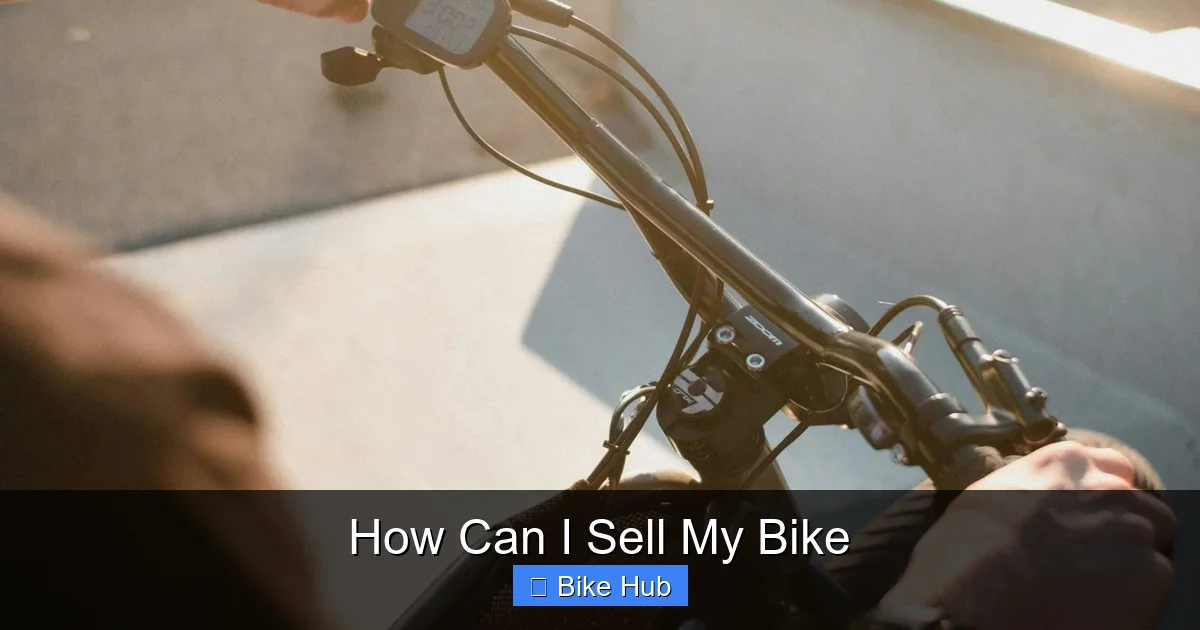
Before you even think about pricing or posting, take a close look at your bike. Is it in good working order? Are there scratches, rust, or worn parts? Be honest with yourself—this will help you set a fair price and avoid disappointing buyers.
Start by giving your bike a thorough inspection. Check the frame for cracks or dents, test the brakes, shift through the gears, and spin the wheels to listen for wobbles or grinding noises. If you’re not sure about the condition of certain parts, consider taking it to a local bike shop for a quick tune-up.
A well-maintained bike not only sells faster but also commands a higher price. For example, if your chain is rusty or your tires are cracked, buyers may assume the rest of the bike is neglected—even if that’s not true.
Step 2: Clean and Maintain Your Bike
Visual guide about How Can I Sell My Bike
Image source: dandydirtbikes.com.au
First impressions matter. A clean bike looks cared for and suggests it’s been ridden responsibly. Grab a bucket, some bike-specific cleaner, a soft brush, and a microfiber cloth, and give your bike a spa day.
Clean the Frame and Components
Use a gentle bike cleaner to remove dirt, grime, and road salt. Avoid harsh household cleaners, as they can damage paint or components. Pay special attention to the drivetrain—clean the chain, cassette, and chainrings thoroughly. For detailed guidance, check out our guide on how to clean a road bike drivetrain.
Lubricate Moving Parts
After cleaning, apply a light coat of bike lubricant to the chain and other moving parts. This not only improves performance but also shows buyers the bike is ready to ride. Store any leftover lubricant properly—our article on how to store bike lubricant offers helpful tips.
Check Tire Pressure and Condition
Inflate your tires to the recommended PSI, which is usually printed on the sidewall. Cracked, dry, or underinflated tires can be a red flag. If your tires are worn, consider replacing them—it’s a small investment that can significantly boost your bike’s appeal.
Step 3: Determine the Right Price
Pricing your bike correctly is crucial. Too high, and it sits unsold; too low, and you lose money. Start by researching similar bikes in your area.
Check Online Listings
Look at platforms like Facebook Marketplace, Craigslist, and eBay for bikes of the same make, model, year, and condition. Note the asking prices and how long they’ve been listed.
Use Bike Valuation Tools
Websites like Bicycle Blue Book or Pinkbike’s used bike marketplace can give you a ballpark value based on your bike’s specs. These tools consider depreciation, wear, and market demand.
Factor in Upgrades and Accessories
If you’ve added high-quality components—like a carbon fork, upgraded wheels, or a new saddle—mention them in your listing and adjust the price accordingly. Including extras like a bike lock, pump, or lights can also justify a higher asking price.
Step 4: Take High-Quality Photos
Great photos are one of the most important parts of your listing. Most buyers won’t respond if they can’t see clear images of the bike.
Use Natural Light
Take photos outdoors during the day, preferably in soft, indirect sunlight. Avoid harsh midday sun, which can create shadows and wash out colors.
Show Multiple Angles
Include shots of the full bike from the side, front, and back. Get close-ups of the frame, drivetrain, brakes, and any unique features. If there are scratches or wear, photograph them honestly—this builds trust.
Highlight Key Features
If your bike has suspension, disc brakes, or a lightweight frame, make sure these are visible in your photos. For mountain bikes, show the suspension in action if possible.
Step 5: Write a Compelling Listing
Your description should be clear, honest, and informative. Buyers want to know exactly what they’re getting.
Include Key Details
Mention the bike’s make, model, year, frame size, and type (road, mountain, hybrid, etc.). List the components—shifters, derailleurs, brakes—and note any upgrades.
Be Honest About Condition
Describe any flaws, such as scratches, dents, or worn parts. Saying “minor scuff on the top tube” is better than having a buyer discover it in person and back out.
Add a Personal Touch
Share why you’re selling—maybe you’ve moved, upgraded, or just don’t ride as much. A friendly tone makes your listing more relatable.
Step 6: Choose the Right Platform
Where you list your bike affects how quickly it sells and who sees it.
Local Marketplaces
Facebook Marketplace and Craigslist are great for local sales. You can meet buyers in person, which reduces shipping hassles and scams. Plus, you get paid immediately.
Specialized Bike Sites
Websites like Pinkbike, BikeExchange, or local cycling forums attract serious buyers who know what they’re looking for. These platforms often have higher engagement from cycling enthusiasts.
Social Media and Community Groups
Join local cycling groups on Facebook or Reddit. Many have dedicated buy/sell sections where members trust each other more than on general platforms.
Step 7: Communicate with Buyers
Once your listing is live, respond to inquiries quickly and politely. Answer questions honestly and provide additional photos if requested.
Set Clear Expectations
Let buyers know if the bike is still available, when you’re free to meet, and whether you’re open to offers. Avoid vague replies like “maybe” or “we’ll see.”
Be Wary of Scams
Watch out for buyers who want to pay with a check, ask for personal information, or insist on shipping before payment. Stick to cash or secure payment methods like PayPal Goods & Services.
Step 8: Finalize the Sale Safely
When it’s time to meet, prioritize your safety.
Meet in a Public Place
Choose a busy location like a coffee shop, mall, or police station parking lot. Avoid meeting at your home.
Bring a Friend
If possible, have someone accompany you. It’s safer and can help with test rides or loading the bike.
Test Ride Policy
Allow serious buyers to test ride the bike, but stay nearby and keep an eye on it. Some sellers ask for ID or a deposit during the test ride.
Complete the Transaction
Once the buyer is satisfied, exchange the bike for payment. If you’re selling locally, cash is safest. For online sales, use secure payment methods and avoid wire transfers.
Troubleshooting Common Issues
No One Is Responding to My Listing
Your price might be too high, or your photos may not be clear. Try lowering the price slightly or retaking your photos in better light.
Buyers Keep Backing Out
This often happens when the bike isn’t as described. Double-check your listing for accuracy and consider adding more details or photos.
I’m Not Sure If My Bike Is Worth Much
Older or entry-level bikes may not fetch high prices, but they can still sell quickly if priced right. Focus on condition and presentation.
Conclusion
Selling your bike doesn’t have to be a headache. By cleaning it thoroughly, pricing it fairly, and presenting it well, you can attract serious buyers and close the deal with confidence. Remember: honesty, clarity, and safety are key. Whether you’re upgrading, downsizing, or just making space, this guide ensures you get the best value for your bike—and peace of mind in the process.



