
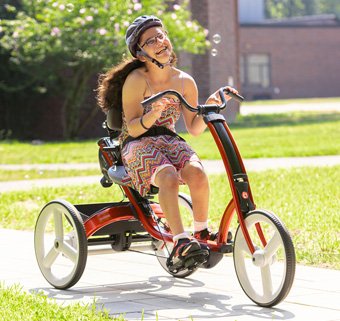
Have you ever wondered how something as simple as a trike could change the way therapy works for you or someone you care about? Adaptive trikes are more than just bikes with three wheels—they are powerful tools designed to support movement, balance, and confidence.
If you or a loved one struggles with physical challenges, discovering how these specially made trikes can aid therapy might open new doors to progress and independence. Keep reading to find out why adaptive trikes are becoming a game-changer in therapeutic care and how they can make a real difference in your journey.
Benefits Of Adaptive Trikes
Adaptive trikes offer great support for therapy and rehabilitation. They help users gain better control and balance.
These trikes are designed to meet the needs of people with different abilities. They encourage movement and build confidence.
Enhanced Mobility And Independence
Adaptive trikes allow users to move more freely and with less help. This leads to greater independence in daily activities.
- Improves ability to navigate different terrains
- Reduces reliance on caregivers for movement
- Offers a safe way to explore the outdoors
- Supports balance and coordination skills
Improved Physical Strength
Riding an adaptive trike helps strengthen muscles. It works the legs, arms, and core muscles through pedaling and steering.
| Muscle Group | Benefit |
| Legs | Builds endurance and strength |
| Arms | Improves steering control |
| Core | Enhances balance and stability |
Boosted Mental Well-being
Using an adaptive trike can lift mood and reduce stress. It offers a chance for social interaction and outdoor fun.
Key mental benefits include:
- Increased confidence from mastering new skills
- Improved focus and concentration
- Feelings of joy from physical activity
- Reduced feelings of isolation
Types Of Adaptive Trikes
Adaptive trikes help people with different therapy needs. They offer support and improve movement. Different types suit various physical abilities and therapy goals.
Choosing the right trike can make therapy easier and more effective. Here are the main types of adaptive trikes used in therapy.
Recumbent Trikes
Recumbent trikes have a seat that lets the rider sit back comfortably. This design supports the back and reduces strain on joints. It is good for people with balance or posture issues.
These trikes help build leg strength and improve coordination. They provide a stable ride and are easier to control for many users.
Upright Trikes
Upright trikes look like regular bikes but have three wheels. They require the rider to sit upright, which helps improve core strength and balance. This type is good for those who want a more active posture.
Upright trikes encourage better body control. They help develop muscle strength in the legs and improve endurance during therapy.
Hand Pedal Trikes
Hand pedal trikes use hand cranks instead of foot pedals. They are ideal for people with lower limb disabilities or limited leg strength. These trikes help improve arm and upper body strength.
Using hand pedals also aids in improving coordination between the arms and hands. They provide a great workout while offering stability and support.
Therapeutic Applications
Adaptive trikes are helpful tools in therapy. They support many kinds of physical and neurological recovery.
These trikes help patients regain strength, balance, and coordination. Therapists use them for safe and guided exercise.
Rehabilitation For Stroke Patients
Stroke patients often lose muscle control and balance. Adaptive trikes provide a stable way to practice movement.
Using trikes helps improve leg strength and coordination. It also boosts confidence in walking again.
- Encourages repetitive leg motion
- Improves cardiovascular health
- Promotes balance and posture
- Supports low-impact exercise
Support For Neurological Disorders
People with neurological disorders may face muscle weakness and poor coordination. Adaptive trikes offer controlled movement practice.
The trikes can be adjusted for different ability levels. This helps users build strength safely over time.
- Enhances motor skills
- Improves muscle tone
- Supports sensory feedback
- Encourages independence
Aid In Orthopedic Recovery
After bone or joint surgery, gentle exercise is key. Adaptive trikes allow safe, low-impact movement during healing.
They help increase joint flexibility and muscle strength. Patients can move without putting too much stress on their bodies.
- Supports gradual weight bearing
- Improves joint mobility
- Builds muscle endurance
- Reduces risk of stiffness
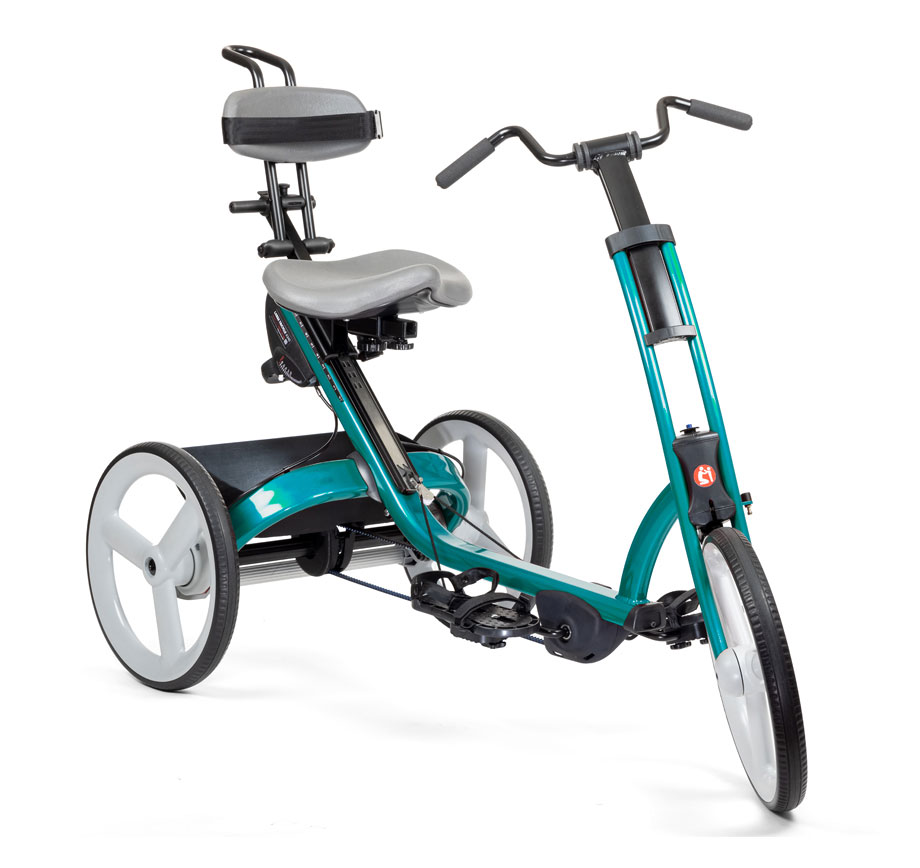
Credit: www.rifton.com
Design Features That Aid Therapy
Adaptive trikes provide important support for therapy patients. Their design helps users build strength and improve balance.
Each feature focuses on making therapy safer and more effective. This allows users to gain confidence while using the trike.
Adjustable Seating And Support
The seating on adaptive trikes adjusts to fit different body shapes and sizes. This helps keep the user comfortable and stable.
- Seats can tilt and recline for better posture.
- Adjustable backrests provide extra support.
- Footrests move to match leg length.
- Straps and belts secure the user safely.
Safety Enhancements
Safety features protect users during therapy sessions. These features reduce the risk of falls and injuries.
| Feature | Purpose |
| Anti-tip wheels | Prevent the trike from tipping over |
| Reflectors and lights | Improve visibility in low light |
| Secure harnesses | Keep the user firmly in place |
| Non-slip pedals | Prevent feet from slipping off |
Customizable Controls
Controls on adaptive trikes can be changed to fit user needs. This makes it easier for users to steer and pedal.
Common customizable control options include:
- Hand pedals instead of foot pedals
- Adjustable resistance for easier pedaling
- Brake levers placed within easy reach
- Simple gear changes for different speeds
Real-life Success Stories
Adaptive trikes offer a unique way to support therapy for many patients. These trikes provide stability and comfort while encouraging movement and exercise. They help people of all ages improve their strength and balance.
Many patients and therapists share their positive experiences with adaptive trikes. These stories show how the trikes can make therapy more effective and enjoyable.
Patient Experiences
One patient with limited leg strength started using an adaptive trike during therapy. After weeks of regular use, they noticed better leg movement and more confidence in walking.
Another patient with balance issues found the trike helped them stay safe while moving. They said it made therapy fun and less tiring.
- Improved muscle strength
- Greater balance and coordination
- Increased motivation to exercise
- Enhanced independence in daily activities
Therapist Insights
Therapists say adaptive trikes allow patients to practice walking and cycling safely. The trikes help patients build endurance without fear of falling.
Therapists also note that using adaptive trikes improves patient engagement. Patients enjoy the activity and work harder during therapy sessions.
- Supports gradual muscle strengthening
- Encourages regular movement
- Reduces risk of injury during therapy
- Promotes confidence and independence

Credit: www.rifton.com
Choosing The Right Adaptive Trike
Adaptive trikes support therapy by helping with balance and movement. Picking the right trike matters for safety and comfort.
Consider several factors to find the best fit for individual needs and goals.
Assessing Individual Needs
Each person has unique physical and therapeutic requirements. Look at strength, coordination, and mobility levels before choosing a trike.
- Check muscle strength and control
- Consider body size and weight
- Note any special support needs like straps or backrests
- Think about the main therapy goals
Consulting Healthcare Professionals
Doctors, therapists, and specialists can give valuable advice. They understand medical conditions and therapy goals well.
| Professional | Role in Choosing a Trike |
| Physical Therapist | Recommends features for muscle and movement support |
| Occupational Therapist | Suggests adjustments for daily use and comfort |
| Physician | Approves safety and medical suitability |
Budget And Accessibility
Adaptive trikes come in different prices and styles. Set a budget before shopping to narrow choices.
Consider these points for budget and access:
- Check if insurance covers part of the cost
- Look for local suppliers with test models
- Think about maintenance costs
- Consider trike features that match the budget
Future Trends In Adaptive Trike Therapy
Adaptive trikes are becoming important tools in therapy. They help improve movement and balance for many users.
New trends are shaping how these trikes support therapy in the future. These trends include technology and better access.
Technological Innovations
Technology is making adaptive trikes smarter and easier to use. Sensors can track movement and provide feedback.
These improvements help therapists see progress and adjust exercises quickly. Batteries and motors also get better for smooth rides.
- Motion sensors track balance and speed
- Adjustable motors assist pedaling effort
- Lightweight materials improve comfort
- Custom fit options increase usability
Integration With Virtual Therapy
Virtual therapy uses computer programs to guide exercises. Adaptive trikes now connect to these systems for better therapy.
Users can follow virtual paths or games while riding. This helps keep them motivated and focused during sessions.
- Virtual routes simulate real-world riding
- Interactive games encourage active movement
- Real-time data helps therapists track progress
- Remote therapy sessions become possible
Expanding Accessibility
Adaptive trikes are becoming more affordable and available. This helps more people access therapy tools in their communities.
Design changes also make trikes easier to use for different abilities. This supports therapy for a wider group of users.
- Lower-cost models increase availability
- Adjustable seats fit many body types
- Simple controls help users with limited strength
- Community programs offer shared trike use
Credit: www.rifton.com
Frequently Asked Questions
What Are Adaptive Trikes Used For In Therapy?
Adaptive trikes assist individuals with mobility challenges during therapy. They improve balance, coordination, and muscle strength. These trikes provide safe and supportive exercise, enhancing physical rehabilitation outcomes. They also boost confidence and independence for users during therapy sessions.
How Do Adaptive Trikes Improve Physical Therapy Results?
Adaptive trikes promote consistent, low-impact exercise that strengthens muscles. They enhance motor skills and cardiovascular health safely. Their design supports proper posture and encourages active participation. This leads to faster recovery and better overall therapy results.
Who Benefits Most From Using Adaptive Trikes In Therapy?
People with neurological conditions, developmental delays, or physical disabilities benefit greatly. Adaptive trikes cater to varied needs and abilities. They help children and adults improve mobility and independence. Therapists often recommend them for personalized rehabilitation plans.
Can Adaptive Trikes Help With Mental Health During Therapy?
Yes, adaptive trikes boost mood and reduce anxiety through physical activity. They encourage social interaction and outdoor engagement. These factors contribute positively to mental well-being during therapy. Users often experience increased motivation and self-esteem.
Conclusion
Adaptive trikes offer a fun way to enhance therapy. They improve physical strength and coordination. Riding these trikes boosts confidence in individuals. Therapists see positive results with consistent use. Families notice improved moods in children and adults. The joy of riding helps in therapy sessions.
It’s a simple yet effective tool. Adaptive trikes provide therapy with a smile. Embracing this method can bring positive changes. It’s a win for everyone involved.



