
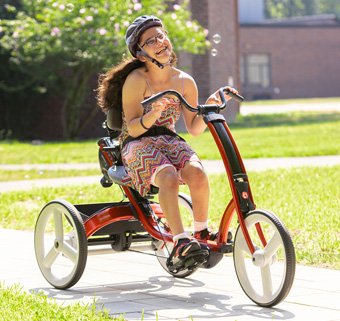
Have you ever felt limited by your mobility? Imagine a way to move more freely, enjoy the outdoors, and regain your independence.
Adaptive bikes are designed to do just that—transform how you get around. They offer a new level of freedom tailored to your unique needs, making every ride easier and more enjoyable. Keep reading to discover how these innovative bikes can change your life and help you embrace movement like never before.

Credit: www.rifton.com
Adaptive Bikes And Mobility
Adaptive bikes help people with different abilities ride safely and comfortably. They improve freedom and allow more outdoor activities.
These bikes are made to fit the rider’s needs. They support better balance, strength, and control for easier movement.
Types Of Adaptive Bikes
There are many types of adaptive bikes. Each type supports different mobility needs and body abilities.
- Handcycles:Bikes powered by hand pedals. Good for people with leg disabilities.
- Tricycles:Three wheels for extra balance. Ideal for those who need more stability.
- Tandem Bikes:Two seats and sets of pedals. Allows a partner to help with pedaling.
- Recumbent Bikes:Low seats and back support. Helps riders with back or balance issues.
- Electric Adaptive Bikes:Motor assist for easier riding and longer distances.
Key Features Enhancing Mobility
Adaptive bikes have features that improve comfort and safety. These features help riders move with less effort.
- Adjustable Seating:Seats can be changed for height and support.
- Supportive Frames:Frames designed to provide stability and balance.
- Easy Controls:Handlebars and brakes made simple to use.
- Custom Pedals:Pedals shaped for secure foot or hand placement.
- Lightweight Materials:Bikes are made lighter for easier handling.
- Electric Assistance:Motors help riders pedal uphill or for long rides.
Benefits For Users
Adaptive bikes help people move more easily and enjoy outdoor activities. These bikes are made to fit different needs and abilities.
Using adaptive bikes can improve health, mood, and social life. They give more freedom and confidence to users.
Physical Health Improvements
Riding adaptive bikes helps build strength and balance. It also improves heart health and lung capacity. Regular use can reduce pain and stiffness in joints.
- Increases muscle tone and endurance
- Boosts cardiovascular fitness
- Improves coordination and balance
- Supports weight management
- Reduces risk of chronic diseases
Mental And Emotional Well-being
Adaptive biking can lift mood and lower stress. Being outdoors and moving releases feel-good chemicals in the brain. It also helps reduce feelings of anxiety and depression.
Key mental benefits include:
- Improved self-esteem
- Greater sense of independence
- Better focus and mental clarity
- Enjoyment from regular physical activity
Social Inclusion And Interaction
Adaptive bikes let users join group rides and outdoor events. They help break down social barriers. Users can meet new friends and share positive experiences.
| Social Benefit | Example |
| Building friendships | Group cycling clubs |
| Community participation | Local bike events |
| Family bonding | Riding with relatives |
| Sharing hobbies | Adaptive sports groups |
Technological Innovations
Adaptive bikes use new technology to help people move more easily. These bikes fit different needs and offer better comfort.
Technology in adaptive bikes makes riding safer and more fun for many users.
Customization And Adjustability
Adaptive bikes can be changed to fit each rider’s body and abilities. This helps people ride longer and with less pain.
Parts like seats, handlebars, and pedals adjust easily. This makes the bike more comfortable and easier to control.
- Adjustable seats for better posture
- Custom handlebars for different grip styles
- Pedals that fit various foot sizes
- Frame sizes that suit different heights
Electric Assistance And Power Options
Many adaptive bikes include electric motors to help riders pedal. This support reduces effort and makes hills easier.
Electric options come in different styles and power levels. Riders can choose what fits their needs best.
- Pedal-assist motors for smoother riding
- Throttle control for easy start and stop
- Rechargeable batteries with long range
- Power settings to match rider strength
Design Considerations
Adaptive bikes help many people move more freely. Their design must fit special needs. Thoughtful design improves safety and comfort.
Designers focus on key parts to make the bike easy and safe to use. Understanding these parts helps users choose the right bike.
Safety And Stability
Safety is the top priority in adaptive bike design. Stability helps riders keep balance and avoid falls. Features that add safety include wide tires, strong frames, and reliable brakes.
- Wide tires for better grip on different surfaces
- Low center of gravity to prevent tipping
- Strong frames to support extra weight
- Easy-to-reach and strong brakes
- Reflective parts for visibility in low light
Ergonomics And Comfort
Comfort affects how long a person can use the bike. Ergonomics means the bike fits the rider’s body. Seats, pedals, and handlebars must be adjustable.
| Component | Design Feature | Benefit |
| Seat | Padded and adjustable height | Reduces pressure and fits different heights |
| Handlebars | Adjustable angle and distance | Allows comfortable grip and control |
| Pedals | Non-slip and adjustable position | Keeps feet secure and fits leg length |
| Backrest | Supportive and adjustable | Improves posture and reduces fatigue |
Impact On Independence
Adaptive bikes help many people move more freely. They support users in doing tasks by themselves.
Using these bikes can improve confidence and reduce the need for help. This leads to greater independence.
Daily Life Activities
Adaptive bikes make daily tasks easier. Users can travel to work, school, or stores with less effort.
- Going to the grocery store independently
- Visiting friends and family without assistance
- Completing errands around town
- Participating in community events
Access To Outdoor Spaces
These bikes open the door to parks, trails, and other outdoor areas. Users can enjoy nature and fresh air.
| Outdoor Space | Benefits for Users |
| Local parks | Exercise and relaxation |
| Nature trails | Improved physical health |
| Community gardens | Social interaction and hobbies |
| Beaches and boardwalks | Fun and family time |
Choosing The Right Adaptive Bike
Adaptive bikes help people with mobility challenges enjoy cycling safely. Choosing the right bike improves comfort and control.
It is important to find a bike that fits individual needs and offers proper support.
Assessing Individual Needs
Each rider has unique mobility and physical requirements. Consider balance, strength, and type of disability before choosing a bike.
- Check if the rider needs extra stability or support
- Decide between hand cycles, tricycles, or recumbent bikes
- Measure the rider’s height and weight for size fitting
- Consider the rider’s endurance and comfort level
- Think about the terrain where the bike will be used
Professional Fitting And Support
A professional fitting ensures the bike suits the rider’s body and needs. Experts can adjust the bike for better mobility and comfort.
| Fitting Aspect | Benefit |
| Seat height and position | Improves comfort and reduces strain |
| Handlebar placement | Enhances control and reach |
| Pedal type and position | Supports efficient pedaling and safety |
| Custom supports or straps | Keeps rider stable and secure |
Community And Support Networks
Adaptive bikes help people move more freely. They also connect riders to others who share similar needs.
Support networks give advice, share stories, and offer help. These groups make riding safer and more fun.
Local And Online Groups
Many towns have clubs for adaptive bike riders. Online groups let people from different places talk and learn.
- Meet regularly to ride and share tips
- Offer advice on choosing the right bike
- Share repair and maintenance help
- Encourage new riders to join
- Create safe routes for all abilities
Events And Advocacy
Events bring people together to celebrate and raise awareness. Advocates work to improve access and safety for riders.
| Type of Event | Purpose | Who Benefits |
| Group Rides | Build community and practice skills | Riders and families |
| Workshops | Teach bike maintenance and safety | New and experienced riders |
| Advocacy Meetings | Promote better bike paths and laws | All adaptive bike users |
| Fundraisers | Support local programs and equipment | Community and riders |
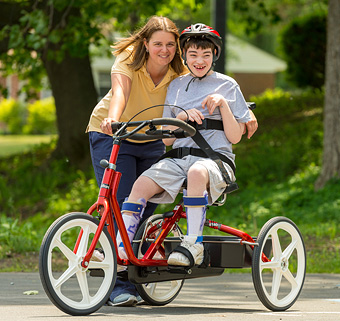
Credit: www.rifton.com
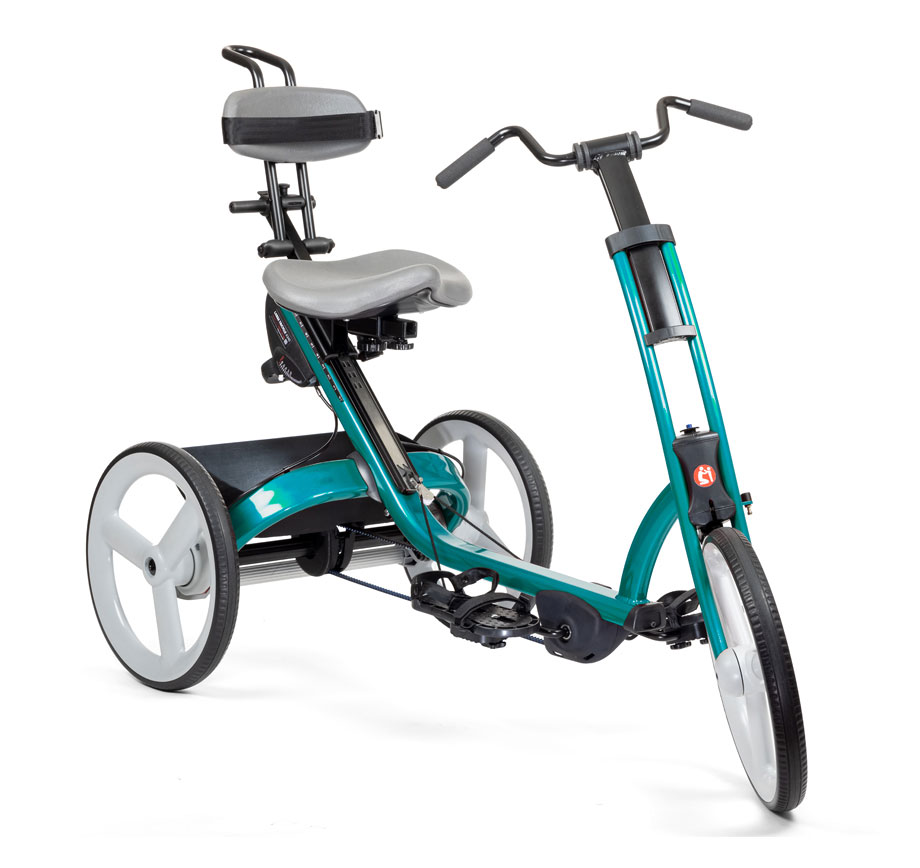
Credit: www.rifton.com
Frequently Asked Questions
What Are Adaptive Bikes?
Adaptive bikes are specially designed bicycles that accommodate various physical disabilities. They improve mobility by offering customized support and enhanced stability. These bikes enable users to enjoy cycling safely and independently, promoting physical activity and outdoor engagement.
How Do Adaptive Bikes Enhance Mobility?
Adaptive bikes improve mobility by providing tailored support and ease of use. They help users with limited movement or balance to cycle comfortably. This increases independence, boosts confidence, and encourages regular physical exercise, which benefits overall health.
Who Benefits Most From Adaptive Bikes?
Individuals with physical disabilities, balance issues, or limited mobility benefit most. Adaptive bikes cater to various needs, including amputees, stroke survivors, and people with cerebral palsy. They offer a practical way to engage in physical activity and improve quality of life.
Are Adaptive Bikes Easy To Use?
Yes, adaptive bikes are designed for ease of use. They feature ergonomic controls and stability enhancements like extra wheels or seating support. This design allows users of different abilities to ride comfortably and safely with minimal assistance.
Conclusion
Adaptive bikes offer new freedom for many people. They make moving easier and more fun. These bikes help everyone enjoy cycling, regardless of ability. They encourage healthy living and social interaction. Families and friends can ride together. Cities become more accessible for all.
Adaptive bikes also inspire independence and confidence. They show that mobility challenges can be overcome. More people can explore the world on wheels. Adaptive bikes truly enhance the joy of cycling. They bring communities closer and create lasting memories. Embrace the ride and feel the difference.



