

Are you looking for a fun and effective way to boost your heart health? Adaptive bikes might be the key you’ve been searching for.
These specially designed bikes make it easier for people of all abilities to get moving and stay active. Imagine improving your cardiovascular health while enjoying the fresh air and feeling the wind on your face. You’ll discover how adaptive bikes can transform your fitness routine, helping your heart work stronger and your body feel better.
Keep reading to find out why this simple change could make a big difference in your life.
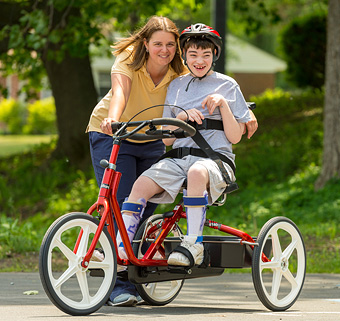
Credit: www.rifton.com
Adaptive Bikes And Heart Health
Adaptive bikes help people with different abilities exercise safely. They support heart health by encouraging regular activity.
Using adaptive bikes can improve cardiovascular fitness. This lowers the risk of heart disease and strengthens the heart muscle.
What Are Adaptive Bikes
Adaptive bikes are specially designed bicycles. They help people with physical challenges ride comfortably and safely.
These bikes provide extra support and stability. They allow users to enjoy cycling even if they have limited mobility.
Types Of Adaptive Bikes
There are different types of adaptive bikes. Each type suits different needs and abilities.
- Recumbent Bikes:Bikes with a reclined seat for back support.
- Handcycles:Bikes powered by hand pedals for arm strength.
- Tandem Bikes:Two-seat bikes for a helper and rider.
- Tricycles:Three-wheeled bikes for extra balance and stability.
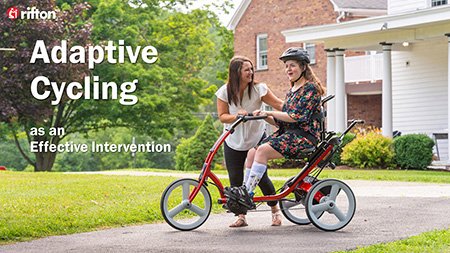
Credit: www.rifton.com
Cardiovascular Benefits Of Adaptive Biking
Adaptive bikes help people with different abilities enjoy cycling. They support heart health by making exercise easier and safer.
Regular biking improves the heart and blood flow. Adaptive bikes allow more people to get these benefits.
Improved Heart Rate And Circulation
Riding an adaptive bike raises the heart rate gently. This helps the heart pump blood better throughout the body.
Better circulation delivers more oxygen and nutrients to muscles. It also helps remove waste from the body.
- Supports healthy blood pressure
- Reduces risk of heart disease
- Improves blood vessel function
Enhanced Endurance And Stamina
Adaptive biking builds endurance by strengthening the heart and lungs. This allows people to bike for longer periods.
Improved stamina means less fatigue during daily activities. It helps maintain overall energy levels.
- Increases exercise tolerance
- Boosts energy for everyday tasks
- Supports long-term heart health
Accessibility And Inclusivity In Fitness
Fitness should be open to everyone, no matter their abilities. Adaptive bikes help people with different needs stay active.
These bikes make it easier to exercise safely. They support heart health by allowing more people to move regularly.
Overcoming Physical Limitations
Adaptive bikes are designed for people with physical challenges. They provide support and stability during exercise.
People with limited mobility can pedal and build strength. These bikes help improve heart health without causing pain.
- Adjustable seats and pedals fit different body types
- Supportive frames reduce strain and risk of injury
- Easy-to-use controls help people with limited hand strength
Encouraging Consistent Exercise
Adaptive bikes make exercise enjoyable and doable every day. Regular use strengthens the heart and lungs.
When exercise feels good, people keep doing it. This helps build a healthy habit and improve cardiovascular health.
- Comfortable design encourages longer rides
- Safe support builds confidence in physical activity
- Accessible equipment removes exercise barriers
Safe Practices For Cardiovascular Training
Adaptive bikes help people exercise safely and improve heart health. Using these bikes correctly lowers injury risks.
Following safe practices during cardiovascular training makes workouts more effective and enjoyable.
Proper Bike Fit And Adjustment
Adjusting the bike to fit your body prevents pain and injury. It also helps you exercise comfortably for longer.
Make sure the seat height and handlebar position match your body size. This keeps your posture correct while riding.
- Set seat height so your leg is slightly bent at the pedal’s lowest point
- Adjust handlebars to a comfortable reach without straining your back or shoulders
- Check that your feet rest firmly on the pedals
Monitoring Heart Rate During Exercise
Tracking your heart rate helps keep your workout safe and effective. It shows if you are working too hard or too little.
Use a heart rate monitor or fitness tracker to watch your pulse. Stay in your target heart rate zone for best results.
- Warm up slowly and check your resting heart rate
- Aim for 50-70% of your maximum heart rate during moderate exercise
- Stop or slow down if your heart rate is too high or you feel dizzy
Integrating Adaptive Biking Into Daily Routine
Adaptive biking helps improve heart health by making exercise easy and fun. It fits well into daily life for many people.
Adding adaptive biking to your day can boost your heart and overall fitness. It works well with other activities too.
Setting Realistic Fitness Goals
Start with small goals to stay motivated. Aim for short rides at first, then increase time or distance.
Track your progress and adjust goals as you improve. Realistic goals help keep your heart healthy safely.
- Begin with 10 to 15 minutes daily
- Increase ride time by 5 minutes weekly
- Set a weekly distance goal
- Note how you feel after each ride
Combining Biking With Other Activities
Use adaptive biking alongside walking or stretching. This mix improves heart health and overall fitness.
Try biking before or after other exercises. This helps build endurance and keeps your routine interesting.
- Bike for 20 minutes, then do light stretching
- Walk for 10 minutes, then bike for 15 minutes
- Alternate biking days with swimming or yoga
- Use biking as warm-up or cool-down exercise

Credit: www.jewishfamilyservice.org
Success Stories And Testimonials
Adaptive bikes help many people improve their heart health. They offer a way to exercise that suits different abilities. Many users share their positive experiences.
These stories show how adaptive bikes support better cardiovascular fitness. They also inspire others to start their own journey.
Real-life Experiences
Sarah started using an adaptive bike after a stroke. She found it easier to exercise without pain. Her heart rate improved, and she felt more energetic.
- John uses a handcycle for workouts. His blood pressure lowered after months of riding.
- Maria says cycling helped her recover from heart surgery faster.
- Tim found that adaptive biking reduced his stress and improved sleep.
Motivational Outcomes
Adaptive bikes not only improve health but also boost confidence. Many users set small goals and achieve them step by step.
| User | Motivation | Outcome |
|---|---|---|
| Linda | Improve endurance | Increased exercise time by 30 minutes |
| Mark | Lower cholesterol | Cholesterol dropped by 15 points |
| Susan | Manage weight | Lost 10 pounds in 3 months |
Frequently Asked Questions
What Are Adaptive Bikes And How Do They Work?
Adaptive bikes are specially designed bicycles that accommodate various physical abilities. They provide support and stability for users with mobility challenges. These bikes help individuals exercise safely, improving cardiovascular endurance and muscle strength while ensuring comfort and accessibility.
How Do Adaptive Bikes Improve Cardiovascular Health?
Adaptive bikes promote consistent aerobic exercise, which strengthens the heart and lungs. Regular riding increases blood circulation, lowers blood pressure, and boosts overall heart function. This helps reduce the risk of heart disease and enhances endurance for daily activities.
Who Can Benefit From Using Adaptive Bikes?
People with disabilities, seniors, or those recovering from injuries benefit greatly. Adaptive bikes enable safe, low-impact exercise tailored to individual needs. This inclusivity encourages physical activity, improving cardiovascular health and overall well-being for diverse users.
Are Adaptive Bikes Suitable For Beginners?
Yes, adaptive bikes are user-friendly and customizable for beginners. Their stability and support build confidence in new riders. Starting with adaptive bikes encourages gradual cardiovascular improvement without strain or risk of injury.
Conclusion
Adaptive bikes boost heart health. They offer an enjoyable exercise option. Riding strengthens the heart, improves circulation, and enhances endurance. These bikes suit all fitness levels. They cater to individual needs. Regular use can reduce heart disease risk. It supports weight management and lowers stress.
Plus, adaptive bikes encourage outdoor activity. Riding can be a fun social experience. Consistent cycling promotes a healthier lifestyle. Invest in your heart health today. Enjoy the ride and the benefits. Stay active and keep pedaling!



