
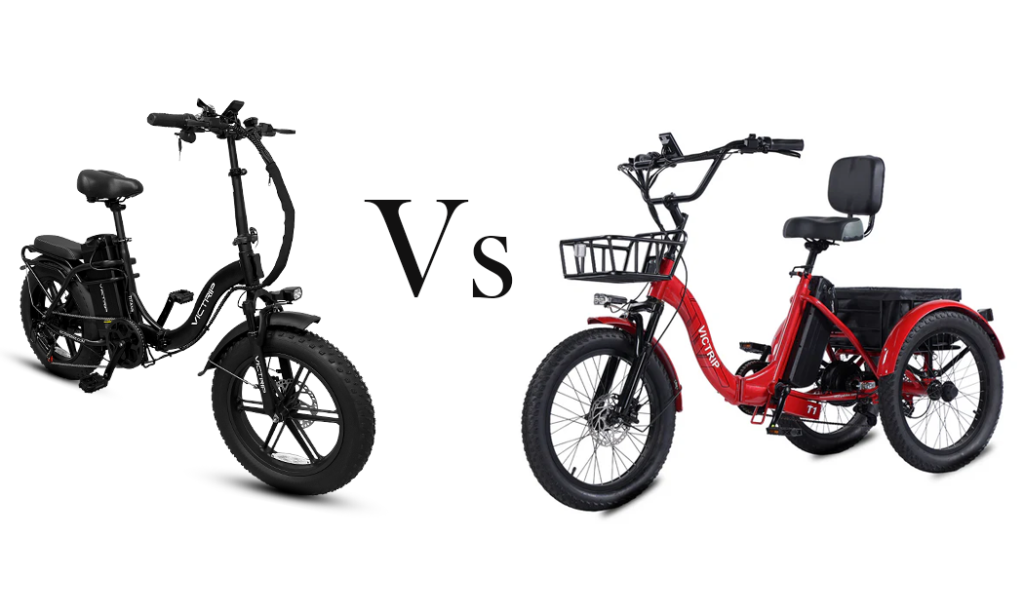
Have you ever wondered what makes adaptive bikes stand out from regular trikes? If you or someone you care about is looking for a more comfortable and supportive riding experience, understanding these differences could change everything.
Adaptive bikes are designed with your unique needs in mind, offering features that regular trikes simply don’t have. Keep reading to discover how these special bikes can make riding easier, safer, and more enjoyable for you.
Design Differences
Adaptive bikes differ from regular trikes in several design ways. These changes help riders with special needs enjoy cycling safely and comfortably.
Understanding these design differences can help you see why adaptive bikes are unique and useful for many riders.
Frame And Seating
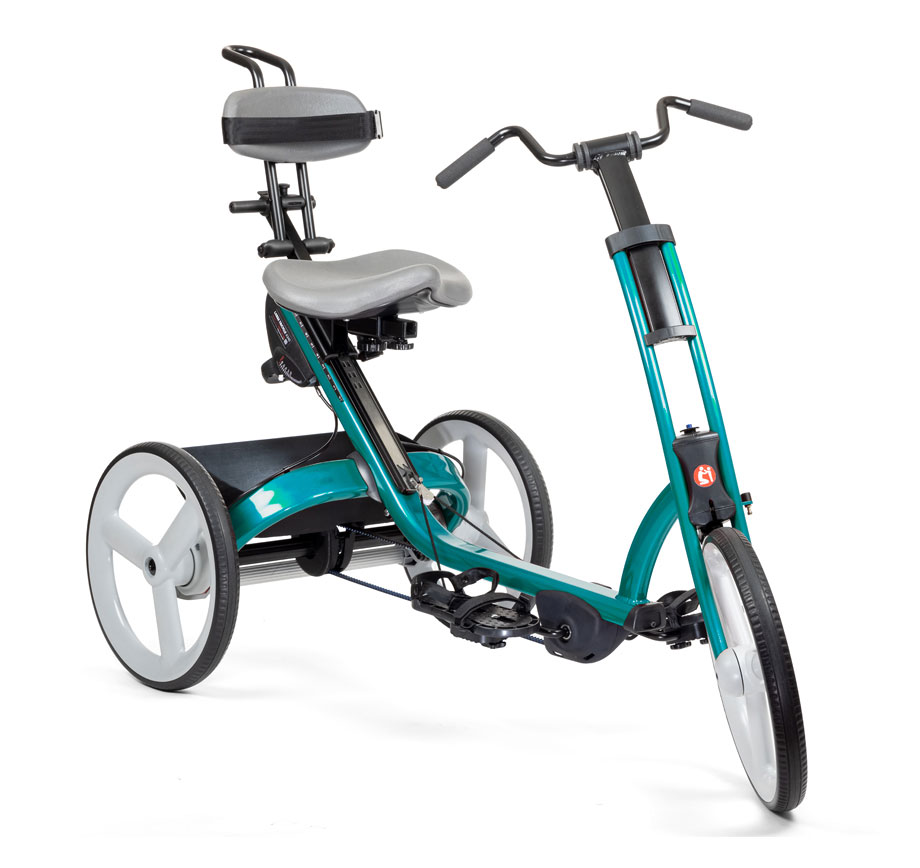
Adaptive bikes usually have a stronger frame to support extra weight and provide stability. The seating is often wider and more supportive than on regular trikes.
- Frames are made from sturdy materials like steel or aluminum.
- Seats have extra padding and adjustable parts for comfort.
- Some seats include harnesses or belts for safety.
- Lower seat height helps riders get on and off easily.
Wheel Configuration
Both adaptive bikes and regular trikes have three wheels. But adaptive bikes may place these wheels differently to increase balance and control.
| Type | Wheel Layout | Purpose |
|---|---|---|
| Regular Trike | Two wheels in back, one in front | Basic stability for casual riding |
| Adaptive Bike | Varies: some have two front wheels, one back | Improved balance for riders with mobility challenges |
Control Mechanisms
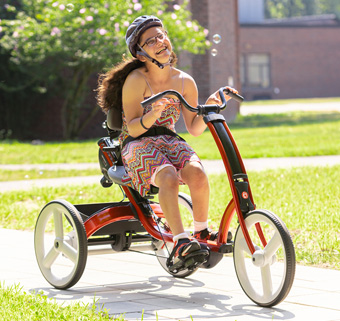
Adaptive bikes include controls made for easier use. These help riders who may have limited hand strength or coordination.
- Hand levers may be larger or placed closer together.
- Some bikes use foot pedals with hand brakes for better control.
- Steering can be adjusted to require less effort.
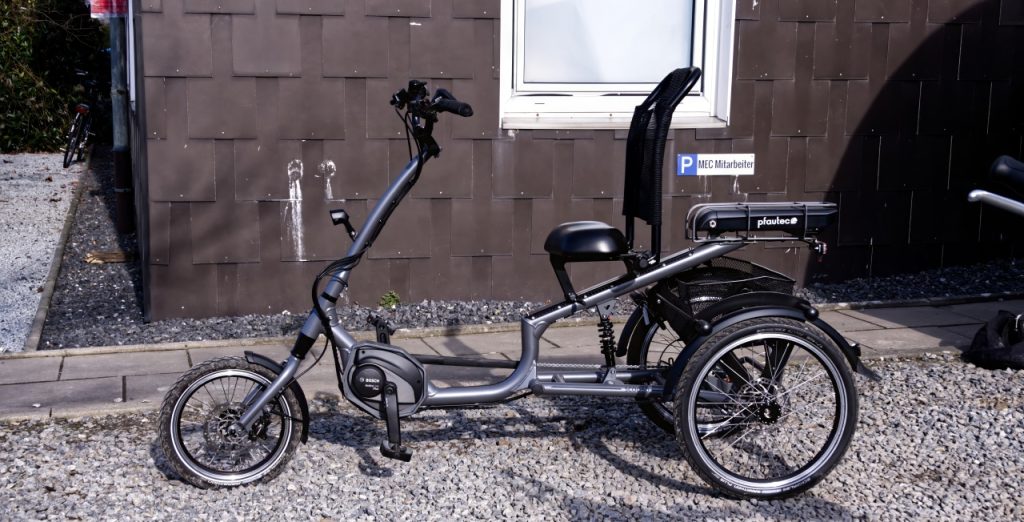
- Electric assist options may be added for extra help.
Credit: www.rifton.com
Target Users
Adaptive bikes and regular trikes serve different groups of people. Each type meets the needs of its users in unique ways. Understanding who uses each helps choose the right bike.
Adaptive bikes are made for people with disabilities. Regular trikes are for general riders who want stability and comfort.
Adaptive Bikes For Disabilities
Adaptive bikes help people with physical challenges enjoy riding. They come with special features for support and safety. These bikes make cycling possible for users with limited mobility or balance.
Users include those with spinal cord injuries, muscle weakness, or coordination issues. Adaptive bikes often have hand pedals, extra seating, or straps for stability.
- People with balance problems
- Riders with limited leg strength
- Users needing extra support
- Those with coordination difficulties
Regular Trikes For General Use
Regular trikes are for people who want a stable, easy ride. They are good for seniors, beginners, or anyone who finds two wheels hard to balance. These trikes help users enjoy cycling without worry.
Target users include casual riders and those who use bikes for short trips or exercise. Regular trikes have simple designs and focus on comfort and ease of use.
- Older adults seeking stability
- New cyclists learning balance
- People who prefer comfort
- Casual riders for exercise or errands
Mobility And Accessibility
Adaptive bikes help people with special needs move around more easily. They are made to offer better support and control.
Regular trikes work well for many riders. Adaptive bikes add features to improve mobility and accessibility for all.
Ease Of Use
Adaptive bikes have designs that make riding simpler and safer. They often include extra supports and controls.
- Lower seat height for easy mounting and dismounting
- Adjustable handlebars and pedals for comfort
- Stable frames to prevent tipping
- Hand brakes or pedal brakes for better control
- Supportive seating with harnesses or belts
Terrain Adaptability
Adaptive bikes handle different terrains better than regular trikes. They offer more options for outdoor use.
| Feature | Adaptive Bikes | Regular Trikes |
| Wheel Type | All-terrain tires | Standard tires |
| Suspension | Often included for rough paths | Rarely included |
| Frame Strength | Reinforced for stability | Basic frame |
| Ground Clearance | Higher for obstacles | Lower clearance |
Safety Features
Adaptive bikes offer safety features that differ from regular trikes. These features help riders stay secure and comfortable.
Understanding these safety elements helps you see why adaptive bikes suit people with special needs better than standard tricycles.
Stability Enhancements
Adaptive bikes include stability enhancements to prevent falls and improve balance. These features make riding safer on different surfaces.
- Wider wheelbase for better ground contact
- Lower center of gravity to reduce tipping risks
- Anti-tip bars at the rear for extra support
- Adjustable wheel positions to suit rider needs
Supportive Components
Supportive components help riders maintain proper posture and control. These parts increase safety by reducing strain and improving comfort.
| Component | Safety Benefit | Description |
|---|---|---|
| Custom Seats | Proper support | Seats molded to fit the rider’s body keep them stable while riding. |
| Harnesses and Belts | Secure positioning | Straps hold the rider in place to prevent slipping or falling. |
| Hand Grips | Better control | Ergonomic grips reduce hand fatigue and improve steering accuracy. |
| Footrests | Leg support | Footrests keep feet safely in place and reduce leg movement. |
Health And Therapy Benefits
Adaptive bikes help people with different abilities exercise safely. They offer special support and comfort.
Regular trikes do not have these features. Adaptive bikes can improve health and therapy results.
Physical Rehabilitation
Adaptive bikes support body parts that need help. They improve balance and muscle strength.
People recovering from injuries use adaptive bikes to regain movement. The design reduces strain and risk of falls.
- Helps rebuild muscle control
- Supports joints and spine
- Encourages safe, steady exercise
- Improves coordination and balance
Mental Well-being
Adaptive bikes boost mood by allowing outdoor activity. Being active can reduce stress and anxiety.
They help users feel more independent and confident. This support improves overall mental health.
- Increases feelings of freedom
- Encourages social interaction
- Reduces feelings of isolation
- Promotes relaxation and happiness
Credit: geekvibesnation.com
Customization And Adjustability
Adaptive bikes differ from regular trikes by focusing on individual needs. They offer more options to change parts and fit the rider.
This makes riding safer and more comfortable for people with different abilities and sizes.
Personalized Fit
Adaptive bikes allow many adjustments to match the rider’s body. Seat height, handlebar position, and pedal placement can all be changed.
- Adjustable seat height for proper leg reach
- Custom handlebar angles for better grip
- Pedals that move closer or farther away
- Support cushions for extra comfort
Accessory Options
Adaptive bikes come with many add-ons to help riders use the bike easier. These options are not common on regular trikes.
| Accessory | Purpose | Benefit |
|---|---|---|
| Wheelchair Mount | Attach wheelchair to bike | Makes transfer easy and safe |
| Custom Foot Straps | Secure feet on pedals | Improves pedaling control |
| Adaptive Handlebars | Change grip style | Supports limited hand movement |
| Trunk Support | Stabilize rider’s torso | Increases balance and safety |
Cost And Maintenance
Adaptive bikes and regular trikes serve different needs. Their prices and upkeep also vary. Understanding these differences helps you choose the right option.
This section covers the price differences and maintenance needs of each type.
Price Differences
Adaptive bikes cost more than regular trikes. They include special features for accessibility. These features raise the price but add value for users with mobility challenges.
| Type | Average Price Range | Reason for Cost |
|---|---|---|
| Regular Trikes | $300 – $700 | Standard parts and design |
| Adaptive Bikes | $800 – $2000+ | Custom parts, special adaptations |
Upkeep Requirements
Maintenance for adaptive bikes is often more involved than for regular trikes. Special parts need regular checks and sometimes expert help.
- Adaptive bikes require routine adjustment of adaptive features.
- Regular trikes need less frequent specialized maintenance.
- Both need tire inflation and chain lubrication.
- Adaptive bikes might require custom parts replacement.
- Service costs for adaptive bikes tend to be higher.
Popular Models And Brands
Adaptive bikes and regular trikes serve different rider needs. Adaptive bikes help people with physical challenges. Regular trikes focus on stability and comfort for all riders.
Both types come in many models and brands. Each offers unique features for different users. Knowing popular options helps you choose the right one.
Leading Adaptive Bikes
Adaptive bikes often have extra support and custom parts. They help riders with balance or strength issues. Many brands design bikes for therapy or recreation.
- Rifton Adaptive Tricycles: Known for adjustable frames and seating.
- Freedom Concepts: Offers bikes with hand pedals and footrests.
- Catrike Access: Recumbent trikes designed for stability and support.
- Hase Bikes: Builds adaptive trikes with electric assist options.
- Inspired Cycle Engineering (ICE): Customizable adaptive recumbent trikes.
These models focus on comfort and control. Many allow adjustments for different needs and ages.
Top Regular Trikes
Regular trikes offer good balance and ease of use. They suit riders of all ages who want a smooth ride. Many brands offer classic and modern designs.
- Schwinn Meridian: Popular for its upright riding position.
- Sun Dolphin Aruba: Known for lightweight aluminum frame.
- Raleigh Tristar: Offers a mix of style and comfort.
- Sixthreezero Around The Block: Features a wide seat and easy controls.
- Charge Bikes City: Electric trike with pedal assist for longer rides.
These trikes suit casual riders and commuters. They focus on user-friendly design and durability.
Credit: www.rifton.com
Frequently Asked Questions
What Makes Adaptive Bikes Different From Regular Trikes?
Adaptive bikes are designed for riders with special needs. They offer customized seating, support, and control options. Regular trikes are standard, with limited adjustability and fewer support features.
Who Benefits Most From Using Adaptive Bikes?
Adaptive bikes benefit individuals with mobility challenges, balance issues, or disabilities. They provide enhanced stability, comfort, and safety compared to regular trikes, enabling greater independence and enjoyment.
Are Adaptive Bikes More Expensive Than Regular Trikes?
Yes, adaptive bikes typically cost more due to specialized features and customization. However, their added safety and comfort justify the investment for users with specific needs.
Can Adaptive Bikes Improve Physical Therapy Outcomes?
Adaptive bikes support rehabilitation by promoting movement and muscle strength. Their tailored design helps users exercise safely, making therapy more effective than standard trikes.
Conclusion
Adaptive bikes offer unique benefits over regular trikes. They provide more flexibility for different needs. Riders can enjoy greater stability and comfort. These bikes cater to various physical abilities. They open up biking to a wider audience. Safety is enhanced with special features.
Adaptive bikes are designed with user comfort in mind. They make cycling more accessible. Perfect for those who need extra support. Riding becomes enjoyable and inclusive. Everyone can experience the joy of biking. Adaptive bikes truly make a difference. They promote a healthy, active lifestyle for all.



