

Imagine you’re cruising down the road, wind in your hair, feeling the thrill of the ride. It’s exhilarating, right?
But here’s a question for you: how safe is your helmet? Understanding helmet safety ratings can be a game-changer for you and your loved ones. Your helmet is more than just gear; it’s your shield against potential danger. In this guide, you’ll discover the secrets behind those safety ratings and why they matter.
Unravel the mysteries of helmet safety and ensure your next ride is as safe as it is exciting. Dive in and protect what truly matters—your well-being.
Importance Of Helmet Safety
Helmets protect our heads. They keep us safe from injuries. A strong helmet can save lives. Always wear a helmet when riding a bike or scooter. Helmets reduce the chance of serious head injuries. Choosing the right helmet is important. It should fit snugly. It should be comfortable too. Always check for a safety rating. This shows the helmet has been tested. A good rating means better protection. Never wear a broken helmet. Replace damaged helmets immediately. Your safety matters most.
Parents should ensure kids wear helmets. Make it a habit. Kids should understand why helmets are important. Teach them early. This helps in forming safe habits. Everyone should take helmet safety seriously. It can make a big difference. Stay safe and smart.
Credit: news.vt.edu
Types Of Helmets
Full-face helmets cover your entire head. They have a strong front shield. This shield protects your face and chin. They are best for high-speed rides. These helmets offer the most protection.
Open-face helmets do not cover the chin. They are lighter than full-face helmets. Riders can feel the wind on their face. They are popular for scooters and slow rides. They offer less protection than full-face helmets.
Modular helmets are a mix of full-face and open-face helmets. The chin bar can lift up. This makes them flexible and convenient. They are good for riders who wear glasses. They offer better protection than open-face helmets.
Off-road helmets are made for dirt biking. They have a strong visor and chin bar. They keep dust and dirt away. These helmets are lightweight. They offer good ventilation for riders.
Helmet Safety Standards
DOTstands for Department of Transportation. It sets safety rules for helmets. Helmets with DOT labels meet these rules. The label is usually on the back. DOT tests helmets for impact and penetration safety. Helmets must pass these tests to get certified. They also test the strap strength. Good helmets have strong straps. DOT-certified helmets are safe for riding.
ECEis short for Economic Commission for Europe. ECE rules are used in many countries. Helmets with ECE labels meet these rules. ECE tests helmets for safety in crashes. They check for impact protection. They also test visor safety. ECE-certified helmets are trusted worldwide.
SNELLstandards are very tough. They test helmets for high-level safety. SNELL tests are harder than DOT and ECE tests. SNELL-certified helmets offer top protection. These helmets are often used in racing. SNELL tests look at impact and chin guard safety. SNELL helmets are best for serious riders.
Factors Affecting Helmet Ratings
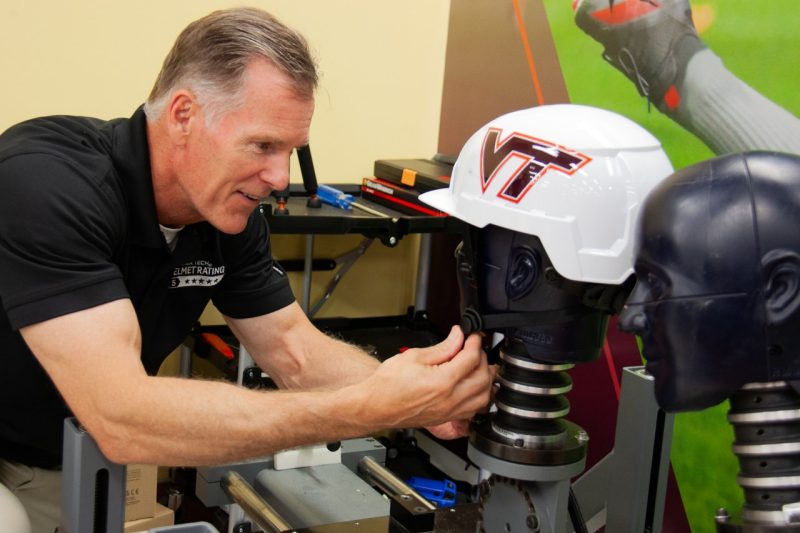
Helmets must absorb shocks. Impact resistance is key. It protects your head. Strong materials help. They spread the force. Tests measure this strength. They check how well helmets hold up. Cracks should not form. Helmets should stay whole after a fall.
Field of vision is important. You should see clearly. Helmets must not block views. Wide lenses help this. They allow more sight. Seeing well prevents accidents. Tests ensure vision is clear. Helmets should not limit your sight. Good vision keeps you safe.
Retention system keeps helmets on heads. Straps must hold tight. They stop helmets from moving. Tests check these straps. They pull and push helmets hard. Straps must not break. Strong retention means helmets stay on. This is vital for safety.
Choosing The Right Helmet
The right helmet should fit snugly. It must not be too tight or too loose. Proper fit ensures safety. A helmet should sit level on your head. The straps should form a “V” under the ears. Adjust them for a comfortable fit. A well-fitted helmet feels secure. You should feel comfortable wearing it for long. A good helmet has soft padding inside. This enhances comfort and fit. Always try the helmet before buying.
Helmets are made from strong materials. Polycarbonate and fiberglass are common. These materials are durable. They protect your head in accidents. The helmet’s outer shell is hard. It resists impacts. Inside, there is foam. This foam absorbs shock. Good construction means better safety. Check for certification labels. These ensure quality and safety. Choose a helmet with solid build quality.
Helmet weight is important. A heavy helmet can cause neck strain. Lightweight helmets are easier to wear. They feel comfortable on the head. Balance is key. A helmet should not be too light. It must still offer protection. Materials like carbon fiber are light. They also provide safety. Try wearing the helmet. See how it feels over time. Choose a balance between weight and safety.

Credit: bikerzmode.com
Maintenance And Care
Keep your helmet clean for better safety. Use a soft cloth for wiping. Mild soap and warm water are best. Avoid strong chemicals. They can harm the helmet. Dry it with a soft towel. Let it air dry completely. This stops mold from growing.
Store helmets in a cool, dry place. Avoid direct sunlight. Sun can weaken the material. Hang it or place on a flat surface. Keep away from sharp objects. These can scratch the helmet. Make sure it is away from pets and small children.
Helmets need replacing every five years. Accidents or impacts mean replace sooner. Check for cracks or damage often. If damaged, it is time for a new one. Safety is most important.
Common Myths About Helmets
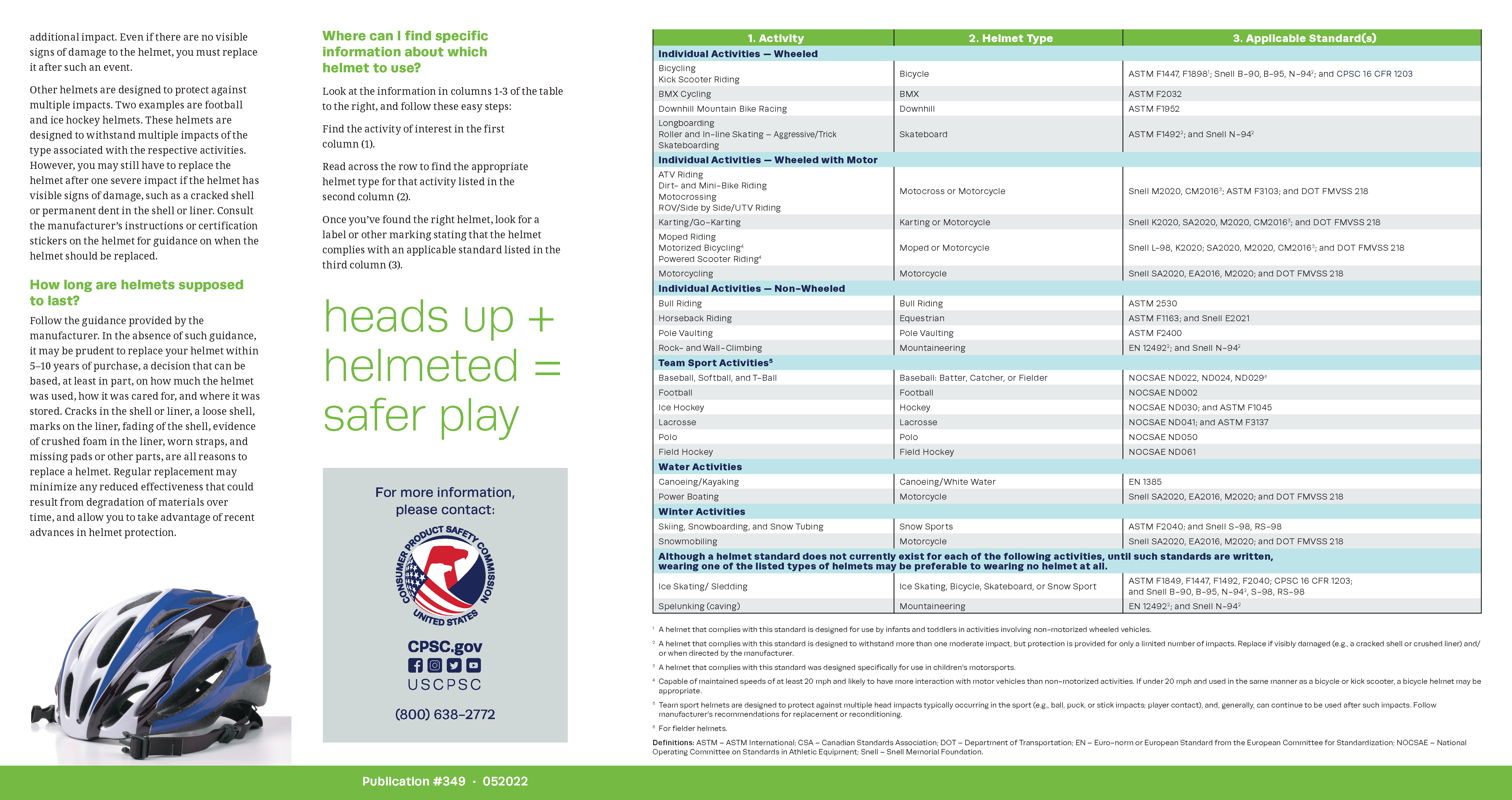
Some people think all helmets are the same. This is not true. Helmets have different safety ratings. These ratings help you know how safe a helmet is. Another myth is that expensive helmets are always better. Price does not equal safety. A cheaper helmet can be just as safe. Some believe helmets are only for professionals. This is wrong too. Everyone should wear a helmet, no matter their skill level. Some think once you buy a helmet, it’s safe forever. Helmets wear out over time. Replace them if damaged or after a hard fall. Finally, some say helmets make you feel too hot. Modern helmets have good ventilation. They keep you cool and safe at the same time.
Credit: www.cpsc.gov
Frequently Asked Questions
Is Ece Or Dot Better?
Choosing between ECE and Dot depends on your career goals. ECE offers broader opportunities in electronics. Dot specializes in software and IT roles. Research industry demand and job prospects to decide what aligns best with your interests.
What Is The Helmet Safety Rating System?
Helmet safety ratings evaluate protection levels based on impact tests. Key systems include DOT, ECE, Snell, and SHARP standards. Each assesses helmets for various safety criteria. Always check for certification labels to ensure compliance with recognized safety protocols, ensuring maximum protection while riding or engaging in activities requiring helmets.
Which Helmet Is Safer, F7 Or Speedflex?
The F7 helmet offers enhanced protection with its advanced shock-absorbing technology. SpeedFlex provides flexibility and comfort. Both helmets meet safety standards, but F7 excels in impact resistance. Choose based on specific needs and budget.
What Is The Difference Between Ece 22.05 And 22.06 Helmets?
ECE 22. 06 helmets meet stricter safety standards compared to 22. 05. They offer improved impact protection and rotational acceleration testing. Enhanced visor and chin bar tests ensure better safety. ECE 22. 06 helmets are generally heavier due to added protective features.
Conclusion
Choosing the right helmet is crucial for safety. Ratings help you decide wisely. Always look for a helmet with high safety standards. This means better protection in accidents. Ensure the helmet fits well. Comfort is just as important as safety.
A good fit prevents distractions. Regularly check your helmet’s condition. Replace it after a crash or if damaged. Safety should always be a priority. So, invest in a quality helmet. Your life depends on it. Stay safe, ride smart.



