
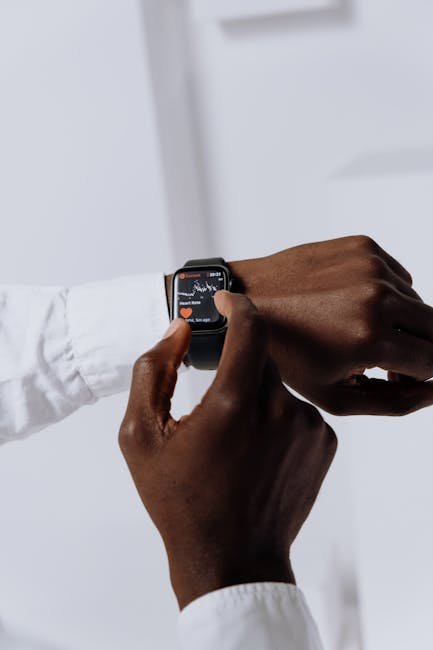
Imagine having the power to understand your body’s recovery status with just a glance at your wrist. Heart rate monitor recovery metrics offer you exactly that insight, transforming the way you perceive fitness and well-being.
These metrics aren’t just numbers; they’re your personal guide to optimizing performance and avoiding burnout. Whether you’re an athlete pushing limits or someone embracing a healthier lifestyle, knowing how your body recovers is crucial. Dive into this article to uncover how heart rate monitor recovery metrics can revolutionize your approach to training and wellness.
Your path to better health and performance starts here.
Importance Of Recovery Metrics
Recovery metrics help your body stay healthy. They show how well you rest after exercise. Proper rest is important for your heart. It helps muscles grow strong.
Heart rate monitorstrack your recovery. They measure beats per minute. This tells you if your heart is happy. A good heart rate means you are ready to exercise again.
Recovery metrics can prevent injuries. They guide you to rest longer if needed. Listening to your body is key. A tired body needs more time to heal.
Using recovery metrics is easy. You just wear a monitor. It shows numbers you can understand. This makes exercise safe and fun.
How Heart Rate Monitors Work
Heart rate monitors are devices that track heartbeats. They use sensors to detect pulse. These sensors can be on your wrist or chest. The monitor reads electrical signals from the heart. It counts how many times your heart beats per minute. This number is your heart rate. Heart rate monitors can help you understand your body’s health.
Tracking heart ratehelps in managing workouts. It tells if you’re exercising too hard or not enough. Heart rate monitors can show recovery metrics too. They help you know how well your body is resting. Understanding heart rate can improve fitness. Heart rate monitors help keep track of changes over time.
Some monitors connect with apps. This allows you to see detailed data. You can compare your heart rate during different activities. Monitoring your heart rate is important for staying healthy.
Key Metrics To Track
Heart rate monitor recovery metrics help track your body’s return to normal after exercise. Monitoring these metrics can improve fitness and prevent overtraining. Regularly check your recovery heart rate to gauge cardiovascular health and adjust workouts.
Resting Heart Rate
Resting heart rate shows how well your heart works at rest. A lower number is usually better. It can mean a strong heart and good health. Check this number regularly. It helps track progress in fitness.
Heart Rate Variability
Heart rate variability is the time between heartbeats. It shows how ready your body is for stress. High variability can mean good recovery. It suggests a balanced nervous system. Low variability may mean stress or tiredness.
Recovery Time
Recovery time is how long your body needs to heal. It measures how fast your heart returns to normal after exercise. Shorter recovery time means better fitness. It shows how well your body handles stress.
Interpreting Heart Rate Data
Heart rate data helps us understand our body’s health. It shows how our heart works during rest and activity. A normal resting heart rate is usually between 60 and 100 beats per minute. This can change with age and fitness level.
After exercise, our heart rate drops back to normal. This is called recovery rate. A fast recovery rate means good heart health. Slow recovery might need a doctor’s check-up.
Heart rate data can also show stress levels. High stress might increase heart rate. Understanding this data helps keep track of health. It guides us to make healthy lifestyle choices. Always consult a doctor for serious concerns.
Benefits Of Monitoring Recovery
Heart rate monitor recovery metrics help track physical recovery and prevent overtraining. Understanding these metrics can optimize workout routines for better performance. Monitoring recovery assists in identifying stress levels and ensuring balanced exercise plans.
Enhancing Performance
Monitoring recovery helps athletes perform better. It shows how the body heals. This helps in planning workouts. Knowing when to push or rest is key. It leads to improved performance over time. Athletes can train smarter, not harder.
Preventing Overtraining
Overtraining can cause injuries. Heart rate monitors help prevent this. They show if the body is too tired. Taking rest when needed is important. It keeps athletes safe and healthy. Avoiding overtraining means fewer injuries.
Promoting Consistency
Being consistent is important in sports. Recovery metrics help athletes stay on track. They guide daily routines and habits. Consistency leads to steady progress. It helps build discipline and focus. Staying consistent is a path to success.
Choosing The Right Device
Wearable devices come in many forms. Popular choices include watches and bands. Watches are worn on the wrist. Bands can be worn on the arm. Both track heart rate effectively. Choose what feels comfortable for you. Comfort is very important.
When choosing a device, look for these features:
- Accuracy:It should give correct heart rate readings.
- Battery Life:Longer battery means less charging.
- Water Resistance:Can it get wet? Important for swimmers.
- Connectivity:Does it connect with your phone?
- Ease of Use:Is it simple to operate?
Think about what you need most. Not all features are equal. Choose wisely for your needs.
Integrating Metrics Into Training
Heart rate monitor recovery metrics help track how well your body recovers after exercise. These metrics provide insights into cardiovascular health and training effectiveness. Monitoring recovery can guide adjustments in workout intensity and rest periods.
Customizing Workouts
Understanding your heart rate helps create better workouts. It shows when you work too hard. It also shows when you’re not working hard enough. Use this data to make workouts fit your needs. Tailor exercises to your heart’s response. This makes training more effective.
Adapting Rest Periods
Heart rate recovery tells how fast your heart calms down. After exercise, check how quickly it returns to normal. This helps plan rest times. Shorter rest for fast recovery. Longer rest if recovery is slow. Adjusting rest improves training balance. It prevents doing too much too soon.
Common Mistakes To Avoid
Understanding heart rate monitor recovery metrics is crucial for effective training. Many often overlook consistent tracking, leading to inaccurate assessments. Avoid ignoring recovery scores, as they help tailor workout intensity for optimal results.
Ignoring Data
Many people don’t look at their heart rate data. They wear monitors but skip analyzing the results. The data can show health trends and fitness levels. Without checking, you miss important insights. Heart rate data helps track recovery and stress levels. Regularly reviewing it is crucial for progress.
Misinterpreting Metrics
Heart rate metrics can be confusing. Some users misunderstand the numbers. Recovery metrics are vital for assessing fitness improvements. Misreading them can lead to wrong conclusions. It’s important to know what each metric indicates. Understanding these metrics helps in making better training decisions.
Frequently Asked Questions
What Is The Metrics For Heart Rate Recovery?
Heart rate recovery measures how quickly your heart rate returns to normal after exercise. It’s calculated by subtracting your heart rate one minute after peak exercise from your peak heart rate. A quicker recovery indicates better cardiovascular fitness. Monitoring this metric helps assess heart health and fitness levels.
What Is A Good Heart Rate Recovery Score?
A good heart rate recovery score is a drop of 15-25 beats per minute after exercise. This indicates efficient cardiovascular fitness and overall heart health. Tracking your heart rate recovery can help monitor fitness progress and potential health issues.
How To Compute For Recovery Heart Rate?
To compute recovery heart rate, measure your heart rate immediately after exercise, then again after 1-2 minutes of rest. Subtract the second reading from the first. A higher difference indicates better cardiovascular fitness.
What’s A Good Heart Rate Recovery Apple Watch?
A good heart rate recovery on an Apple Watch is a drop of 12 beats per minute after exercise. This indicates effective cardiovascular fitness. Aim for a recovery rate between 12-20 beats within the first minute after stopping physical activity for optimal heart health.
Conclusion
Heart rate recovery metrics help track your fitness progress. Understanding recovery rates can improve your workout routine. Quick recovery often indicates good cardiovascular health. Regular monitoring keeps you informed of your body’s needs. Adjust your exercise plan based on recovery data.
This ensures balanced effort and rest. A heart rate monitor provides accurate readings. It’s essential for anyone serious about fitness. Listen to your body and adapt accordingly. Stay consistent with your tracking. This leads to better health and performance. Remember, recovery is as important as the workout itself.
Keep striving for improvement.



