
Wondering if your dirt bike needs insurance? The answer depends on where you ride—public roads, private land, or off-road trails. This guide breaks down legal requirements, coverage options, and smart tips to keep you protected without overpaying.
Key Takeaways
- Insurance is often required on public roads: Most states mandate liability coverage if you ride your dirt bike on streets or highways.
- Off-road use may not require insurance: If you only ride on private property or designated trails, insurance might not be legally required—but it’s still wise.
- Liability coverage protects others: It pays for injuries or damage you cause to someone else, which can save you from huge out-of-pocket costs.
- Comprehensive and collision coverage protect your bike: These cover theft, vandalism, and crashes—even off-road.
- Uninsured motorist coverage adds extra safety: It helps if you’re hit by someone without insurance, even on a dirt bike.
- Shop around for specialty insurers: Not all companies offer dirt bike policies—look for providers experienced with off-road vehicles.
- Document your rides: Using tools like a bike camera for insurance can help prove fault and speed up claims.
Does a Dirt Bike Need Insurance? A Complete How-To Guide
If you’re a dirt bike enthusiast, you know the thrill of flying down a trail, kicking up dirt, and feeling the engine roar beneath you. But before you hit the throttle, there’s an important question every rider should ask: Does my dirt bike need insurance?
The short answer? It depends. Unlike street motorcycles, dirt bikes are often used off-road, which changes the insurance landscape. But skipping coverage could leave you exposed to serious financial risk—even if you never ride on public roads.
In this guide, we’ll walk you through everything you need to know about dirt bike insurance: when it’s required, what types of coverage are available, how to choose the right policy, and smart ways to stay protected without breaking the bank.
Step 1: Understand Where You Ride
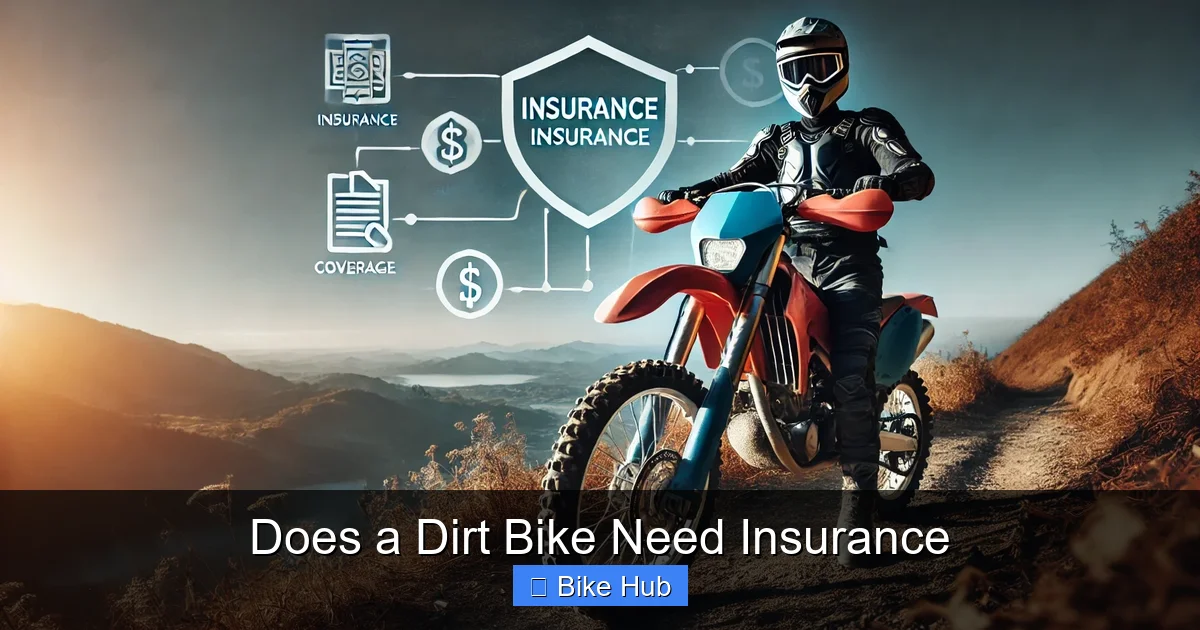
Visual guide about Does a Dirt Bike Need Insurance
Image source: freedomdebt.us
The first step in determining whether you need insurance is understanding where you ride your dirt bike.
Public Roads and Highways
If you ride your dirt bike on public streets—even just to get to a trailhead—you’re likely required by law to carry insurance. Most states treat dirt bikes like any other motor vehicle when used on public roads. That means you’ll need at least liability coverage, which pays for injuries or property damage you cause to others.
For example, if you accidentally swerve into a car while crossing a street, liability insurance covers the other driver’s medical bills and car repairs—not yours. Without it, you could be sued for thousands.
Private Property
Riding on private land—like your backyard, a friend’s farm, or a closed course—usually doesn’t require insurance. However, this doesn’t mean you’re off the hook. If someone gets hurt on your property while riding your bike, you could still be held liable. Homeowners or renters insurance may offer some protection, but it’s often limited.
Designated Off-Road Trails and Parks
Many public off-road parks and trails don’t require insurance, but some do—especially if they’re state-run or require permits. Always check the rules before you ride. Even if insurance isn’t mandatory, accidents can still happen. A broken collarbone or a totaled bike can cost thousands.
> Pro Tip: Even if insurance isn’t required, consider it a smart investment. A single hospital visit can cost more than years of premiums.
Step 2: Know the Types of Dirt Bike Insurance
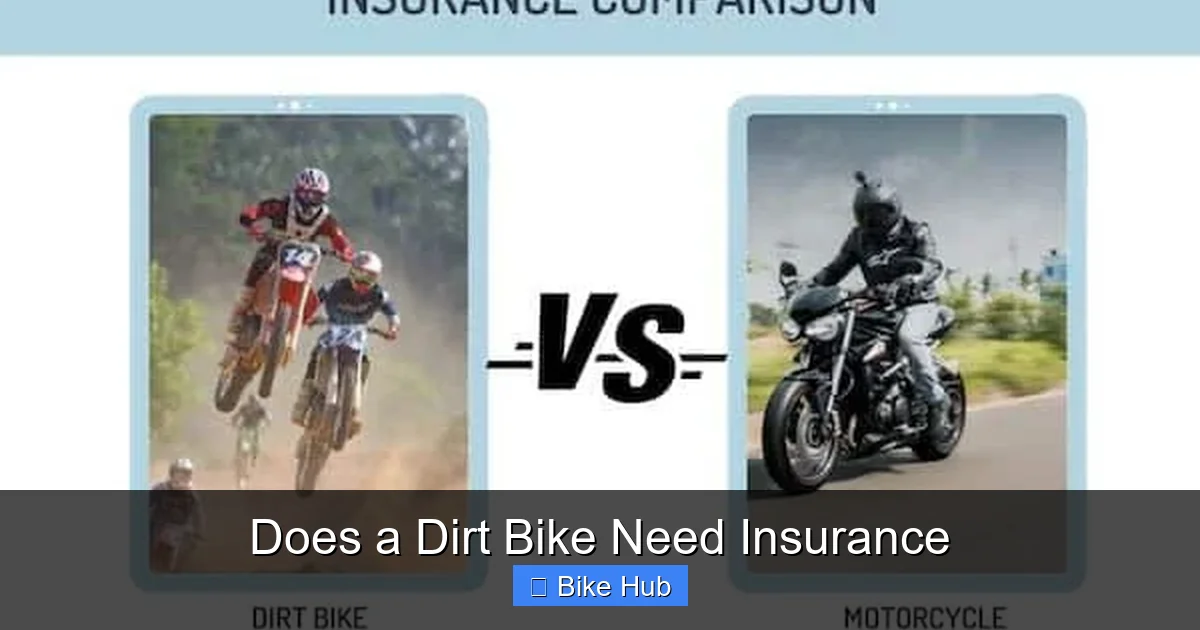
Visual guide about Does a Dirt Bike Need Insurance
Image source: motorcycleridecoverage.com
Not all dirt bike insurance is the same. Here are the main types of coverage to consider:
Liability Coverage
This is the most basic and often required type of insurance. It covers:
– Bodily injury to others
– Property damage to others
– Legal fees if you’re sued
It does not cover your own injuries or bike damage. But it’s essential if you ride on public roads or in areas where others could be affected.
Collision Coverage
This pays to repair or replace your dirt bike if it’s damaged in a crash—regardless of who’s at fault. Whether you hit a tree, flip over a jump, or collide with another rider, collision coverage has your back.
Comprehensive Coverage
This protects against non-collision events like:
– Theft
– Vandalism
– Fire
– Falling objects (like a tree branch)
– Weather damage
If you store your bike in a garage or shed, comprehensive coverage can be a lifesaver.
Uninsured/Underinsured Motorist Coverage
This kicks in if you’re involved in an accident with someone who doesn’t have insurance—or doesn’t have enough. It can cover your medical bills and bike repairs, even if the other party can’t pay.
Medical Payments (MedPay) or Personal Injury Protection (PIP)
These cover your medical expenses after an accident, regardless of fault. MedPay is usually cheaper and covers basics like hospital visits. PIP is more comprehensive and may include lost wages and rehabilitation.
Step 3: Check Your State’s Requirements
Insurance laws vary by state. Here’s a quick breakdown:
– States requiring insurance on public roads: California, Texas, Florida, New York, and most others mandate liability coverage if you operate any motorized vehicle on public streets—including dirt bikes.
– States with no requirement for off-road use: Many states don’t require insurance if you only ride off-road, but again, that doesn’t mean you shouldn’t have it.
– Helmet and registration laws: Some states also require dirt bikes to be registered and riders to wear helmets—even off-road. Check your local DMV or motor vehicle department.
> Example: In California, you must have liability insurance to ride a dirt bike on public land or roads. In Texas, off-road use doesn’t require insurance—but if you cross a public road, you’re subject to road laws.
Step 4: Choose the Right Insurance Provider
Not all insurance companies offer dirt bike policies. Many standard auto insurers don’t cover off-road vehicles. Instead, look for specialty providers that understand dirt bikes, ATVs, and UTVs.
What to Look For:
– Experience with off-road vehicles
– Flexible usage options (trail riding, racing, commuting)
– Agreed value coverage (pays the bike’s full value, not depreciated)
– Low deductibles
– 24/7 claims support
Some top providers include Progressive, Geico, Dairyland, and Foremost. Get quotes from at least three companies to compare.
How Much Does It Cost?
Dirt bike insurance typically ranges from $100 to $400 per year, depending on:
– Your age and riding experience
– The bike’s value and engine size
– Where you live and ride
– Your coverage limits
A $3,000 dirt bike with basic liability might cost $150/year. Adding comprehensive and collision could bring it to $300/year.
Step 5: Protect Your Bike Beyond Insurance
Insurance is important, but it’s not the only way to stay safe.
Use a Bike Camera
Installing a bike camera can provide crucial evidence in case of an accident. If someone claims you were at fault, video proof can clear your name and speed up your claim. It’s especially useful on shared trails or during races.
Lock and Store Securely
Even with comprehensive coverage, preventing theft is smarter than replacing your bike. Use a heavy-duty lock, store your bike indoors, and consider a GPS tracker. For tips, check out our guide on how to carry a bike lock while riding.
Maintain Your Bike
A well-maintained bike is less likely to fail and cause an accident. Regularly check your tires, brakes, and chain. For help, see our article on how to maintain a road bike—many tips apply to dirt bikes too.
Troubleshooting Common Issues
“My insurer won’t cover my dirt bike.”
Some companies don’t offer off-road policies. Try specialty insurers or look into motorcycle insurance providers that allow off-road use.
“I only ride on private land—do I really need insurance?”
Legally, maybe not. But if someone gets hurt or your bike is stolen, you could face big bills. At minimum, consider liability and comprehensive coverage.
“My homeowners insurance covers my bike.”
It might—but usually only up to a limit (e.g., $1,000). If your bike is worth more, you’re underinsured. A standalone policy gives better protection.
Conclusion
So, does a dirt bike need insurance? The answer isn’t always black and white—but the risks are. While you may not need coverage for every ride, having the right policy can protect you from financial disaster, legal trouble, and heartache.
Whether you’re tearing up trails, commuting on backroads, or just enjoying weekend rides, take the time to evaluate your needs. Get quotes, compare coverage, and don’t skip protection just because it’s not required.
Your dirt bike is more than a machine—it’s freedom, fun, and adventure. Make sure it’s protected.



