
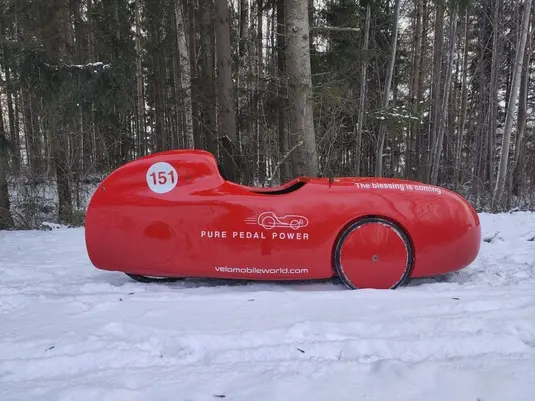
Have you ever wondered if a velomobile can handle snowy conditions? If you’re thinking about using one year-round, this question is probably on your mind.
Snow can change everything about how you ride—traction, safety, and comfort all come into play. You’ll discover how velomobiles perform in snow, what challenges you might face, and tips to keep you moving even when the roads are white. Keep reading to find out if your velomobile can become your winter ride.

Credit: www.velomobileworld.com
Velomobiles And Snow Conditions
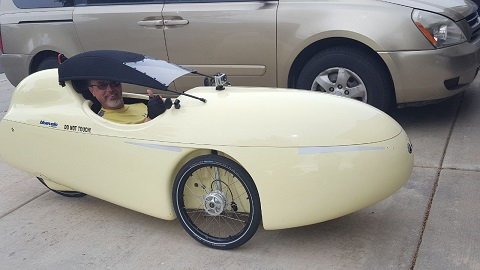
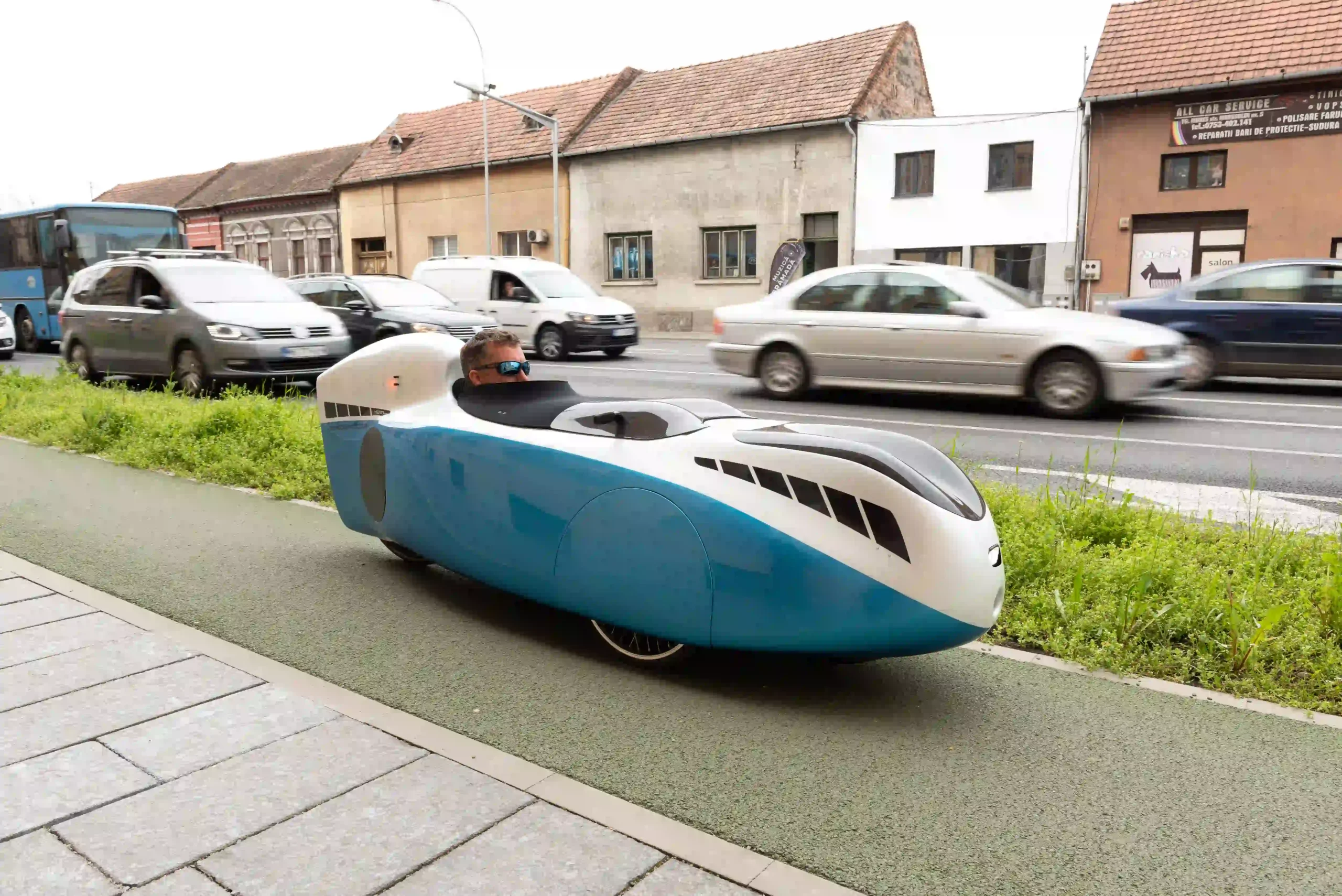
Velomobiles are human-powered vehicles with a shell that covers the rider. They work well in many weather types. Snow creates special challenges for these vehicles.
Riding a velomobile in snow needs care and planning. Snow changes how the vehicle moves and how safe the ride is.
How Snow Affects Performance
Snow makes the road slippery, which changes how velomobiles handle. The tires may lose grip more easily. This slows down the ride and needs more effort to pedal.
Cold temperatures can also affect the materials and mechanics of the velomobile. Lubricants may thicken, and batteries for electric assist might drain faster.
- Reduced tire traction on snowy or icy surfaces
- Slower speeds due to increased resistance
- Possible stiffness in moving parts from cold
- Electric assist batteries lose charge quicker
Challenges Of Winter Riding
Winter riding with a velomobile means facing cold, snow, and ice. Visibility can be lower, and roads may be less safe. Riders must wear warm clothes and use lights.
Clearing snow from paths and dealing with salt or sand on roads can also affect the velomobile’s condition. Tires may need to be changed to better suit winter roads.
- Keep warm with proper clothing and gear
- Use lights to improve visibility
- Check tires for better snow traction
- Watch for slippery spots and ice patches
- Clean salt and sand to protect the vehicle
Credit: www.bikeforums.net
Design Features For Snow
Velomobiles have special design features to help them work in snow. These features improve safety and performance.
Snow creates unique challenges like slippery roads and cold air. Velomobiles must handle these well.
Traction And Tires
Traction is key for moving safely on snow. Velomobiles use tires made for slippery surfaces.
Studded tires or tires with deep tread patterns help grip the snow better. They reduce slipping.
- Wide tires spread weight to avoid sinking
- Soft rubber stays flexible in cold weather
- Studs dig into ice for extra grip
Aerodynamics In Cold Weather
Cold air is denser, which can slow down the velomobile. Good aerodynamics help reduce drag.
Velomobile shapes are smooth and enclosed to cut through cold air easily. This saves energy.
- Enclosed body protects from wind chill
- Sleek shapes reduce air resistance
- Small openings limit cold air entry
Modifications For Winter Use
Using a velomobile in snowy conditions needs some changes. These changes help keep you safe and comfortable. Two main areas to focus on are tires and insulation.
Adjusting these parts makes riding easier and protects you from cold weather problems.
Tire Choices And Chains
Snow and ice reduce tire grip. Using the right tires and chains helps improve traction. Studded tires are a common choice for icy roads. Chains add extra grip but need careful fitting.
- Use studded tires for icy surfaces
- Choose wider tires to increase contact area
- Install tire chains for deep snow
- Check tire pressure regularly for best performance
- Keep spare chains and tools during winter rides
Insulation And Weatherproofing
Cold air and moisture can make riding unpleasant. Adding insulation keeps the inside warm. Weatherproofing stops water and snow from entering the velomobile.
| Modification | Purpose |
| Foam padding inside shell | Retains heat and blocks cold air |
| Sealing gaps and edges | Prevents water and snow leaks |
| Installing wind deflectors | Reduces cold wind impact |
| Using waterproof covers | Keeps moisture out |
Riding Techniques On Snow
Riding a velomobile in snow needs careful attention. Snow and ice change how your vehicle handles. You must adjust your riding style to stay safe.
This guide covers ways to handle slippery surfaces and tips for braking and steering. These techniques help keep control on snowy roads.
Handling Slippery Surfaces
Slippery roads need slow and steady riding. Sudden moves can cause loss of control. Keep your speed low and steady to avoid slipping.
- Use smooth pedal strokes to prevent wheel spin.
- Keep your body relaxed to absorb shocks.
- Avoid sharp turns and quick direction changes.
- Look ahead to spot icy patches early.
- Stay seated to keep weight balanced on the wheels.
Braking And Steering Tips
Braking on snow requires gentle pressure. Hard braking can cause skids. Steering should be smooth and gradual to keep traction.
| Action | Do | Don’t |
| Braking | Brake gently and early | Brake hard or suddenly |
| Steering | Make smooth, slow turns | Make sharp or fast turns |
| Speed | Keep low and steady speed | Speed up quickly |
Safety Considerations
Riding velomobiles in snow needs extra care. Snow and ice make roads slippery and hard to control.
Safety is very important to avoid accidents and injuries. You must prepare well before riding in snowy conditions.
Visibility Enhancements
Snow reduces visibility for all drivers. Velomobile riders must make themselves easy to see.
Use bright lights and reflective materials to improve your visibility during snowy rides.
- Install strong front and rear lights
- Attach reflective tape on all sides
- Wear bright or fluorescent clothing
- Use blinking lights for extra attention
- Keep lights clean from snow and dirt
Protective Gear Recommendations
Protective gear reduces the risk of injury in slippery conditions. Dress for warmth and safety.
Wear gear that protects your head, hands, and body from cold and falls.
- Helmet with good insulation and fit
- Gloves with grip and warmth
- Knee and elbow pads for extra protection
- Warm layers that allow movement
- Waterproof and windproof outerwear
Maintenance After Snow Rides
Riding a velomobile in snow can be fun but needs extra care. Snow and salt can harm parts if not cleaned soon.
Proper maintenance keeps your velomobile safe and working well after winter rides.
Cleaning And Lubrication
After snow rides, wash off all salt and dirt. Salt can cause rust and damage parts over time.
Use warm water and mild soap to clean the frame and wheels. Avoid high-pressure water on sensitive parts.
- Dry the velomobile fully to stop rust.
- Lubricate the chain, gears, and moving parts after cleaning.
- Use a wet-weather lubricant for better protection.
Storage Tips For Winter
Store your velomobile in a dry place to avoid moisture damage. Cold and wet conditions can weaken parts.
Keep it off the ground using a stand or hang it if possible. Cover it with a breathable cloth to stop dust.
- Check tire pressure before storage and inflate if needed.
- Remove batteries or charge them to keep them healthy.
- Inspect for damage and fix small problems early.
Expert Experiences
Velomobiles are enclosed bikes that offer protection from wind and rain. Many wonder if they work well in snowy conditions. Experts who ride velomobiles in winter share their experiences.
Snow adds challenges like slippery roads and cold temperatures. Riders must adapt their techniques and equipment to stay safe and comfortable.
Real-life Winter Riding Stories
One rider in Norway uses studded tires on his velomobile. He says the added grip helps him navigate icy streets with confidence. The shell protects him from snow and cold wind.
An experienced rider in Canada notes that low speeds work best on snow. He avoids sharp turns and brakes gently to prevent slipping. His velomobile’s enclosed design keeps snow off his clothes.
- Studded tires improve traction on ice and snow.
- Slow and steady riding reduces accident risk.
- Enclosed body keeps rider warm and dry.
Lessons Learned From Pros
Professional velomobile riders stress tire choice is key. Studded or winter tires help maintain control on slippery roads. They also advise checking tire pressure regularly.
Experts recommend wearing layered clothing inside the velomobile. This keeps the body warm while allowing ventilation. They also suggest riding in daylight to see hazards clearly.
- Use studded or winter tires for better grip.
- Keep tire pressure at proper levels for snow.
- Dress in layers for warmth and comfort.
- Ride during daylight for best visibility.
- Practice gentle braking and smooth turns.
Credit: www.velomobileworld.com
Frequently Asked Questions
Can Velomobiles Handle Snowy Road Conditions Safely?
Velomobiles can handle light snow if equipped with winter tires. Deep snow and icy roads reduce traction and stability. Riders should adjust speed and use caution. Proper preparation improves safety but extreme snow limits velomobile use.
What Modifications Improve Velomobile Performance In Snow?
Installing studded or winter tires greatly enhances grip on snow and ice. Adding fenders prevents snow buildup on wheels. Using waterproof covers protects the velomobile’s body and components. These upgrades ensure better control and rider comfort in snowy conditions.
Are Velomobiles Better Than Bikes In Snow?
Velomobiles offer better protection from wind and cold than traditional bikes. Their enclosed design helps maintain warmth and shields from snow. However, bikes are lighter and more maneuverable on slippery surfaces. Choice depends on snow depth and rider preference.
How Does Snow Affect Velomobile Battery Life?
Cold temperatures reduce battery efficiency and capacity. Snow and moisture can also impact electrical components if not sealed properly. Riders should keep batteries warm and dry. Use insulated storage and avoid prolonged exposure to extreme cold for optimal performance.
Conclusion
Velomobiles can handle snow, but with some caution. Tires matter a lot. Choose ones with good grip. Consider adding snow chains for extra safety. Keep your speed in check. Slippery roads demand slow and steady riding. Dress warmly to stay comfortable.
Layers help against cold weather. Visibility can be poor in snow, so wear bright clothing. Ensure your lights work well for safety. Velomobiles offer fun and eco-friendly travel, even in winter. But safety always comes first. Test your velomobile before heavy snowfall.
Enjoy your snowy adventures with care.



