
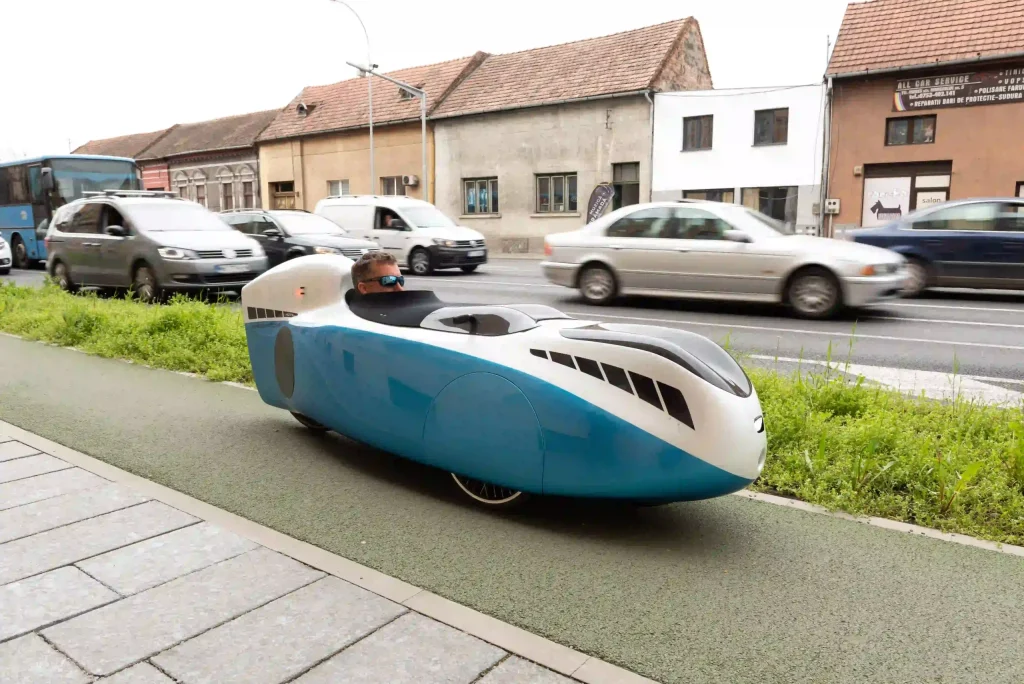
If you own a velomobile or are thinking about getting one, you might wonder: do velomobiles need regular maintenance? The answer is yes—and it’s more important than you might think.
Taking care of your velomobile not only keeps it running smoothly but also protects your investment and ensures your rides stay safe and enjoyable. You’ll discover exactly what maintenance your velomobile needs, how often to do it, and simple tips to keep it in top shape.
Keep reading to find out how a little care can make a big difference in your riding experience.
Why Maintenance Matters
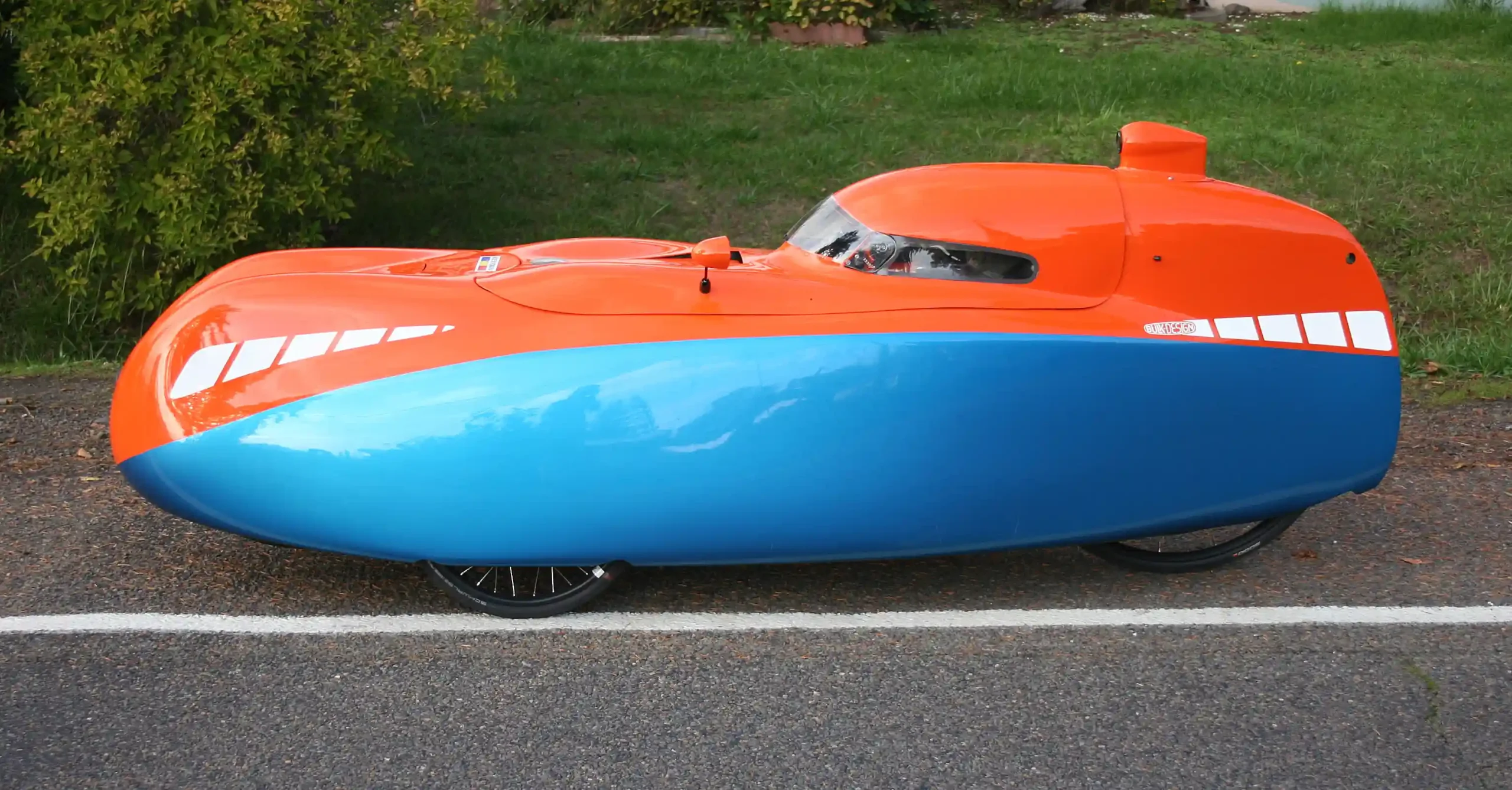
Velomobiles are special bikes with shells that protect riders. They need care to work well. Regular maintenance keeps them safe and fast.
Checking parts often helps spot problems early. This saves money and avoids accidents. Good care makes riding more fun and reliable.
Safety Considerations
Maintenance helps keep velomobiles safe. Brakes, tires, and lights need checking. Loose parts can cause crashes. Regular checks stop this.
- Test brakes for quick stops
- Check tire pressure and tread
- Ensure lights work for night rides
- Tighten bolts and fasteners
- Inspect steering for smooth control
Performance Benefits
Well-maintained velomobiles run better. Clean chains and gears shift smoothly. Proper tire pressure lowers effort. This helps riders go farther.
| Maintenance Task | Benefit |
| Lubricate chain | Smoother pedaling |
| Adjust gears | Better speed control |
| Inflate tires | Less rolling resistance |
| Clean shell | Reduced drag |
Extending Lifespan
Regular care helps velomobiles last longer. Parts that are clean and tight wear less. Ignoring small issues can cause big damage.
Follow these tips to keep your velomobile strong:
- Clean and dry after rides
- Store indoors away from sun
- Replace worn parts quickly
- Schedule professional checkups yearly
Credit: www.velomobileworld.com
Key Areas To Inspect
Regular maintenance keeps your velomobile safe and efficient. Checking key parts helps avoid breakdowns.
Focus on tires, brakes, chain, and the frame. These areas wear out or get damaged over time.
Tires And Wheels
Inspect tires for cuts, cracks, or worn tread. Check air pressure often to keep a smooth ride.
- Look for uneven wear on tires
- Spin wheels to hear for rubbing or noise
- Check if spokes are tight and not broken
- Ensure rims are not bent or damaged
Brakes And Cables
Brakes must stop your velomobile quickly and smoothly. Cables control brake action and need care.
| Component | Inspection Point |
| Brake Pads | Check for wear and replace if thin |
| Cables | Look for fraying or rust |
| Brake Levers | Test for smooth movement |
| Brake Rotors | Ensure no warping or damage |
Chain And Drivetrain
Clean and lubricate your chain regularly. Check the drivetrain for smooth shifting and no skips.
- Check chain for rust and stretch
- Clean dirt from chainrings and cogs
- Lubricate chain after cleaning
- Inspect derailleur for alignment and damage
Body And Frame
Look over the velomobile body and frame for cracks or dents. Small damage can get worse fast.
Use this checklist to inspect the frame and body:
- Check all welds for cracks
- Look for scratches that go deep
- Test the hatch and seals for tight fit
- Examine suspension parts if fitted
Routine Maintenance Tasks
Velomobiles need regular care to keep running smoothly and safely. Routine maintenance helps prevent big problems.
Simple tasks done often can extend the life of your velomobile. These tasks focus on cleaning, lubrication, and adjustments.
Cleaning Techniques
Keep your velomobile clean to avoid dirt buildup. Dirt can cause parts to wear out faster.
Use mild soap and water with a soft cloth or sponge. Avoid harsh chemicals that may damage the paint or plastics.
- Rinse with clean water before washing
- Wipe gently to remove mud and dust
- Dry with a soft towel to prevent water spots
- Clean the chain and gears carefully
Lubrication Tips
Lubricate moving parts to reduce friction and wear. Proper lubrication keeps your velomobile running quietly.
Use bike-specific lubricants for the chain, gears, and bearings. Avoid over-lubricating as it attracts dirt.
- Apply lubricant to the chain links
- Wipe off excess lubricant after application
- Lubricate gear pivots and brake cables
- Check bearings and apply grease if needed
Adjusting Components
Adjust parts to keep your velomobile comfortable and safe. Loose or tight components can cause issues.
Check brakes, gears, and steering regularly. Tighten bolts and nuts as needed for secure fitting.
- Adjust brake pads to touch the rim evenly
- Set gear cables for smooth shifting
- Check steering for smooth movement
- Tighten any loose screws or bolts
Credit: gearjunkie.com
Seasonal Maintenance Tips
Velomobiles need care throughout the year to stay in good shape. Seasonal maintenance helps protect parts and improve performance.
Different seasons bring different challenges. Follow simple tips to keep your velomobile ready for winter and summer.
Winter Preparation
Cold weather can harm your velomobile if you do not prepare it. Check the tires for good grip on slippery roads.
- Use wider tires with better tread for snow or ice.
- Lubricate the chain with winter-grade oil to prevent rust.
- Keep the battery charged to avoid power loss in cold.
- Store the velomobile indoors or cover it with a waterproof sheet.
- Check brakes often, as cold can reduce their effectiveness.
Summer Care
Summer heat can dry out parts and cause damage. Regular checks keep your velomobile safe and smooth.
| Task | Frequency | Notes |
| Check tire pressure | Weekly | Heat can cause pressure changes |
| Clean and lubricate chain | Every 2 weeks | Dust and sweat increase wear |
| Inspect cooling vents | Monthly | Clear any blockages for airflow |
| Wash velomobile | After rides | Remove dirt and sweat |
Troubleshooting Common Issues
Velomobiles need regular maintenance to keep them working well. Some common problems can be fixed at home with simple steps.
Knowing how to spot and fix issues early helps avoid bigger troubles. Let’s look at some common problems and what to do.
Unusual Noises
Strange sounds from your velomobile can mean loose parts or worn-out components. Check the chain, brakes, and wheels for problems.
Listen for clicking, grinding, or squeaking noises. These often signal the need for cleaning or tightening parts.
- Clean and lubricate the chain regularly
- Tighten loose bolts and screws
- Inspect brake pads and replace if worn
- Check wheel bearings for damage
Handling Problems
If your velomobile feels hard to steer or unstable, check the tires and suspension. Incorrect tire pressure can cause poor handling.
Look for bent or damaged parts that affect control. Adjust or replace parts to improve handling and safety.
- Keep tires inflated to the right pressure
- Inspect suspension parts for wear
- Align wheels properly
- Replace damaged steering components
Electrical System Checks
Many velomobiles have electrical parts like lights and motors. Check batteries and wiring often to avoid failures.
Look for loose connections, corrosion, or damaged wires. Clean contacts and replace broken parts to keep the system working.
- Test battery charge regularly
- Check all lights before riding
- Inspect wiring for cracks or breaks
- Clean electrical contacts to prevent corrosion

Credit: www.reddit.com
When To Seek Professional Help
Velomobiles need regular care to run smoothly. Some issues need a pro’s help to fix.
Knowing when to see a professional keeps your velomobile safe and in good shape.
Major Repairs
Major repairs include frame damage or broken parts. These repairs need special tools.
Try not to fix major problems yourself. A pro can check and repair them safely.
- Cracked or bent frame
- Damaged wheels or axles
- Broken suspension parts
- Electrical system failures
Specialized Adjustments
Specialized adjustments need skill and experience. These include tuning brakes or gears.
Professionals know how to fine-tune parts for smooth riding and safety.
- Brake system tuning
- Gear shifting adjustments
- Alignment of steering components
- Electrical wiring and battery checks
Frequently Asked Questions
Do Velomobiles Require Frequent Maintenance?
Yes, velomobiles need regular maintenance to ensure safety and optimal performance. Routine checks include brakes, tires, and drivetrain.
How Often Should I Service My Velomobile?
It is best to service your velomobile every 3 to 6 months. Frequent use or harsh conditions may require more frequent maintenance.
What Are Common Maintenance Tasks For Velomobiles?
Common tasks include checking tire pressure, lubricating chains, inspecting brakes, and cleaning the body. Regular upkeep prevents costly repairs.
Can I Perform Velomobile Maintenance Myself?
Basic maintenance like tire checks and chain lubrication can be done by owners. Complex repairs should be handled by professionals for safety.
Conclusion
Regular maintenance keeps your velomobile running smoothly. It extends its lifespan. A well-maintained velomobile ensures a safe and enjoyable ride. Simple checks can prevent costly repairs. Pay attention to brakes, tires, and chains. Cleaning and lubricating parts is essential. Routine inspection helps spot potential issues early.
Keep your velomobile in top condition. Stay proactive with care. Your velomobile deserves attention like any other vehicle. Enjoy the ride with peace of mind. Regular upkeep is key. Save time and money in the long run. Keep pedaling with confidence and ease.



