

Are you thinking about getting a velomobile but aren’t sure if you need to register it? You’re not alone.
Many people wonder whether these sleek, pedal-powered vehicles require the same paperwork as cars or motorcycles. Understanding the rules around velomobile registration can save you time, money, and hassle. You’ll discover exactly when and why registration might be necessary, so you can ride confidently and legally.
Keep reading to get the clear answers you need before hitting the road with your velomobile.
Velomobile Basics
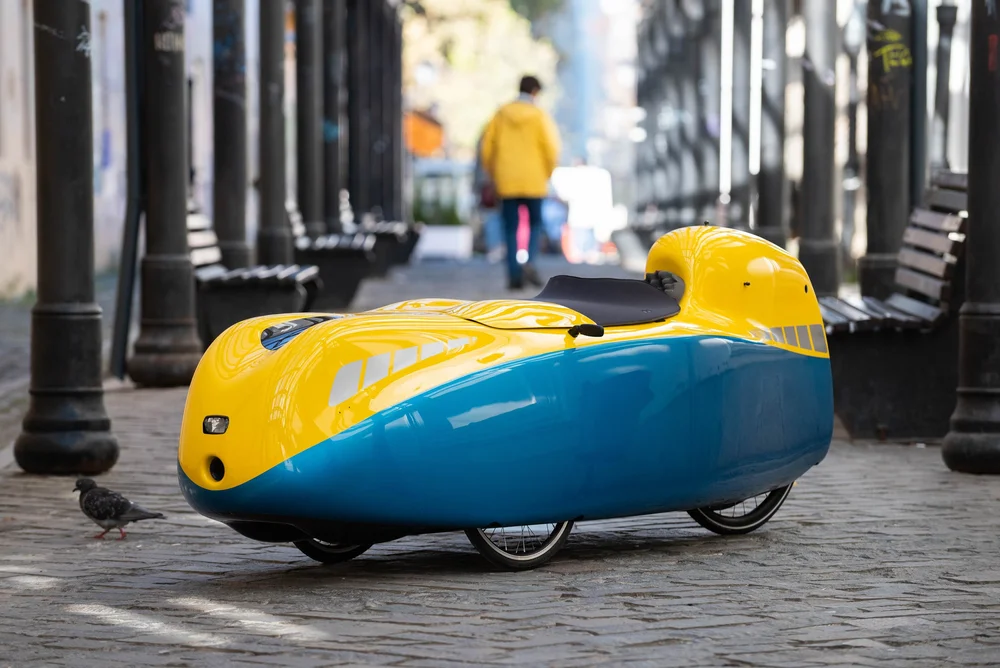
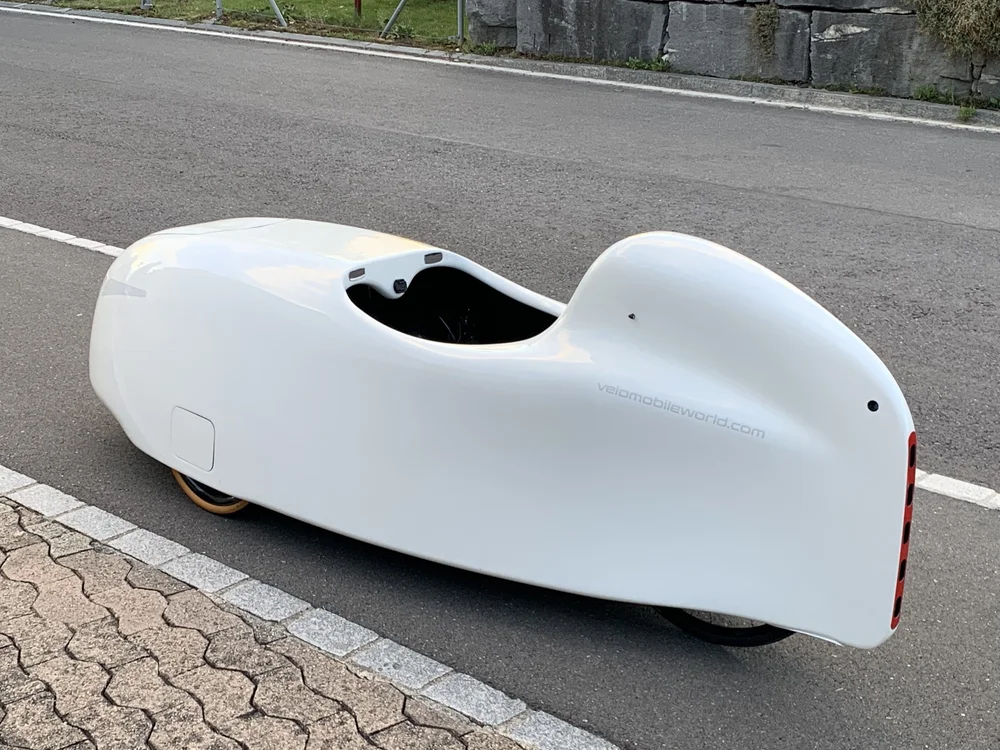
Velomobiles are human-powered vehicles with a shell. They look like bicycles but have more protection.
They offer speed, safety, and comfort for riders. Understanding their basics helps with use and regulations.
What Is A Velomobile
A velomobile is a three-wheeled or four-wheeled vehicle. It has a lightweight, aerodynamic body. Riders pedal to move it forward.
The shell protects the rider from wind and rain. Velomobiles are slower than cars but faster than regular bikes.
Types Of Velomobiles
There are different types of velomobiles. They vary by design, speed, and use. Some focus on speed, others on comfort.
- Racing Velomobiles: Built for speed and competition.
- Touring Velomobiles: Designed for comfort on long rides.
- Utility Velomobiles: Used for carrying cargo or daily travel.
- Recumbent Velomobiles: Have a reclined seating position for better aerodynamics.
| Type | Main Feature | Typical Use |
| Racing | Lightweight and fast | Competitions |
| Touring | Comfort and storage | Long distance rides |
| Utility | Strong frame and cargo space | Daily errands |
| Recumbent | Reclined seating | Efficient riding |
Legal Status Of Velomobiles
Velomobiles are human-powered vehicles with a shell for aerodynamics and weather protection. Many people wonder if they need registration like cars or motorcycles.
The rules for velomobiles depend on where you live. Some places treat them like bicycles, while others have different laws.
Classification In Different Regions
In Europe, velomobiles are often classified as bicycles. They usually do not need registration or a license. This is because they are powered by pedals.
In the United States, laws vary by state. Some states treat velomobiles as bicycles, so no registration is needed. Other states may require registration if the velomobile has electric assistance.
- Europe: Mostly treated as bicycles, no registration required
- USA: Varies by state, electric models may require registration
- Australia: Often classified as bicycles, no license needed
- Asia: Rules differ widely, check local laws
Comparison With Bicycles And Motor Vehicles
Velomobiles look like bicycles but have a full body shell. They are slower and lighter than cars and motorcycles. This affects their legal status.
Bicycles do not need registration in most places. Motor vehicles always need registration, insurance, and a driver’s license. Velomobiles fall between these two groups.
| Vehicle Type | Registration Needed | License Needed |
|---|---|---|
| Bicycle | No | No |
| Velomobile | Usually No | Usually No |
| Motor Vehicle | Yes | Yes |
Registration Requirements
Velomobiles are a type of human-powered vehicle. They look like enclosed bicycles or tricycles. People often wonder if they need to register their velomobile to use it on roads.
Registration rules for velomobiles vary by location. It depends on local laws and how the velomobile is used. Knowing when and where to register is important for legal travel.
Where Registration Is Needed
Some countries or states require velomobiles to be registered. Usually, registration is needed if the velomobile shares roads with motor vehicles. This helps track the vehicle and owner.
In many places, velomobiles used only on bike paths or private land do not need registration. Laws vary, so check local traffic rules to be sure.
- Urban areas with mixed traffic often require registration
- Rural areas may have fewer rules for velomobiles
- Some regions treat velomobiles like bicycles, no registration needed
- Others classify them closer to motor vehicles, requiring registration
Conditions Triggering Registration
Registration is usually triggered by speed, power, or vehicle type. If a velomobile has electric assist or a motor, it may need registration. Purely human-powered velomobiles often do not.
Other factors include where the velomobile will be used and its size. Some laws require registration if the vehicle weighs more than a set limit or uses certain roadways.
- Presence of an electric motor or engine
- Maximum speed exceeding local bicycle limits
- Use on public roads shared with motor vehicles
- Vehicle weight above legal bicycle limits
Insurance And Licensing
Velomobiles are unique vehicles blending bike and car features. This makes their insurance and licensing rules different.
Understanding these rules helps riders stay safe and legal on the road.
Do Velomobiles Need Insurance
Insurance rules for velomobiles vary by location. Some places treat them like bicycles, others like motor vehicles.
- In many areas, velomobiles do not need motor vehicle insurance.
- Liability insurance is sometimes recommended to cover accidents.
- Check local laws to know if insurance is required.
- Insurance can protect against theft and damage.
Licensing Rules For Riders
Licensing for velomobile riders depends on how authorities classify these vehicles.
| Classification | License Required | Notes |
|---|---|---|
| Bicycle | No license | Most velomobiles fall here if no motor is used. |
| Electric Bicycle | Varies by region | Some require a license if motor power exceeds limits. |
| Motor Vehicle | Driver’s license | If velomobile has powerful motor, license is mandatory. |
Safety And Compliance
Velomobiles are special bikes with a full body shell. They offer good protection but need to follow safety rules. Knowing these rules helps keep riders safe on the road.
Registration rules for velomobiles can vary. Safety gear and road laws are important for all riders. This guide explains what equipment you need and the laws to follow.
Mandatory Equipment
Velomobiles must have certain equipment to be legal and safe. This equipment helps other road users see you and avoid accidents.
- Front white light for night riding
- Rear red light and reflector
- Pedal reflectors or reflective tape
- Working brakes on at least one wheel
- Bell or horn to warn others
- Helmet is strongly recommended
Road Rules For Velomobile Riders
Velomobile riders must follow the same traffic rules as cyclists. Some rules help keep you safe and others protect pedestrians and drivers.
| Rule | Description |
|---|---|
| Use bike lanes | Ride in designated bike lanes when available |
| Obey traffic signals | Stop at red lights and stop signs like other vehicles |
| Signal turns | Use hand signals or lights to show your direction |
| Ride single file | Do not ride side-by-side on busy roads |
| Wear visible clothing | Wear bright or reflective clothes for visibility |
Credit: en.spezialradmesse.de
Benefits Of Registration
Registering your velomobile offers important advantages. It helps you follow local laws and stay safe on the road.
Knowing the benefits of registration can help you decide if it is necessary for your velomobile.
Legal Protection
Registration gives your velomobile legal protection. It shows you own the vehicle and have the right to use it.
- Proof of ownership in case of theft
- Legal evidence during accidents
- Compliance with traffic laws
- Access to insurance coverage
Access To Certain Roads Or Areas
Some roads or areas require registered vehicles to enter or use them. Registration can open more travel options.
| Road or Area | Registration Required |
| Highways | Yes |
| City bike lanes | No |
| Private parks | Yes |
| Public trails | Depends on rules |
How To Register A Velomobile
Velomobiles are special three-wheeled vehicles powered by pedals. Rules about registration differ by location. Some places require registration, others do not.
This guide explains how to register a velomobile if your area needs it. Follow these steps to register your velomobile properly.
Step-by-step Registration Process
Start by checking if your local authority requires velomobiles to be registered. Visit the transport department website or office to learn more.
Next, fill out the registration form with accurate details about your velomobile. Submit the form along with necessary documents to the proper agency.
- Confirm registration rules in your area
- Complete the registration application
- Provide proof of ownership
- Submit required documents
- Pay any registration fees
- Receive your registration and license plate
Documents And Fees
You will need some documents to register your velomobile. These often include proof of ownership and identification. Check local requirements carefully.
Registration fees vary depending on where you live. Some places charge a small fee, while others may not charge anything for velomobile registration.
- Proof of ownership or bill of sale
- Valid photo ID or driver’s license
- Completed registration form
- Proof of insurance (if required)
- Payment for registration fees
Credit: en.spezialradmesse.de
Common Challenges And Solutions
Velomobiles are a unique type of vehicle that look like bikes but have a shell. People often ask if they need to register them. The answer is not always clear because laws differ by place.
This article talks about common problems with registering velomobiles. It also shares ideas to help owners and advocates deal with these issues.
Dealing With Ambiguous Laws
Laws about velomobiles can be confusing. Some places treat them like bicycles. Others treat them like cars. This makes it hard to know if registration is needed.
Many laws do not mention velomobiles directly. This creates uncertainty for owners and officials. It can cause delays or fines if rules are not clear.
- Check local vehicle codes carefully before using a velomobile.
- Contact local motor vehicle departments for advice.
- Look for examples of how other velomobile owners handle registration.
- Keep proof of compliance with safety rules and equipment.
Advocating For Velomobile Rights
Many velomobile owners work to improve the laws. They want clear rules that fit these vehicles better. Advocacy helps lawmakers understand velomobiles.
Advocates join groups or contact officials to explain velomobile benefits. They ask for fair registration rules and road access rights.
- Join local or national cycling and velomobile groups.
- Write letters or attend meetings with lawmakers.
- Share stories about safe and responsible velomobile use.
- Promote laws that recognize velomobiles as a separate class.

Credit: newatlas.com
Frequently Asked Questions
Do Velomobiles Require Vehicle Registration?
Velomobiles generally do not require vehicle registration. They are classified as human-powered vehicles, similar to bicycles. However, local laws may vary, so check your region’s specific regulations before use on public roads.
Are Velomobiles Considered Motor Vehicles?
No, velomobiles are not motor vehicles. They are pedal-powered, with no engine or motor. This classification affects registration and licensing requirements, often exempting them from motor vehicle rules.
Is Insurance Mandatory For Velomobiles?
Insurance for velomobiles is typically not mandatory. Since they are not motorized, standard vehicle insurance does not apply. Optional insurance can be purchased for theft or liability protection, depending on local laws.
Can I Ride A Velomobile On Public Roads?
Yes, velomobiles can be ridden on public roads where bicycles are allowed. Ensure you follow traffic laws and local cycling regulations. Some areas may have specific rules for velomobile use.
Conclusion
Velomobiles often spark curiosity about registration needs. Most regions don’t require it. Rules can vary, though. Always check local laws before riding. Knowing the rules keeps you safe and legal. Velomobiles offer a fun, eco-friendly way to travel. They’re great for short distances.
Riding one can be enjoyable and practical. Always ensure your velomobile meets safety standards. This way, you enjoy peace of mind while riding. Whether for fun or transport, velomobiles are a unique choice. Stay informed, stay safe, and enjoy the ride!



