
Are you curious about whether you need a license to ride a velomobile? You’re not alone.
Velomobiles are gaining popularity as a fun, eco-friendly way to get around, but the rules around them can be confusing. Understanding if a license is required can save you time, money, and hassle. You’ll get clear answers that help you stay safe and legal on the road.
Keep reading to find out exactly what you need to know before hopping into your velomobile.
Velomobile Basics
Velomobiles are a type of human-powered vehicle. They look like bicycles but have a full body shell. This shell helps protect the rider and improves speed.
Many people want to know if velomobiles need a license. To answer that, we need to understand what a velomobile is and the common types available.
What Is A Velomobile
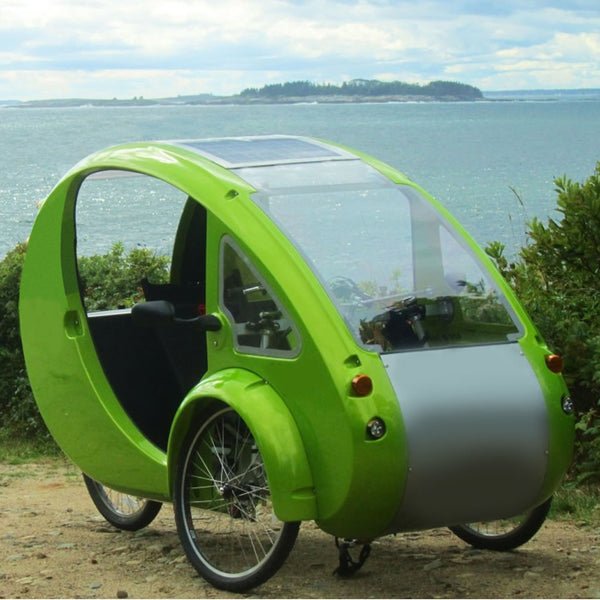
A velomobile is a pedal-driven vehicle with a lightweight, aerodynamic body. It is usually built for one person. The body shell covers the wheels and rider to reduce wind resistance. This design helps the rider go faster with less effort.
Velomobiles are mainly used for commuting, exercise, and leisure. They combine the benefits of bicycles and cars but use no fuel.
Common Types Of Velomobiles
- Recumbent Velomobiles:The rider sits in a reclined position. This is the most common type.
- Tricycle Velomobiles:They have three wheels for extra stability.
- Two-Wheeled Velomobiles:These need the rider to balance like a regular bike.
- Fully Enclosed Velomobiles:These have complete body shells for weather protection.
| Type | Number of Wheels | Key Feature |
| Recumbent | 3 or 4 | Reclined seating for comfort |
| Tricycle | 3 | Stable and easy to balance |
| Two-Wheeled | 2 | Requires balance like a bike |
| Fully Enclosed | 3 or 4 | Complete weather protection |

Credit: www.hammacher.com
Licensing Requirements
Velomobiles are a unique blend of bicycles and small vehicles. Their licensing needs depend on local laws. Some places require licenses; others do not.
It is important to know when a license is needed before riding a velomobile on public roads. Rules vary greatly by country and region.
When Licenses Are Required
Licenses are usually needed if the velomobile is fast or heavy. If it looks more like a motor vehicle, a license might be required. Also, if the velomobile can reach high speeds, licensing is often enforced.
- Velomobiles with motors often need a driver’s license.
- If the vehicle weighs more than a certain limit, licensing may apply.
- Speed limits on the vehicle can trigger license requirements.
- Some countries require insurance and registration along with a license.
Countries With License Rules
Rules differ widely by country. Some allow velomobiles without any license. Others treat them like mopeds or small cars. Below is a table comparing some country rules.
| Country | License Required | Notes |
|---|---|---|
| Germany | Yes, if motorized | Motorized velomobiles need moped license |
| Netherlands | No for pedal-only | Only motorized need licenses |
| United States | Varies by state | Mostly no license for pedal-only |
| United Kingdom | Yes for motorized | Non-motorized treated like bicycles |
Legal Classification
Velomobiles are human-powered vehicles with a shell. Their legal status can vary by country and region. This affects if you need a license to ride one.
Understanding how the law classifies velomobiles helps riders stay safe and follow rules.
Velomobile Vs Bicycle
Velomobiles often look like bicycles but have a full body shell. They are powered by pedaling, like bikes.
Many places legally treat velomobiles as bicycles. This means no special license is needed to ride them.
- Powered only by the rider’s muscles
- Use bike lanes and paths
- No registration or insurance usually required
Velomobile Vs Motor Vehicle
Velomobiles do not have engines or fuel like cars or motorcycles. They move slower and weigh less.
Because they are human-powered, velomobiles are not classed as motor vehicles. This means no driver’s license or vehicle registration is needed.
- No engine or motor
- Lower speed limits than motor vehicles
- Not subject to motor vehicle laws

Credit: www.reddit.com
Safety Regulations
Velomobiles are human-powered vehicles shaped like enclosed bicycles. People often ask if they need a license to ride them. Safety rules are important to follow for all riders.
Different countries have different laws about velomobiles. Some rules focus on helmets, lights, and reflectors. These help keep riders safe on the road.
Helmet Laws
Wearing a helmet is usually required for velomobile riders. Helmets protect your head in case of a fall or crash. Some places have age limits for helmet rules.
Always check local laws before riding. Even if helmets are not required, wearing one is a smart safety choice.
Lighting And Reflectors
Velomobiles must use lights and reflectors when riding at night. These make you visible to drivers and other road users. Proper lighting reduces accident risks.
- White front light is required
- Red rear light must be visible
- Side reflectors improve visibility
- Use reflectors on pedals or wheels
Registration And Insurance
Velomobiles are a unique form of transportation. They combine features of bicycles and small vehicles. Many people wonder if they need to register or insure their velomobile.
This article explains the rules for registration and insurance. It helps you understand what is required in most places.
Is Registration Needed
Registration rules for velomobiles vary by country and region. Some places treat them like bicycles, which do not need registration. Others see them as motor vehicles requiring registration.
- If your velomobile has a motor, registration is often required.
- Non-motorized velomobiles usually do not need to be registered.
- Check local laws to confirm if registration is mandatory.
- Registration may involve fees and displaying a license plate.
Insurance Requirements
Insurance rules also depend on how your velomobile is classified. Motorized velomobiles often need insurance. Non-motorized ones usually do not require it.
| Velomobile Type | Insurance Requirement | Notes |
|---|---|---|
| Motorized | Usually required | Liability and damage coverage needed |
| Non-motorized | Usually not required | Consider personal accident insurance |
| Electric-assist | Depends on motor power | Check local laws for thresholds |
Riding Restrictions
Velomobiles are unique vehicles that combine cycling with a protective shell. Knowing where and how you can ride them is important for safety and legal reasons.
This section covers the main riding restrictions for velomobiles, focusing on places allowed and the rules on speed and traffic.
Where You Can Ride
Velomobiles usually follow the same rules as bicycles. This affects the paths and roads where you can legally ride.
- Bike lanes and cycle paths are often allowed for velomobiles.
- Some regions permit riding on quiet streets but ban highways.
- Sidewalk riding is usually forbidden unless marked otherwise.
- Parks may restrict velomobiles if they are motorized or too fast.
Speed Limits And Traffic Rules
Velomobiles must follow local speed limits and traffic laws. These rules help keep all road users safe.
| Rule | Description |
|---|---|
| Speed Limits | Follow posted limits; usually lower for bike paths. |
| Traffic Signals | Stop at red lights and obey all road signs. |
| Right of Way | Yield to pedestrians and vehicles as required. |
| Lighting | Use lights at night or in low visibility conditions. |
Future Trends
Velomobiles are small, human-powered vehicles that look like bikes with shells. As they grow in popularity, questions arise about licenses and rules.
Future trends will shape how laws apply to velomobiles and how technology changes their use on roads.
Evolving Laws
Rules for velomobiles differ by country and region. Many places do not require a license now. This may change as more people use them.
Governments may create new laws to include velomobiles in traffic rules. These laws could focus on safety and road sharing.
- Possible licensing for faster models
- Safety standards for lighting and brakes
- Clear rules about road and bike lane use
- Registration requirements in some areas
Impact Of Technology
Technology improves velomobile designs and safety features. Electric assist and smart sensors make riding easier and safer.
These advances may affect licensing rules. Vehicles with motors might need different licenses than pure human-powered ones.
- Electric assist may require special permits
- Smart lights and brakes improve visibility
- GPS and tracking can enhance safety
- New materials make velomobiles lighter and faster

Credit: www.hammacher.com
Frequently Asked Questions
Do Velomobiles Require A Driver’s License?
In most countries, velomobiles do not require a driver’s license. They are classified as human-powered vehicles. However, local laws may vary, so always check your region’s regulations before riding on public roads.
Are Velomobiles Considered Motor Vehicles Legally?
No, velomobiles are typically not classified as motor vehicles. They are pedal-powered and do not have engines. This distinction affects licensing, insurance, and road rules applicable to them.
Can I Ride A Velomobile On Bike Paths?
Yes, velomobiles are generally allowed on bike paths. Since they are human-powered, they follow similar rules to bicycles. Confirm local bike path regulations to ensure compliance.
Is Insurance Mandatory For Velomobiles?
Insurance requirements for velomobiles vary by location. Many places do not mandate insurance due to their low risk. However, some regions may require liability coverage, especially if used on roads.
Conclusion
Velomobiles offer a unique way to travel. They blend cycling benefits with car-like features. Understanding the need for a license is crucial. It varies by location. Some areas require it, while others don’t. Always check local laws to stay compliant.
Safety should be a top priority. Wearing helmets and using lights improves visibility. Velomobiles can be a fun and eco-friendly transport choice. They can help reduce emissions and promote a healthy lifestyle. Before buying, research regulations. Being informed helps avoid legal issues.
Enjoy your ride, and stay safe on the road!



