
Are you wondering if your velomobile needs insurance? You’re not alone.
Velomobiles are unique vehicles, and it’s natural to ask whether the same rules apply to them as to cars or bikes. Imagine being involved in an accident or facing theft—would you be protected? Knowing the answer can save you money, stress, and headaches down the road.
Keep reading to find out exactly what insurance options exist for velomobiles and how to choose the right coverage for your needs.

Credit: www.instructables.com
Velomobiles And Insurance Basics
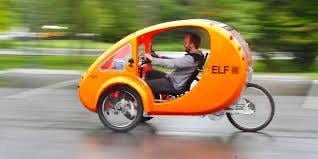
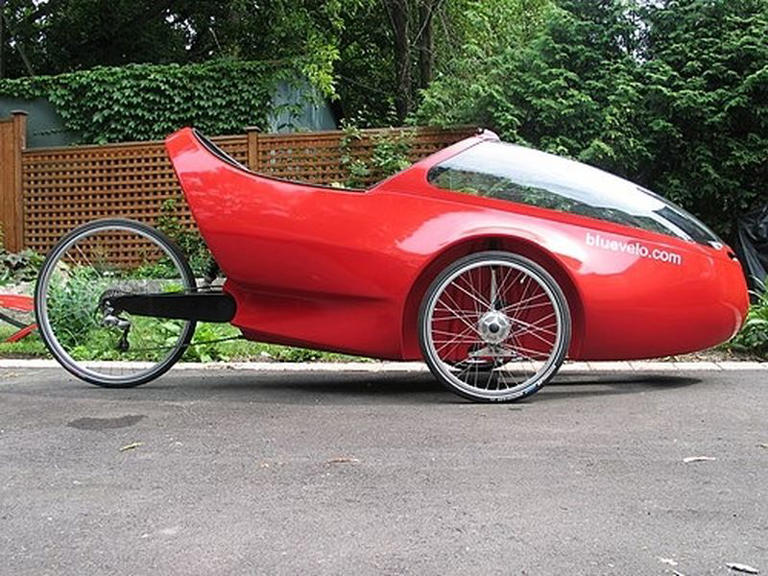
Velomobiles are a special type of bike with a shell around them. They look like small cars but are powered by pedals.
Many people wonder if velomobiles need insurance. This depends on local laws and how you use them.
What Is A Velomobile?
A velomobile is a human-powered vehicle with an enclosed body. It protects riders from weather and improves speed.
These vehicles are often used for commuting, exercise, or fun rides. They combine cycling and protection.
Types Of Velomobiles
Velomobiles come in different shapes and designs. Each type suits different riding needs.
- Recumbent Velomobiles: Riders sit back comfortably.
- Two-Wheel Velomobiles: Narrow and fast models.
- Three-Wheel Velomobiles: More stable and balanced.
- Fully Enclosed Models: Offer full weather protection.
Common Risks For Riders
Riding a velomobile has risks like other vehicles. Knowing these risks helps riders stay safe.
- Road accidents from cars or other bikes.
- Theft or damage when parked outside.
- Weather hazards like rain or ice.
- Mechanical failures during rides.
Legal Requirements For Velomobile Insurance
Velomobiles are special vehicles that look like bikes with covers. Many people wonder if these need insurance. The rules can differ depending on the place.
This article explains the legal needs for insuring velomobiles. It covers laws by region, when insurance is needed, and exceptions.
Insurance Laws By Region
Different countries and states have their own rules about velomobile insurance. Some treat them like bicycles, others like motor vehicles.
- In Europe, some countries require third-party insurance for velomobiles.
- In the USA, most states do not require insurance if velomobiles are pedal-powered only.
- In Australia, rules vary by state and local laws.
- In Asia, insurance laws for velomobiles are mostly unclear or not defined.
When Insurance Is Mandatory
Insurance becomes mandatory when velomobiles are classified as motor vehicles. This usually happens if they have a motor or exceed certain speed limits.
- If a velomobile has an electric motor, some places require liability insurance.
- Use on public roads often triggers insurance needs.
- Insurance may be needed if the velomobile weighs above a set limit.
- Some regions ask for insurance if the velomobile can reach high speeds.
Exceptions And Special Cases
Some exceptions exist for velomobiles. These depend on how and where you use them.
- Velomobiles used only on private property may not require insurance.
- Some places exempt non-motorized velomobiles from insurance rules.
- Special permits can sometimes replace insurance needs.
- Racing or event use might have different insurance rules.
Types Of Insurance For Velomobiles
Velomobiles are unique vehicles that combine cycling with protection. Insurance helps cover costs if accidents happen or damage occurs.
Different insurance types offer specific protections. Knowing each type helps you choose the right coverage for your velomobile.
Liability Coverage
Liability coverage protects you if you cause damage to others or their property. It helps pay for legal fees and claims made against you.
- Property damage to others
- Injury to other people
- Legal defense costs
Comprehensive And Collision
Comprehensive and collision insurance covers damage to your velomobile. Collision insurance pays after crashes with objects or vehicles.
Comprehensive insurance covers events like theft, fire, or vandalism. These protect your velomobile from many risks beyond crashes.
| Type | What it Covers |
| Collision | Damage from crashes with cars or objects |
| Comprehensive | Theft, fire, vandalism, natural events |
Personal Injury Protection
Personal injury protection helps pay medical bills for you and passengers. It covers injuries from accidents, no matter who is at fault.
- Medical expenses
- Lost wages from injury
- Funeral costs if needed
Choosing The Right Insurance Policy
Velomobiles are unique vehicles that combine features of bikes and cars. Deciding if you need insurance is important for protection.
Choosing the right insurance policy helps cover damage, theft, and liability. Look closely at your needs before selecting a plan.
Assessing Coverage Needs
Start by thinking about how often you use your velomobile. Consider where you ride and the risks involved.
Coverage may include damage, theft, and injury protection. Decide which types of coverage fit your situation best.
- Physical damage protection for accidents
- Theft coverage if your velomobile is stolen
- Liability coverage for injuries to others
- Medical coverage for your injuries
Comparing Providers And Plans
Different insurers offer various plans for velomobiles. Compare what each provider covers and the limits they set.
Check customer service, claim process, and reviews. These factors affect how easy it is to get help when needed.
- Coverage options and exclusions
- Claim filing procedures
- Customer support ratings
- Policy terms and conditions
Cost Factors And Premiums
Insurance cost depends on coverage level, location, and velomobile value. Higher coverage usually means higher premiums.
Your driving history and security measures also affect prices. Compare premium rates to find the best fit for your budget.
- Coverage amount and deductible
- Geographic area and usage
- Security devices and storage
- Driver experience and claims history
Claims Process And Tips
Velomobiles are unique vehicles that may need special insurance. Knowing how to file a claim can save time and stress. It is important to prepare well and avoid common mistakes.
This guide covers the main points about filing a claim, the documents needed, and common pitfalls to avoid during the process.
How To File A Claim
Start by contacting your insurance company as soon as possible after the incident. Provide clear details about what happened. Follow the insurer’s instructions carefully to avoid delays.
- Report the incident to your insurer quickly.
- Fill out all claim forms accurately.
- Submit any required photos or evidence.
- Keep a record of all communication.
- Follow up regularly on the claim status.
Documentation Needed
Having the right documents ready will help your claim process run smoothly. Keep copies of everything you send to the insurer.
| Document | Purpose |
| Proof of Ownership | Shows you own the velomobile |
| Photos of Damage | Visual evidence of the incident |
| Police Report | Official record for accidents or theft |
| Repair Estimates | Cost details for fixing damage |
| Insurance Policy | Confirms coverage details |
Common Pitfalls To Avoid
Many claims get delayed or denied due to simple errors. Watch out for these common mistakes.
- Waiting too long to report the claim.
- Providing incomplete or inaccurate information.
- Failing to document damage properly.
- Ignoring insurer requests for more details.
- Not keeping copies of submitted documents.

Credit: veemo.ca
Alternatives To Traditional Insurance
Velomobiles often do not fit well into standard insurance policies. Many owners look for other ways to protect their vehicles. These alternatives can offer coverage without the usual insurance costs.
These options focus on community, self-reliance, and shared resources. They help velomobile users manage risks in different ways.
Membership And Rider Groups
Many velomobile riders join clubs or groups. These groups share information about safety and repairs. They sometimes offer group insurance plans at lower costs.
Being part of a rider group can provide support in case of accidents. Members often help each other with advice and resources.
- Access to group discounts on insurance
- Shared knowledge on velomobile care
- Networking with experienced riders
- Organized safety and maintenance workshops
Self-insurance Options
Some velomobile owners choose to self-insure. They save money regularly to cover possible damages or theft. This method requires discipline and good budgeting.
Self-insurance works well for those with low risk and careful riding habits. It gives full control over funds and repairs.
- Set aside money monthly for repairs
- Keep an emergency fund for accidents
- Manage repairs and replacements independently
- Track expenses to stay prepared
Community Support Networks
Velomobile riders often rely on local communities for help. These networks provide emotional and practical support. They can assist with repairs, loans, or sharing tools.
Community support helps reduce repair costs and downtime. It also builds trust among riders and promotes safe riding habits.
- Tool sharing and repair assistance
- Loan programs for emergency repairs
- Advice on safety and maintenance
- Organized group rides for experience sharing
Protecting Your Velomobile Beyond Insurance
Insurance can help cover damage or theft of your velomobile. Still, many riders want to protect their vehicle in other ways. Using safety gear, keeping your velomobile well maintained, and being aware while riding all help reduce risks.
Taking extra steps to protect your velomobile can save money and keep you safe on the road. These actions work well together with insurance to give you full protection.
Safety Gear And Maintenance
Wearing proper safety gear reduces injuries in crashes. Helmets, gloves, and reflective clothing make riding safer. Your velomobile also needs regular checks to stay in good shape.
Check tires, brakes, and lights before each ride. Fix small problems quickly to avoid bigger damage. Clean your velomobile often to prevent rust and wear.
- Wear a certified helmet every time you ride
- Use gloves to protect hands from falls
- Wear bright or reflective clothes for visibility
- Inspect tires for wear or low pressure
- Test brakes to ensure they work well
- Keep lights clean and replace dead bulbs
- Lubricate moving parts regularly
Theft Prevention Techniques
Velomobiles can be stolen if left unprotected. Use strong locks to secure your vehicle to fixed objects. Store your velomobile in a safe place whenever possible.
Adding an alarm or GPS tracker helps find your velomobile if it is stolen. Mark your vehicle with a unique ID to help police identify it.
- Use a heavy-duty lock like a U-lock or chain lock
- Lock your velomobile to a fixed object
- Store it indoors or in a locked garage
- Install an alarm system for extra security
- Consider a GPS tracker for real-time location
- Engrave or label your velomobile with an ID number
Rider Training And Awareness
Knowing how to handle your velomobile improves your safety and control. Practice riding in different weather and traffic conditions. Learn rules and signals for safe riding.
Stay alert to road hazards and other vehicles. Avoid distractions like phones while riding. Being aware lowers the chance of accidents and damage to your velomobile.
- Take a rider training course if available
- Practice braking and turning smoothly
- Ride in safe areas before traffic
- Follow local traffic laws and signals
- Watch for potholes, debris, and wet roads
- Keep eyes on the road, avoid distractions
Credit: www.msn.com
Frequently Asked Questions
Do Velomobiles Require Insurance By Law?
Velomobiles often do not require mandatory insurance. However, laws vary by country and region. Check local regulations to confirm if insurance is needed for your velomobile’s use on public roads.
What Insurance Covers Velomobile Damage?
Standard bicycle insurance sometimes covers velomobiles. You may also find specialized policies for velomobiles covering theft, damage, and liability. Always verify policy details to ensure adequate protection for your velomobile.
Can Velomobile Insurance Include Liability Coverage?
Yes, some velomobile insurance policies offer liability coverage. This protects you if you cause injury or property damage while riding. Liability coverage is important for legal and financial protection.
Are Velomobiles Insured Under Regular Vehicle Insurance?
Regular car insurance usually does not cover velomobiles. Velomobiles are often classified separately due to their design and speed. Getting specific velomobile or bicycle insurance is typically necessary.
Conclusion
Deciding on velomobile insurance depends on your needs. Consider potential risks. Think about the cost and benefits. Insurance can offer peace of mind. Protect your investment from unexpected events. Not everyone may need it. But, it’s wise to explore options.
Talk to insurance providers. Get their advice on coverage. Evaluate your personal situation carefully. Make an informed choice for your velomobile.



