
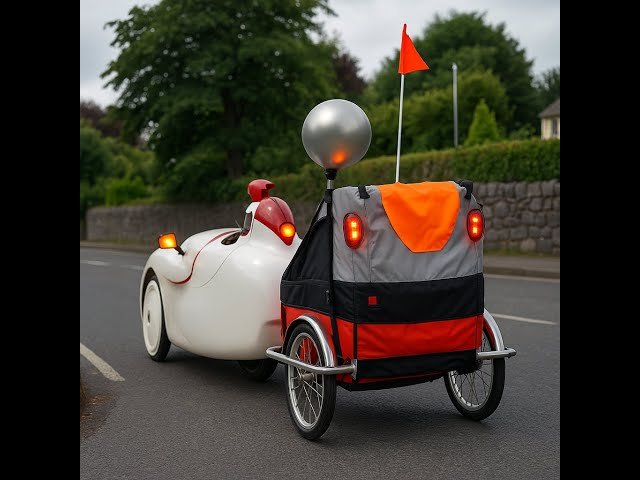
Have you ever wondered if velomobiles come with turn signals? When you’re riding one of these sleek, pedal-powered vehicles, staying safe on the road is a top priority.
But without clear signals, how do you let others know where you’re headed? You’ll discover the truth about velomobile turn signals and learn simple ways to communicate your moves. Keep reading to make your rides safer and more confident.
Velomobiles And Safety Features
Velomobiles are human-powered vehicles that look like enclosed bikes. They offer more protection than regular bikes.
Safety is important because velomobiles share the road with cars and other vehicles. This guide explains their safety features.
Basic Design Elements
Velomobiles have a streamlined body that protects riders from weather and crashes. The shell covers the wheels and frame.
The low height helps with stability but can make the rider less visible to others. Most have lights for night riding.
- Enclosed aerodynamic shell
- Three or four wheels for balance
- Low profile for speed and stability
- Built-in lighting systems
Common Safety Additions
Many velomobiles come with extra safety features to increase visibility. These include lights, reflectors, and sometimes turn signals.
Turn signals are not always standard but can be added. They help show other drivers when the rider plans to turn or stop.
- Front and rear LED lights
- Reflective strips on the body
- Optional electronic turn signals
- Mirrors for better road view
- Horn or bell for alerts
Turn Signals On Velomobiles
Velomobiles are human-powered vehicles with aerodynamic shells. Riders often wonder if they have turn signals for safety. This article explains the presence of turn signals on velomobiles.
Turn signals help communicate direction changes to other road users. Let’s look at built-in signals and aftermarket options for velomobiles.
Presence Of Built-in Turn Signals
Most velomobiles do not come with built-in turn signals. These vehicles focus on being lightweight and simple. Some high-end models may offer optional integrated lights.
Manufacturers prioritize basic lighting like headlights and taillights. Turn signals are often left to the rider to add if needed.
Aftermarket Signal Options
Riders can install turn signals on velomobiles using aftermarket kits. These kits come in various styles and prices. They improve visibility and safety on the road.
- Battery-powered LED turn signals
- Wireless remote-controlled indicators
- Integrated signal systems with brake lights
- Magnetic or clip-on signal lights
| Type | Power Source | Installation | Visibility |
| LED Strip Signals | Battery | Adhesive or screws | High |
| Wireless Remote Signals | Rechargeable | Clip-on or mount | Medium |
| Integrated Light Systems | Wired to battery | Professional install | Very High |
Importance Of Turn Signals
Turn signals are important for safe riding and driving. They help others know where you want to go.
Velomobiles are unique vehicles. Knowing if they have turn signals helps understand their safety features.
Enhancing Visibility
Turn signals make velomobiles easier to see on the road. They flash bright lights to catch attention.
This extra visibility helps prevent accidents, especially at night or in bad weather.
- Signals show movement direction clearly
- Light flashes stand out to other drivers
- Improves safety in busy traffic
Communicating Intentions To Others
Turn signals tell others what you plan to do next. This helps drivers and cyclists react safely.
Without signals, people guess your moves, which can cause crashes or confusion.
- Shows when you want to turn or stop
- Helps other road users keep distance
- Reduces misunderstandings on the road
Legal Requirements
Velomobiles are a type of human-powered vehicle with a shell. Some have electric assist. Many riders wonder if they must have turn signals on their velomobiles. The answer depends on local laws and vehicle classification.
Understanding legal rules helps velomobile riders stay safe and avoid fines. This guide explains traffic laws and regional differences about turn signals for velomobiles.
Traffic Laws For Velomobiles
Traffic laws treat velomobiles in various ways. Some places classify them as bicycles, others as motor vehicles. This affects whether turn signals are required.
- In many areas, bicycles do not need turn signals but must use hand signals.
- If a velomobile has electric power above a certain speed or power, it may be classified as a moped or motorcycle.
- Mopeds and motorcycles usually must have working turn signals to be street legal.
- Some regions allow optional turn signals on bicycles or velomobiles for better visibility.
- Local vehicle codes often specify the lighting and signaling equipment needed.
Regional Differences In Regulations
Rules for velomobiles and turn signals vary by country and state. Riders should check local laws before using turn signals or other lighting devices.
| Region | Velomobile Classification | Turn Signal Requirement |
|---|---|---|
| United States | Bicycle or electric bike | Hand signals usually enough; turn signals optional |
| European Union | Bicycle or electric-assisted vehicle | Turn signals not mandatory but allowed |
| Germany | Electric-assisted vehicle over 25 km/h | Turn signals required if motorized |
| Netherlands | Bicycle or light electric vehicle | No mandatory turn signals; hand signals used |
| Australia | Bicycle or electric bike | Turn signals optional; hand signals standard |
Alternative Signaling Methods
Velomobiles often lack built-in turn signals. Riders use other ways to show their moves on the road. Safe signaling helps avoid crashes.
Below are two common methods that velomobile riders use to communicate their intentions clearly.
Hand Signals
Hand signals are a simple way to show turns and stops. Riders extend their arms to point left or right or to signal stopping.
- Left turn: left arm straight out
- Right turn: right arm straight out or left arm bent upward
- Stop or slow down: left arm bent downward
Reflective Gear And Lighting
Reflective gear and lights make velomobiles visible in low light. They also help show the rider’s position and movement.
| Type | Purpose |
| Reflective tape | Highlights edges and shape of the velomobile |
| Rear red lights | Show when the velomobile is behind other vehicles |
| Flashing turn signals | Some riders add battery-powered lights to mimic signals |

Credit: www.hammacher.com
Installing Turn Signals
Velomobiles usually do not come with built-in turn signals. Adding turn signals can increase safety on the road. It helps other drivers see your intentions clearly.
Installing turn signals is not very hard. You need the right parts and tools. This guide will help you choose and install signals on your velomobile.
Choosing The Right System
Pick a turn signal system that fits your velomobile size and shape. Some systems are wireless, while others need wires. Wireless systems are easier to install.
Consider battery life and brightness. Signals must be bright enough for daylight. Also, check if the system includes a remote switch or button.
- Wireless or wired system
- Battery life and recharge options
- Brightness of the lights
- Ease of use for controls
- Water resistance and durability
Installation Tips
Clean the surface where you want to mount the signals. Use strong adhesive or screws to fix the lights firmly. Make sure the signals face outward and are visible.
Route wires carefully if you use a wired system. Avoid sharp edges and moving parts. Test the signals before you finish the installation.
- Clean mounting area well
- Use correct adhesive or screws
- Position signals for clear visibility
- Protect wires from damage
- Test signals before finalizing
Maintenance
Check your turn signals regularly to keep them working. Replace batteries or recharge as needed. Clean the lights to keep them bright.
Look for loose wires or parts. Fix any problems right away to avoid signal failure. Good maintenance helps keep you safe on the road.
- Regularly check signal function
- Replace or recharge batteries
- Keep lights clean and bright
- Inspect wires and connections
- Fix problems immediately
Future Of Velomobile Safety
Velomobiles are small, enclosed vehicles powered by pedaling. Safety is important as more people use them on roads.
Turn signals help drivers and cyclists share the road safely. Velomobiles are starting to include these signals for better safety.
Innovations In Signal Technology
New signal lights use bright LEDs that last long and use less power. These lights can be built into the velomobile body.
Some velomobiles now have wireless controls for turn signals. Riders can activate signals without moving their hands far from the handlebars.
- LED lights are bright and energy-saving
- Wireless switches add convenience
- Signals can be programmed to blink faster or slower
- Integration with brake lights improves visibility
Trends In Safety Regulations
Many countries are starting to make rules about velomobile safety. These rules often include the use of turn signals and lights.
Regulations also push for reflective materials and better helmets. These rules aim to reduce accidents and injuries on the road.
- Mandatory turn signals for velomobiles in some regions
- Requirements for front and rear lights
- Use of reflective tape or paint
- Helmet standards specific to velomobile riders

Credit: www.hammacher.com

Credit: newatlas.com
Frequently Asked Questions
Do Velomobiles Come With Built-in Turn Signals?
Most velomobiles do not have built-in turn signals. Some models offer optional lighting kits, but turn signals are not standard. Riders often use hand signals to indicate turns for safety and communication on the road.
Can You Add Turn Signals To Any Velomobile?
Yes, you can add aftermarket turn signals to most velomobiles. Many riders install LED turn signal kits for better visibility. These kits are lightweight, battery-powered, and easy to mount on the vehicle’s frame.
Are Turn Signals Necessary For Velomobile Safety?
Turn signals enhance safety but are not legally required for velomobiles in most areas. Using turn signals helps communicate intentions clearly to drivers and cyclists, reducing accident risks. Hand signals remain a common alternative.
How Do Velomobile Riders Signal Turns Without Lights?
Velomobile riders commonly use standard hand signals to indicate turns and stops. This method is simple, effective, and widely recognized by other road users. Clear hand signaling improves safety and road awareness.
Conclusion
Velomobiles with turn signals enhance road safety. They make riders more visible. Turn signals help communicate intentions clearly. This reduces the chance of accidents. Not all velomobiles have them yet, but many do. Riders should consider installing them. It’s a small change with big benefits.
Pedestrians and drivers understand signals better. This makes sharing the road easier. Safety should always come first in cycling. Adding turn signals is a smart move. Both for riders and others on the road. Velomobiles continue evolving, offering safer rides.
Always stay aware and signal your turns.



