
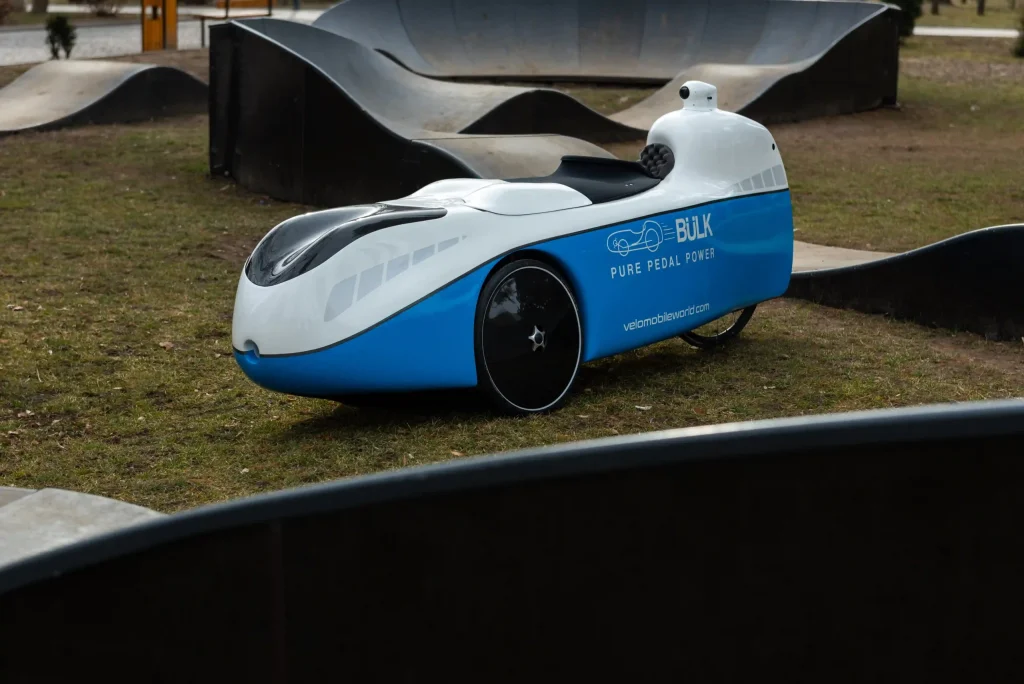
Have you ever wondered if velomobiles come with brakes? If you’re thinking about riding one or just curious about how they work, this question is important.
Knowing whether your velomobile has brakes can affect your safety and confidence on the road. You’ll discover how braking systems on velomobiles function, why they matter, and what you need to know before you ride. Keep reading to get the clear answers you’re looking for.
Velomobile Basics
Velomobiles are special bikes with a shell around them. They look like small cars but are powered by pedaling.
People use velomobiles for fast, safe, and comfortable rides. Many wonder if they have brakes like normal bikes.
What Is A Velomobile
A velomobile is a bike with a full or partial body covering. This covering helps with speed and weather protection.
It usually has three wheels and a seat inside the shell. You pedal like a bike, but the shell makes it look like a small vehicle.
Common Velomobile Designs
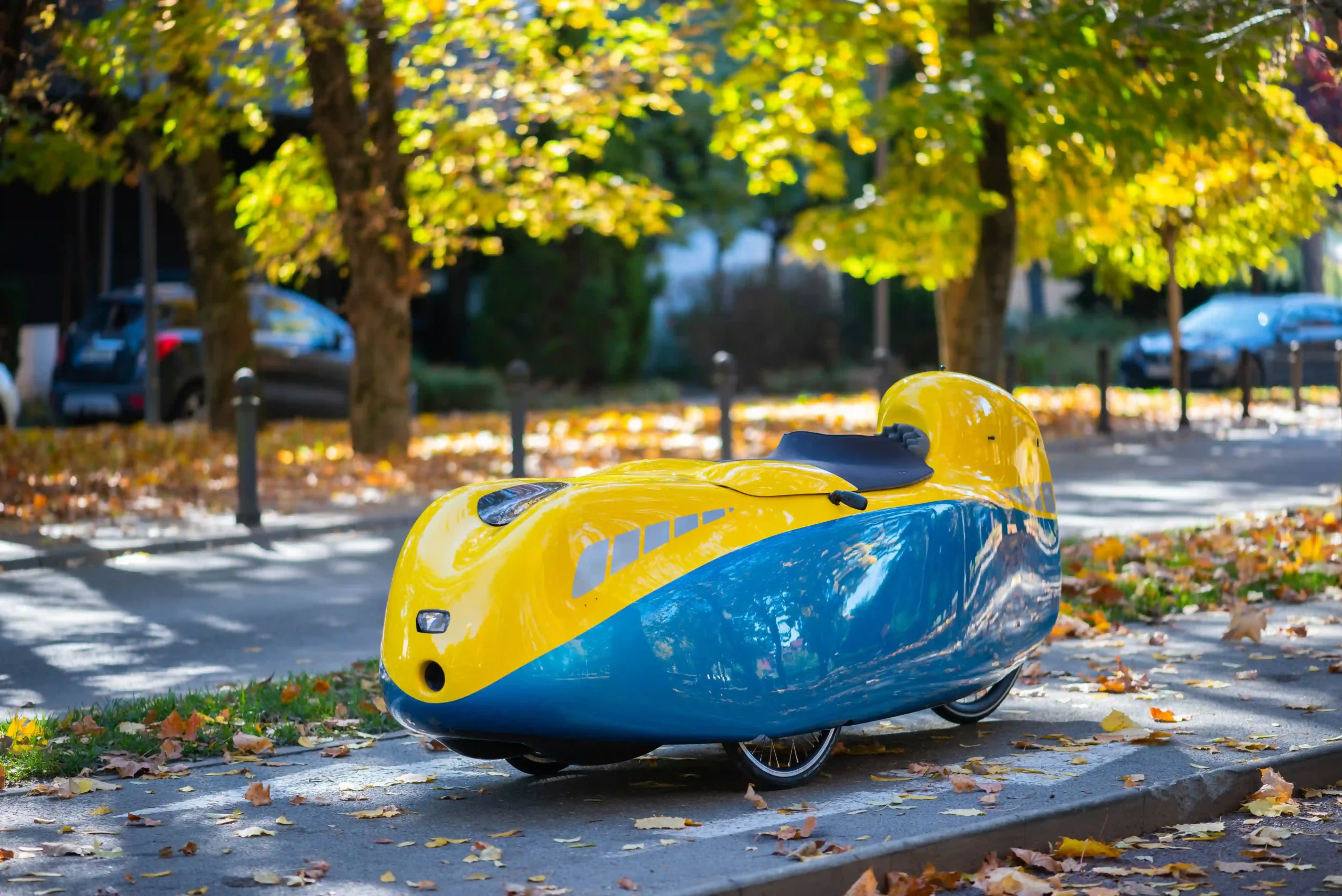
Velomobiles come in many shapes. Some cover the rider fully, while others only cover parts of the bike.
- Full fairing design covers the whole bike and rider.
- Semi-fairing design covers only the front or top.
- Open design has minimal covering, focusing on aerodynamics.
Credit: www.velomobileworld.com
Braking Systems In Velomobiles
Velomobiles are human-powered vehicles with an aerodynamic shell. Safety is important, and brakes help control speed and stop safely.
This article explains the types of brakes used in velomobiles and how these brakes work to keep riders safe.
Types Of Brakes Used
Velomobiles use different brake types depending on their design and weight. Some common brakes are:
- Rim Brakes: Press pads against the wheel rim to slow down.
- Disc Brakes: Use a metal disc attached to the wheel hub.
- Drum Brakes: Enclosed brakes inside the wheel hub for steady stopping.
- Coaster Brakes: Brake by pedaling backward, often used in simpler models.
How Brakes Work In Velomobiles
Brakes work by creating friction to reduce speed. This friction turns kinetic energy into heat.
| Brake Type | How It Works | Advantages | Disadvantages |
| Rim Brakes | Pads squeeze wheel rim | Light and simple | Less effective in rain |
| Disc Brakes | Pads clamp metal disc | Strong stopping power | Heavier and needs maintenance |
| Drum Brakes | Pads press inside hub | Durable and low maintenance | Heavier and less powerful |
| Coaster Brakes | Pedal backward to brake | Easy to use | Less control at high speed |
Safety Features Beyond Brakes
Velomobiles have more safety features than just brakes. These features help riders stay visible and protected on the road.
Understanding these features helps you see how velomobiles keep riders safe in many ways.
Visibility Enhancements
Being seen by others is very important for safety. Velomobiles use many tools to improve visibility at all times.
- Bright LED lights on the front and back
- Reflective strips on the body and wheels
- High-visibility colors like orange or yellow
- Flags mounted on poles to increase height
- Turn signals and brake lights integrated into the design
Structural Safety Elements
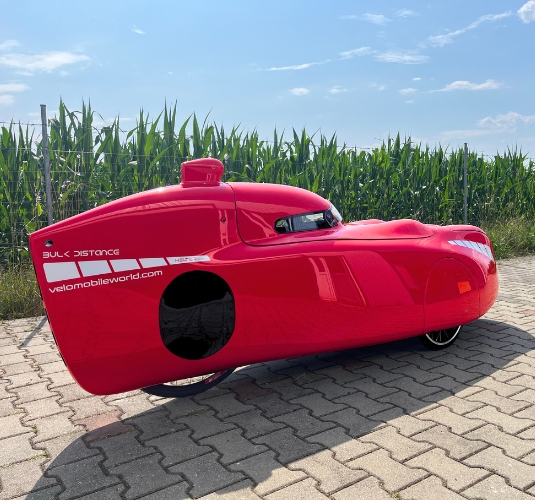
Velomobiles are built with strong parts to protect riders from impacts and crashes. These elements add extra safety beyond just stopping.
| Safety Element | Description |
| Reinforced Frame | Strong metal frame that resists bending or breaking |
| Crash Protection Shell | Hard outer shell that absorbs shocks and protects the rider |
| Seat Belts | Keep the rider securely in place during sudden stops |
| Roll Cage | Protects the rider if the velomobile rolls over |
Credit: www.velomobileworld.com
Comparing Velomobile Brakes To Bicycles
Velomobiles are like bicycles but have a full body shell. This design changes how some parts work. Braking is one area where they share features but also differ.
Understanding the brakes on velomobiles helps riders know what to expect. We will look at what is similar and what is different compared to bicycles.
Similarities In Braking
Both velomobiles and bicycles use brakes to slow down or stop. They rely on mechanical or hydraulic systems to apply force to the wheels.
The main types of brakes are similar. Velomobiles often have rim brakes or disc brakes like many bicycles.
- Both have brake levers on the handlebars
- Brake pads press against wheel rims or discs
- Braking controls are easy to reach while riding
Key Differences
Velomobiles have a heavier body and more parts that affect braking. They need stronger brakes to stop safely.
The enclosed design also means brakes can be harder to access. Some velomobiles use special brake setups to fit inside the shell.
- Velomobiles often use more powerful disc brakes for weight
- Brake cables or hoses may be longer due to frame shape
- Maintenance can be trickier because of the body shell
- Some velomobiles add extra brakes on rear wheels for safety
Maintenance Tips For Velomobile Brakes
Velomobiles come with brakes to keep riders safe. Regular care helps brakes work well and last longer.
Check your brakes often. Clean and fix small problems early to avoid big repairs.
Regular Inspection
Look at brake pads, cables, and discs for wear or damage. Make sure brakes feel firm when you press the lever.
- Check brake pads for thinning or cracks
- Inspect cables for rust or fraying
- Test brake lever pressure and response
- Look for any leaks in hydraulic systems
- Clean dirt and grime from brake parts
Common Repairs
Brakes may need parts replaced or adjusted. Fixing problems quickly keeps your velomobile safe.
| Problem | Cause | Solution |
| Soft brake lever | Air in hydraulic lines | Bleed brakes to remove air |
| Brake drag | Misaligned pads or stuck caliper | Adjust pads and clean caliper |
| Worn brake pads | Long use or hard braking | Replace pads with new ones |
| Frayed cables | Damage or rust | Replace cables immediately |
User Experiences With Velomobile Brakes
Many riders wonder if velomobiles have brakes and how well they work. Brakes are very important for safe riding.
Users share their thoughts on how velomobile brakes perform in real life. They also talk about safety and fixes.
Real-world Performance
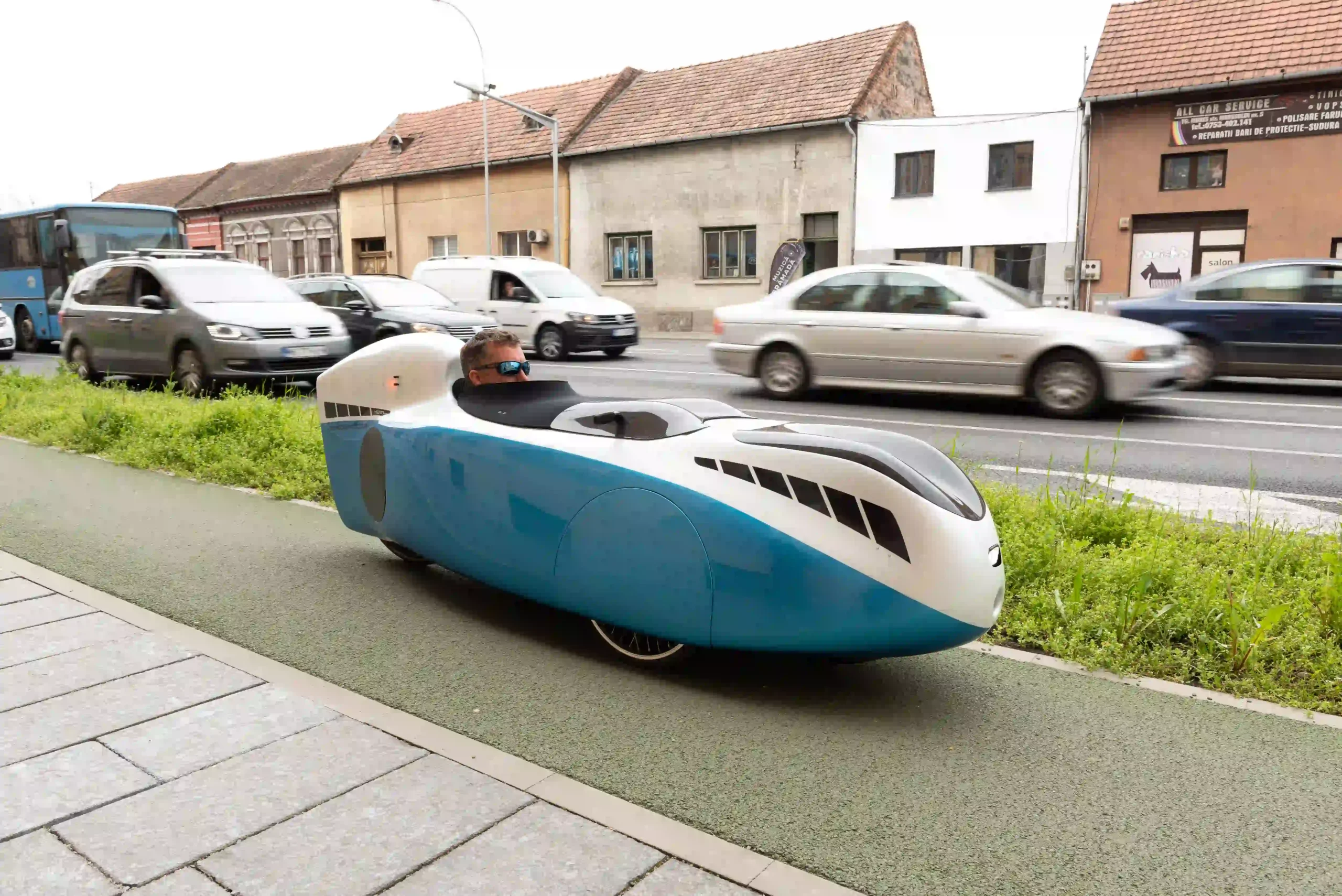
Most velomobiles come with effective brakes. Riders say the brakes stop the vehicle quickly and smoothly.
Some users note that braking feels different than on regular bikes. The weight and shape change the brake feel.
- Brakes can handle high speeds safely
- Brake pads last longer due to less wear
- Some velomobiles use disc brakes for better control
- Braking distance may be longer on wet roads
Safety Concerns And Solutions
Riders worry about brake failure or reduced stopping power on hills. Regular checks help avoid problems.
Some velomobile users add extra braking systems or upgrade parts for more safety.
- Check brake cables and pads often
- Use disc brakes for stronger stopping power
- Install reflectors and lights for better visibility
- Practice braking in different weather conditions
Credit: www.velomobileworld.com
Frequently Asked Questions
Do Velomobiles Come Equipped With Brakes?
Yes, most velomobiles have brakes installed. They typically use disc or rim brakes to ensure safe stopping. Brakes are essential for controlling speed, especially given velomobiles’ enclosed design and increased weight compared to regular bikes.
How Effective Are Velomobile Brakes Compared To Bicycles?
Velomobile brakes are generally more powerful due to higher vehicle weight. They require stronger braking systems like hydraulic disc brakes. These brakes offer reliable stopping power and better control on downhill or emergency stops.
Can Velomobile Brakes Handle High Speeds Safely?
Yes, velomobile brakes are designed for higher speeds. Their braking systems are robust to manage the momentum of enclosed, aerodynamic vehicles. Proper maintenance ensures consistent performance and safety during fast rides.
Are Velomobile Brake Systems Easy To Maintain?
Most velomobile brakes require regular maintenance similar to bicycles. Checking brake pads, cables, and fluid levels keeps them effective. Maintenance is straightforward and crucial for long-term safety and performance.
Conclusion
Velomobiles come equipped with brakes for safe riding. They use similar brake systems as bikes, such as disc or rim brakes. These brakes help control speed and stop quickly when needed. Riding a velomobile feels smooth and secure thanks to these brakes.
Always check your brakes before every ride. Good brakes keep you safe on roads and trails. So, yes, velomobiles do have brakes, and they work well. Stay safe and enjoy your ride!



