
Have you ever wondered if velomobiles come with batteries? If you’re curious about how these sleek, pedal-powered vehicles work and whether they need a power source, you’re in the right place.
Understanding whether velomobiles have batteries can change how you see their performance, convenience, and usability. Keep reading to discover the surprising facts about velomobiles and find out if a battery is part of the ride you might want to try.
Velomobile Basics
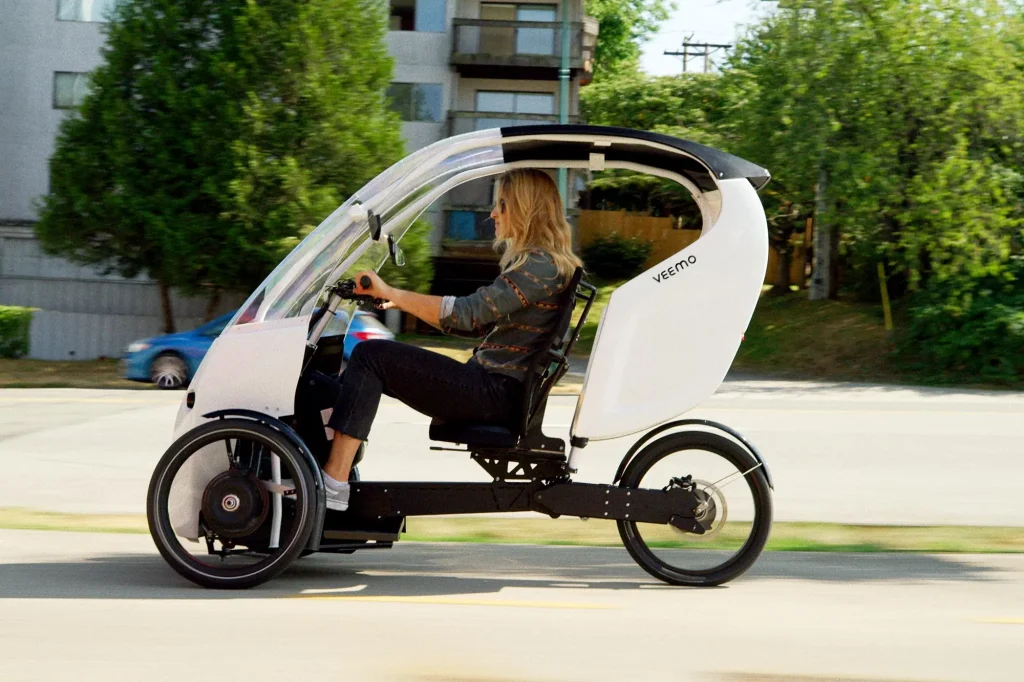
Velomobiles are special bikes with a shell around them. They look like small cars but are powered by pedaling.
Some velomobiles have batteries to help riders pedal easier or go faster.
What Is A Velomobile
A velomobile is a three-wheeled bike covered by a frame. This frame protects the rider from wind and rain.
People use velomobiles for commuting, exercise, or fun rides. They are faster and more comfortable than regular bikes.
Common Velomobile Designs
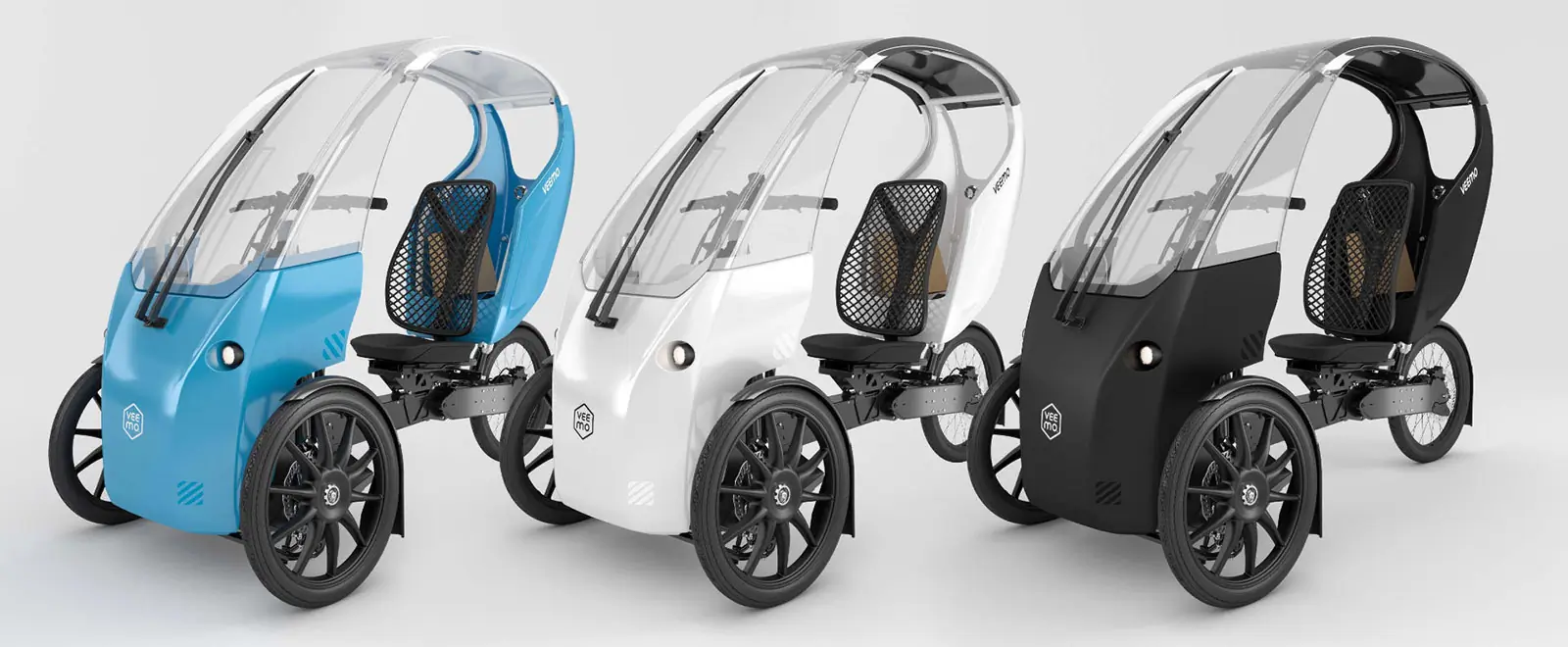
Velomobiles come in many shapes and sizes. Most have either a full or partial shell around the rider.
- Full shell: Covers the whole bike and rider for better weather protection.
- Partial shell: Covers only the top or front for light protection and less weight.
- Electric assist: Some designs include a battery and motor to help pedal.
Credit: www.instructables.com
Electric Features In Velomobiles
Velomobiles are human-powered vehicles shaped like cars. Some have electric help to make pedaling easier.
This electric help often uses batteries and motors. It adds power to the rider’s pedaling effort.
Presence Of Batteries
Many electric velomobiles have batteries. These batteries store energy to power the electric motor.
The batteries are usually rechargeable and last for many miles. They are often placed inside the frame or under the seat.
- Most use lithium-ion batteries for light weight and good power
- Battery size affects how far the velomobile can go on electric power
- Users can recharge batteries using a standard power outlet
Types Of Electric Assistance
Electric assistance in velomobiles comes in different types. These types help riders in various ways.
Some systems add power only when the rider pedals. Others can provide power without pedaling.
- Pedal Assist: Adds power only during pedaling to reduce effort
- Throttle Control: Lets rider control power with a throttle, like a motorbike
- Speed Limiters: Cut power at set speeds to keep safe riding
- Regenerative Braking: Charges the battery slightly when slowing down
Battery Options And Specifications
Velomobiles often include batteries to support electric assist features. These batteries vary in size and power depending on the model and use.
Understanding battery options helps riders choose the right velomobile for their needs, especially for longer rides or hilly terrain.
Battery Capacity And Range
Battery capacity is measured in watt-hours (Wh). It shows how much energy the battery can store. Bigger capacity means longer range.
| Battery Type | Capacity (Wh) | Estimated Range (miles) |
| Standard Lithium-ion | 300-500 | 20-40 |
| High Capacity Lithium-ion | 500-700 | 40-60 |
| Custom Battery Packs | 700+ | 60+ |
Charging Methods
Charging a velomobile battery is simple. Most use a standard charger that plugs into a wall outlet.
- Use the charger that comes with the velomobile.
- Charging time usually takes 4 to 8 hours.
- Fast chargers can reduce time but may reduce battery life.
- Some models allow charging while pedaling.
Benefits Of Electric Velomobiles
Electric velomobiles combine pedal power with battery assistance. They offer a smooth and easier riding experience.
These vehicles help riders travel faster and farther. Battery power plays a key role in their performance.
Enhanced Speed And Efficiency
Electric velomobiles use batteries to support pedaling. This helps riders reach higher speeds with less effort.
The battery-powered motor reduces the energy needed to climb hills or fight wind. It keeps the ride smooth and efficient.
- Boosts speed without tiring the rider
- Improves energy use during rides
- Makes uphill travel easier and faster
Extended Travel Distance
Batteries allow electric velomobiles to go longer distances. Riders can travel far without feeling exhausted.
With battery power, riders take breaks less often. This makes electric velomobiles good for commuting and long trips.
- Supports longer rides on a single charge
- Reduces fatigue during extended trips
- Good for daily commuting and leisure rides
Challenges With Batteries
Batteries play a key role in some velomobiles. They provide power for extra speed or lights. Yet, batteries bring several challenges to these vehicles.
Understanding these issues helps riders make better choices about battery use in velomobiles.
Weight And Space Considerations
Batteries add extra weight to a velomobile. This affects speed and handling. Also, batteries take up space that could be used for other gear.
- Heavy batteries make the velomobile harder to pedal.
- Finding room for a battery can limit storage space.
- Placement of batteries affects balance and safety.
- Extra weight may reduce battery efficiency over time.
Maintenance And Lifespan
| Battery Aspect | Challenge | Impact |
| Charging | Needs regular and proper charging cycles | Improper charging reduces battery life |
| Storage | Must be stored in cool, dry places | Poor storage leads to capacity loss |
| Wear | Batteries wear out after many uses | Replacement costs add up over time |
| Environmental Factors | Extreme temperatures can damage batteries | Limits when and where to use the velomobile |
Credit: gearjunkie.com
Future Trends In Velomobile Electrification
Velomobiles are changing with new electric options. Batteries and smart tech make rides easier.
In the future, electrification will focus on better batteries and smarter systems inside velomobiles.
Advances In Battery Technology
Battery tech is improving fast. New batteries last longer and charge quicker. They are also lighter, which helps speed.
- Solid-state batteries offer more safety and power.
- Faster charging reduces wait times during trips.
- Lighter batteries improve the velomobile’s balance.
- Longer battery life means longer rides without stops.
Integration With Smart Systems
Smart systems help drivers control and monitor their velomobiles. These systems connect to apps and sensors.
| Feature | Benefit |
| GPS Tracking | Find routes and avoid traffic |
| Battery Monitoring | Shows battery status in real-time |
| Automatic Lights | Improve safety on dark roads |
| Speed Control | Keep safe speeds in different zones |

Credit: newatlas.com
Frequently Asked Questions
Do All Velomobiles Come With Batteries?
Not all velomobiles have batteries. Some models are purely human-powered. However, many modern velomobiles include electric assist motors that require batteries for added power.
What Types Of Batteries Do Velomobiles Use?
Velomobiles typically use lithium-ion batteries. These batteries are lightweight, durable, and provide efficient energy storage for electric assist motors.
How Long Do Velomobile Batteries Last?
Velomobile battery life varies but usually ranges from 30 to 80 miles per charge. Factors like terrain and rider weight affect battery duration.
Can Velomobiles Run Without Batteries?
Yes, velomobiles can operate without batteries. They function as pedal-powered vehicles, but battery assist helps with speed and hill climbing.
Conclusion
Velomobiles offer an eco-friendly way to travel. Many come with battery options. These batteries assist pedaling, making rides easier. Not all velomobiles use batteries, though. Some rely solely on human power. Choosing one depends on your needs. Battery-powered options help on longer trips.
They offer convenience in hilly areas. Always consider your daily travel habits. This helps in making the right choice. Remember, the key is comfort and efficiency. Velomobiles provide both, with or without batteries. Explore the options and find what suits you best.
Safe travels on your velomobile journey!



