
Do I need insurance for a dirt bike? The answer depends on where you ride, local laws, and how you use your bike. This guide breaks down when insurance is required, what types of coverage exist, and how to choose the right policy—so you can ride with confidence and peace of mind.
Key Takeaways
- Legal requirements vary by location: Some states and countries require dirt bike insurance for public land or road use, while private trails may not.
- Liability coverage protects you financially: It covers damage or injury you cause to others, which is crucial in accidents.
- Comprehensive and collision coverage safeguard your bike: These help pay for repairs or replacement if your dirt bike is damaged, stolen, or vandalized.
- Off-road use doesn’t eliminate risk: Even on private property, accidents can happen—insurance offers protection beyond legal compliance.
- Shop around for specialized policies: Not all insurers offer dirt bike coverage, so compare options from companies that understand off-road vehicles.
- Document your bike and rides: Use photos, videos, or a bike camera to support claims and prove ownership.
- Consider add-ons like roadside assistance: These extras can be lifesavers during remote trail rides or mechanical failures.
Do I Need Insurance for a Dirt Bike? A Complete Guide
If you’re new to dirt biking or just bought your first off-road machine, you might be asking: Do I really need insurance for a dirt bike? It’s a smart question—and one that every responsible rider should consider. While dirt bikes are built for rugged terrain and high-speed thrills, they’re also vulnerable to accidents, theft, and unexpected damage. Insurance isn’t just about following the law—it’s about protecting yourself, your bike, and others.
In this guide, we’ll walk you through everything you need to know about dirt bike insurance. You’ll learn when it’s legally required, what types of coverage are available, how to choose the right policy, and practical tips to keep your rides safe and covered. Whether you’re hitting motocross tracks, exploring backcountry trails, or just cruising around your property, this guide will help you make informed decisions.
When Is Dirt Bike Insurance Required by Law?
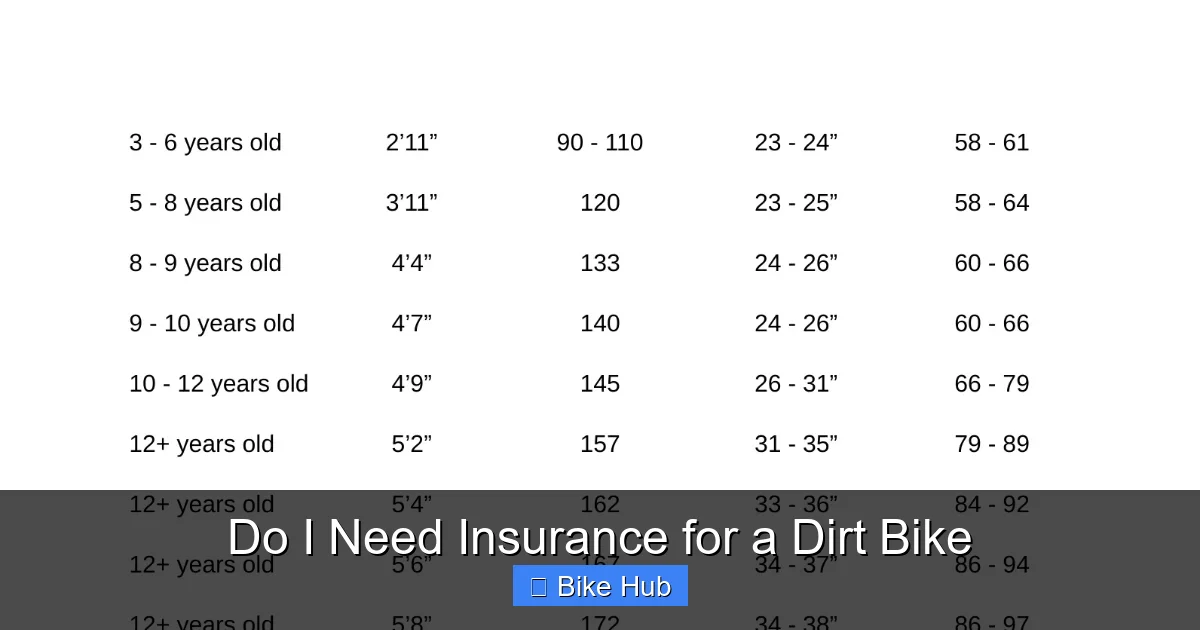
Visual guide about Do I Need Insurance for a Dirt Bike
Image source: images.template.net
The short answer: it depends on where you ride.
In most cases, dirt bikes are not street-legal and aren’t allowed on public roads. Because of this, many states in the U.S. don’t require insurance for off-road use on private land. However, rules change when you ride on public trails, state parks, or designated off-road areas.
Public Land and Trail Use
Some states, like California and Colorado, require liability insurance for dirt bikes used on public land. For example, California’s Off-Highway Motor Vehicle Recreation (OHMVR) program mandates that riders have at least $15,000 in bodily injury coverage per person and $30,000 per accident. Always check your state’s Department of Motor Vehicles (DMV) or equivalent agency for specific requirements.
Street-Legal Conversions
If you’ve modified your dirt bike to be street-legal—adding lights, mirrors, a horn, and registering it—you’ll likely need the same insurance as a motorcycle. This typically includes liability, and sometimes collision and comprehensive coverage, depending on your state.
Private Property Use
Riding on your own land or a friend’s private property usually doesn’t require insurance. But that doesn’t mean you’re risk-free. Accidents can still happen, and without coverage, you could be on the hook for medical bills or property damage.
Types of Dirt Bike Insurance Coverage
Visual guide about Do I Need Insurance for a Dirt Bike
Image source: harvardwestern.com
Even if it’s not required, insurance can be a smart investment. Here are the main types of coverage to consider:
Liability Coverage
This is the most basic and essential type of insurance. It covers costs if you injure someone or damage their property while riding. For example, if you accidentally crash into another rider or damage a fence on public land, liability insurance helps pay for medical bills or repairs.
Collision Coverage
This pays for damage to your dirt bike after a crash, regardless of who’s at fault. If you wipe out on a jump or collide with a tree, collision coverage can help cover repair costs—or even replace your bike if it’s totaled.
Comprehensive Coverage
This protects against non-collision incidents like theft, vandalism, fire, or weather damage. If your bike is stolen from your garage or damaged in a storm, comprehensive coverage steps in.
Uninsured/Underinsured Motorist Coverage
If you’re involved in an accident with another rider who doesn’t have insurance—or not enough—this coverage helps pay your medical bills and bike repairs.
Accessories and Gear Coverage
Many policies let you add coverage for aftermarket parts, helmets, boots, and other gear. This is especially useful if you’ve invested in high-end equipment like a best dirt bike boots for trail riding or custom exhaust systems.
Roadside Assistance and Recovery
If you ride in remote areas, this add-on can be a lifesaver. It covers towing, fuel delivery, or even a ride back if your bike breaks down far from home.
How to Choose the Right Dirt Bike Insurance Policy
Not all insurance policies are created equal—especially when it comes to off-road vehicles. Here’s how to find the best fit:
Step 1: Assess Your Riding Habits
Ask yourself:
– Where do I ride most often? (Private land, public trails, tracks?)
– How often do I ride?
– Is my bike street-legal?
– Do I travel to different states or countries?
Your answers will help determine the level of coverage you need.
Step 2: Compare Specialized Insurers
Standard auto or motorcycle insurers may not offer dirt bike coverage. Look for companies that specialize in off-road vehicles, such as Progressive, Geico, or dedicated providers like Dairyland or Foremost. These companies understand the unique risks of dirt biking and often offer more flexible policies.
Step 3: Check Coverage Limits and Deductibles
Make sure the policy offers enough liability coverage to protect your assets. A higher deductible can lower your premium, but it means you’ll pay more out of pocket if you file a claim.
Step 4: Read the Fine Print
Some policies exclude certain types of riding—like racing or stunt riding. If you plan to compete or try advanced tricks like a 360 spin on a dirt jump bike, confirm that your policy covers it.
Step 5: Bundle for Savings
If you already have auto or home insurance, ask about bundling your dirt bike policy. Many insurers offer discounts for multiple policies.
Practical Tips to Protect Your Dirt Bike
Insurance is just one part of staying safe. Here are a few extra steps to reduce risk:
Use a Bike Camera
Installing a bike camera for insurance can provide evidence in case of an accident or dispute. It also helps document your rides and can be useful for training or sharing your adventures.
Keep Detailed Records
Take photos of your bike, note its VIN, and keep receipts for repairs and upgrades. This makes it easier to prove ownership and value if you need to file a claim.
Store Your Bike Securely
Use a lock, garage, or storage shed to reduce the risk of theft. Some insurers offer discounts for secure storage.
Wear Proper Gear
While not directly related to insurance, wearing a helmet, gloves, and protective clothing reduces injury risk—and may lower your premiums if your insurer offers safety discounts.
Troubleshooting Common Insurance Issues
“My Claim Was Denied—What Now?”
If your claim is rejected, review your policy to see why. Common reasons include riding in excluded areas (like race tracks) or failing to report modifications. Contact your insurer to discuss options or file an appeal.
“I Can’t Find Affordable Coverage”
Try raising your deductible, reducing coverage on older bikes, or joining a riding club that offers group insurance rates. Some clubs partner with insurers to provide member discounts.
“I Ride in Multiple States”
Make sure your policy covers interstate riding. Some insurers limit coverage to your home state, so check the terms before traveling.
Conclusion
So, do you need insurance for a dirt bike? The answer isn’t always a simple yes or no—but in most cases, having coverage is a wise choice. Even if it’s not legally required, insurance protects you from financial loss, gives you peace of mind, and ensures you’re prepared for the unexpected.
Whether you’re a weekend warrior or a competitive rider, taking the time to understand your options and choose the right policy is an important step. Don’t wait until it’s too late. Get quotes, compare plans, and ride with confidence knowing you’re covered.
Remember: a great dirt bike is an investment—protect it like one.



