
Electric bikes do not recharge significantly when you pedal under normal riding conditions. While some models use regenerative braking to recover small amounts of energy during downhill coasting or braking, pedaling alone won’t meaningfully extend your battery range. Understanding how e-bike batteries work helps you ride smarter and longer.
[FEATURED_IMAGE_PLACEHOUNDER]
Key Takeaways
- Most e-bikes don’t recharge while pedaling: Standard electric bikes rely on external charging, not human-powered recharging.
- Regenerative braking is limited: Only certain e-bike models recover energy during braking or downhill riding—not from regular pedaling.
- Battery capacity matters more than pedal input: A larger battery gives longer range, regardless of how hard you pedal.
- Pedal-assist modes affect efficiency: Using lower assist levels conserves battery and lets you ride farther.
- Proper charging habits extend battery life: Charge regularly, avoid full discharges, and store batteries at moderate temperatures.
- E-bikes are designed for assistance, not regeneration: Their motors support your ride—they’re not built to generate power from pedaling.
- Know your model’s features: Check your e-bike’s manual to see if it supports regenerative braking or other energy-recovery tech.
Do Electric Bikes Recharge When You Pedal? The Truth Explained
If you’re new to electric bikes, you might wonder: *Can I recharge my e-bike just by pedaling?* It’s a common question—and a reasonable one. After all, regular bikes convert your leg power into motion. So why wouldn’t an e-bike turn that effort back into battery juice?
The short answer? No, electric bikes do not recharge when you pedal under normal riding conditions. Unlike hybrid cars or some high-end e-scooters, most e-bikes aren’t designed to generate electricity from your pedaling motion. Instead, they use rechargeable lithium-ion batteries that must be plugged in to charge.
But that doesn’t mean energy recovery is impossible. Some advanced e-bike systems do capture small amounts of energy—just not from pedaling alone. In this guide, we’ll break down exactly how e-bike power works, clarify myths about pedal-powered charging, and show you how to get the most out of your battery life.
How Electric Bike Batteries Work
Visual guide about Do Electric Bikes Recharge When You Pedal
Image source: electronwheel.com
Before diving into recharging myths, it helps to understand how e-bike batteries function.
Most modern e-bikes use lithium-ion batteries, similar to those in smartphones or laptops. These batteries store electrical energy and deliver it to a motor when you activate pedal-assist or throttle mode. The motor then helps turn the wheels, reducing the effort you need to pedal.
Key components include:
– Battery pack: Usually mounted on the frame or rear rack.
– Motor: Located in the hub (front or rear wheel) or mid-drive (near the pedals).
– Controller: Manages power flow between battery and motor.
– Display/console: Shows speed, battery level, and assist mode.
These systems are designed for assistance, not energy generation. When you pedal, the motor supplements your effort—it doesn’t reverse the process to send power back into the battery.
Why Pedaling Doesn’t Recharge Your E-Bike
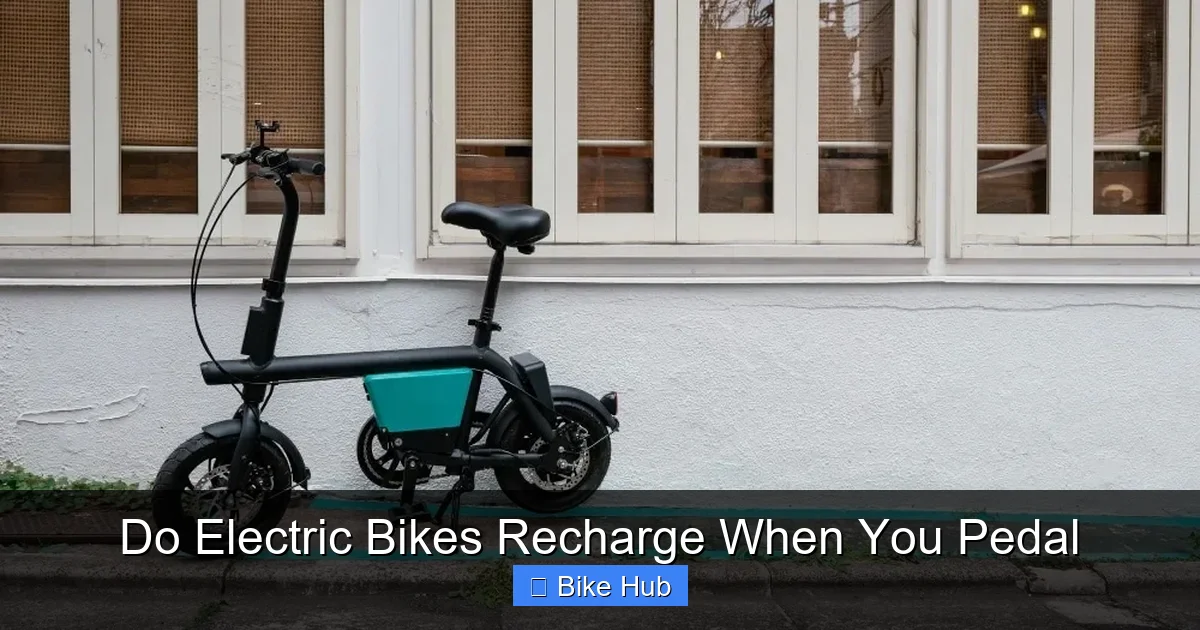
Visual guide about Do Electric Bikes Recharge When You Pedal
Image source: boltbikers.com
Let’s clear up the biggest misconception: pedaling an e-bike does not recharge its battery.
Here’s why:
1. Motors Aren’t Generators (In Most E-Bikes)
While electric motors can technically act as generators when spun backward, most e-bike motors aren’t wired or programmed to send electricity back to the battery during pedaling. Doing so would create drag, making pedaling harder—and defeating the purpose of an “assist” bike.
Imagine pedaling uphill with extra resistance just because your motor is trying to generate power. That’s not helpful—and it’s not how consumer e-bikes are built.
2. Energy Loss Is Too High
Even if an e-bike could convert pedal motion into electricity, the process would be extremely inefficient. Mechanical energy from pedaling would be lost as heat, friction, and sound long before it reached the battery. You’d likely expend more calories pedaling than the tiny amount of energy recovered.
In short: it takes more energy to generate electricity than you’d get back.
3. Battery Chemistry Limits Recharging
Lithium-ion batteries charge best with controlled, steady input—not the erratic, low-voltage output that would come from casual pedaling. Without sophisticated electronics to regulate this flow (which most e-bikes lack), attempting to recharge via pedaling could damage the battery.
But What About Regenerative Braking?
Now, here’s where things get interesting—and where confusion often starts.
Some electric bikes do feature regenerative braking, a technology that captures kinetic energy during braking or downhill coasting and feeds it back into the battery.
However, this is not the same as recharging while pedaling. Regen only works when:
– You’re slowing down (using brakes)
– You’re coasting downhill
– The system is specifically designed for it
And even then, the energy recovered is minimal—typically adding just 5–10% to your total range.
Which E-Bikes Have Regenerative Braking?
Regen is rare in mainstream e-bikes. It’s more common in:
– High-end commuter e-bikes (like certain models from Bosch or Shimano)
– Electric scooters and mopeds
– Performance-oriented e-MTBs (electric mountain bikes)
Most budget or mid-range e-bikes—including popular models under $2,000—do not include regenerative capabilities. Always check your bike’s specs or manual to confirm.
> 💡 Pro Tip: If you’re shopping for an e-bike with energy recovery features, look for terms like “regen braking,” “energy recapture,” or “kinetic charging” in the product description. For city commuting, models like those reviewed in our Best Electric Bikes for City Commuting guide may offer smarter efficiency features.
How to Maximize Your E-Bike’s Battery Life
Since pedaling won’t recharge your battery, focus on strategies that actually extend range and preserve battery health.
1. Use Lower Assist Levels
Higher pedal-assist modes drain the battery faster. For flat terrain or light riding, switch to Eco or Tour mode. Save Turbo or Sport for hills or headwinds.
2. Maintain Proper Tire Pressure
Underinflated tires increase rolling resistance, forcing the motor to work harder. Check pressure weekly using a reliable gauge—like the ones recommended in our Best Electric Bike Pump guide.
3. Reduce Weight and Drag
Carry only what you need. Remove unnecessary bags, racks, or accessories. Streamlined riding = less motor strain.
4. Charge Smart
– Charge after each ride (don’t wait for 0%).
– Avoid extreme temperatures (don’t charge in freezing garages or hot cars).
– Use the manufacturer’s charger—never generic replacements.
5. Store Batteries Properly
If storing your e-bike for weeks, keep the battery at ~50% charge in a cool, dry place. Fully charged or fully drained batteries degrade faster over time.
Troubleshooting Common Battery Myths
“My friend said his e-bike charges when he pedals hard!”
This is likely confusion with pedal-assist activation. When you pedal, the motor kicks in—but it’s drawing power, not creating it. No net gain occurs.
“Can I改装 (modify) my e-bike to recharge while pedaling?”
Technically possible with custom electronics, but not practical. The added weight, cost, and complexity outweigh any minor energy gains. Plus, it may void your warranty.
“Why don’t all e-bikes have regenerative braking?”
Regen adds cost, weight, and complexity. For most riders, the tiny range boost isn’t worth it. Manufacturers prioritize simplicity, reliability, and affordability—especially in budget-friendly e-bikes under $2,000.
Final Thoughts: Ride Smart, Not Hard
Electric bikes are incredible tools for commuting, recreation, and reducing car dependence. But they’re not perpetual motion machines. Your battery needs regular plug-in charging—no amount of enthusiastic pedaling will change that.
Instead of hoping to “recharge on the go,” focus on smart riding habits:
– Choose the right assist level for your terrain
– Keep your bike well-maintained
– Invest in a quality charger and pump
– Know your bike’s real-world range
And if you’re serious about efficiency, consider an e-bike with advanced features like regenerative braking—but understand its limits.
Remember: The best way to “recharge” your e-bike is still plugging it into the wall. Everything else is just smart energy management.



