
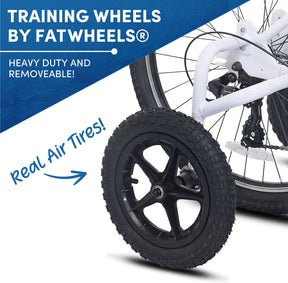
Are you thinking about getting an adaptive bike but wondering if it comes with a warranty? You want to make sure your investment is protected, right?
Knowing whether your bike has a warranty can save you money and stress down the line. You’ll discover exactly what warranties cover, how to check if your adaptive bike is protected, and why this matters for your peace of mind.
Keep reading to find out everything you need before making your purchase.
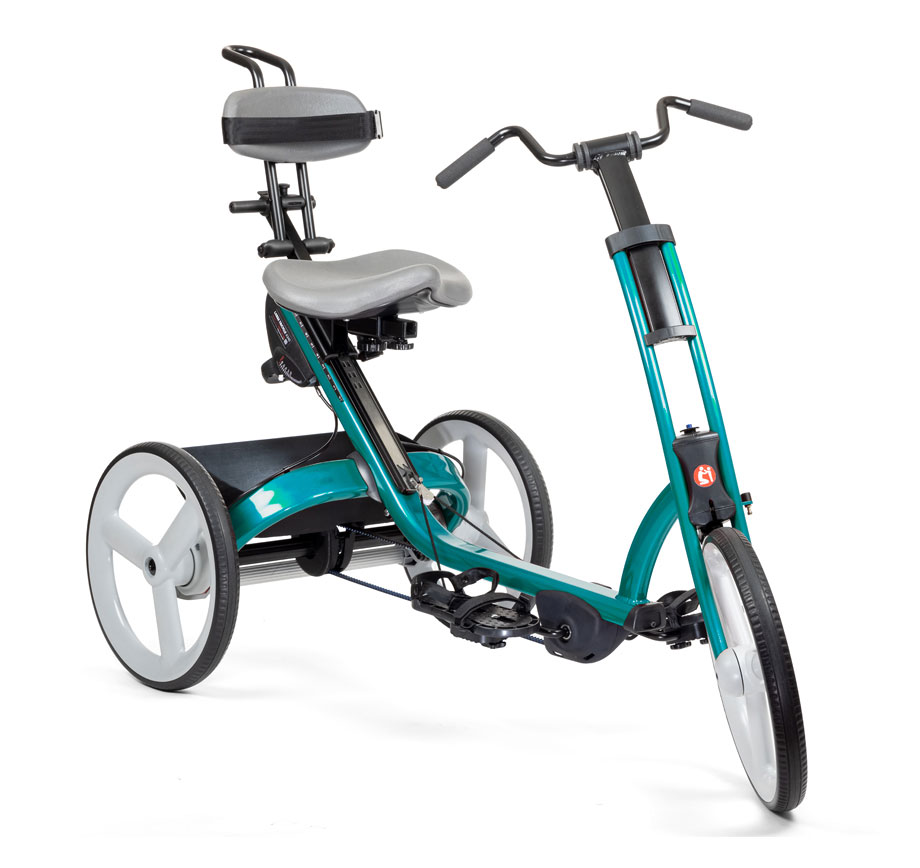
Credit: www.rifton.com
Warranty Coverage Basics
Adaptive bikes often come with warranties to protect buyers. These warranties cover repairs or replacements if problems occur.
Understanding what the warranty covers helps you know your rights. It also guides you in maintaining the bike properly.
Types Of Warranties
There are different types of warranties for adaptive bikes. Some cover the entire bike, while others cover only certain parts.
- Manufacturer’s warranty covers defects in materials and workmanship.
- Extended warranty offers longer protection for an extra cost.
- Limited warranty covers specific parts or issues only.
Duration Of Coverage
Warranty length varies by brand and model. Most last from one to five years.
| Warranty Type | Typical Duration |
| Manufacturer’s Warranty | 1 to 2 years |
| Extended Warranty | 3 to 5 years |
| Limited Warranty | Varies by part |
Parts Included
Warranties may include certain parts but exclude others. Commonly covered parts include the frame and drivetrain.
- Frame and fork
- Brakes and gears
- Wheels and tires (sometimes limited)
- Electrical components (if applicable)
Manufacturer Warranty Policies
Adaptive bikes often come with warranties from the manufacturer. These warranties protect buyers from defects and issues. Understanding these policies helps buyers know what is covered.
Warranty policies vary by brand and model. Some offer basic coverage, while others provide more options. Here, we explain common warranty terms for adaptive bikes.
Standard Warranty Terms
Most adaptive bikes include a standard warranty. This warranty usually covers defects in materials and workmanship. It often lasts from one to two years.
The warranty may cover parts like the frame, wheels, and brakes. Normal wear and tear or damage from misuse is not covered.
- Coverage lasts 12 to 24 months
- Covers defects in materials and workmanship
- Excludes damage from accidents or misuse
- May require proof of purchase for claims
Extended Warranty Options
Some manufacturers offer extended warranty plans. These plans increase the coverage period beyond the standard terms. Buyers can buy these plans at purchase or within a set time.
Extended warranties may cover more parts or additional repairs. They provide extra peace of mind for long-term use.
- Extends warranty from 2 to 5 years
- May cover additional repairs or parts
- Usually costs extra
- Must be purchased early, often with the bike
Warranty Transferability
Not all warranties transfer to new owners. Some manufacturers allow warranty transfer if the bike is sold. Others restrict coverage to the original buyer.
Transfer rules vary. Check the warranty policy before buying a used adaptive bike to know if coverage continues.
- Some warranties transfer to new owners
- Others cover only the first buyer
- Transfer may require paperwork or fees
- Check policy before buying used bikes
What Warranties Typically Exclude
Adaptive bike warranties usually cover defects in materials and workmanship. They do not cover all types of damage or issues.
It is important to know what is excluded. This helps avoid surprises if you need a repair or replacement.
Wear And Tear Items
Warranties often exclude damage from normal use. Parts that wear out over time are usually not covered.
Examples of wear and tear parts include tires, brake pads, and chains. These parts need regular maintenance or replacement.
- Tires
- Brake pads
- Chains
- Handlebar grips
- Seat covers
Accidental Damage
Most warranties do not cover damage caused by accidents. This includes crashes or impacts that harm the bike.
If the bike falls or hits something hard, repairs from these events are usually not covered. You may need to pay for repairs yourself.
Unauthorized Repairs
Repairs done by people not approved by the manufacturer often void the warranty. This means the warranty will not pay for those repairs.
Always use authorized service centers or technicians. Unauthorized changes or fixes can cause more damage and lose warranty protection.

Credit: ferlafamilybikes.com
How To Register And Claim Warranties
Adaptive bikes often come with warranties to protect buyers. These warranties cover defects and issues with the bike.
Registering your bike and knowing how to claim the warranty helps you get support if problems arise.
Registration Process
Register your adaptive bike soon after purchase. Registration activates your warranty and links it to you.
You can register online or by mailing a form. Keep your purchase receipt ready for registration.
- Find the registration page on the manufacturer’s website
- Fill out your name, contact details, and bike information
- Upload or attach your purchase receipt
- Submit the form and wait for confirmation
Filing A Warranty Claim
If your bike has a defect, file a warranty claim quickly. Delays may cause your claim to be denied.
Contact the manufacturer’s customer service or use their online claim system to start the process.
- Describe the issue clearly and in detail
- Provide your bike’s serial number and registration info
- Follow the instructions given by the manufacturer
- Wait for approval before sending the bike for repair or replacement
Required Documentation
Having the right documents helps your warranty claim go smoothly. Keep these documents safe.
- Original purchase receipt or invoice
- Proof of registration or warranty card
- Photos or videos showing the defect
- Any communication with customer service
Comparing Warranty Offers
Adaptive bikes often come with warranties. These warranties protect your purchase. It is good to compare them before buying.
Warranties can vary by brand and model. Knowing what each warranty covers helps you choose better.
Top Brands Warranty Comparison
Top adaptive bike brands offer different warranty lengths. Some cover parts for one year. Others provide longer coverage.
Some brands include warranty on the frame and electronics. Others may exclude certain parts. Always check the details.
| Brand | Warranty Length | Coverage |
|---|---|---|
| Brand A | 2 years | Frame and parts |
| Brand B | 1 year | Parts only |
| Brand C | 3 years | Frame, parts, and electronics |
What To Look For
Check what the warranty covers. Look for frame damage, parts, and electronics coverage. Some warranties cover labor costs.
Read the warranty terms carefully. See if wear and tear is covered. Check if the warranty requires regular maintenance.
- Length of warranty period
- Covered parts and components
- Exclusions and limitations
- Claim process and support
- Maintenance requirements
Customer Reviews And Experiences
Customer reviews help understand real warranty experiences. Some buyers share how easy or hard claims were.
Look for comments on warranty service speed and fairness. See if customers faced problems with parts replacement.
- How quickly the company responds
- Ease of filing warranty claims
- Quality of repaired or replaced parts
- Customer support helpfulness
- Any recurring issues with the bike

Credit: sendy.io
Tips To Maximize Warranty Benefits
Adaptive bikes often come with warranties to protect your purchase. Knowing how to use the warranty well can save you money and trouble. Follow these tips to get the most from your bike’s warranty.
Taking good care of your bike and keeping records will help if you need warranty service. It is important to understand the warranty terms and keep everything organized.
Routine Maintenance
Regular maintenance keeps your adaptive bike in good shape and prevents issues. Some repairs are not covered if the bike is not well maintained.
- Check tires and brakes often for wear
- Keep the chain clean and lubricated
- Tighten bolts and screws regularly
- Follow the manufacturer’s maintenance schedule
- Clean your bike to avoid rust and damage
Authorized Service Centers
Use only authorized service centers for warranty repairs. Repairs done elsewhere may void your warranty. Authorized centers have trained staff and genuine parts.
| Reason | Benefit |
|---|---|
| Qualified Technicians | Correct diagnosis and repair |
| Genuine Parts | Maintain bike quality and warranty validity |
| Warranty Records | Proper documentation of service |
| Faster Service | Priority handling for warranty issues |
Keeping Purchase Records
Keep all purchase documents and receipts safe. These prove your warranty coverage and help with claims. Digital copies are useful in case the originals are lost.
- Save the original sales receipt
- Keep warranty cards or booklets
- Store repair and maintenance records
- Scan and save documents on your phone or computer
- Note the purchase date and serial number
Frequently Asked Questions
Do Adaptive Bikes Typically Come With Warranties?
Yes, most adaptive bikes include manufacturer warranties. These warranties cover defects in materials and workmanship for a specific period, usually one to two years.
What Does An Adaptive Bike Warranty Usually Cover?
Warranties often cover frame defects, parts, and mechanical issues. Normal wear and accidental damage are generally excluded from coverage.
How Long Is The Warranty On Adaptive Bikes?
Warranty length varies but typically ranges from one to two years. Some brands offer extended warranty options for additional coverage.
Can I Extend The Warranty On An Adaptive Bike?
Many manufacturers offer extended warranty plans. These can be purchased during or after the initial sale for added protection.
Conclusion
Exploring warranty options for adaptive bikes is essential. They provide peace of mind. Check different brands and their warranty offers carefully. Some cover parts, others labor. Read terms to avoid surprises later. Keep all purchase documents safe. They help with warranty claims.
Customer reviews can guide your choice. A good warranty reflects the company’s confidence in their product. This ensures reliability. Investing in an adaptive bike is a big step. Make sure it comes with solid protection. Your riding experience should be worry-free.
Warranty plays a key role in that. Choose wisely for a secure ride.



