
Are you ready to hit the trails but feeling stuck between choosing a full-suspension or a hardtail bike? You’re not alone.
Many mountain biking enthusiasts face this dilemma, and making the right choice can significantly impact your riding experience. Imagine gliding over rugged terrain with ease or feeling every bump along the way. The decision you make could mean the difference between an exhilarating adventure and a bumpy ride.
By understanding the key differences between full-suspension and hardtail bikes, you’ll gain the confidence to choose the one that aligns perfectly with your biking dreams. Stick around as we break down the essentials, helping you navigate the trail of decision-making with ease and excitement.
Full-suspension Bikes
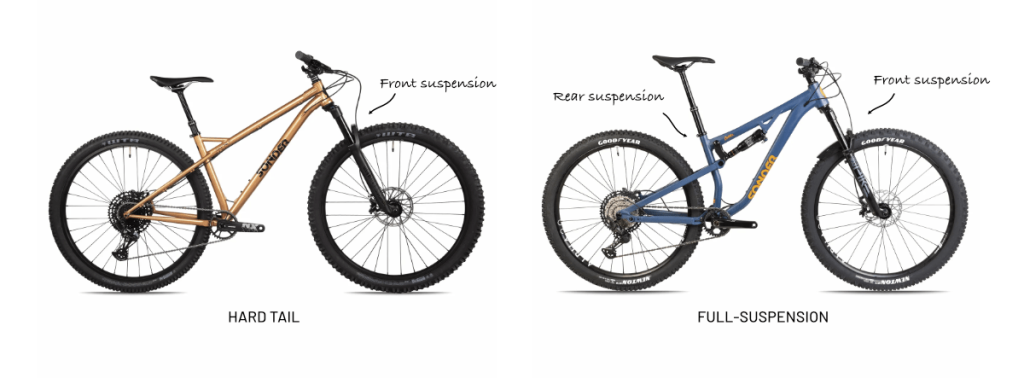
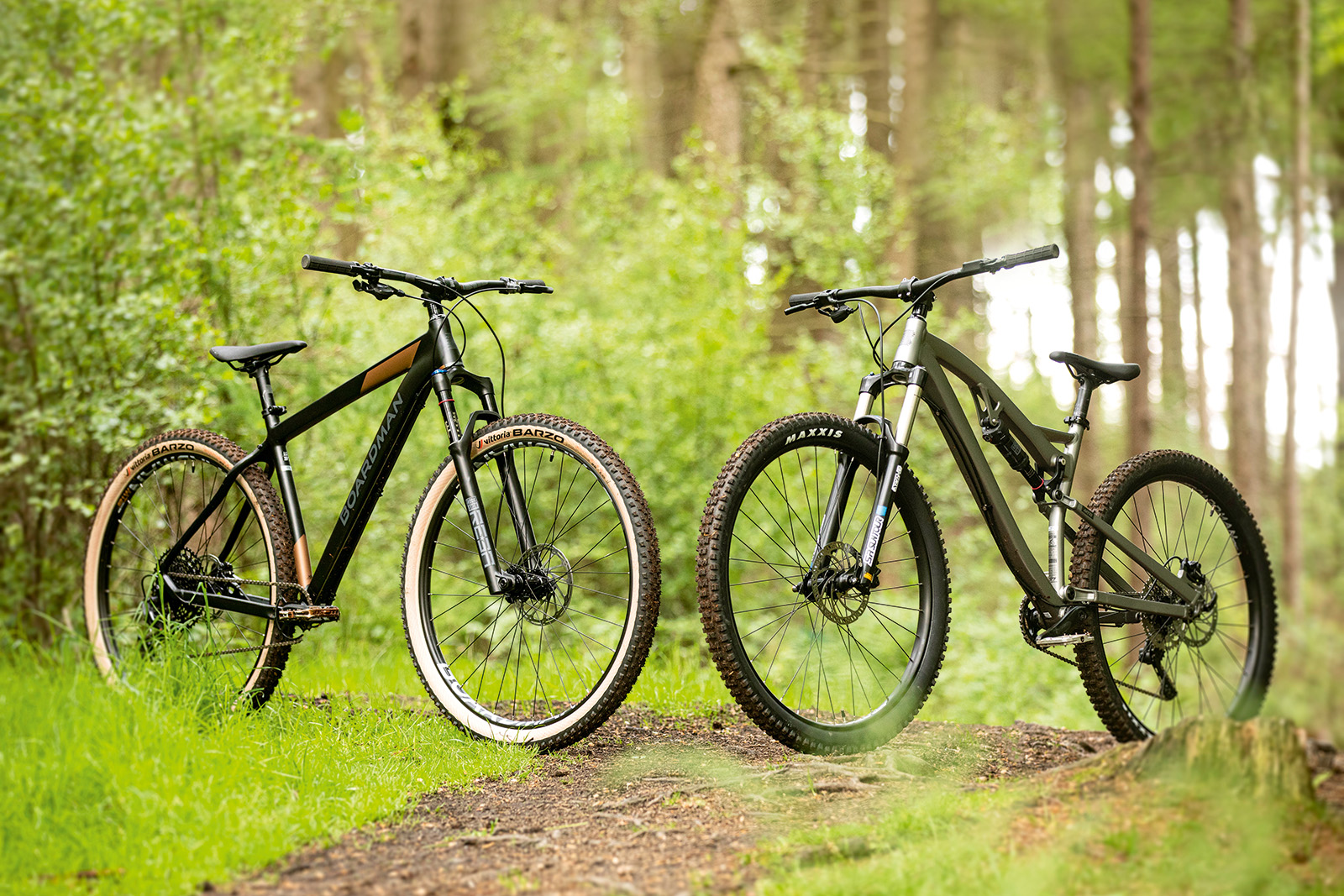
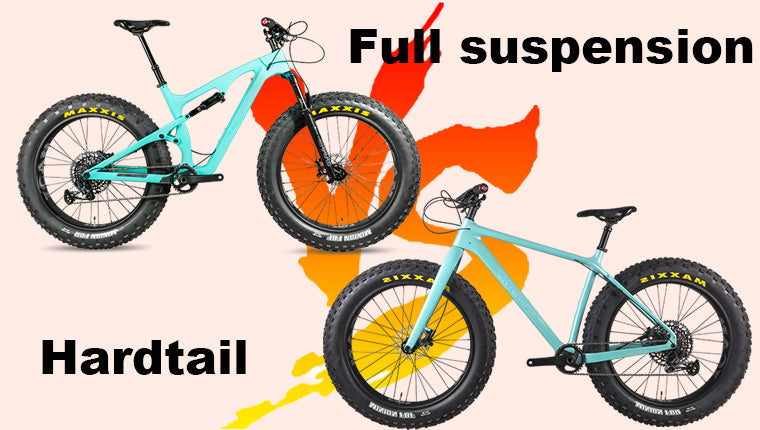
Full-suspension bikes have two shocks: one on the front fork and one near the rear wheel. They offer better control on rough trails. Their design is complex and includes multiple pivot points. This allows for smooth riding over bumps and rocky paths.
These bikes absorb shocks efficiently. Riders can enjoy comfort on uneven terrains. Greater stability is an advantage. They provide better traction on slippery surfaces. Downhill rides feel safer and more controlled.
Full-suspension bikes are heavier. They require more maintenance. These bikes are usually more expensive than hardtail bikes. They can be harder to pedal uphill. Complex parts might need frequent checks.
Perfect for rough trails and mountain paths. They work well in muddy areas. Suitable for downhill racing. Great on rocky terrains. They excel in off-road adventures.
Hardtail Bikes
Hardtail bikes have a simple design. Only the front has a suspension. The back is stiff. This makes them lighter and easier to maintain. They are great for smooth trails. Riders enjoy the direct feel of the trail.
Hardtail bikes are often cheaper than other bikes. They are lighter and faster on flat trails. Their simple build means less can break. Many riders find them fun and easy to learn on.
These bikes are not best for bumpy rides. Riders feel every bump. This can be uncomfortable. Hardtail bikes are not ideal for technical trails. Their lack of rear suspension can be a problem.
Hardtail bikes work well on smooth trails. They are great for dirt paths and city rides. Riders prefer them for easy trails. They are perfect for learning and simple rides.
Performance Comparison
Full-suspension bikes offer smoother rides on rough terrains. Hardtail bikes are faster on flat surfaces. Less energy lost in the pedaling process. Hardtails are often preferred for climbing hills. Full-suspension bikes absorb shocks better. This makes them slower on smooth trails.
Full-suspension bikes provide better control. This is true on bumpy trails. Hardtail bikes have simpler designs. Easier to handle on smooth paths. Full-suspension bikes excel in rocky areas. Better grip and stability. Hardtails may slip on loose dirt.
Full-suspension bikes offer more comfort. They absorb shocks and bumps. Hardtail bikes can be rougher. Riders feel more vibrations. Full-suspension bikes are ideal for long rides. Less fatigue and discomfort. Hardtails might cause sore muscles after a ride.
Hardtail bikes are lighter. Easier to carry and transport. Full-suspension bikes weigh more. They have more parts and components. Hardtails are better for speed. Less weight means faster acceleration. Full-suspension bikes are sturdy but heavier.
Credit: www.bikeradar.com
Cost Analysis
Full-suspension bikes can be more expensive. They usually start from higher prices. Hardtail bikes are often cheaper. They are more budget-friendly for new riders. Full-suspension bikes have more parts. This makes them cost more.
Full-suspension bikes need more care. They have more moving parts. Hardtail bikes need less maintenance. Fewer parts mean easier upkeep. Full-suspension bikes might need repair more often. Hardtail bikes are simpler to fix.
Full-suspension bikes can last longer. They have better technology. Hardtail bikes are good for short-term use. Full-suspension bikes are a better choice for serious riders. Hardtail bikes are great for beginners.
Choosing The Right Bike
Think about your riding style. Do you enjoy smooth trails or bumpy paths? Full-suspension bikes offer more comfort. Hardtails are simpler and lighter. They are great for easy trails. Decide what matters most. Comfort or simplicity?
Different terrains need different bikes. Full-suspension bikes handle bumpy trails well. They absorb shocks. Hardtails are better on smooth roads. They go faster on easy trails. Choose a bike based on where you ride most.
Bikes can be costly. Full-suspension bikes usually cost more. They have more parts. Hardtails are less expensive. They are good for beginners. Spend wisely based on your needs and savings.

Credit: www.youtube.com
Expert Tips And Recommendations
Many bikers choose between full-suspensionand hardtailbikes. Full-suspension bikes have shocks in the front and back. They are great for rough trails. Hardtail bikes only have front shocks. They are lighter and faster on smooth paths.
Full-suspension bikes are more comfortable. Hardtail bikes are easier to maintain. Some riders like the challenge of a hardtail. Others prefer the comfort of full-suspension.
A big mistake is not knowing the trail type. Choose a bike that matches your path. Picking the wrong bike can make rides hard. Many new riders buy fancy gear first. Focus on a good bike instead.
Overlooking bike fit is another error. Ensure your bike fits your body well. Comfort is key to enjoying your ride.
Many upgrades can make your bike better. Tiresare an easy change. Choose tires that fit your riding style. The right tires improve grip and speed.
Another upgrade is the seat. A comfy seat makes long rides fun. Consider upgrading the handlebarstoo. Good handlebars improve control.
Credit: icancycling.com
Frequently Asked Questions
Is A Hardtail Or Full Suspension Better?
Choose a hardtail for lighter weight and easier maintenance. Opt for full suspension for better comfort and control on rough terrains. Personal preference and riding style will determine the best choice for you. Test both types to see which suits your needs and terrain.
What Are The Disadvantages Of A Full Suspension Bike?
Full suspension bikes can be expensive and heavier than hardtails. Maintenance is more complex and costly. They might be less efficient on smooth terrains. Pedal bob can reduce pedaling efficiency. Some riders find them less responsive than hardtail bikes.
Why Do People Prefer Hardtails?
People prefer hardtails for their lightweight design and affordability. They offer better pedaling efficiency and simplicity. Hardtails are ideal for smooth trails and climbing. Riders enjoy their low maintenance and responsive handling. These bikes provide a great entry point for beginners and are versatile for various terrains.
Is It Easier To Jump A Hardtail Or Full Suspension?
Jumping a hardtail bike often feels easier due to its lighter weight and simpler design. Full suspension bikes offer more stability and control during jumps, especially on rough terrain. Riders may prefer hardtails for technical precision, while full suspensions excel in absorbing impact, offering a smoother landing.
Conclusion
Choosing between full-suspension and hardtail bikes depends on your riding style. Full-suspension bikes offer comfort on rough trails. Hardtail bikes are lighter and easier on smooth paths. Consider your terrain before making a decision. Think about your budget too. Full-suspension costs more but offers more features.
Hardtails are affordable and simple. Both types have unique benefits. Take time to test each type. Feel the ride before purchasing. Your biking experience depends on the right choice. Enjoy the adventure on your perfect bike!



