

Imagine the feeling of wind rushing past you, the rhythmic hum of wheels on pavement, and the vibrant kaleidoscope of colors adorning cyclists as they race by. As someone who cherishes the thrill of cycling, you might have noticed the distinct and stylish cycling jerseys worn by riders.
But have you ever wondered about the story behind these iconic garments? The cycling jersey is not just a piece of clothing; it’s a symbol of heritage, innovation, and performance. It’s fascinating how something so seemingly simple has evolved over the years, mirroring the advancements in sports technology and fashion.
Each thread and stitch holds a tale of transformation, driven by a quest for speed, comfort, and identity. Dive into the intriguing history of cycling jerseys, where function meets fashion, and discover how your choice of jersey connects you to a legacy that spans over a century. Whether you’re a seasoned cyclist or new to the world of biking, understanding the evolution of these jerseys will enrich your riding experience. Get ready to explore the past, present, and future of cycling jerseys, and see how they continue to shape the sport you love.
Origins Of Cycling Jerseys
Cycling jerseys began with simple designs. Riders wore woolen garmentsfor comfort. Wool kept riders warm and dry. It absorbed sweat well. Colors were often plain and muted. Designs were not fancy or bright. Jerseys had long sleeves for cold weather. They had high collarsfor protection. Jerseys were heavy when wet.
Competitive cycling changed jersey designs. Riders wanted lightweight jerseys. Lighter jerseys meant faster speeds. They needed breathable materials. Designers started using cotton blends. These were lighter than wool. Colors became brighter and bolder. Teams used jerseys to show their colors. Logos and sponsors appeared on jerseys. Competitions inspired innovative designs.

Credit: www.instagram.com
Technological Advancements
Cycling jerseys have evolved significantly with technological advancements. Early jerseys were made from wool, offering little breathability. Modern designs use lightweight, moisture-wicking fabrics that enhance comfort and performance.
Introduction Of Synthetic Fabrics
Early cycling jerseys were made from wool. Wool was warm but heavy. Then, synthetic fabrics changed everything. They are lighter and dry faster. Cyclists stay cooler and ride longer. Nylon and polyester are popular choices. These materials are stretchy and fit better. Bright colors make cyclists visible on roads. Synthetic fabrics are easy to clean and last longer.
Breathability And Comfort Innovations
Breathable fabrics let air pass through. Cyclists sweat less and stay dry. Mesh panels improve airflow. Jerseys have zippers for ventilation. Elastic bands keep jerseys snug. Comfortable jerseys help cyclists focus on the ride. Soft collars and smooth seams prevent chafing. Modern jerseys are designed for comfort and performance.
Iconic Styles Through The Decades
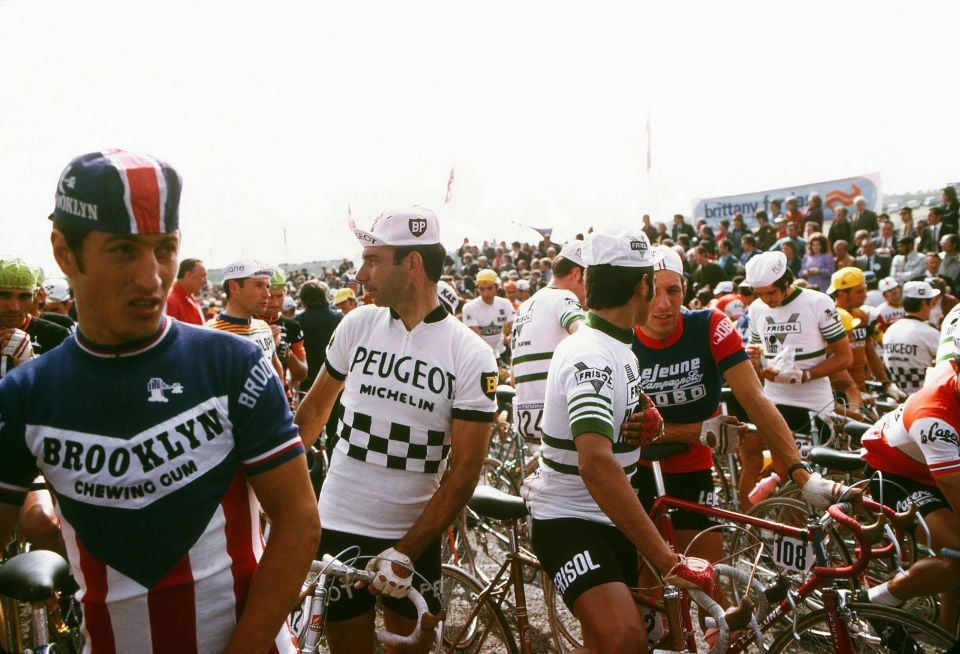
Cycling jerseys were made of wool. They were simple and warm. Riders wore them for long races. Comfort was important. Designs were plain. Colors were often dull. Wool absorbed sweat. It kept riders dry. Jerseys had pockets. They held snacks and tools. The style was practical. It was built for endurance.
Jerseys became colorful. Teams showed off logos. Bright designs caught eyes. Sponsorship grew. Riders wore brands proudly. Colors and logos helped teams stand out. Styles were more modern. Material changed to lighter fabrics. It was more breathable. Jerseys had zipper fronts. They were easier to wear.
Jerseys focused on speed. Designs were sleek. Materials were high-tech. They reduced wind drag. Brands were prominent. Logos covered jerseys. Riders became walking billboards. Fit was tighter. It improved performance. Jerseys were engineered for aerodynamics. Technology shaped the style.
Credit: www.owayo.com
Cultural Impact
Cycling jerseys have evolved, reflecting cultural shifts and technological advancements. These garments symbolize athletic identity and team spirit. Their designs often mirror social trends, making them iconic in sports fashion.
Cycling Jerseys In Pop Culture
Cycling jerseys have appeared in many movies and TV shows. They often symbolize freedom and adventure. Many celebrities wear them in public. This makes jerseys even more popular. Bright colors and unique designs catch people’s attention. Fans sometimes mimic these styles. This helps spread cycling culture worldwide. Jerseys connect fans with cycling events. They also inspire new fashion trends. Even kids love the vibrant patterns.
Role In Team Identity
Team jerseys show unity and strength. Each team has its own colors and logos. These help fans recognize their favorite teams. Matching jerseys create a strong bond among teammates. They feel proud wearing their team colors. Jerseys also help teams stand out in competitions. Unique designs make teams memorable. Fans often buy jerseys to support their teams. This builds a strong community around cycling.
Modern Trends
Cycling jerseys have evolved from woolen garments to sleek, aerodynamic designs. Bright colors and high-tech fabrics now dominate, enhancing performance and visibility. Modern trends focus on sustainability and personalization, reflecting cyclists’ unique style and environmental awareness.
Eco-friendly Materials
Many cycling jerseys now use eco-friendly materials. These materials are often made from recycled plastics. They help reduce waste and protect the planet. Some jerseys are made from organic cotton. This uses less water and no harmful chemicals. Riders love these materials. They feel soft and comfortable against the skin. Eco-friendly jerseys are also very breathable. This keeps cyclists cool on hot days. Choosing these jerseys is a smart choice for the earth.
Customization And Personal Expression
Many riders enjoy customizing their jerseys. They can add their names or favorite colors. Some like to include team logos or special designs. This makes each jersey unique. Custom jerseys show personal expression. They let cyclists stand out in a crowd. Having a jersey that reflects your style feels great. It’s fun to wear something that is truly yours. Customization makes cycling even more enjoyable.
Future Of Cycling Jerseys
Smart fabrics make jerseys cooler. They adjust to the weather. These fabrics help keep cyclists dry. They wick away sweat quickly. Some jerseys have sensors inside. These sensors track heart rate and speed. Cyclists get real-time data. This helps them improve performance. Technology makes jerseys more advanced. It helps cyclists ride better.
Many jerseys are now eco-friendly. They use recycled materials. This helps the planet a lot. Factories try to be ethical. They treat workers fairly. This is important for everyone. Sustainable production reduces waste. It supports a healthier environment. Cyclists can choose jerseys wisely. They care about the earth and people.

Credit: www.instagram.com
Frequently Asked Questions
What Is The Origin Of Cycling Jerseys?
Cycling jerseys originated in the late 19th century. They were developed for competitive cyclists needing comfortable, breathable clothing. Early jerseys were often made of wool, which was standard at the time. Over the decades, technological advancements improved materials, enhancing performance and comfort for cyclists.
How Have Cycling Jerseys Evolved Over Time?
Cycling jerseys have evolved significantly in design and materials. Initially made from wool, modern jerseys use synthetic, moisture-wicking fabrics. This change improves breathability and comfort. Designs have become more aerodynamic, with advanced features like UV protection and reflective elements for safety.
Why Are Cycling Jerseys Brightly Colored?
Bright colors in cycling jerseys enhance visibility and safety. They help cyclists stand out on roads, reducing accident risks. Additionally, vibrant designs allow teams and sponsors to display logos clearly. This visibility is crucial in competitive cycling for both safety and promotional purposes.
What Materials Are Used In Modern Cycling Jerseys?
Modern cycling jerseys use synthetic materials like polyester and elastane. These fabrics are lightweight and breathable. They wick moisture away from the body, keeping cyclists dry. This material choice enhances comfort and performance, making it ideal for both competitive and recreational cycling.
Conclusion
Cycling jerseys have changed greatly over the years. Their evolution reflects both style and technology. Early jerseys were made from wool. Today, modern fabrics offer more comfort and performance. Designs have become colorful and creative. Each jersey tells a story.
Riders express individuality through their choices. Cycling jerseys are not just clothing. They are symbols of passion and dedication. People wear them with pride. The history of cycling jerseys is rich and fascinating. It shows how cycling culture continues to grow.
Jerseys will keep evolving, inspired by both tradition and innovation.



