
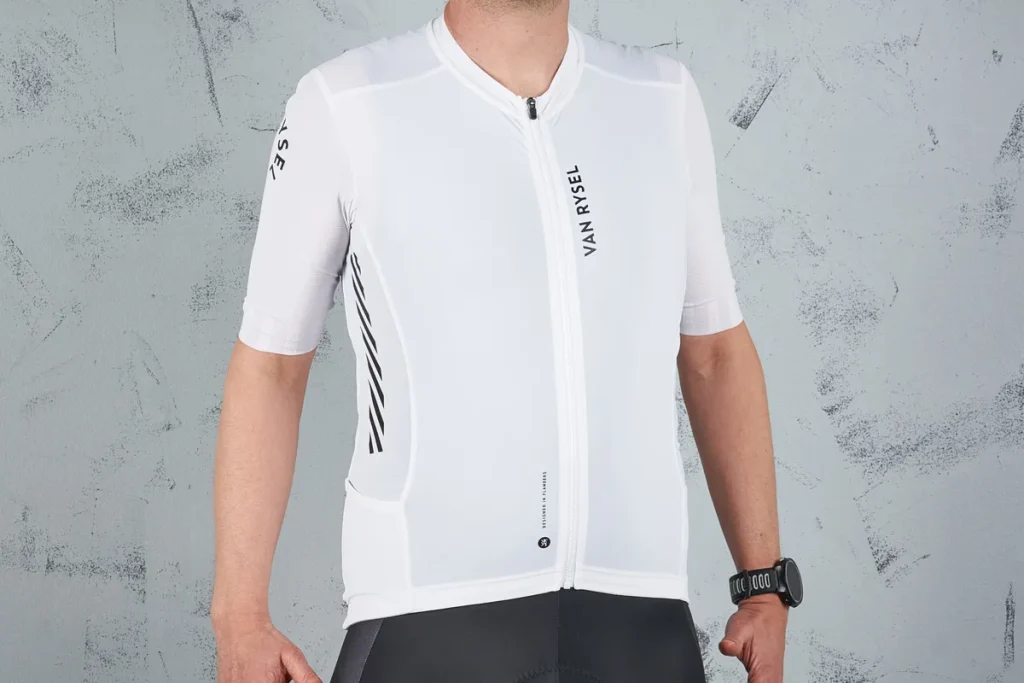
Imagine you’re cycling on a blazing hot day. You’re pushing your limits, but the sun seems to be working harder against you.
Your jersey feels like it’s sticking to your skin, and you start wondering if there’s a way to beat the heat. Well, you’re in luck! This guide is your key to understanding how cycling jerseys can help you stay cool and comfortable, even when the temperature rises.
Discover the secrets behind heat-resistant fabrics and smart designs that can transform your cycling experience. You might find that the right jersey is not just about style, but a game-changer in performance and comfort. Dive into the details, because this knowledge might just be your next breakthrough on the road.
Material Selection
Selecting the right material for a cycling jersey enhances heat resistance. Choose breathable fabrics to keep cool during rides. Opt for lightweight, moisture-wicking materials that ensure comfort and performance.
Breathable Fabrics
Choose fabric that lets air flow easily. Mesh is a great choice. It keeps skin cool and dry. Ventilation is key for comfort.
Moisture-wicking Properties
Opt for materials that move sweat away. Polyester works well here. It helps keep you dry during long rides. Wet clothes feel heavy and sticky.
Lightweight Options
Pick light fabrics for easy movement. Nylon is often used. It is light and strong. Light clothes make cycling fun and fast.
Design Features
Cycling jerseys with heat resistance are essential for comfort in warm climates. Breathable fabrics wick away sweat effectively. Lightweight materials prevent overheating while ensuring mobility and performance on long rides.
Ventilation Panels
Ventilation panelshelp keep cyclists cool. They let air flow through. This reduces heat and sweat. Cyclists feel more comfortable. The panels are often placed on the back and sides. This is where the body gets hottest. The material is usually lightweight and breathable.
Reflective Elements
Reflective elementsare important for safety. They help cyclists be seen in low light. These elements reflect car lights. This makes cyclists more visible at night. Reflective strips are often found on the sleeves and back. They are small but very effective.
Zipper Placement
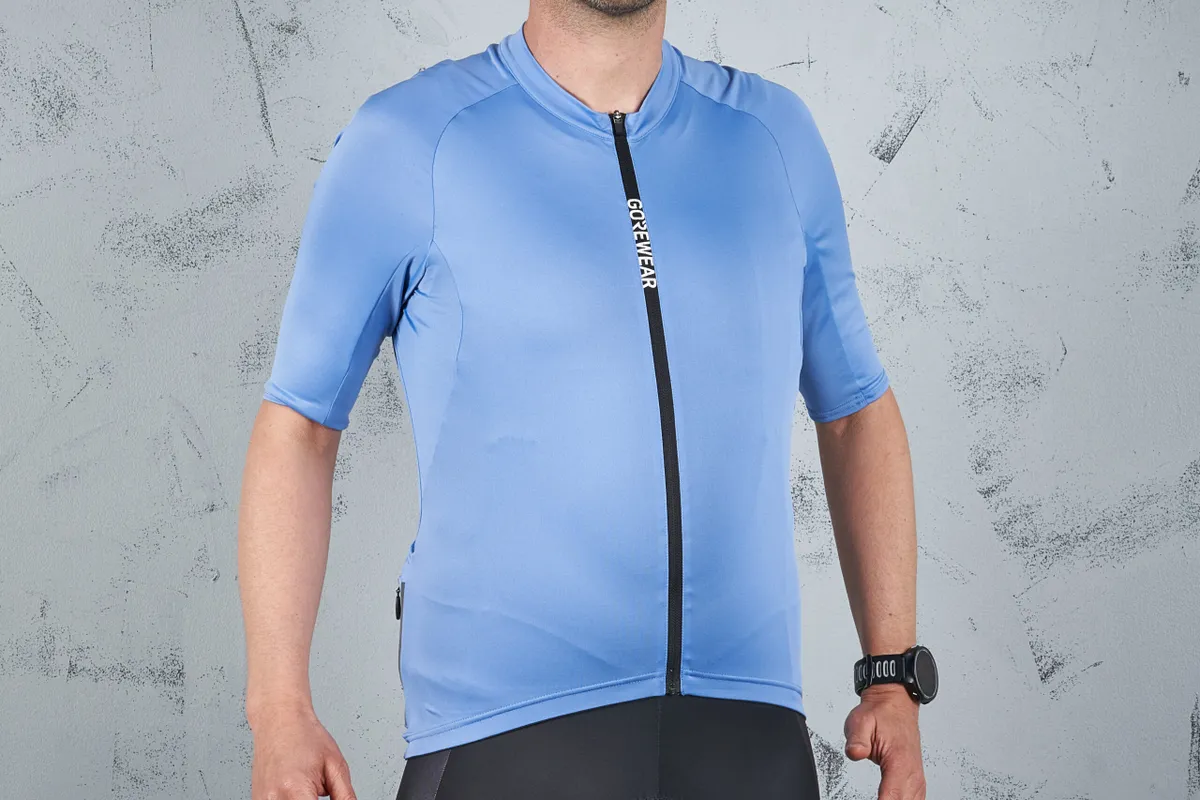
The zipper placementis vital for comfort and convenience. A full-length zipper allows easy adjustment. Cyclists can open it for more air. A zipper at the front is common. It is easy to reach and use. A good zipper does not snag or irritate the skin.
Fit And Comfort
Cycling jerseys should fit snugly. A tight fit reduces wind resistance. Less drag means faster cycling. The jersey should hug the body closely. Loose jerseys can flap in the wind. This slows you down.
Seamless jerseys offer smoothness. They prevent chafing. No seams mean less irritation. These jerseys feel comfortable. The smooth surface helps in fast riding. Seamless designs improve comfort.
- Elastic cuffs allow better fit.
- Zippers provide ventilation control.
- Pockets store essentials safely.
- Waistbands ensure the jersey stays in place.
Credit: www.bikeradar.com
Color And Style
Choosing the right cycling jersey involves understanding color and style for optimal heat resistance. Light colors reflect sunlight, keeping you cooler. Breathable fabrics enhance comfort during long rides in warm conditions.
Light Vs. Dark Colors
Light colors reflect sunlight. They keep you cooler. Dark colors absorb heat. They make you warmer. Light jerseys are great for sunny days. Dark jerseys are better for cooler weather.
Pattern Considerations
Patterns can affect heat. Large patterns may trap heat. Small patterns allow airflow. Choose simple designs for hot days. Complex patterns can be stylish but warmer.
Heat Management Tips
Cycling jerseys with heat resistance provide comfort during rides in hot weather. Choose lightweight, breathable fabrics to stay cool. Proper ventilation and moisture-wicking materials help manage body temperature effectively.
Layering Techniques
Wearing layers helps manage body heat. Start with a light base layerto wick sweat. Add a breathable jerseyon top. Choose materials like polyesteror merino wool. They keep you cool and dry. Avoid heavy fabrics. They trap heat and make you sweat more. Layers can be removed if it gets too hot.
Pre-ride Cooling Strategies
Cool your body before cycling. Drink cold wateror eat ice chips. Stay in a cool place until you start. Wear a cooling vestif possible. Splash water on your face and arms. This reduces body temperature. Start riding when the sun is not too hot.
Hydration Importance
Drinking water is key to staying cool. Always carry a water bottle. Sip water every few minutes. This prevents dehydration and keeps energy up. Add some electrolytesto your drink. They help replace lost salts. Staying hydrated helps in managing body heat.

Credit: www.gq-magazine.co.uk
Technology Integration
Smart fabrics help cyclists stay cool. These fabrics wick moisture quickly. They dry fast and keep the skin dry. Breathable materials allow air to flow. This helps reduce sweat buildup. Some jerseys have UV protection. They shield skin from sun rays. Lightweight designs ensure comfort on long rides. Smart fabrics adjust to temperature changes. They help maintain a stable body temperature. Odor-resistant properties keep jerseys fresh. This reduces the need for frequent washing.
Cooling inserts are added to jerseys for extra comfort. They absorb sweat and release it slowly. This gives a cooling effect. Gel inserts stay cool longer than fabric ones. They are placed strategically to target hot spots. Mesh panels increase air circulation. They are often located under arms and on the back. Some inserts have reflective strips. These increase visibility during night rides. Cooling inserts can be removed for easy washing.
Brand Recommendations
Castellimakes jerseys with good ventilation. They help keep cool in heat. Gore Wearuses special fabrics. These fabrics pull sweat away fast. Raphaoffers stylish designs. Their jerseys focus on comfort and breathability. Assosuses lightweight materials. They are known for durability and heat control.
- Decathlonhas affordable jerseys. They are good for hot rides.
- dhboffers good quality at low prices. They focus on cooling features.
- Craftprovides breathable options. They are wallet-friendly.
- Sundriedmakes eco-friendly jerseys. They are both cheap and effective.
Credit: www.precisionhydration.com
Frequently Asked Questions
What Temperature Should A Cycling Jersey Be?
Cycling jerseys are ideal for temperatures between 50°F to 70°F (10°C to 21°C). Choose lightweight materials for warmer days. Opt for thermal jerseys in cooler conditions to maintain comfort. Always consider layering options for fluctuating weather during rides.
What To Wear Cycling 50-60 Degrees?
Wear a light long-sleeve jersey and cycling shorts. Add a windproof vest for extra warmth. Consider lightweight gloves and a headband. Opt for breathable, moisture-wicking fabrics to stay comfortable. Keep layers flexible for easy adjustment during the ride.
Is 30 Degrees Too Hot For Cycling?
Cycling in 30 degrees Celsius can be challenging. Stay hydrated and wear breathable clothing. Start early to avoid peak heat. Monitor your body’s signals and take breaks when needed. Adapt your pace to the temperature for a safer ride.
What To Wear Cycling In 12 Degrees?
Wear a thermal jersey, long bib tights, and windproof jacket for 12-degree cycling. Add gloves, a neck warmer, and insulated socks for extra warmth. Opt for breathable layers to manage sweat and comfort effectively.
Conclusion
Choosing the right cycling jersey matters. Heat resistance helps you stay cool. Focus on material and fit. Breathable fabrics are essential. They wick away sweat. Look for mesh panels. These offer extra ventilation. Colors also play a role. Lighter shades reflect heat.
Dark colors absorb it. Consider your riding conditions. Hot weather calls for special gear. Test jerseys before long rides. Comfort impacts performance. Prioritize your needs. Everyone’s different. Finding the perfect jersey takes time. But it’s worth it. Enjoy every ride.
Stay comfortable. Stay safe. Happy cycling!



