

When you hit the road on your bike, the right gear can make all the difference in your ride. Imagine gliding effortlessly through the crisp air, feeling comfortable and confident in your cycling jersey.
But not every jersey works for every season. Do you know which jersey will keep you cool in summer or cozy in winter? Your choice can affect your performance and enjoyment. You’ll discover how to choose the perfect cycling jersey for each season, ensuring you stay comfortable year-round.
Dive in to unlock the secrets of optimal cycling comfort and elevate your riding experience like never before.
Credit: www.decathlon.ca
Choosing The Right Fabric
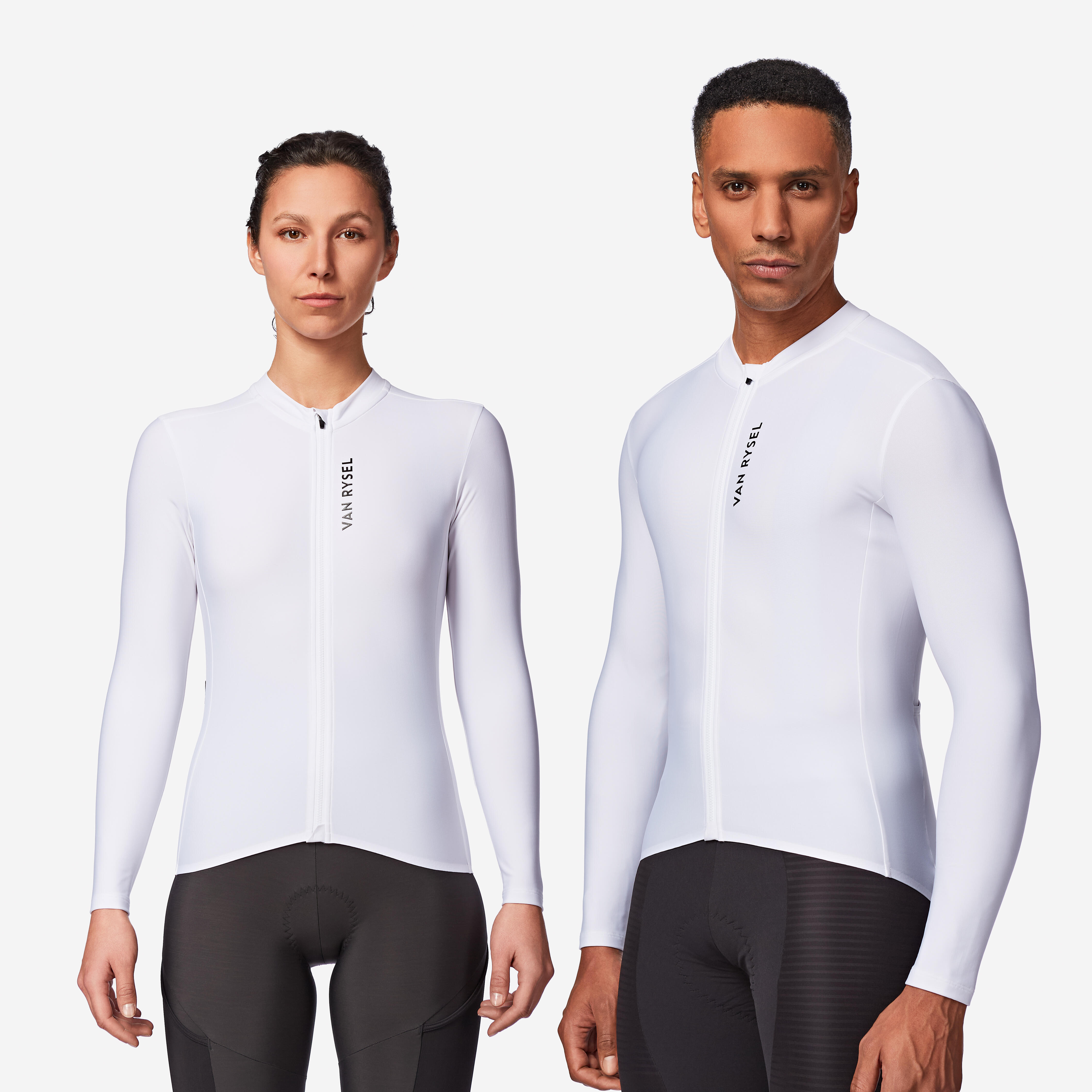
Light fabrics help keep you cool. Cotton is soft but not ideal. Polyester works well in heat. It lets air flow easily. Mesh panels make jerseys cooler. They allow sweat to evaporate. Lightweight fabrics are best for warm rides.
Riding in cold needs warm clothes. Wool is a great insulator. It keeps you warm and dry. Fleece-lined jerseys provide extra warmth. Thermal fabrics trap body heat. Layering helps stay warm. Wear a jacket over your jersey.
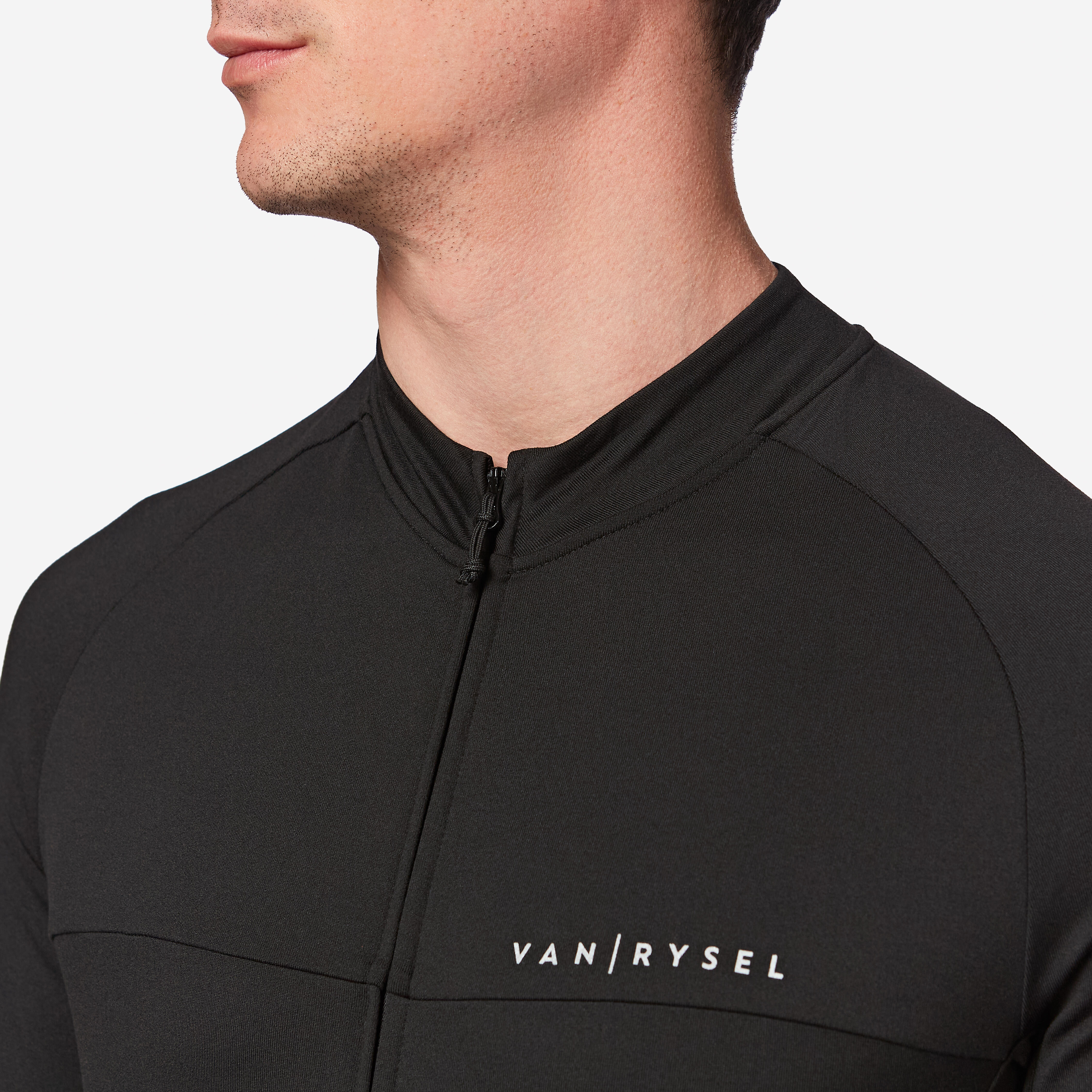
Dry skin feels good during rides. Moisture-wicking fabrics pull sweat away. Polyester is excellent for this task. Nylon also works well. These fabrics keep you dry. Choose jerseys that dry quickly. Sweat evaporates fast, keeping you comfortable.
Credit: www.decathlon.ca
Seasonal Design Features
Cycling jerseys adapt to seasonal needs with lightweight fabrics for summer and insulated materials for winter. Reflective elements enhance visibility in low-light conditions, while moisture-wicking technology ensures comfort year-round.
Ventilation In Summer Jerseys
Summer jerseys have tiny holesfor airflow. These holes help keep the body cool. Light fabrics are used for breathability. The materials wick away sweat. Jerseys fit snugly to reduce drag. Some have mesh panelsfor extra ventilation. Cool colors reflect the sun’s heat.
Thermal Layers For Winter
Winter jerseys have thick layersto trap heat. These layers block cold air. Fleece lining keeps cyclists warm. Materials used are insulating. Jerseys are often water-resistant. They protect against rain and snow. High collars cover the neck to keep out the wind.
Windproof Elements For Fall And Spring
Fall and spring jerseys need windprooffeatures. These elements stop chilly breezes. Some jerseys have tight cuffsand hems. This prevents air from entering. Lightweight materials are versatile. They adapt to changing temperatures. Windproof panels are often placed on the chestand shoulders.
Fit And Comfort Considerations
Snug fit jerseys hug the body closely. They help with aerodynamics. This makes cycling faster. Relaxed fit jerseys give more space. They feel comfortableand are good for long rides. Choosing the right fit depends on cycling goals. Both fits should allow easy movement.
Jerseys need to stretch well. Stretchy material allows easy movementof arms and shoulders. Flexibility is important for comfort. It helps in adjusting to different positions. Look for jerseys that have good elasticity. This helps in maintaining shape over time.
Seams can cause irritation. Check seam placement carefully. Seams should be smooth and flat. This helps avoid rubbing against skin. Some jerseys have special flatlock seams. These seams minimize irritation. Comfortable jerseys pay attention to seam design.
Credit: thepedla.com
Color And Visibility
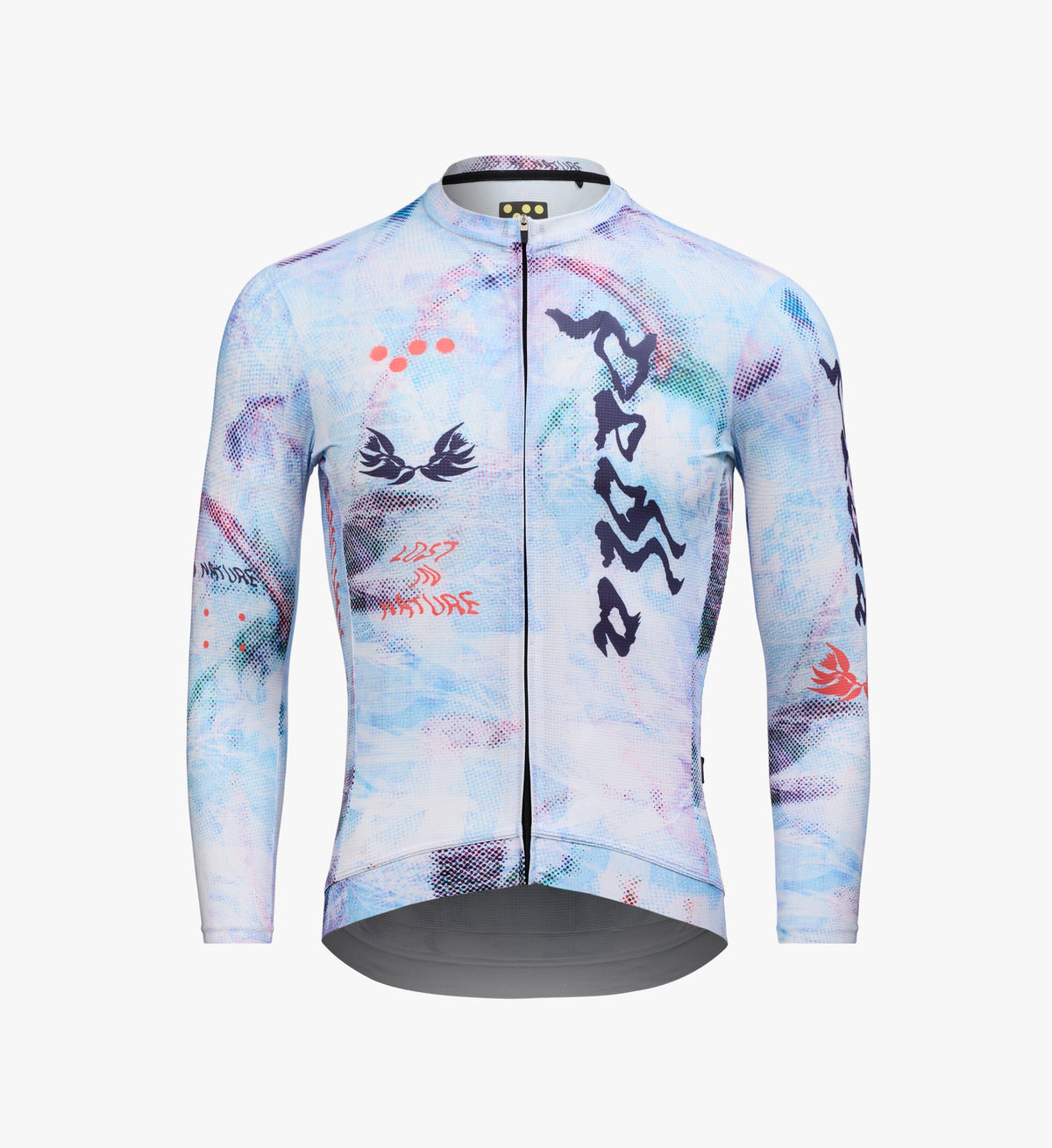
Bright colors help you stay visible in summer. Yellow, orange, and neon green are popular. These colors make you stand out on sunny days. Bright jerseys also feel fun and lively.
Reflective elements keep you safe in low light. They bounce light back to cars and people. Look for jerseys with reflective stripes or patches. These elements shine bright in the dark.
Neutral tones are good for any season. Colors like black, white, and gray match with everything. These tones are calm and elegant. They are great for mixing with other clothing.
Maintenance And Care Tips
Proper care extends the life of cycling jerseys across seasons. Hand wash with mild detergent to maintain fabric quality. Store in a cool, dry place to prevent damage.
Washing And Drying
Wash jerseys in cold water to protect the fabric. Use mild detergent for gentle cleaning. Avoid bleach as it harms the material. Always turn the jersey inside out before washing. This keeps colors bright and prints safe. Air drying is best for jerseys. Heat can shrink and damage them. Hang them in a shady spot to dry.
Storage Practices
Store jerseys in a cool, dry place. Avoid direct sunlight to prevent fading. Fold them neatly to save space and keep them wrinkle-free. Use hangers with clips for jerseys with zippers. This prevents stretching the fabric. Keep away from damp areas to avoid mold.
Repair And Longevity
Fix small tears with fabric glue or patches. Sew loose threads to avoid further damage. Check zippers regularly and fix them if they stick. Proper care helps jerseys last longer. Treat stains quickly to avoid permanent marks. Regular maintenance ensures your jersey stays in good shape.
Frequently Asked Questions
How To Dress For Cycling At Different Temperatures?
Wear lightweight, breathable clothing for temperatures above 70°F. Opt for layers, like a base layer and jacket, for 50-70°F. Choose thermal jerseys and tights for 30-50°F. Below 30°F, add insulated layers, gloves, and a beanie. Always ensure visibility and comfort.
What Are The Different Types Of Cycling Jerseys?
Cycling jerseys include road jerseys for aerodynamics, mountain bike jerseys for durability, and winter jerseys for warmth. Also, there are sleeveless jerseys for hot weather and commuter jerseys for casual rides. Each type offers specific features tailored to the cycling activity or climate.
Can You Wear A Long-sleeve Jersey In Summer?
Yes, wearing a long-sleeve jersey in summer is possible. Choose lightweight, breathable materials for comfort. Opt for moisture-wicking fabrics to stay cool. Long sleeves offer sun protection and can enhance performance by reducing sweat evaporation. Ensure proper ventilation and fit for maximum comfort during hot weather activities.
What Do Jersey Colors Mean In Cycling?
In cycling, jersey colors signify race rankings and achievements. Yellow indicates the overall leader. Green is for sprint points leader. Polka dot represents the best climber, while white highlights the best young rider. Jerseys enhance audience engagement and create excitement during races.
Conclusion
Selecting the right cycling jersey matters. It ensures comfort all year. Summers require lightweight jerseys. They keep you cool. Winters demand warmth. Opt for thermal options then. Spring and fall have unpredictable weather. Layers work best for these seasons. Adapt your jersey choice.
Enjoy your ride every season. Safety and comfort should be priorities. Choose wisely. Your cycling journey depends on it. Stay aware of seasonal changes. Adjust your gear accordingly. Experience will guide you. Enjoy every pedal and the fresh air. Your cycling adventure awaits with the right gear.



