
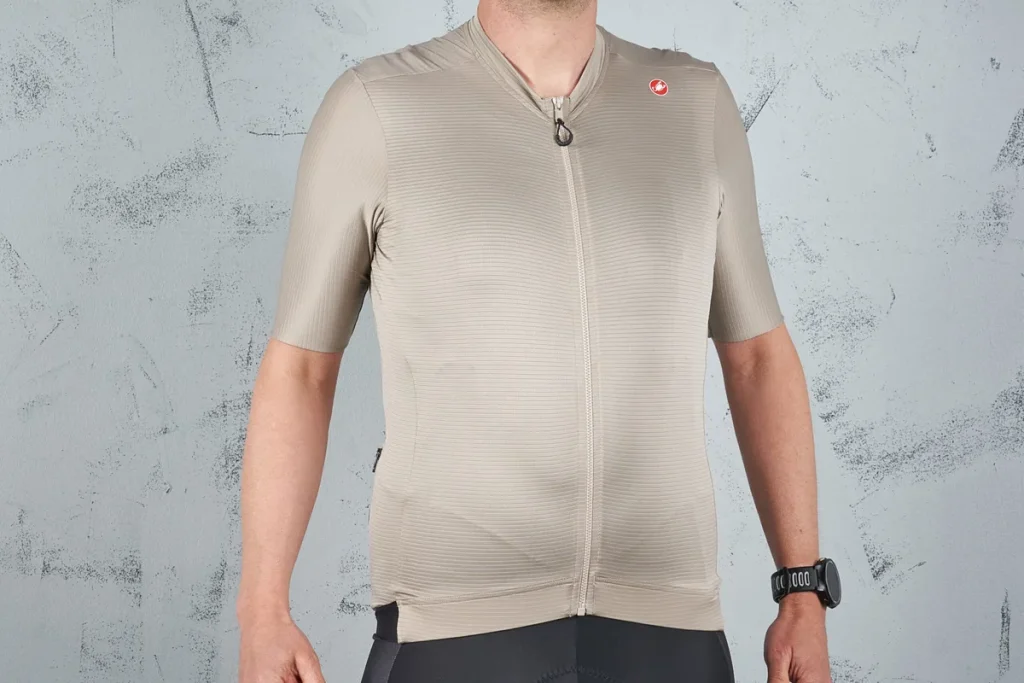
Are you gearing up for your next cycling adventure and wondering which jersey fabric is best for you? You’re not alone.
Choosing the right cycling jersey fabric is crucial for comfort, performance, and style. Imagine hitting the road with a jersey that breathes well, keeps you dry, and fits like a second skin. Your cycling experience could transform dramatically with the right fabric choice.
This guide will unveil the secrets behind various cycling jersey fabrics, helping you make an informed decision. Dive in to discover the perfect fabric that matches your cycling needs and enhances your ride.
Breathable Fabrics
Breathable fabricsare great for cycling jerseys. They help keep you cool. Air flows easily through these fabrics. They are light and comfortable to wear.
Mesh Panels
Mesh panelsare special parts of a jersey. They allow more air to flow. This helps sweat dry faster. Mesh panels are often under the arms or back.
Moisture-wicking Technology
Moisture-wicking technologyis important for cyclists. It pulls sweat away from the skin. This keeps you dry and comfy. Jerseys with this technology are best for hot days.
Lightweight Materials
Cycling jerseys often use lightweight materials like polyester, nylon, and elastane. These fabrics offer breathability and flexibility. They help keep cyclists cool and comfortable during rides.
Polyester Blends
Polyester blends are popular for cycling jerseys. They are light and durable. These blends dry fast after getting wet. This helps keep riders cooland comfy. The fabric is also stretchy. This lets jerseys fit snugly without feeling tight. Polyester blends are often affordable. Many cyclists choose them for regular rides.
Microfiber Options
Microfiber fabrics feel soft and smooth. They wick moisture well, keeping skin dry. These options are lightweight, which is great for long rides. Microfiber is also breathable. This allows air to move through the fabric easily. It helps riders stay fresh on hot days. Microfiber jerseys are good for both racingand casual rides.
Stretch And Flexibility
Spandex and elastane are key materials in cycling jerseys. They offer great stretchand flexibility. These fabrics allow the jersey to fit snugly. Cyclists need freedom to move. Spandex and elastane provide that freedom. They hug the body without being tight. This makes cycling more comfortable. The fabric doesn’t restrict motion.
Four-way stretch design enhances movement. It stretches in all directions. This feature is crucial for cyclists. It allows bending, twisting, and turning easily. The jersey stays in place during rides. This design improves comfort and fit. Cyclists feel more at ease. The fabric adapts to body movements.
Temperature Regulation
Thermal fabrics keep you warm on cold rides. These fabrics have special layers. They trap body heat. Fleece-lined jerseys are popular in winter. They feel soft and cozy. They also wick moisture away. This prevents chills. Merino wool is another great option. It’s natural and breathable. It keeps you warm even when wet.
Cooling fabrics help you stay cool in the heat. They have unique fibers. These fibers draw sweat away. Mesh panels are common in summer jerseys. They allow air to flow through. This cools your skin. Lightweight polyester is also used. It dries quickly. This keeps you feeling fresh and comfortable. Riders love these fabrics for hot sunny days.
Durability And Longevity
Cycling jerseys come in various fabric types, each offering unique durability and longevity features. High-quality materials like polyester and nylon provide resistance to wear and tear, ensuring the jersey lasts through intense rides. Breathable and moisture-wicking fabrics maintain comfort while enhancing the jersey’s lifespan.
Abrasion-resistant Materials
Cycling jerseys need strong materials. Some fabrics resist scratches and tears. Nylon is a popular choice. It is tough and long-lasting. Polyester is also common. It is lighter but still strong. These materials keep jerseys looking new. Riders need jerseys that don’t wear out quickly. Durable fabrics offer more rides with less worry. Strong jerseys mean fewer replacements.
Fade-resistant Colors
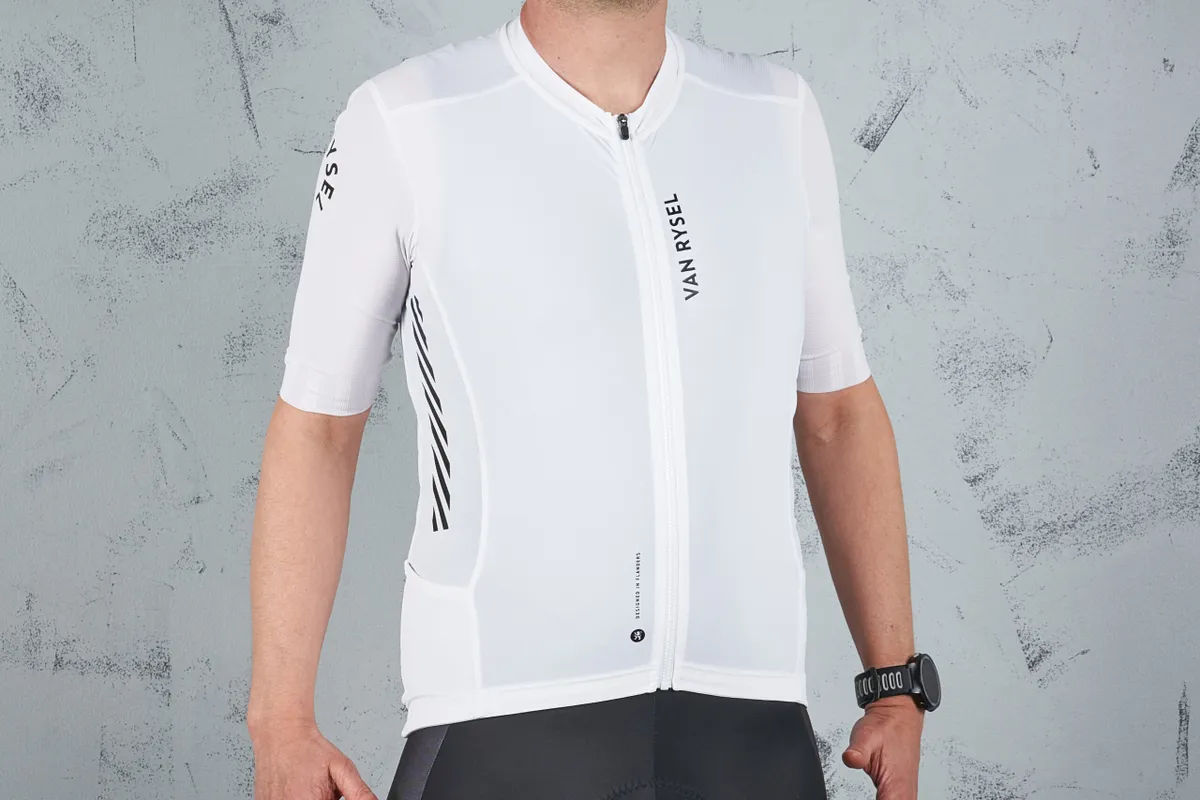
Jerseys come in bright colors. Fade-resistant dyes keep colors bright. Sunlight can make colors dull. Good dyes stop this from happening. Bright colors make riders visible on roads. This is important for safety. Keeping colors bright is also about looking good. Nobody wants a dull jersey. High-quality dyes help jerseys stay colorful longer. Bright jerseys are happy jerseys.
Credit: www.bikeradar.com
Eco-friendly Options
Recycled fabrics are made from old materials. They help reduce waste. Plastic bottles and old clothes can become new fabrics. These fabrics save energy and water. Choosing recycled fabrics is good for the planet.
Sustainable production means making things without harming nature. Factories use less water and energy. They try to make less pollution. This helps keep the earth clean. Sustainable production supports healthy environments.
Design And Aesthetics
Cycling jersey fabrics vary widely, affecting comfort and performance. Breathable polyester offers moisture-wicking properties for dry rides. Merino wool ensures warmth in colder conditions, while Lycra provides flexibility and a snug fit.
Color Choices
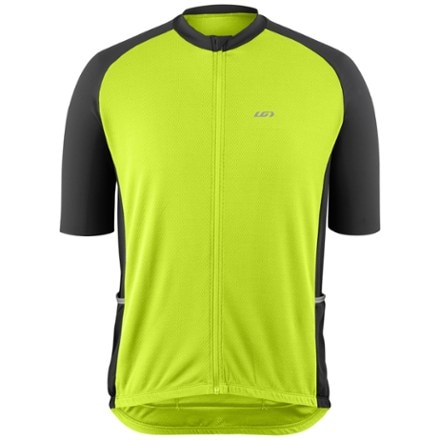
Bright colors make cyclists visible on roads. Red, yellow, and green are popular. Some prefer darker shades like blue or black. Colors can show team spirit. Custom jerseys can have logos or symbols. Reflective elements help in night rides. Neon colors are trendy among young cyclists. Each color choice reflects personality.
Pattern Variations
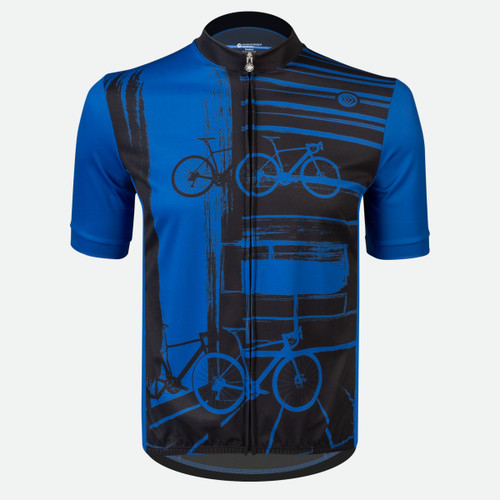
Patterns add style to jerseys. Stripes are classic and simple. Dots are playful and fun. Geometric shapes look modern. Abstract designs are unique. Patterns can mix colors creatively. Some patterns improve aerodynamics. Each variation offers a different vibe. Choose patterns that match your cycling mood.
Credit: www.rei.com
Customization Possibilities
Creating unique jerseys helps teams stand out. Adding namesand numbersis popular. Use bright colors for visibility. Select fonts that are easy to read. Ensure the design is comfortable and practical. Personalized branding boosts team spirit and identity.
Logos show team pride. Place logos on the chest or back. Use high-quality prints for durability. Choose colors that match team identity. Logos must be clear and simple. This helps fans recognize the team easily.
Credit: aerotechdesigns.com
Frequently Asked Questions
What Is The Best Fabric For Cycling Jersey?
The best fabric for cycling jerseys is polyester. It offers excellent moisture-wicking properties, keeping riders dry and comfortable. Polyester is lightweight, breathable, and quick-drying, ideal for long rides. Its durability ensures longevity, while its stretchability allows for a snug fit, enhancing performance and comfort during cycling activities.
What Are The Different Types Of Cycling Jerseys?
Cycling jerseys come in several types: race-fit, relaxed-fit, long-sleeve, short-sleeve, thermal, and windproof. Race-fit suits competitive cyclists, while relaxed-fit offers comfort. Long-sleeve jerseys provide warmth, and short-sleeve is ideal for warm weather. Thermal jerseys are for cold conditions, and windproof ones protect against the wind.
What Jerseys Do Pro Cyclists Wear?
Pro cyclists wear team jerseys featuring sponsor logos. These jerseys are designed for aerodynamics and comfort. They often include features like moisture-wicking fabrics and breathable mesh panels. Professional teams have distinct color schemes for easy identification during races.
What Kind Of Fabric Is Used For Jerseys?
Jerseys are typically made from polyester fabric. This material is lightweight, breathable, and moisture-wicking, ideal for sportswear. Polyester ensures durability and stretch, providing comfort and performance during physical activities. Modern jerseys may also include spandex for added flexibility and fit.
Conclusion
Choosing the right fabric is key for comfortable cycling. Each fabric offers distinct benefits. Breathable options keep you cool on hot rides. Durable materials withstand wear and tear. Stretchy fabrics allow freedom of movement. Lightweight choices ensure ease during long rides.
Consider weather conditions and personal comfort. Quality fabrics enhance your cycling experience. Always check the label for care instructions. The right jersey fabric boosts performance and enjoyment. Make informed decisions for your cycling wardrobe. Stay comfortable, ride longer, and enjoy the journey.



