
Have you ever felt the discomfort of a cycling jersey that just doesn’t fit right? You’re not alone.
Many cyclists struggle with finding the perfect balance between style and comfort. Imagine pedaling through beautiful landscapes, feeling the wind on your face, without the constant tugging and adjusting of your jersey. Wouldn’t that be amazing? You’ll discover simple yet effective tips to elevate your cycling experience.
Whether you’re a seasoned cyclist or just starting out, these insights can transform your rides, making them more enjoyable and less bothersome. Say goodbye to irritation and hello to comfort. Dive in and find out how you can make your cycling jerseys work for you, not against you.
Fabric Selection
Selecting the right fabric enhances cycling jersey comfort. Lightweight and breathable materials like polyester wick away sweat. Stretchy fabrics provide a snug fit, reducing wind resistance.
Breathable Materials
Cycling jerseys need breathable materialsfor comfort. These fabrics let air flow freely. This keeps your skin cool. Mesh panels are popular choices. They offer extra ventilation. Always look for lightweight fabrics.
Moisture-wicking Properties
Moisture-wicking fabrics pull sweat away from skin. This keeps you dry and fresh. Polyesteris often used for this purpose. It dries quickly. Cotton absorbs sweat, but stays wet. Choose jerseys made from synthetic fibers.
Temperature Regulation
Good jerseys help regulate body temperature. They keep you warm in cold weather. They also cool you down when it’s hot. Thermal layersare great for chilly rides. Light layers work best on warm days.
Credit: www.owayo.com
Fit And Sizing
Choose breathable fabrics for your cycling jersey to stay cool. Ensure the fit is snug but not tight. Adjust sleeve lengths and collar size for better comfort.
Proper Measurements
Use a tape measure for accuracy. Measure your chest and waist. Write down these numbers. Compare them with size charts. Always check if the jersey is for men or women. Sizes can be different. Choose a jersey that fits snugly.
Body-hugging Fit
A tight fit helps reduce wind resistance. Jerseys should hug your body. Not too tight, not too loose. This helps in comfortable cycling. Look for designs that support movement. A good fit enhances performance.
Stretch And Flexibility
Stretchy materials are ideal for jerseys. They allow easy movement. Materials like spandex are common. They offer flexibility. Check if the jersey stretches well. This helps in better comfort. Flexible jerseys adapt to your movements.
Seam And Stitching
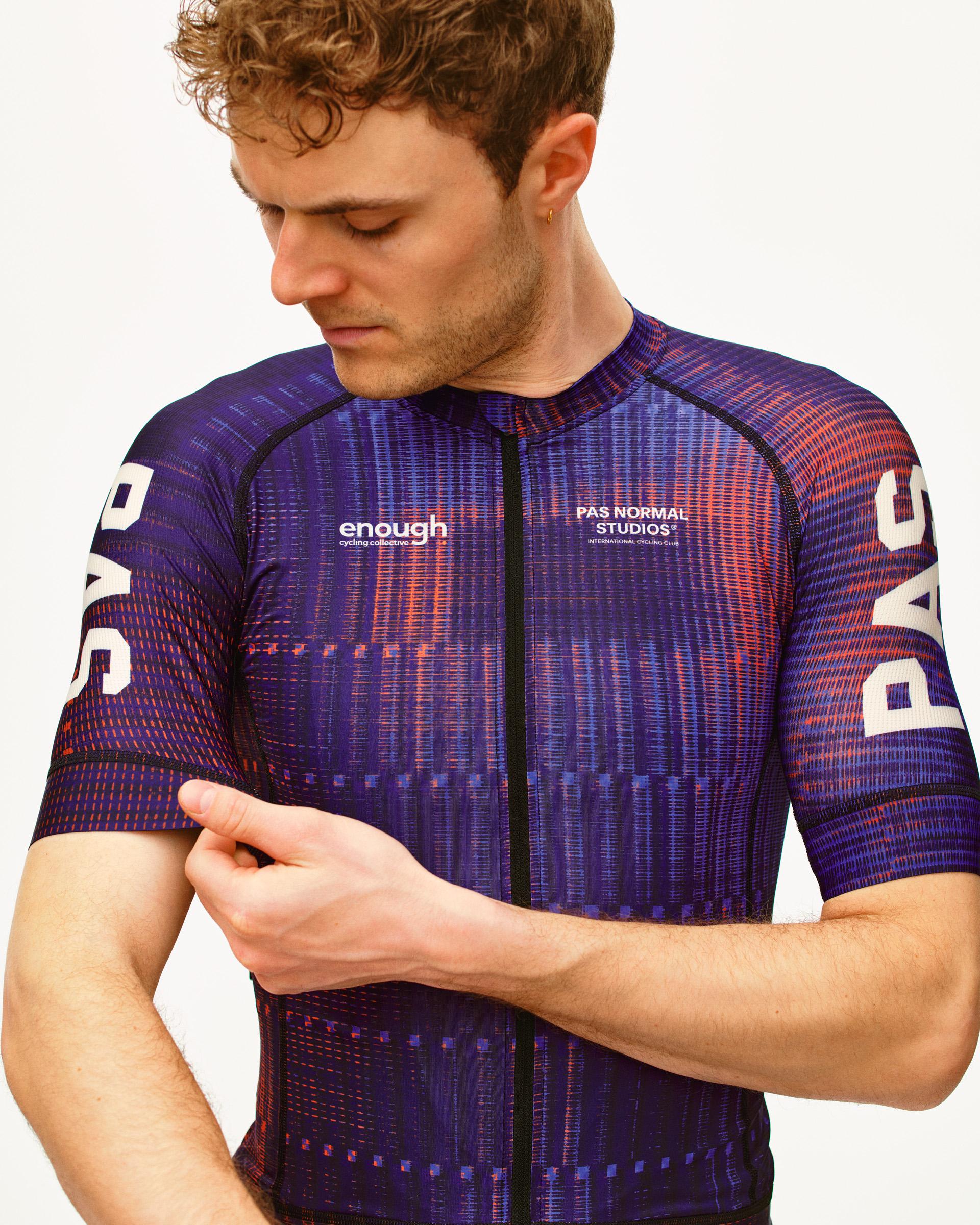
Flatlock seams make jerseys more comfortable. They lay flat against skin. No bumps or ridges. This reduces chafing during long rides. Flatlock seams also enhance flexibility. Cyclists can move easily without discomfort. Proper flatlock seams improve overall cycling experience.
Seam placement affects jersey comfort. Seams should avoid pressure points. They should be placed where movement is less. Good seam placement means fewer irritations. It helps in maintaining focus during cycling. Seam placement is a key factor in jersey design.
Durability of seams is important. Strong stitching means longer-lasting jerseys. Durable seams withstand wear and tear. They keep the jersey in good shape. Quality stitching ensures jersey longevity. This means fewer replacements and better value.
Credit: pasnormalstudios.com
Design Features
Cycling jerseys should feature breathable fabrics for enhanced comfort. Ergonomic designs allow freedom of movement during rides. Moisture-wicking properties keep cyclists dry and comfortable.
Pockets And Storage
Cycling jerseys often come with useful pockets. These pockets help store items. You can keep snacks, keys, or a phone. Accessible pockets are important. They make grabbing things easy while riding. Look for jerseys with multiple pockets. This means more room for your stuff.
Ventilation Zones
Riding can make you hot. Ventilation zones in jerseys help you stay cool. They let air pass through. This keeps you comfortable. Some jerseys have mesh panels. These panels allow better airflow. Stay fresh with good ventilation.
Reflective Elements
Being seen on the road is key. Reflective elements on jerseys help with this. They make you visible in low light. Look for jerseys with reflective strips. They can be on the back or sleeves. This way, cars can see you.
Personalization Options
Cycling jerseys can be personalized for better comfort. Choose breathable fabrics that match your skin type. Adjust fit with flexible seams and ergonomic designs.
Custom Graphics
Custom graphics make your jersey unique. You can add patterns or designs. Choose images that reflect your style. Bold colors or simple designs work well. Graphics can be simple or complex. Make sure they match your personality.
Color Choices
Colors change the look of your jersey. Bright colors stand out. Dark colors can be sleek and stylish. Mix colors for a fun effect. Choose colors that make you happy. Different colors can show team spirit or individuality.
Team Logos
Team logos show unity. They display pride and belonging. Logos can be big or small. Choose a spot for the logo. Make sure it is visible. Logos can be on the front or back. They represent your team’s identity.

Credit: lecol.cc
Maintenance And Care
Enhance cycling jersey comfort by choosing breathable fabrics that wick moisture. Proper fit avoids chafing during rides. Regular washing keeps jerseys fresh and flexible.
Washing Instructions
Use cold water to wash your cycling jersey. Hot water can damage the fabric. Choose a gentle cycle on your washing machine. Avoid bleach and fabric softeners. They can harm the material. Turn the jersey inside out before washing. This helps protect colors and logos. Use a mild detergent for best results. Wash your jersey separately from rough clothes.
Drying Techniques
Avoid using a dryer for your jersey. Heat can shrink and damage it. Instead, hang the jersey to dry in the shade. Direct sunlight can fade the colors. Lay it flat on a towel if needed. This helps keep its shape. Make sure the jersey is completely dry before storing.
Repair And Alteration
Check for small tears or loose threads. Use a needle and thread for minor repairs. Sew carefully to avoid further damage. For major alterations, visit a professional tailor. They can adjust the fit or repair large tears. Regular checks keep your jersey in top condition.
Technological Innovations
Enhance cycling jersey comfort by choosing breathable fabrics. Opt for moisture-wicking materials to stay dry. Ensure a snug fit without being too tight for optimal movement.
Smart Fabrics
Smart fabrics keep cyclists cool and dry. These fabrics wick away sweat quickly. They dry fast, keeping skin comfortable. Breathable materials let air flow freely. This prevents overheating. Cyclists feel fresh on long rides.
Integrated Sensors
Sensors in jerseys track heart rate and speed. They help monitor performance. Cyclists get real-time feedback. This helps them improve. Sensors are light and barely noticeable. They make cycling safer and more fun.
Advanced Ergonomics
Jerseys fit snugly and reduce wind drag. They have special cuts for freedom of movement. Cyclists can move arms easily. Ergonomic designs prevent chafing. Cyclists feel comfy on long trips.
Frequently Asked Questions
How Can I Prevent Chafing With My Cycling Jersey?
To prevent chafing, choose a jersey made from moisture-wicking materials. These materials help keep sweat away from your skin. Ensure a proper fit to minimize friction. Applying anti-chafing creams or balms can provide extra protection. Regularly washing your jersey also helps maintain its comfort and effectiveness.
What Is The Best Material For Cycling Jerseys?
The best materials for cycling jerseys are synthetic fabrics like polyester or nylon. These fabrics are lightweight, breathable, and wick moisture effectively. They help regulate body temperature and keep you dry. Look for jerseys with mesh panels for better ventilation.
These features ensure comfort during long rides.
How Do I Choose The Right Jersey Size?
Choosing the right jersey size involves measuring your chest, waist, and hips. Compare these measurements with the brand’s size chart. A snug fit is ideal for reducing drag and enhancing performance. Ensure it’s not too tight to restrict movement. Trying on different sizes can help find the perfect fit.
Why Are Cycling Jerseys Longer At The Back?
Cycling jerseys are longer at the back to provide coverage when leaning forward. This design prevents the jersey from riding up during rides. It ensures your lower back remains covered and protected. The extended length also offers extra storage space for essentials in rear pockets.
Conclusion
Improving cycling jersey comfort boosts your riding experience. Focus on fabric and fit. Choose breathable materials for temperature control. Ensure the jersey fits snugly without restricting movement. Check seams for irritation. Adjust based on weather conditions. Always consider personal comfort preferences.
Small changes can make a big difference. Comfort leads to longer, enjoyable rides. Test different jerseys to find the perfect one. Prioritize comfort over style. Feel the difference in your performance. Remember, a comfortable jersey means a happier ride. Make comfort a top priority for every cycling adventure.
Enjoy your rides more with these simple tips.



