
Are you a mountain biking enthusiast who loves the thrill of the trails? Whether you’re a seasoned pro or a weekend warrior, maintaining your mountain bike is crucial for a smooth and safe ride.
But did you know that even the most experienced riders make common repair mistakes that could cost you time, money, and even your safety? Understanding these common pitfalls can save you from frustration and keep your bike in top shape.
Dive into this guide to uncover the most frequent mountain bike repair mistakes and how you can avoid them. Your next adventure awaits, and with the right knowledge, you’ll be ready to tackle any trail with confidence. Keep reading to ensure your bike – and your ride – are always at their best.
Bike Maintenance Basics
Regular bike checks prevent serious issues. Keep the tires properly inflated. Low pressure can cause flats. Check brakes regularly for wear. Replace them if they are worn out. Lubricate the chain often. A dry chain can damage gears. Inspect the gears for smooth shifting. Adjust the derailleur if needed.
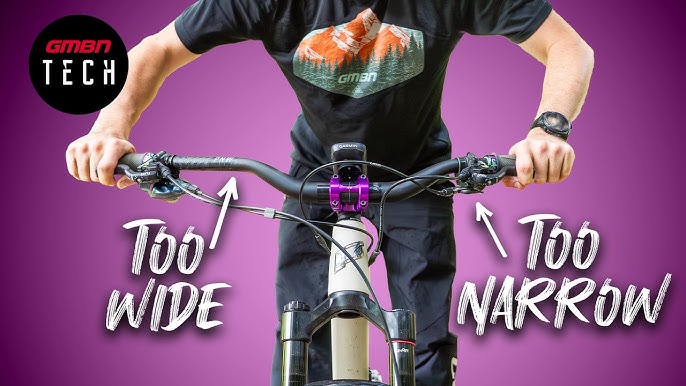
Cleaning the bike is important. Dirt can lead to rust and damage. Use a soft cloth to wipe the frame. Check for any cracks or damages. Tighten any loose bolts or screws. Loose parts can be dangerous. Keep the handlebars and seat aligned. Misalignment can make riding uncomfortable.
Make a maintenance schedule. Stick to it to avoid problems. Regular care keeps the bike safe and fun to ride.
Credit: www.youtube.com
Ignoring Regular Checks
Regular checks keep your bike safe and smooth. Some people forget these checks. They ride their bikes without looking at key parts. This is a mistake. Brakes, tires, and gears need regular care. Check them often. Tighten loose bolts and screws. Look for worn-out parts too. Change them if needed.
Ignoring these checks can be costly. It can lead to bigger problems. Broken brakes can cause accidents. Worn tires can slip. These problems are avoidable. Regular care saves money and time.
Set a schedule for checks. Weekly or monthly works well. Make it a habit. It keeps your bike in top shape. Riding is more fun and safer this way. Always remember, a cared-for bike is a happy bike!
Overlooking Tire Pressure
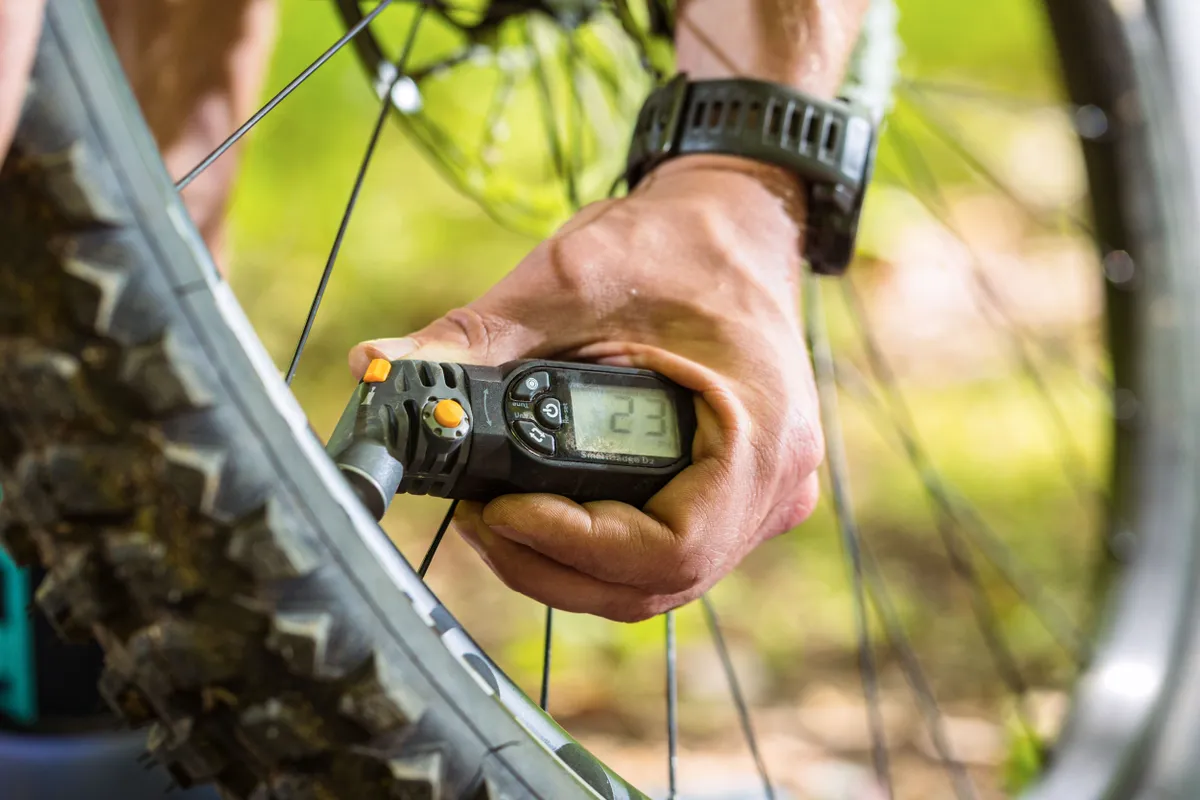
Many forget to check their bike’s tire pressureregularly. Low pressure makes riding hard. High pressure can cause a bumpy ride. Always keep a pressure gaugehandy. It helps maintain the right pressure. Different terrains need different pressures. Smooth roads might need higher pressure. Rough trails may need lower pressure. Check pressure before every ride. This keeps you safe and your bike running well. Tires can lose air over time. Even when not in use. So, regular checks are important. Properly inflated tires last longer. They also give better grip and control.
Credit: www.bikeradar.com
Skipping Brake Inspections
Brake inspections are vital for safety. Many riders forget this check. Brakes can wear out over time. Dust and dirt affect them. Always clean brakes regularly. Look for signs of wear and tear. Listen for strange noises. This might mean a problem. Keep brake pads in good condition. Replace them if worn. It’s important for your bike’s safety. Check cables for damage. They should not be frayed or loose. Tighten them if needed. Test brakes often. Make sure they work well. This ensures safe rides.
Neglecting Gear Adjustments
Mountain bikes need regular gear adjustments. Skipping this can cause problems. Gears might not shift smoothly. This makes rides less fun. Ignoring adjustments can wear out parts fast. This means spending more money later. Always check gears after rides. Dirt and grime can mess them up. Clean them to keep everything smooth. Tightening loose cables helps gear performance. It stops gears from slipping during rides. Use a good lubricant on moving parts. This reduces friction and keeps gears happy. Regular checks prevent surprises. A simple adjustment can save a ride.
Using Incorrect Tools
Choosing the right tools is very important. Many people make mistakes by using the wrong ones. This can damage your bike. A wrench might not fit every bolt. Each tool has a specific purpose. Always have the correct size of wrench and screwdriver. This ensures you do not strip the bolts. If a tool slips, it can cause injury. So, always handle tools carefully.
Some tools are too big or too small. Using them can harm the bike parts. A tire lever helps remove tires safely. Trying to use a screwdriver might damage the rim. Keep your tools clean and rust-free. This makes them last longer. Remember, using the right tool makes repairs easier and safer.
Improper Chain Cleaning
Chains get very dirty on mountain bikes. Dirt can cause problems if left. Use a cloth to wipe the chain clean. A dirty chain can lead to rust. Rust can damage your bike. Clean the chain often for best results. Use a chain cleaner tool if possible. This helps remove dirt deep inside. Avoid using too much cleaner. Excess cleaner can attract more dirt. Always dry the chain after cleaning.
Be careful not to use hard brushes. These can damage the chain. Soft brushes work better. They keep the chain safe while cleaning. Remember to oil the chain after cleaning. Oiling helps the chain move smoothly. It also prevents rust. A well-cleaned chain lasts longer. This means fewer repairs. Keep your chain clean and your bike will thank you.
Failing To Lubricate
Lubrication keeps the bike running smoothly. Without lubrication, parts wear out fast. Chains need regular oiling to avoid rust. Rust makes cycling hard and noisy. Use the right lubricant for your bike type. Some lubricants can damage parts. Always check your manual for advice.
Apply lubricant after cleaning the bike. Dirt can mix with oil and cause issues. Clean and dry the chain first. Then apply a thin layer of oil. Wipe off excess oil with a clean cloth. Too much oil attracts dirt.
Other moving parts need lubrication too. Don’t forget the pedals and gears. Keep an eye on brakes and shocks. Lubricate them as needed. Regular maintenance prevents costly repairs.
Misaligning Wheels
Wheel alignment is crucial for smooth bike rides. Misaligned wheels can cause the bike to wobble. This may lead to falls or accidents. Proper alignment improves control and safety. Always check the wheels before riding. Look for gaps or uneven spaces. Adjust them if needed. Many tools can help with alignment. Use a wrench or alignment tool. They make the job easier. Regular checks prevent bigger problems. Misalignment can damage other bike parts. It affects brakes and gears too. Fixing alignment early saves money and time. Ride safely with well-aligned wheels.

Credit: www.youtube.com
Overtightening Bolts
Many bike owners overtighten bolts. This can cause serious problems. Too much force can damage threads. It may even break the bolt. Using a torque wrench is important. It ensures the right tightness. Different bolts need different torque. Always check the bike manual. Follow the instructions carefully. This prevents costly repairs.
Cracked frames can happen if bolts are too tight. This risk is high in carbon frames. Aluminum frames are also affected. Proper tightening keeps the bike safe. Loose bolts are dangerous too. They can cause accidents. Regular checks are important. Make it a habit. Inspect your bike often.
Ignoring Frame Damage
Many bikers overlook small cracks in the bike frame. Ignoring these damages can lead to serious accidents. A small crack can become a big break. This can cause the bike to fail suddenly. Always check your frame for any signs of wear. Look closely at joints and welds. These are common spots for damage.
Rust is another concern. It weakens the frame over time. If you see rust, remove it quickly. Use a rust remover and a cloth. A clean frame lasts longer and performs better. Bikers should also listen for unusual sounds. Creaks or clicks might mean frame issues. Regular checks keep your bike safe. Keep your ride smooth and enjoyable.
Frequently Asked Questions
What Is The N 1 Rule For Mtb?
The N+1 rule for MTB suggests always needing one more bike than you currently own. It’s popular among enthusiasts advocating for a diverse collection tailored to different terrains and experiences. This rule encourages expanding your bike collection to maximize enjoyment and performance.
What Is The Most Common Bike Repair?
The most common bike repair is fixing a flat tire. Riders frequently encounter punctures from debris. Regularly checking tire pressure and condition can prevent flats. Carrying a repair kit helps in quick fixes. Regular maintenance ensures a smoother ride and longer bike lifespan.
What Is The Average Lifespan Of A Mountain Bike?
A mountain bike typically lasts between 5 to 10 years. Lifespan depends on usage, maintenance, and quality. Regular care can extend its life. For optimal performance, replace worn parts and keep it clean. Investing in a high-quality bike initially can also lead to longer durability and fewer repairs.
What Regular Maintenance Should Be Done On A Mountain Bike?
Regularly clean your bike to prevent dirt buildup. Check and lubricate the chain to ensure smooth operation. Inspect tires for wear and maintain proper pressure. Adjust brakes for optimal performance. Tighten bolts and screws to prevent loosening. Regularly inspect suspension and replace worn parts for better ride quality.
Conclusion
Avoiding common mountain bike repair mistakes keeps your ride smooth. Regular checks prevent bigger issues later on. Practice safe handling of tools. Seek help when unsure. Use quality parts for lasting fixes. Mistakes can lead to dangerous rides. Ensure brakes and gears work well.
Maintain your bike with care. Follow expert advice for tricky repairs. Enjoy safer and more enjoyable rides. Keep learning and improving your skills. Happy biking!



