

Are you wondering if you can store your velomobile indoors? Keeping your velomobile safe and in good condition is important, and where you store it plays a big role.
You might worry about space, damage, or how to protect your investment. This article will clear up your doubts and give you practical tips on indoor storage. By the end, you’ll know exactly how to keep your velomobile secure and ready to ride whenever you want.
Keep reading to discover the best way to store your velomobile indoors without stress.
Benefits Of Indoor Storage
Storing your velomobile indoors offers many advantages. It helps keep the vehicle safe and in good shape for longer.
Indoor storage protects the velomobile from damage and reduces maintenance needs. Here are key benefits to consider.
Protection From Weather
Indoor storage shields your velomobile from harsh weather conditions. Rain, snow, and sun can cause wear and tear.
- Prevents rust and corrosion from moisture
- Protects paint and finish from sun damage
- Avoids damage from hail or strong winds
- Keeps tires from cracking due to cold or heat
Enhanced Security
Keeping a velomobile indoors improves its security. It lowers the risk of theft and vandalism.
| Security Feature | Indoor Storage | Outdoor Storage |
|---|---|---|
| Visibility | Limited, less chance of theft | High, easy target for thieves |
| Access Control | Restricted by locks and doors | Open and accessible |
| Surveillance | Often monitored by cameras or alarms | Less likely to be monitored |
Preserving Vehicle Condition
Indoor storage helps keep your velomobile in top condition. It reduces exposure to dust and dirt.
- Prevents fading and cracking of materials
- Keeps electrical parts dry and safe
- Reduces need for frequent cleaning
- Maintains tire pressure and shape
Ideal Indoor Storage Conditions
Storing a velomobile indoors protects it from weather damage. The right conditions keep it in good shape. This guide covers key factors for indoor storage.
Focus on temperature, humidity, and airflow. These affect the velomobile’s materials and performance. Proper care extends its life and usability.
Temperature Control
Keep the storage area at a stable temperature. Avoid places with extreme heat or cold. Sudden changes can harm the frame and components.
- Ideal temperature range: 10°C to 25°C (50°F to 77°F)
- Prevent direct sunlight exposure
- Use insulated rooms if possible
- Avoid garages that freeze in winter
Humidity Management
Control humidity to stop rust and mold. Velomobiles have metal and fabric parts that suffer in damp air. Keep humidity low but not too dry.
| Humidity Level | Effect |
| Below 40% | Dry air, may cause material cracking |
| 40% – 60% | Optimal for most velomobiles |
| Above 60% | Risk of rust and mold growth |
Adequate Ventilation
Good airflow prevents moisture buildup. It helps keep the storage fresh and dry. Avoid sealed rooms with no air exchange.
Tips for ventilation:
- Use vents or windows to allow air movement
- Install a small fan if the room is closed
- Check for mold or damp spots regularly
Preparing Your Velomobile For Storage
Storing your velomobile indoors keeps it safe from weather damage. Proper preparation helps it stay in good condition.
Taking care before storage prevents problems when you use it again. Follow these tips to prepare your velomobile.
Cleaning And Maintenance
Clean your velomobile before storing it. Dirt and grime can cause damage over time.
Use mild soap and water to wash the frame and shell. Dry it well to stop rust or mold.
- Remove mud and debris from wheels and undercarriage
- Check for cracks or damage to repair
- Clean the inside if you store it with the cover off
Tire And Battery Care
Check the tire pressure before storing. Low pressure can cause flat spots on tires.
If your velomobile has a battery, remove or charge it properly. Batteries lose power if left unused.
- Inflate tires to the recommended pressure
- Store tires off the ground if possible
- Keep the battery in a cool, dry place
- Charge the battery every few weeks
Lubrication Tips
Lubricate moving parts before storage. This stops rust and keeps parts moving smoothly.
Focus on the chain, gears, and bearings. Use the right lubricant for each part.
- Apply lubricant to the chain and wipe off excess
- Grease wheel bearings if accessible
- Check cables and lubricate if needed

Credit: www.instructables.com
Space Requirements And Setup
Storing a velomobile indoors needs careful planning. You must think about space and how to set it up.
Velomobiles are bigger than normal bikes. They need enough room to fit safely without damage.
Choosing The Right Location
Pick a place that is dry and clean to keep your velomobile safe. Avoid spots near water or dirt.
Choose an area with easy access. This helps when you want to take the velomobile out or bring it back in.
- Garage corners work well
- Indoor sheds or storage rooms
- Space near a wall to save room
Using Racks And Stands
Racks and stands keep your velomobile stable and off the floor. This protects tires and parts.
Use strong racks made for velomobiles or heavy bikes. Check weight limits before buying.
- Floor stands hold the velomobile upright
- Wall racks save floor space
- Ceiling hoists lift it up if space is tight
Maximizing Space Efficiency
Arrange your storage area to use space well. Keep the floor clear and organize tools separately.
Store parts and gear in shelves or boxes nearby. This keeps everything tidy and easy to find.
- Place the velomobile near walls or corners
- Use vertical space with racks or hooks
- Keep walkways clear for easy access
- Group accessories in labeled containers
Common Storage Mistakes To Avoid
Storing a velomobile indoors can protect it from weather damage. Still, some storage mistakes can cause harm.
Knowing what to avoid helps keep your velomobile in top shape during indoor storage.
Ignoring Pest Prevention
Pests can damage your velomobile’s paint, wiring, and tires. Small animals may build nests inside it.
- Keep the storage area clean and free of food scraps.
- Use sealed containers for any nearby food or trash.
- Check for holes or gaps that allow pests to enter.
- Consider pest repellents safe for indoor use.
Improper Covering
Using the wrong cover can trap moisture, causing mold and rust. Covers that are too tight may scratch the surface.
| Cover Type | Pros | Cons |
| Plastic Sheet | Waterproof | Traps Moisture |
| Breathable Fabric | Prevents Moisture | Less Water Protection |
| Tight Fit Cover | Secure Fit | May Cause Scratches |
| Loose Fit Cover | Less Scratch Risk | Can Shift or Fall Off |
Neglecting Regular Checks
Not checking your velomobile during storage lets small problems grow. Regular inspections catch issues early.
- Look for signs of pest damage or nests.
- Check tire pressure and condition.
- Inspect for moisture or mold under the cover.
- Test brakes and cables for rust or stiffness.
- Lubricate moving parts as needed.

Credit: www.instructables.com
Long-term Storage Strategies
Storing a velomobile indoors helps protect it from weather damage. Long-term storage needs careful planning.
Proper storage keeps the velomobile in good shape for future rides. It reduces wear and repair costs.
Seasonal Storage Plans
Store your velomobile in a cool, dry place during off-seasons. Avoid areas with high humidity or extreme temperatures.
Cover the velomobile with a breathable cloth to protect from dust. Do not use plastic covers as they trap moisture.
- Clean the velomobile before storage
- Keep tires slightly inflated
- Remove any food or liquids inside
- Use a stand to keep wheels off the ground if possible
Battery Storage Solutions
Remove the battery before storing the velomobile for a long time. Store it in a cool, dry spot away from direct sunlight.
Keep the battery charged between 40% and 60%. Avoid fully draining or fully charging it during storage.
- Check battery voltage every month
- Use a smart charger if possible
- Keep battery terminals clean and dry
- Avoid storing batteries near metal objects
Periodic Maintenance Schedule
Inspect your velomobile regularly during storage. Look for signs of rust, flat tires, or damage.
Lubricate moving parts and check cables every few weeks. This helps prevent stiffness and wear.
- Check tire pressure and inflate as needed
- Clean and lubricate chains and gears
- Inspect brakes and adjust if necessary
- Wipe down surfaces to prevent dust buildup
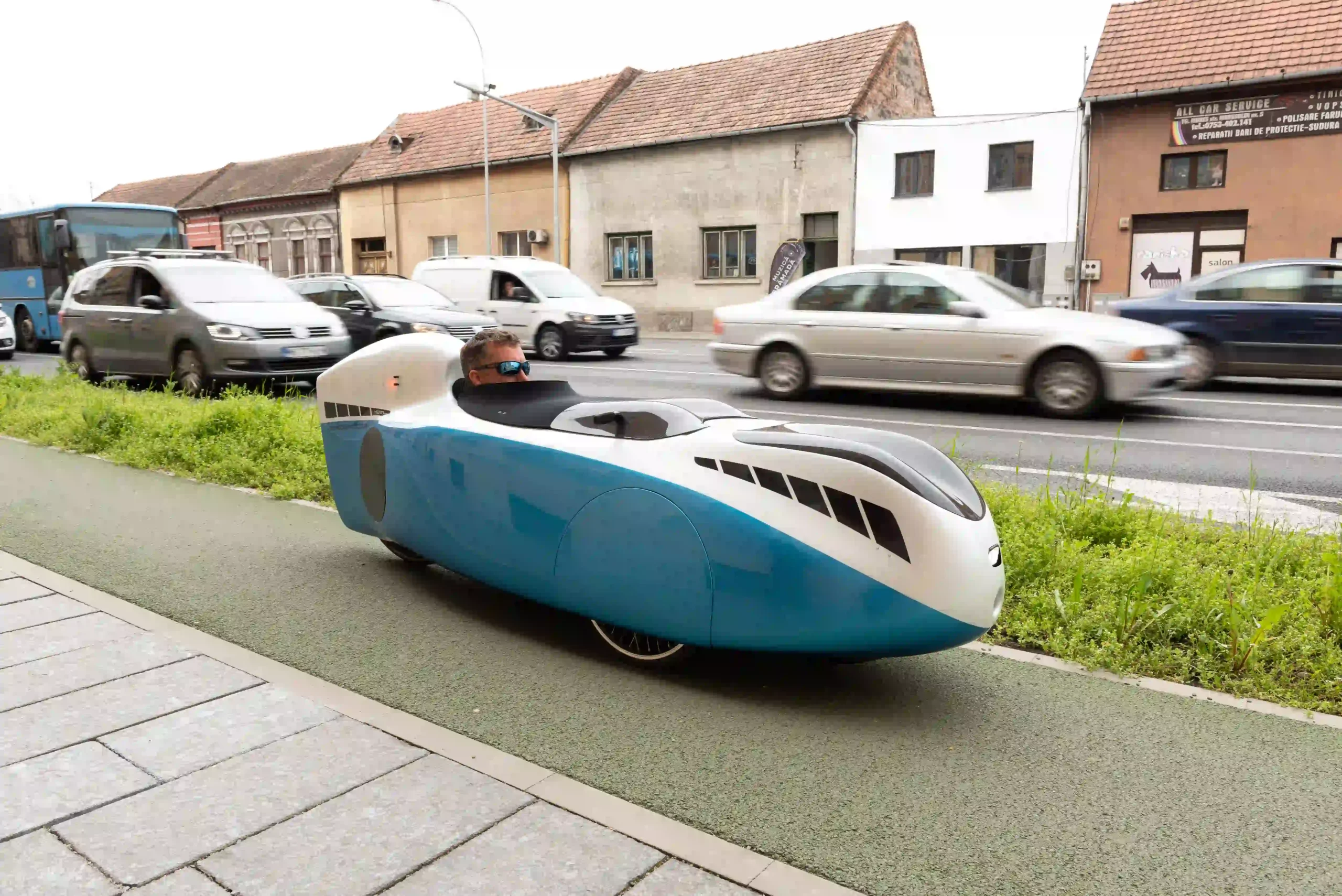
Credit: www.velomobileworld.com
Frequently Asked Questions
Can You Store A Velomobile Indoors Safely?
Yes, storing a velomobile indoors protects it from weather and theft. Ensure enough space and proper ventilation to avoid damage or moisture buildup.
What Indoor Space Suits Velomobile Storage Best?
A garage, basement, or spacious room with dry, clean conditions is ideal. Keep it away from direct sunlight and extreme temperatures.
How To Prepare A Velomobile For Indoor Storage?
Clean the velomobile thoroughly and dry it. Inflate tires properly and cover it with a breathable cover to prevent dust accumulation.
Does Indoor Storage Extend A Velomobile’s Lifespan?
Indoor storage reduces exposure to elements, preventing rust and wear. This helps maintain the velomobile’s condition and extends its lifespan effectively.
Conclusion
Storing a velomobile indoors is practical and beneficial. It protects from weather damage and theft. Indoor storage extends the lifespan of your vehicle. It ensures your velomobile stays clean and ready. Space can be a challenge, though. Measure your area first to ensure fit.
Consider hooks or racks for vertical storage. This maximizes space and keeps the floor clear. Regular maintenance is easier indoors. You can easily check for issues or clean it. Keeping your velomobile indoors makes it last longer and look better.
Enjoy the peace of mind and convenience.



