
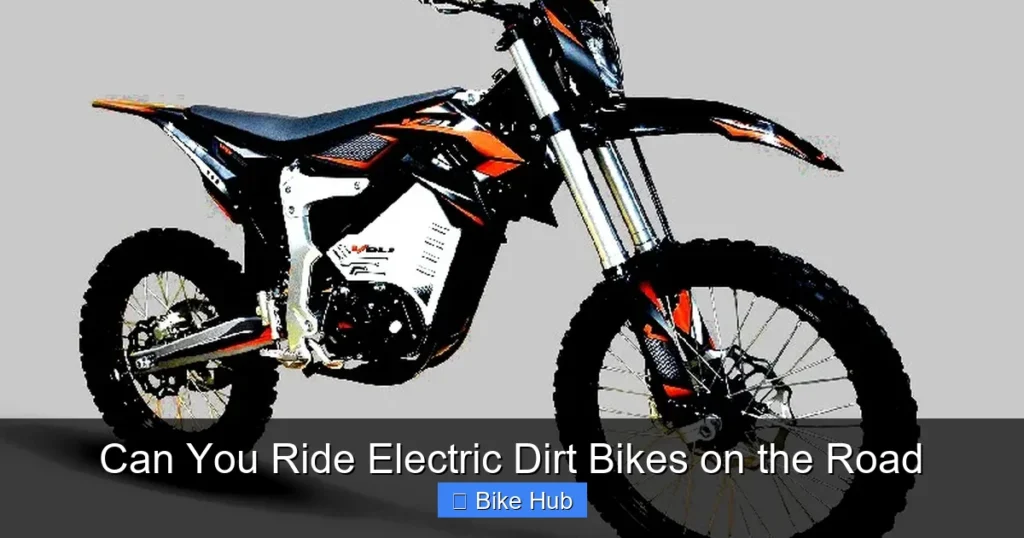
Electric dirt bikes are built for off-road fun, but can you ride them on public roads? The answer depends on local laws, bike features, and registration. This guide breaks down everything you need to know to ride legally and safely—from DOT compliance to licensing and gear.
[FEATURED_IMAGE_PLACEHREEN_PLACEHOLDER]
Key Takeaways
- Check local laws first: Road legality varies by state, city, and country—always verify regulations before riding.
- Street-legal features are required: Headlights, taillights, turn signals, mirrors, and a horn are often mandatory.
- Registration and insurance may be needed: Some areas require plates, VINs, and liability coverage.
- Not all electric dirt bikes are road-ready: Many models are designed only for trails and private property.
- Safety gear is essential: Wear a helmet, gloves, and protective clothing—even if not legally required.
- Consider dual-sport or hybrid models: Bikes like the Best Electric Bike for Road and Off-Road are built for both environments.
- Know where you can ride: Some public roads allow e-dirt bikes; others restrict them to bike lanes or prohibit them entirely.
Can You Ride Electric Dirt Bikes on the Road?
If you’re passionate about off-road riding but also want the freedom to cruise city streets, you’re not alone. Many riders ask: Can you ride electric dirt bikes on the road? The short answer is: sometimes—but only if the bike meets specific legal requirements and local regulations allow it.
Unlike traditional dirt bikes, electric dirt bikes offer quiet, eco-friendly power with instant torque. But just because they’re electric doesn’t automatically make them street-legal. In this guide, we’ll walk you through everything you need to know to ride your electric dirt bike on public roads—safely, legally, and confidently.
Step 1: Understand What Makes a Bike Street-Legal
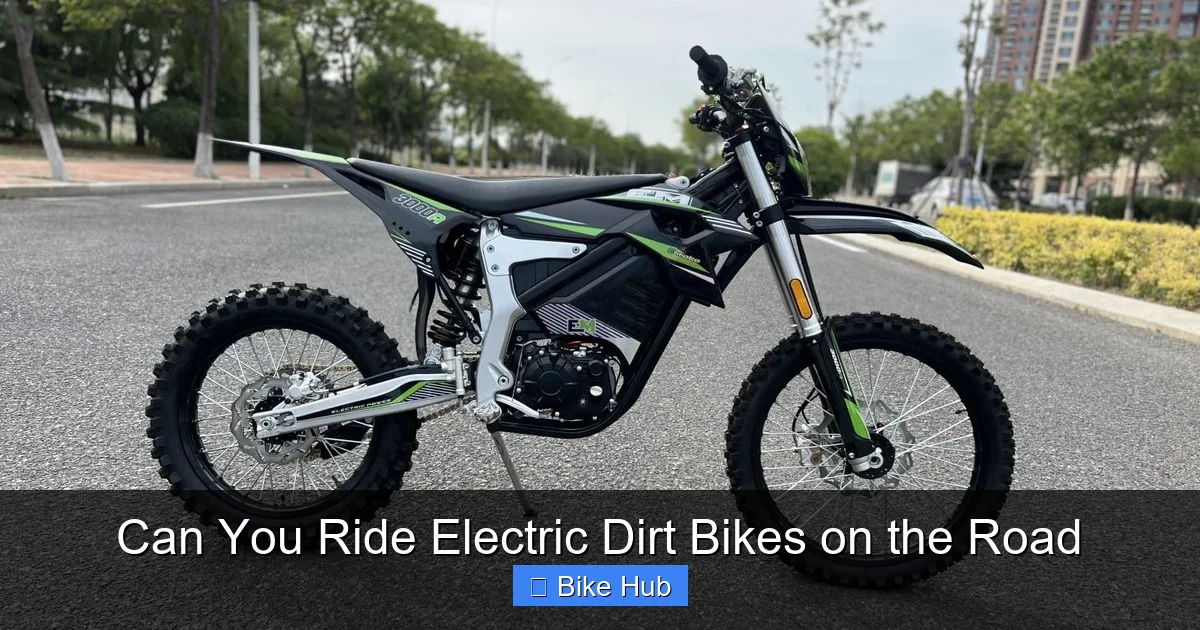
Before hitting the pavement, you must determine whether your electric dirt bike is street-legal. Most standard electric dirt bikes are designed for off-road use only. To be legal on public roads, a bike must meet Department of Transportation (DOT) standards.
Required Street-Legal Features
- Headlight and taillight: Must be functional and bright enough for visibility at night.
- Turn signals: Front and rear blinkers are required in most states.
- Brake lights: Must activate when you apply the brakes.
- Mirrors: At least one rearview mirror is typically required.
- Horn: Must be audible from a certain distance (usually 200 feet).
- Speedometer and odometer: Needed for registration and monitoring speed.
- License plate mount: Required if you need to register the bike.
If your electric dirt bike lacks these features, it’s likely not street-legal. However, some riders modify their bikes to meet DOT standards—but this can be costly and may still not guarantee legality.
Example: Comparing Models
For instance, the RM7 Electric Dirt Bike is a powerful off-road machine, but it doesn’t come with turn signals or mirrors. In contrast, the Best Electric Bike for Road and Trail models are designed with dual-use in mind and often include street-ready components.
Step 2: Check Your Local Laws and Regulations
Laws vary widely by location. What’s legal in one state or country might be banned in another. Always research your local Department of Motor Vehicles (DMV) or transportation authority.
State-by-State Differences in the U.S.
- California: Allows electric motorcycles on roads if they meet CHP standards and are registered.
- Texas: Requires registration, insurance, and a motorcycle license for any two-wheeled vehicle over 50cc equivalent.
- New York: Electric bikes are classified differently—Class 1, 2, and 3—but high-powered e-dirt bikes may fall under motorcycle rules.
- Florida: E-bikes are treated like regular bikes, but high-speed electric dirt bikes may need registration.
International Considerations
In the UK, electric motorcycles must be type-approved and registered. In the EU, vehicles must meet EU type-approval standards. Always check with local transport agencies before riding.
Tip: Use Online Resources
Websites like the Best Electric Bikes for Commuting guide can help you understand how different models are classified and where they’re allowed.
Step 3: Register and Insure Your Electric Dirt Bike
If your bike qualifies as a street-legal motorcycle, you’ll likely need to register it and carry insurance.
Registration Process
- Visit your local DMV or equivalent agency.
- Provide proof of ownership (bill of sale or manufacturer certificate).
- Show that the bike meets safety standards (may require inspection).
- Pay registration and licensing fees.
- Receive a license plate and registration card.
Insurance Requirements
Most states require liability insurance for motorcycles. Coverage typically includes:
- Bodily injury per person
- Bodily injury per accident
- Property damage
Some insurers specialize in electric motorcycles—shop around for the best rates.
Example: Licensing
In many states, you’ll need a motorcycle endorsement on your driver’s license. This usually involves a written test and a riding skills test. Even if your bike is electric, it’s treated like a gas-powered motorcycle if it exceeds certain speed or power limits.
Step 4: Choose the Right Electric Dirt Bike for Road Use
Not all electric dirt bikes are created equal. If you plan to ride on roads regularly, consider a model designed for dual use.
Look for Dual-Sport or Hybrid Models
These bikes combine off-road capability with street-legal features. Examples include:
- Sur Ron Light Bee (with aftermarket street kit)
- KTM Freeride E-XC (in select regions)
- Segway X260 (with modifications)
Key Features to Prioritize
- Street-legal lighting package
- Regenerative braking for efficiency
- Adjustable suspension for varied terrain
- Comfortable seating for longer rides
For a detailed comparison, check out our review of the Qlife Vela E5 Electric Dirt Bike, which explores performance, range, and real-world usability.
Step 5: Gear Up for Safety
Even if your bike is legal, safety should always come first.
Essential Protective Gear
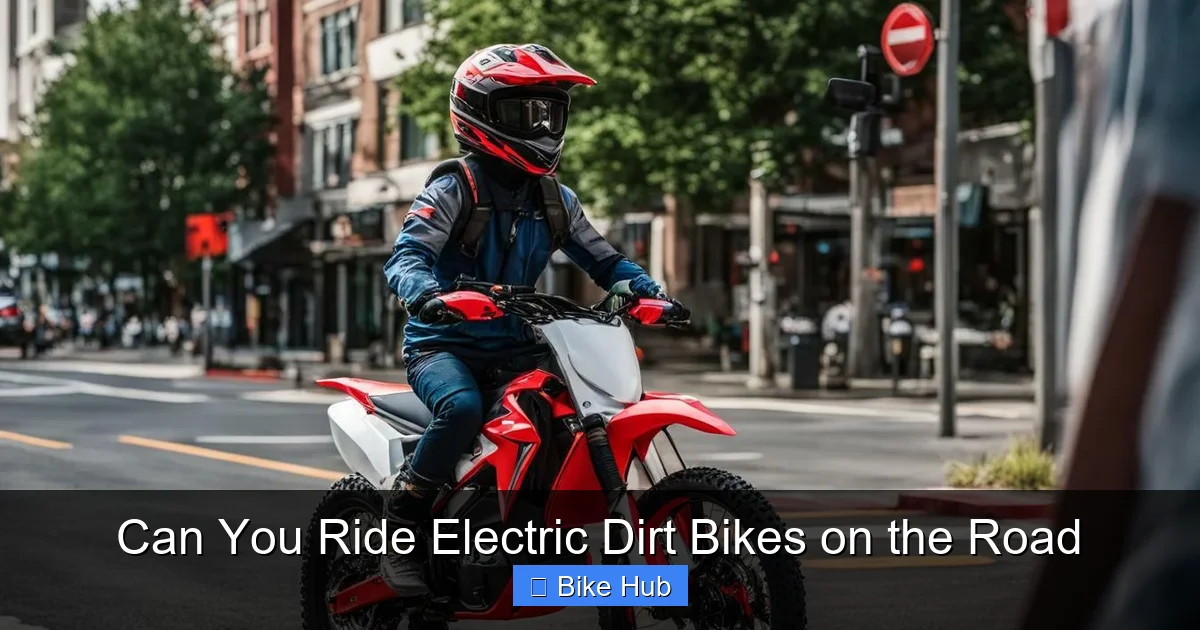
- Helmet: DOT-approved full-face helmet is strongly recommended.
- Gloves: Protect hands from abrasion and improve grip.
- Jacket and pants: Abrasion-resistant materials like leather or textile.
- Boots: Sturdy, ankle-supporting footwear.
- Eye protection: Goggles or a visor to shield from debris.
Visibility Tips
- Wear bright or reflective clothing.
- Add reflective tape to your bike.
- Use daytime running lights if allowed.
Troubleshooting Common Issues
Problem: My bike isn’t street-legal. Can I modify it?
Yes, but it’s not always practical. Adding lights, mirrors, and signals can cost hundreds of dollars. Plus, modifications may not pass inspection. It’s often better to buy a bike that’s already compliant.
Visual guide about Can You Ride Electric Dirt Bikes on the Road
Image source: edgemoto.com
Visual guide about Can You Ride Electric Dirt Bikes on the Road
Image source: electricbikelabs.net
Problem: I got pulled over. What do I do?
Stay calm. Provide registration, insurance, and ID. If your bike isn’t legal, you may face fines or impoundment. Use the experience to learn and comply next time.
Problem: My range is too short for road trips.
Electric dirt bikes typically have shorter ranges than commuter e-bikes. Plan routes with charging stops, or consider a model with swappable batteries. The Best Electric Bikes Under $2000 list includes several long-range options worth exploring.
Conclusion
So, can you ride electric dirt bikes on the road? The answer is: yes—but only under the right conditions. Your bike must be street-legal, you must follow local laws, and you should always prioritize safety. While many electric dirt bikes are built for trails, a growing number of hybrid models are bridging the gap between off-road thrills and urban commuting.
Before you hit the streets, do your homework. Check regulations, upgrade your gear, and consider investing in a dual-sport electric bike designed for both worlds. With the right preparation, you can enjoy the best of both riding experiences—without breaking the law.
Whether you’re exploring backcountry trails or cruising downtown, the future of electric two-wheeled adventure is here. Just make sure you’re riding smart, safe, and legally.



