
You can absolutely ride an electric bike without the battery, but it won’t feel like a normal bike. The motor and drivetrain add weight and resistance, making pedaling harder. This guide explains how to do it safely, what to expect, and when it makes sense.
Key Takeaways
- Yes, you can ride an e-bike without the battery: Most electric bikes function like regular bikes when the battery is removed, though they’re heavier and may have more pedal resistance.
- It’s heavier than a regular bike: E-bikes typically weigh 40–70 lbs, so expect a noticeable increase in effort, especially on hills or long rides.
- Pedal assist won’t work: Without the battery, the motor won’t engage, so you’ll rely solely on your leg power.
- Great for emergencies or short trips: If your battery dies mid-ride, you can still pedal home—just be prepared for a workout.
- Check your motor type: Mid-drive motors often create more drag than hub motors when unpowered, affecting ride feel.
- Maintain your bike regularly: Even without the battery, keep tires inflated and chains lubricated for smoother pedaling.
- Consider a spare battery: For longer commutes, a backup battery ensures you’re never stranded without power.
Can You Ride an Electric Bike Without the Battery?
Yes—you can ride an electric bike without the battery. In fact, it’s one of the most common questions new e-bike owners ask. Whether your battery dies mid-ride, you forget to charge it, or you’re transporting your bike and want to reduce weight, knowing how to pedal without power is essential.
But here’s the catch: riding an e-bike without the battery isn’t the same as riding a regular bike. The added weight of the motor, frame reinforcements, and components means you’ll feel the difference. Still, with the right mindset and preparation, you can still get where you need to go.
In this guide, we’ll walk you through everything you need to know about riding your electric bike without the battery—from how it feels to practical tips for making the experience smoother. We’ll also cover when it makes sense to ride battery-free and how to avoid common pitfalls.
How Electric Bikes Work (And What Happens Without Power)
Visual guide about Can You Ride an Electric Bike Without the Battery
Image source: electricbikeinformation.com
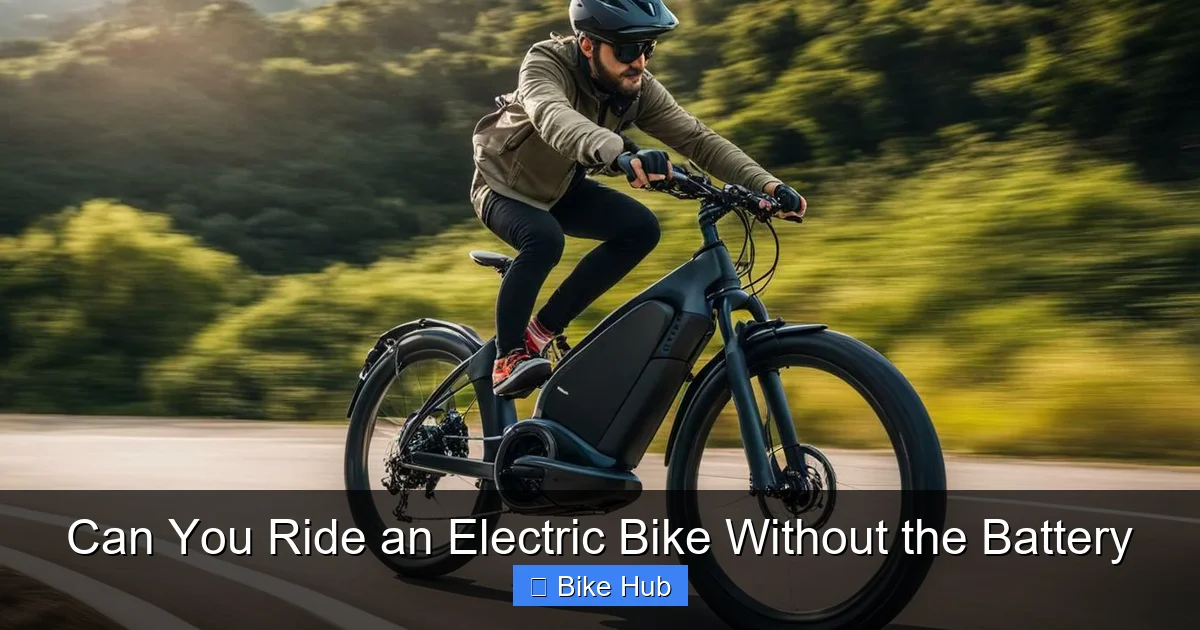
Before we dive into the how-to, let’s quickly understand how e-bikes function. Most electric bikes use one of two motor systems: a hub motor (in the front or rear wheel) or a mid-drive motor (near the pedals). Both rely on a rechargeable lithium-ion battery to provide pedal assist or throttle power.
When the battery is removed or dead, the motor becomes inactive. That means no electric assistance—no boost on hills, no throttle acceleration, and no smooth cruising at 20 mph. You’re now riding a heavy, motor-equipped bicycle using only your legs.
What Changes When the Battery Is Gone?
- Increased weight: E-bikes weigh significantly more than standard bikes—often 10–20 lbs heavier. This affects acceleration, braking, and handling.
- Pedal resistance: Some motors, especially mid-drive types, create drag when not powered. This makes pedaling feel stiffer.
- No electronic features: Displays, lights, and gear sensors won’t work without power.
- Altered center of gravity: The motor and battery placement can make the bike feel unbalanced, especially when starting or stopping.
Step-by-Step: How to Ride an E-Bike Without the Battery
Visual guide about Can You Ride an Electric Bike Without the Battery
Image source: electricbikelabs.net
Riding without the battery is simple in theory, but a few smart steps can make the experience much better.
Step 1: Remove or Disconnect the Battery (If Needed)
If you’re planning to ride without power, make sure the battery is either removed or switched off. Most e-bikes have a physical switch or a key lock. Removing the battery also reduces weight and prevents accidental damage.
Tip: Store the battery in a safe, dry place. If you’re commuting, consider carrying a spare battery in a backpack or pannier.
Step 2: Check Tire Pressure
Underinflated tires make pedaling harder—especially on a heavy e-bike. Use a pressure gauge to ensure your tires are at the recommended PSI (usually printed on the tire sidewall). If you don’t have a pump handy, check out our guide on how to inflate bike tires without a pump for creative solutions.
Step 3: Shift to a Lower Gear
Start in a low gear to make pedaling easier, especially when starting from a stop or climbing hills. E-bikes often have wide-range gear systems, so use them to your advantage.
Example: If you’re on a hill, shift down before you stop. This prevents stalling and reduces strain on your legs.
Step 4: Pedal Smoothly and Consistently
Without motor assist, momentum is your friend. Avoid sudden stops and starts. Maintain a steady cadence to conserve energy and reduce fatigue.
Pro tip: Use your body weight to help push through tough sections. Lean forward slightly and use your core muscles.
Step 5: Plan Your Route Wisely
Choose flat, paved paths over steep or rough terrain. Avoid long hills unless you’re confident in your fitness level. If you’re commuting, map out a route with minimal elevation gain.
For off-road adventures, consider a model built for tough conditions—like the best electric bike for rough terrain—but remember, even those are harder to pedal without power.
Step 6: Take Breaks When Needed
Don’t push yourself too hard. If you’re not used to riding a heavy bike manually, take short breaks to rest and hydrate. Listen to your body.
When Should You Ride Without the Battery?
There are several practical reasons to ride your e-bike without the battery:
- Battery died mid-ride: The most common scenario. You can still pedal home, though it may take longer.
- Forgot to charge: If you’re running late and the battery is dead, you can still make your trip—just expect a workout.
- Transporting the bike: Removing the battery makes the bike lighter and easier to carry or load onto a vehicle.
- Maintenance or repairs: Some mechanics recommend testing the bike without power to isolate mechanical issues.
- Exercise: Want a more intense workout? Riding without assist turns your e-bike into a high-resistance trainer.
Tips for a Smoother Ride Without Power
Even without the battery, you can make pedaling easier with a few smart habits.
Keep Your Bike Well-Maintained
A clean, lubricated chain and properly adjusted brakes reduce friction and make pedaling more efficient. Regular maintenance is key—especially if you ride frequently without power.
Use Proper Tire Pressure
As mentioned earlier, correct tire pressure is crucial. Underinflated tires increase rolling resistance, making every pedal stroke harder. Invest in a portable pump or CO2 inflator for on-the-go adjustments. For recommendations, see our list of the best electric bike pumps.
Wear Appropriate Gear
Comfortable cycling clothes, padded shorts, and gloves can reduce fatigue and improve your experience. Don’t forget a helmet—safety first, even when riding manually.
Consider a Belt Drive or Internal Gear Hub
Some e-bikes come with belt drives or internal gear hubs, which are more efficient and require less maintenance than traditional chains. These can make manual pedaling feel smoother.
Troubleshooting Common Issues
Even with preparation, you might run into problems. Here’s how to handle them.
The Bike Feels Too Heavy to Pedal
This is normal. E-bikes are heavy by design. Focus on low gears, smooth pedaling, and choosing flat routes. Over time, your legs will adapt.
Pedals Feel Stiff or Stuck
This could be due to motor drag or a mechanical issue. Try spinning the pedals with your hands when the bike is off. If they don’t turn freely, check for chain tension or motor resistance. Some mid-drive motors create more drag than hub motors.
Battery Won’t Reconnect After Removal
Make sure the battery terminals are clean and aligned properly. Don’t force it—gentle pressure should click it into place. If it still won’t connect, consult your manufacturer’s guide.
You’re Too Tired to Continue
It’s okay to stop. Call for a ride, use public transit, or walk the bike if needed. Safety and health come first.
Should You Buy a Spare Battery?
If you frequently ride long distances or rely on your e-bike for commuting, a spare battery is a smart investment. It ensures you’re never stranded without power and gives you peace of mind.
Look for batteries compatible with your model, and consider weight and capacity. A higher-capacity battery gives more range but adds weight. For city commuting, a mid-range spare often strikes the right balance.
Conclusion
Yes, you can ride an electric bike without the battery—and in many cases, you’ll need to. Whether your battery dies, you forget to charge, or you’re transporting your bike, knowing how to pedal manually is a valuable skill.
While it’s harder than riding a regular bike due to the added weight and potential motor drag, with the right techniques—like using low gears, maintaining tire pressure, and choosing smart routes—you can still get where you need to go.
Remember: your e-bike is still a bike, even without power. With a little preparation and patience, you’ll be ready for anything—charged or not.



