
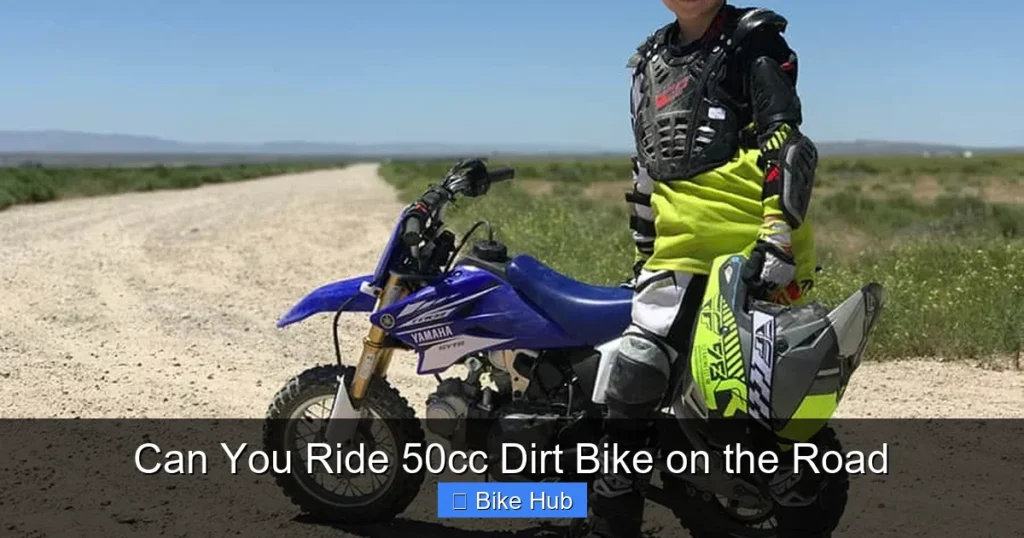
Yes, you can ride a 50cc dirt bike on the road—but only if it’s street-legal and meets local regulations. This guide walks you through the steps to legally and safely ride your 50cc dirt bike on public roads, including registration, safety gear, and modifications.
Key Takeaways
- Check your state laws first: Not all states allow 50cc dirt bikes on public roads—some require registration, insurance, or specific modifications.
- Street-legal modifications are often required: You may need headlights, taillights, turn signals, mirrors, and a horn to comply with road safety standards.
- Wear proper safety gear: Always use a DOT-approved helmet, gloves, boots, and protective clothing to stay safe.
- Register and insure your bike: In many areas, even small 50cc bikes must be registered and insured like any other motor vehicle.
- Practice safe riding habits: Stay visible, follow traffic rules, and avoid high-speed roads where your bike may be too slow.
- Consider rider age and licensing: Many states require a valid driver’s license or motorcycle permit, even for 50cc bikes.
- Maintain your bike regularly: Road conditions are tougher than trails—keep brakes, tires, and lights in top shape.
Can You Ride a 50cc Dirt Bike on the Road?
So, you’ve got a 50cc dirt bike and you’re wondering if you can take it out on the street. The short answer? It depends—but yes, it’s possible in many places. However, just because your bike can technically run on pavement doesn’t mean it’s automatically legal or safe to ride on public roads. This guide will walk you through everything you need to know to ride your 50cc dirt bike on the road legally, safely, and confidently.
Whether you’re commuting short distances, running errands, or just exploring your neighborhood, riding a 50cc dirt bike can be fun and practical. But before you hit the pavement, you’ll need to understand the rules, make the right modifications, and gear up properly. Let’s dive in.
Step 1: Check Your Local Laws and Regulations
The first and most important step is to research your state and local laws. Regulations vary widely across the U.S. and around the world. Some states treat 50cc scooters and dirt bikes the same, while others have strict rules about where and how they can be ridden.
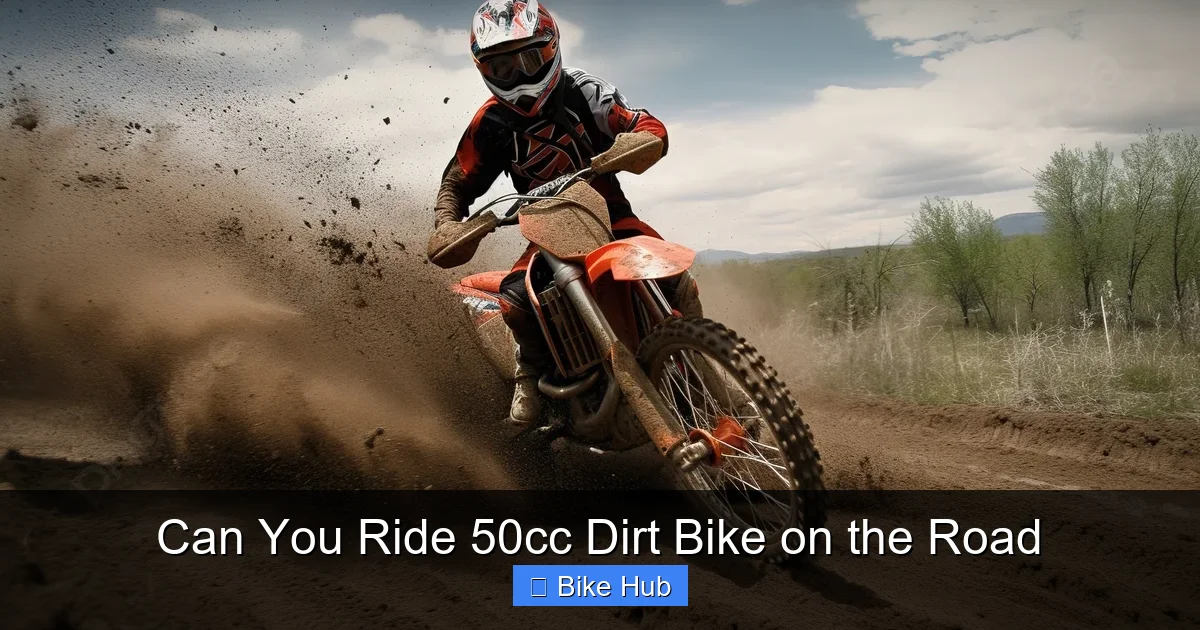
Visual guide about Can You Ride 50cc Dirt Bike on the Road
Image source: png.pngtree.com
Understand Classification
In many states, 50cc vehicles are classified as “motor-driven cycles” or “mopeds.” These typically have lower speed limits (usually under 30 mph) and may be allowed on roads with lower speed limits. However, some states require them to be registered, insured, and operated by licensed riders—even if they’re under 50cc.
Contact Your DMV
Call or visit your local Department of Motor Vehicles (DMV) website to find out:
- Is a 50cc dirt bike allowed on public roads?
- Do you need a motorcycle license, permit, or regular driver’s license?
- Are registration and insurance required?
- Are there age restrictions for riders?
For example, in California, 50cc scooters can be ridden on roads with speed limits up to 25 mph, but they must be registered and insured. In contrast, some rural areas may allow unregistered 50cc bikes on backroads—but not highways.
Step 2: Make Your Dirt Bike Street-Legal
Most dirt bikes aren’t built for street use. They lack essential components like lights, mirrors, and turn signals. To ride legally, you’ll likely need to modify your bike to meet road safety standards.
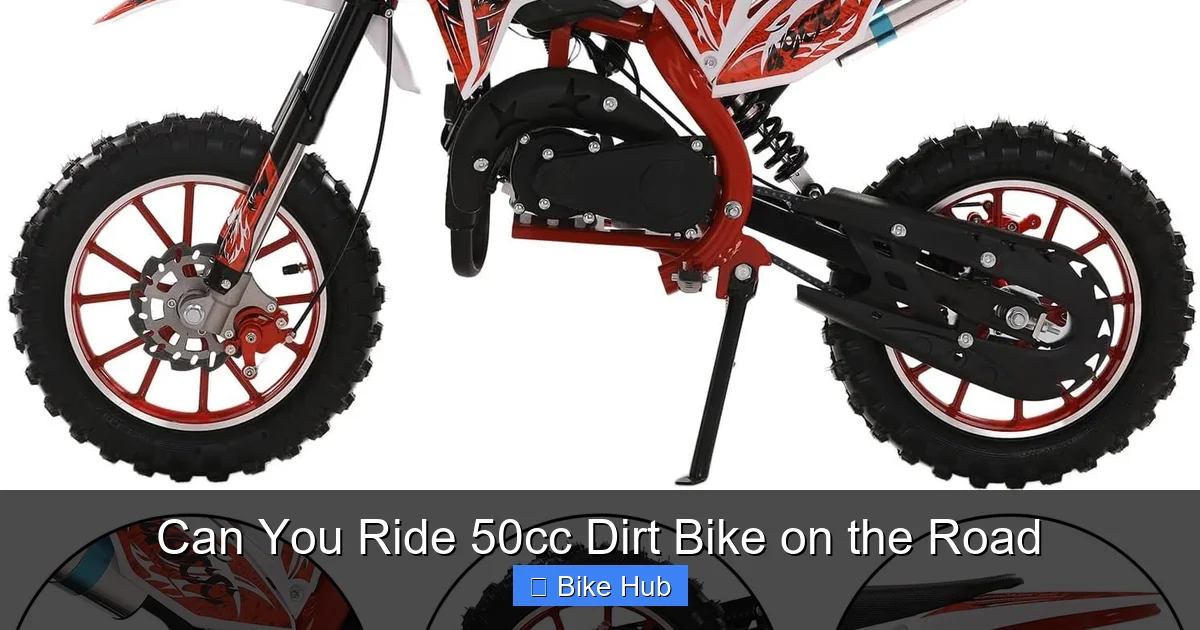
Visual guide about Can You Ride 50cc Dirt Bike on the Road
Image source: m.media-amazon.com
Install Required Lighting
Your bike must have:
- A white front headlight (visible from at least 500 feet)
- A red taillight and brake light
- Turn signals (front and rear)—required in most states
- Reflectors (white front, red rear, amber side)
You can buy street-legal lighting kits online or from motorcycle shops. Make sure all lights are wired correctly and function when the engine is running.
Add Mirrors and a Horn
Most states require at least one rearview mirror (usually on the left handlebar). A working horn is also mandatory. These are simple upgrades but essential for passing inspections.
Install a Speedometer
Some states require a functional speedometer. If your dirt bike doesn’t have one, you can install a small digital unit that mounts to the handlebars.
Replace Off-Road Tires (If Needed)
Dirt bike tires are designed for dirt, mud, and trails—not pavement. They can be slippery and wear out quickly on roads. Consider switching to street-legal tires that offer better grip and durability on asphalt. For more on tire selection, check out our guide on best off-road bike tires to understand the difference between trail and road performance.
Step 3: Register and Insure Your Bike
Even small 50cc bikes often need to be registered with the DMV. This usually involves:
- Providing proof of ownership (bill of sale or title)
- Passing a safety inspection (if required)
- Paying registration and licensing fees
Insurance is another key requirement in many states. At minimum, you’ll need liability coverage to protect others in case of an accident. Some insurers offer specialized policies for small-displacement bikes and scooters.
Get a VIN or Engine Number
If your dirt bike doesn’t have a Vehicle Identification Number (VIN), you may need to get one assigned by the DMV. This is common for imported or custom-built bikes.
Step 4: Obtain the Right License and Gear
Just because your bike is small doesn’t mean you can ride it without proper credentials.
Licensing Requirements
Most states require at least a standard driver’s license to operate a 50cc bike. Others may require a motorcycle permit or endorsement. Check your state’s rules—some allow teens as young as 14 or 15 to ride with a permit.
Wear Proper Safety Gear
Safety should always come first. Even at low speeds, a fall on pavement can cause serious injury. Always wear:
- A DOT-approved helmet (non-negotiable)
- Sturdy gloves and boots
- Long pants and a durable jacket (preferably with armor)
- High-visibility clothing or reflective strips
For extra protection, consider adding a chest protector and knee guards—especially if you’re new to riding. For more on essential safety equipment, read our article on bike helmet accessories you need to stay safe and comfortable.
Step 5: Practice Safe Riding Habits
Riding on the road is very different from riding on dirt trails. You’ll share space with cars, buses, and pedestrians—so awareness and caution are critical.
Stay Visible
Small bikes can easily disappear in blind spots. Use your headlights during the day, wear bright colors, and avoid riding in other vehicles’ blind zones.
Follow Traffic Laws
Treat your dirt bike like any other vehicle. Obey traffic signals, stop signs, and lane markings. Use hand signals if your bike doesn’t have turn signals (though installing them is strongly recommended).
Avoid High-Speed Roads
50cc bikes typically top out around 25–35 mph. Riding on highways or busy roads with faster traffic is dangerous and often illegal. Stick to residential streets, bike lanes, and low-speed roads.
Be Weather-Wise
Wet pavement, wind, and gravel can be hazardous for small bikes. Avoid riding in bad weather until you’re experienced. For tips on handling tough conditions, see our guide on how to ride a road bike in windy conditions—many of the same principles apply to small motorcycles.
Troubleshooting Common Issues
Even with the right setup, you might run into problems. Here’s how to handle common issues:
Bike Won’t Start on Pavement
If your dirt bike starts fine on dirt but struggles on pavement, check the carburetor and air filter. Road riding can expose dirt buildup or fuel issues that aren’t apparent off-road.
Lights Don’t Work
Faulty wiring is common when adding street-legal lights. Use a multimeter to test connections and ensure the battery or alternator is providing enough power.
Registration Denied
If the DMV won’t register your bike, it may be due to missing parts (like a VIN or proper lights) or classification issues. Some states don’t allow dirt bikes on roads at all—only scooters or mopeds. In that case, consider converting to a street-legal scooter or sticking to private property.
Final Tips for a Smooth Ride
- Start slow: Practice in empty parking lots before riding in traffic.
- Maintain your bike: Check tire pressure, brakes, and chain tension regularly. For maintenance tips, visit our how to maintain a road bike guide—many steps apply to small motorcycles too.
- Plan your route: Use quiet streets and avoid busy intersections.
- Carry essentials: Bring a basic toolkit, phone, and ID in case of breakdowns or inspections.
Conclusion
Yes, you can ride a 50cc dirt bike on the road—but only if you take the time to make it legal, safe, and responsible. By checking local laws, installing the right equipment, registering your bike, and wearing proper gear, you can enjoy the freedom of street riding without breaking the rules or risking your safety.
Remember, a 50cc bike may be small, but it still demands respect on the road. Treat it like any other vehicle, ride defensively, and always prioritize safety. With the right preparation, your dirt bike can be a fun, eco-friendly way to get around town.



