
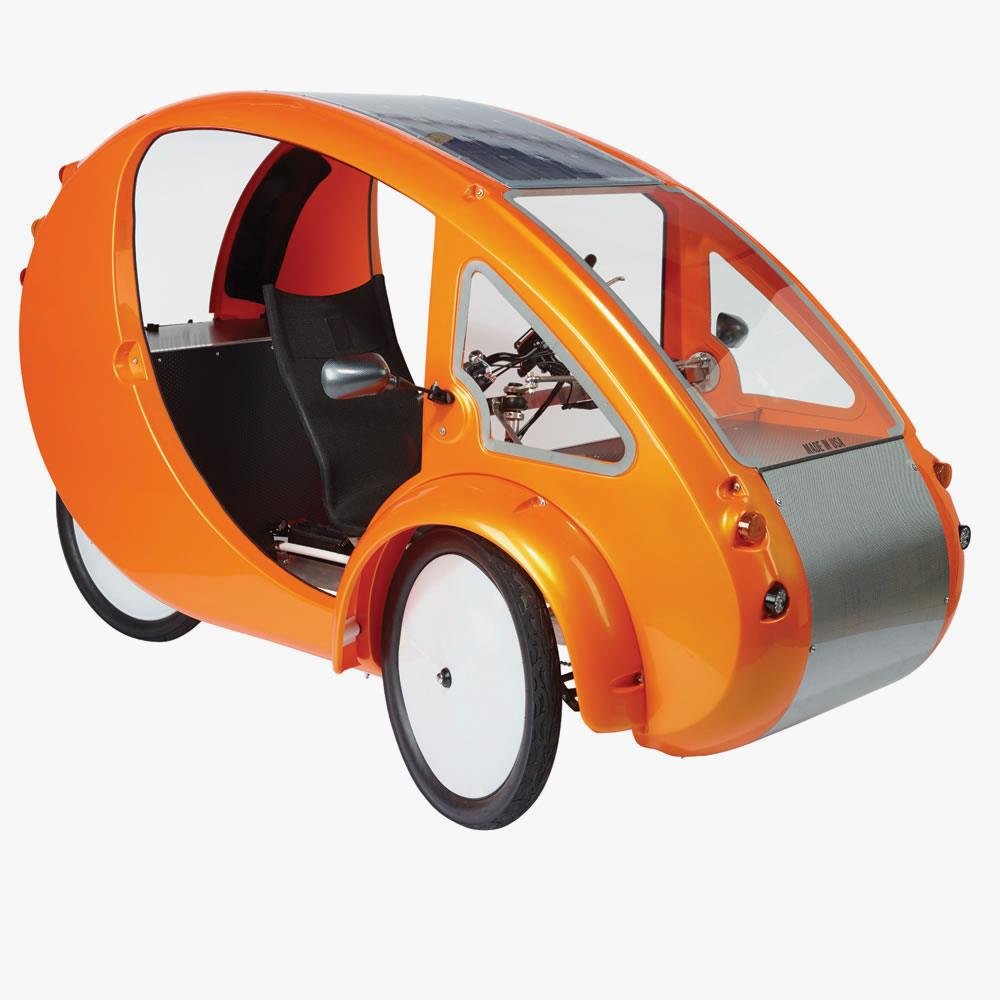
Have you ever wondered if your velomobile could run on solar power? Imagine riding smoothly without worrying about fuel or charging stations.
Solar energy offers a clean, endless source of power that could change how you use your velomobile. But is it really possible? You’ll discover the truth behind solar-powered velomobiles and how this technology might fit into your daily ride. Keep reading to find out if your next trip could be powered by the sun.

Credit: www.hammacher.com
Velomobiles And Solar Power
Velomobiles are human-powered vehicles with aerodynamic shells. They offer better speed and protection than regular bikes.
Solar power can provide extra energy to velomobiles. This helps riders travel longer distances without much effort.
Basics Of Velomobiles
Velomobiles look like bikes but have a covered body. This shape reduces air resistance and protects riders from weather.
- They use pedals for human power.
- Some models add electric motors.
- They are lighter than cars but faster than bikes.
- Velomobiles are eco-friendly and save energy.
Solar Energy Potential
Solar panels can charge batteries on velomobiles. This power assists the rider and extends travel range.
| Factor | Effect on Solar Power |
| Sunlight Hours | More sunlight means more energy |
| Panel Size | Bigger panels capture more power |
| Battery Capacity | Stores energy for use when sun is low |
| Weight Added | More panels add weight, affecting speed |

Credit: www.hammacher.com
Solar Integration Techniques
Velomobiles can use solar power to increase their range and reduce charging stops. Solar integration needs the right parts and planning.
We will look at solar panel types, mounting options, and energy storage for velomobiles powered by the sun.
Solar Panel Types For Velomobiles
Velomobiles usually need light and flexible solar panels. These panels fit curved surfaces and add little weight.
- Monocrystalline panels offer high efficiency and good power output.
- Polycrystalline panels cost less but are a bit heavier and less efficient.
- Thin-film panels are very flexible and lightweight but produce less power.
Mounting And Placement
Proper mounting keeps panels safe and captures maximum sunlight during rides. Placement depends on the velomobile design.
| Mounting Method | Benefits | Drawbacks |
| Adhesive Mounting | Lightweight and low profile | Hard to remove and replace |
| Magnetic Mounting | Easy to install and remove | May not hold in strong wind |
| Bracket Mounting | Secure and stable | Adds weight and bulk |
Energy Storage Options
Energy storage stores solar power for use when sunlight is low or not available. Batteries are the most common choice.
- Lithium-ion batteries offer high energy density and long life.
- Lead-acid batteries are heavier but cheaper.
- Supercapacitors charge quickly and last long but hold less energy.
Performance And Efficiency
Velomobiles are lightweight, enclosed bikes designed for speed and comfort. Adding solar power can change how they perform and use energy.
Solar panels can help power the electric motor of a velomobile. This affects how far and fast it can go before needing a recharge.
Power Output And Range
Solar panels on a velomobile produce limited power because of their small size. They can add extra energy but often not enough to fully run the motor alone.
This extra power can extend the range by charging the battery slowly during the ride. This means the rider can travel farther without stopping to recharge.
- Solar panels add energy gradually
- Range depends on sunlight intensity
- Battery size affects total travel distance
Impact On Speed And Weight
Adding solar panels and batteries increases the weight of the velomobile. Extra weight can reduce the top speed and acceleration.
Solar power helps keep the motor running longer but does not boost maximum speed. The shape and aerodynamics still control how fast it can go.
- Panels add weight to the vehicle
- Heavier weight lowers speed slightly
- Aerodynamics mostly control speed
Weather And Environmental Factors
Solar power depends on sunlight. Cloudy days or shade reduce the power output, limiting its help for the motor.
Temperature changes can affect battery performance. Cold weather lowers battery efficiency, reducing range and power delivery.
- Sunny weather maximizes solar output
- Clouds reduce energy from panels
- Cold lowers battery power
- Heat can also affect battery life
Benefits Of Solar-powered Velomobiles
Solar-powered velomobiles offer a clean way to travel. They use the sun’s energy to move efficiently.
Using solar power in velomobiles can change how people think about transport. It helps reduce pollution and saves money.
Sustainability And Emissions
Solar energy produces no harmful gases. Velomobiles powered by the sun help protect the air we breathe.
- Zero fuel emissions
- Lower carbon footprint than cars
- Uses renewable energy source
- Reduces dependence on fossil fuels
Cost Savings Over Time
Solar-powered velomobiles reduce fuel and electricity costs. Owners save money as solar power is free after setup.
| Expense Type | Traditional Velomobile | Solar-Powered Velomobile |
| Fuel or Electricity | High | Low to None |
| Maintenance | Moderate | Low |
| Initial Cost | Moderate | Higher but offset over time |
Independence From Charging Stations
Solar panels allow charging anywhere the sun shines. This gives freedom from fixed charging points.
- Charge on the go
- Useful in remote areas
- Less reliance on public infrastructure
- More travel flexibility
Challenges And Limitations
Velomobiles are lightweight, human-powered vehicles. Using solar power to run them sounds useful. This idea faces many challenges and limits.
Understanding these challenges helps us see if solar power is practical for velomobiles.
Limited Surface Area
Velomobiles have small and curved surfaces. This limits the space for solar panels. Less area means less solar energy captured.
The shape needed for good aerodynamics reduces panel size. This limits how much power solar panels can produce.
Initial Setup Costs
Adding solar panels and batteries to velomobiles costs money. The price can be high for good quality parts. This may stop some people from trying it.
Solar systems need special controllers and wiring. These extra parts add to the total cost of the velomobile.
Technical And Maintenance Issues
Solar panels on velomobiles need care. Dirt and scratches lower their efficiency. Regular cleaning and checks are necessary.
Batteries and electronics need repairs and replacements over time. This adds to the work and cost of keeping the solar system running well.
Future Trends And Innovations
Velomobiles powered by solar energy could change personal transport. New technology and ideas are making solar-powered vehicles more practical.
Exploring advances in solar tech, hybrid systems, and market growth helps us understand the future of solar velomobiles.
Advances In Solar Tech
Solar panels are getting more efficient and lighter. This means velomobiles can carry better solar cells without extra weight.
New materials and designs help solar cells work well even in low light. Flexible panels can fit curved velomobile surfaces.
- Higher efficiency solar cells
- Lighter and flexible solar materials
- Improved energy storage options
- Better integration with vehicle design
Hybrid Energy Systems
Combining solar power with other energy sources makes velomobiles more reliable. Batteries and pedaling help when solar energy is low.
Hybrid systems balance energy use and extend travel range. They keep the vehicle moving on cloudy days or at night.
| Energy Source | Benefit |
| Solar Panels | Renewable and free energy |
| Batteries | Store energy for later use |
| Human Pedaling | Backup power and exercise |
Potential Market Growth
The market for solar-powered velomobiles is growing as people seek clean transport. Urban areas with traffic and pollution benefit most.
Key factors driving market growth include:
- Lower costs of solar technology
- Government support for green transport
- Rising fuel prices
- Increased public interest in sustainability
Real-world Examples
Solar-powered velomobiles are vehicles that use solar panels to help with movement. These vehicles combine pedal power with solar energy.
Many people have tried solar velomobiles in real life. These examples show how solar energy can assist in travel.
Existing Solar Velomobile Models
Some velomobile makers add solar panels to their models. These panels charge batteries or give direct power.
- SolarBike Velomobile: A three-wheeled design with solar cells on top.
- Twike 5: Combines pedal power with a solar-assisted electric motor.
- Velogy Solar: A lightweight model with flexible solar panels.
User Experiences
People who use solar velomobiles say solar power helps on sunny days. It reduces the effort needed to pedal.
Users report longer trips without tiring. Solar panels add extra range and reduce battery charging stops.
- Solar power assists uphill riding.
- Users enjoy quiet and clean travel.
- Some find solar panels add weight but still useful.
Case Studies
A study in the Netherlands tested solar velomobiles over a year. The vehicles ran mostly on solar energy.
The study found solar panels supplied up to 40% of needed energy. Users saved money on electricity and enjoyed smooth rides.
| Location | Model | Solar Energy Contribution | Outcome |
|---|---|---|---|
| Netherlands | SolarBike Velomobile | 40% | Good range and less battery use |
| Germany | Twike 5 | 35% | Solar helped on daily commutes |
| Switzerland | Velogy Solar | 30% | Lightweight and easy to pedal |

Credit: www.hammacher.com
Frequently Asked Questions
Can Velomobiles Be Powered By Solar Panels?
Yes, velomobiles can be powered by solar panels. Solar panels can be mounted on velomobiles to harness sunlight. This energy can then be converted to power electric assist motors. This setup can increase the range and efficiency of velomobiles.
How Efficient Are Solar-powered Velomobiles?
Solar-powered velomobiles are quite efficient. They can extend the range significantly by utilizing renewable energy. Solar panels provide sustainable energy, reducing the need for frequent recharging. However, efficiency depends on panel quality, sunlight availability, and velomobile design.
What Are The Benefits Of Solar Velomobiles?
Solar velomobiles offer many benefits. They reduce reliance on fossil fuels, lowering carbon emissions. They also provide cost savings on energy consumption. Additionally, solar power extends the travel range of velomobiles, making them more practical for longer distances.
How Do Solar Panels Work On Velomobiles?
Solar panels on velomobiles capture sunlight and convert it into electricity. This electricity powers the velomobile’s electric assist motor. The panels are usually mounted on the roof or body. This setup helps in maintaining battery charge and extending travel range.
Conclusion
Solar power can help velomobiles run longer and cleaner. Small solar panels add extra energy while riding. This makes trips easier, especially on sunny days. Batteries still play a big role in storing power. Technology improvements will make solar velomobiles more practical soon.
They offer a quiet, eco-friendly way to travel. Using solar energy reduces pollution and saves money. Velomobiles with solar can fit daily travel needs well. The future looks bright for solar-powered rides.



