

Have you ever wondered if a velomobile can handle rough trails and bumpy paths? If you love the idea of combining speed, comfort, and protection but don’t want to be limited to smooth roads, this question might be on your mind.
You’re probably curious if your velomobile can take you off the beaten track without trouble. You’ll discover the surprising truth about velomobiles and off-road riding. Keep reading to find out what makes a velomobile ready—or not—for rugged terrain, and how you can make the most of your rides, no matter where the road ends.
Velomobile Basics
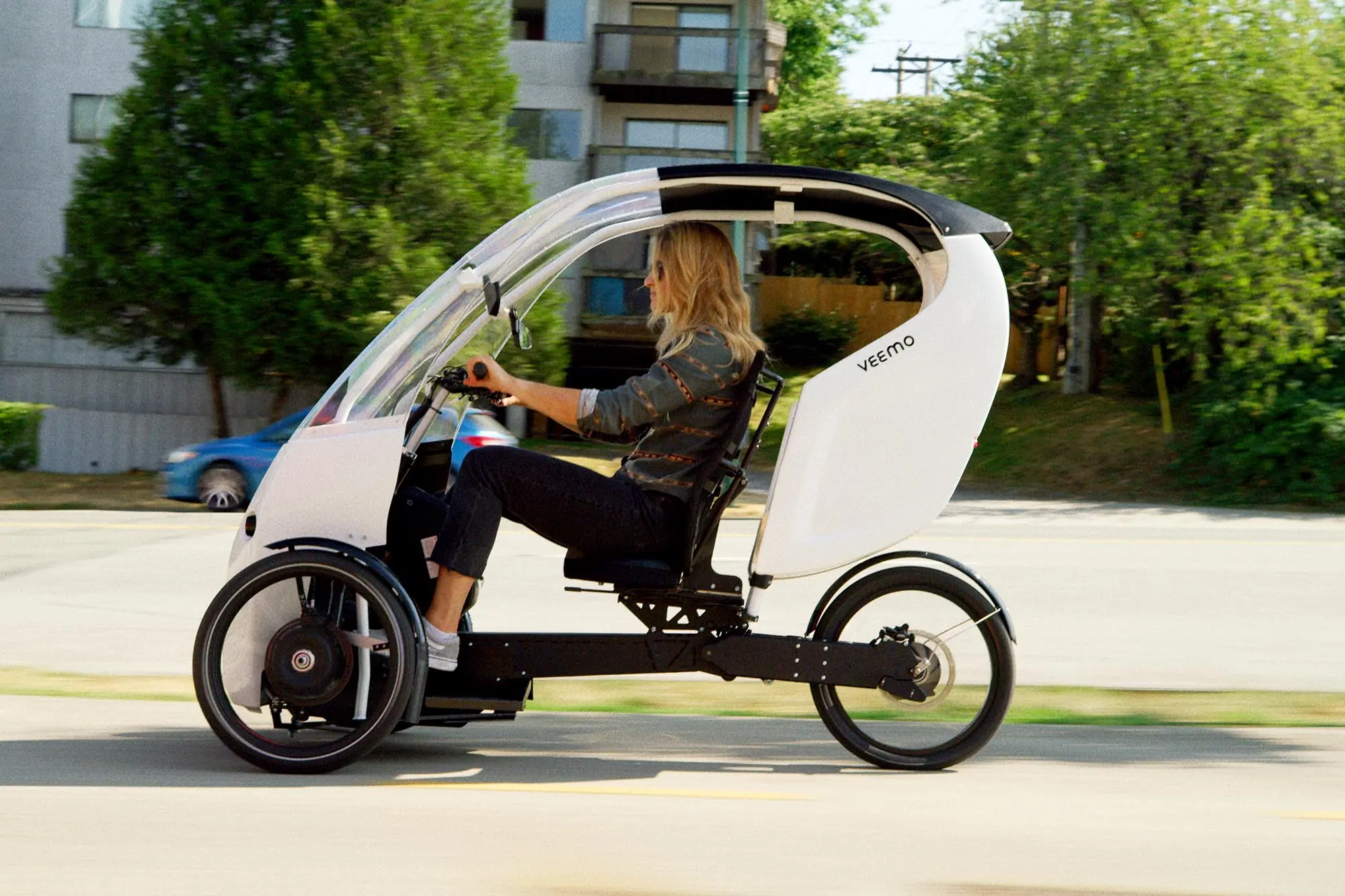
Velomobiles are human-powered vehicles shaped like bicycles but with a shell around them. They look like small cars but are powered by pedals. Many people use them for fast, efficient travel on roads.
These vehicles are built for speed and weather protection. Some people wonder if velomobiles can ride off-road. It depends on their design and intended use.
Design Features
Velomobiles have a hard outer shell that covers the rider and the pedals. This shell helps reduce wind resistance. Most have three wheels for balance and stability.
The shells are made from light materials like fiberglass or carbon fiber. Inside, there is a comfortable seat and pedals connected to a chain and gears. Some velomobiles have small openings for air and visibility.
- Three wheels for stability
- Hard aerodynamic shell
- Lightweight materials
- Pedal-powered drivetrain
- Weather protection for rider
Common Uses
People use velomobiles mostly on paved roads and bike paths. They are great for commuting, exercise, and long rides. The shell protects riders from rain and wind.
Velomobiles are not usually made for rough terrain. They work best on smooth surfaces. Some riders take them to events or for recreational rides on flat trails.
- Daily commuting on roads
- Fitness and exercise rides
- Long-distance touring
- Protected riding in all weather
- Recreational rides on smooth trails
Types Of Velomobiles
There are different types of velomobiles based on shape and use. Some focus on speed, while others focus on comfort. The shape affects how well they handle rough surfaces.
Speed-focused velomobiles have sleek, low shells. Comfort models have more space and better seating. Some designs try to balance speed and comfort. Off-road velomobiles are rare and have special tires and suspension.
- Speed models: aerodynamic and low to ground
- Comfort models: spacious with good seats
- All-rounders: balance speed and comfort
- Off-road models: stronger tires and suspension
Off-road Challenges
Velomobiles are usually built for smooth roads. Riding them off-road brings many challenges. The rough surface can affect control and speed.
Off-road terrain is uneven and can have many obstacles. Velomobiles face limits in handling these conditions.
Terrain Types
Off-road terrain varies a lot. Some surfaces are soft, while others are hard or rocky. Each type affects how a velomobile rides.
Common terrain types include dirt paths, gravel roads, grass fields, and forest trails. Each has its own difficulty level.
- Dirt paths can be loose and slippery
- Gravel roads cause vibrations and loss of traction
- Grass fields may hide bumps and holes
- Forest trails often have roots and uneven ground
Typical Obstacles
Velomobiles face many obstacles off-road. These can block the path or make riding harder. Obstacles need careful handling to avoid damage.
Riders must watch for rocks, tree roots, mud patches, and steep slopes. These obstacles test the strength and design of velomobiles.
- Large rocks can damage wheels or frame
- Tree roots cause sudden bumps
- Mud patches reduce tire grip
- Steep slopes challenge braking and climbing
Performance Factors
Several factors affect velomobile performance off-road. Tire type, suspension, and weight play big roles. These determine how well the vehicle adapts.
Velomobiles with wider tires and good suspension handle bumps better. Lightweight models are easier to steer but can be less stable.
- Tire width and tread pattern improve grip
- Suspension absorbs shocks and vibrations
- Weight affects balance and control
- Ground clearance helps avoid getting stuck
Velomobile Adaptations
Velomobiles are designed mainly for road use. Riding off-road needs special changes. These adaptations help velomobiles handle rough paths and uneven ground.
This guide focuses on three key adaptations: tire and suspension changes, frame reinforcements, and weight considerations. Each plays a role in making velomobiles ready for off-road rides.
Tire And Suspension Modifications
Off-road riding needs tires with better grip and shock absorption. Wider tires with deep treads work best. Suspension systems help smooth bumps and keep control.
- Use wider tires with knobby treads for better traction.
- Lower tire pressure to increase surface contact.
- Install front and rear suspension to absorb shocks.
- Check suspension travel to match rough terrain.
Frame Reinforcements
Frames face more stress on off-road trails. Reinforcing the frame prevents damage and improves safety. Strengthening key areas helps the velomobile last longer under rough use.
| Frame Area | Reinforcement Type | Purpose |
| Bottom Bracket | Extra welding | Handle pedal forces |
| Wheel Mounts | Thicker brackets | Support rough impacts |
| Frame Tubes | Stronger alloy | Increase overall strength |
Weight Considerations
Off-road velomobiles need to balance weight and durability. Heavy frames add strength but reduce speed. Lightweight materials keep the velomobile agile but must be tough.
Key weight tips:
- Use aluminum or carbon fiber frames to reduce weight.
- Add weight only where extra strength is needed.
- Keep accessories minimal to avoid extra load.
- Check tire weight since heavier tires slow you down.
Credit: gearjunkie.com
Real-world Off-road Tests
Velomobiles are usually built for smooth roads. This raises the question: can they handle off-road paths? Real-world tests help us understand their limits and strengths.
This article looks at user experiences, races, and performance comparisons on rough terrain. These insights come from actual rides and events.
User Experiences
Many riders share that velomobiles work on light off-road trails. Gravel paths and dirt roads are manageable. Steeper and rockier areas pose challenges. Riders often note the need for wider tires and lower pressure.
- Gravel roads are mostly smooth for velomobiles.
- Loose sand and mud reduce traction greatly.
- Sharp rocks can damage the shell if hit hard.
- Suspension upgrades improve comfort and control.
- Slower speeds help maintain balance on rough parts.
Race And Event Examples
Some races include mixed surfaces, testing velomobiles off-road. These events show how riders adapt and how machines perform under stress. Results vary based on terrain and vehicle setup.
- The Dirty Kanza mixed gravel with paved sections, challenging velomobiles.
- The VeloCross event used dirt tracks where riders adjusted tires for grip.
- Some endurance races added forest trails, requiring careful navigation.
Performance Comparisons
| Feature | Velomobile | Mountain Bike | Recumbent Bike |
|---|---|---|---|
| Speed on Gravel | Medium | High | Low |
| Stability on Rough Terrain | High (due to shell) | Medium | Low |
| Comfort Over Bumps | Medium | High (with suspension) | Low |
| Weight | Heavy | Light | Medium |
| Protection From Debris | High | Low | Low |
Advantages Off-road
Velomobiles can be used off-road with some clear advantages. Their design helps riders handle rough paths better than many bikes.
These vehicles offer a mix of comfort and performance on uneven terrain. This makes them a good choice for off-road adventures.
Stability And Safety
Velomobiles have three or four wheels, which gives them strong stability on rough trails. They are less likely to tip over than two-wheel bikes.
The enclosed body protects riders from branches and stones. The low center of gravity also helps keep balance on uneven ground.
- Three or four wheels improve balance
- Enclosed frame shields from obstacles
- Low center of gravity reduces tipping
Speed And Efficiency
Velomobiles glide smoothly over dirt and gravel paths. Their aerodynamic shape lowers wind resistance, saving energy.
They can reach good speeds without tiring the rider quickly. This makes longer off-road rides easier and more fun.
- Aerodynamic design reduces drag
- Efficient energy use for long rides
- Stable speed on uneven surfaces
Weather Protection
The shell of a velomobile protects riders from rain, wind, and dust. This makes off-road trips more comfortable in bad weather.
Riders stay dry and warm, which helps maintain focus and control. The protection lets you enjoy nature without feeling cold or wet.
- Covered body blocks rain and wind
- Reduces dust and dirt on rider
- Keeps rider warm in cool weather

Credit: www.reddit.com
Limitations And Risks
Velomobiles are unique vehicles designed mainly for paved roads. Riding them off-road can cause problems. It is important to know the limits and risks before trying off-road paths.
This section talks about key issues like handling, upkeep, and terrain limits. Understanding these helps keep riders safe and their velomobiles in good shape.
Maneuverability Issues
Velomobiles have a low, enclosed design. This shape makes sharp turns and quick moves hard on rough ground. Tight spaces and obstacles can be difficult to navigate.
- Low clearance limits ability to cross bumps and rocks.
- Wide body makes narrow trails a challenge.
- Heavier weight reduces agility on uneven surfaces.
- Steering system is tuned for smooth roads, not dirt paths.
Maintenance Challenges
Off-road riding can cause more wear and tear. Dirt, mud, and water get into parts that are hard to clean. This leads to faster damage and more repairs.
| Maintenance Area | Off-Road Risk |
| Chain and Gears | Clogged by mud, causing poor shifting |
| Brakes | Worn faster due to dirt and grit |
| Suspension | Stressed by uneven terrain |
| Body Frame | Scratched or cracked on rough surfaces |
Terrain Restrictions
Velomobiles are not made for all terrains. Some surfaces can cause trouble or damage. Choosing the right path is key to safe riding.
Common terrain problems include:
- Loose gravel that reduces traction
- Soft mud that can trap wheels
- Steep slopes too difficult to climb safely
- Sharp rocks that can puncture tires
Future Innovations
Velomobiles have mostly been used on smooth roads. The question is if they can handle rough paths. New ideas and tech may help them go off-road soon.
This article looks at future changes in velomobile design and markets. We will see how new tech and trends might change their use.
Emerging Technologies
New tech can make velomobiles stronger and more able to handle rough ground. Electric motors can add power on hills. Better tires can improve grip on dirt.
- Lightweight materials for a strong frame
- Electric assist for easier pedaling
- Suspension systems to absorb shocks
- Advanced tire designs for mud and rocks
Design Trends
Design changes focus on safety and comfort off-road. Wider bodies help with stability. Seats and controls are made for rough use.
| Feature | Benefit |
| Wider tires | Better grip on loose surfaces |
| Strong frames | Can handle bumps and drops |
| Improved suspension | Smoother ride on uneven ground |
| Ergonomic seats | More comfort for long rides |
Potential Off-road Markets
Off-road velomobiles could fit many markets. Adventure riders want new ways to explore. Delivery services may use them in rough city areas.
- Outdoor adventure and tourism
- Rural mail and package delivery
- Farm and vineyard transport
- Urban areas with poor road conditions

Credit: www.velomobileworld.com
Frequently Asked Questions
Can Velomobiles Handle Rough Terrain?
Velomobiles are mainly designed for paved roads. They perform poorly on rough, uneven terrain due to low ground clearance and narrow tires. Off-road use may cause damage and affect stability. Some custom models improve off-road ability, but standard velomobiles are not ideal for rough trails.
Are Velomobiles Suitable For Trail Riding?
Standard velomobiles are not suitable for trail riding. Their aerodynamic shells limit suspension and maneuverability needed for trails. While lightweight, they lack the rugged build of mountain bikes. Specialized off-road velomobiles exist but are rare and costly compared to traditional trail bikes.
What Modifications Make Velomobiles Off-road Capable?
To make velomobiles off-road capable, wider, knobby tires and increased ground clearance are essential. Enhanced suspension systems improve shock absorption. Reinforced frames protect against rough impacts. These modifications increase weight and reduce speed but improve off-road performance significantly.
How Does Velomobile Speed Compare On Off-road Surfaces?
Velomobiles are slower on off-road surfaces due to increased rolling resistance and reduced traction. Their aerodynamic design benefits smooth roads but hinders rough terrain speed. Off-road conditions demand careful handling, limiting maximum velocity compared to paved environments.
Conclusion
Velomobiles can handle some off-road adventures. Their design supports smooth terrain. But, rough trails pose challenges. Consider terrain type before choosing a route. Tire type matters too. Wider tires help grip uneven paths. Safety should always come first. Wear protective gear.
Keep speeds manageable. Check velomobile condition regularly. Maintenance prevents mishaps. Off-road can be exciting. But prepare well. Know your limits and the velomobile’s. Enjoy the ride, but stay cautious. Remember, not all paths suit velomobiles. Select your route wisely. Happy cycling!



