

Have you ever wondered if your velomobile can be truly yours—tailored to fit your style, needs, and comfort? Imagine riding a velomobile that not only turns heads but also feels like it was made just for you.
Customizing your velomobile isn’t just about looks; it’s about enhancing your experience every time you hit the road. You’ll discover how you can transform a standard velomobile into a unique machine that matches your personality and performance goals. Ready to see what’s possible?
Let’s dive in.
Credit: www.velomobileworld.com
Velomobile Basics
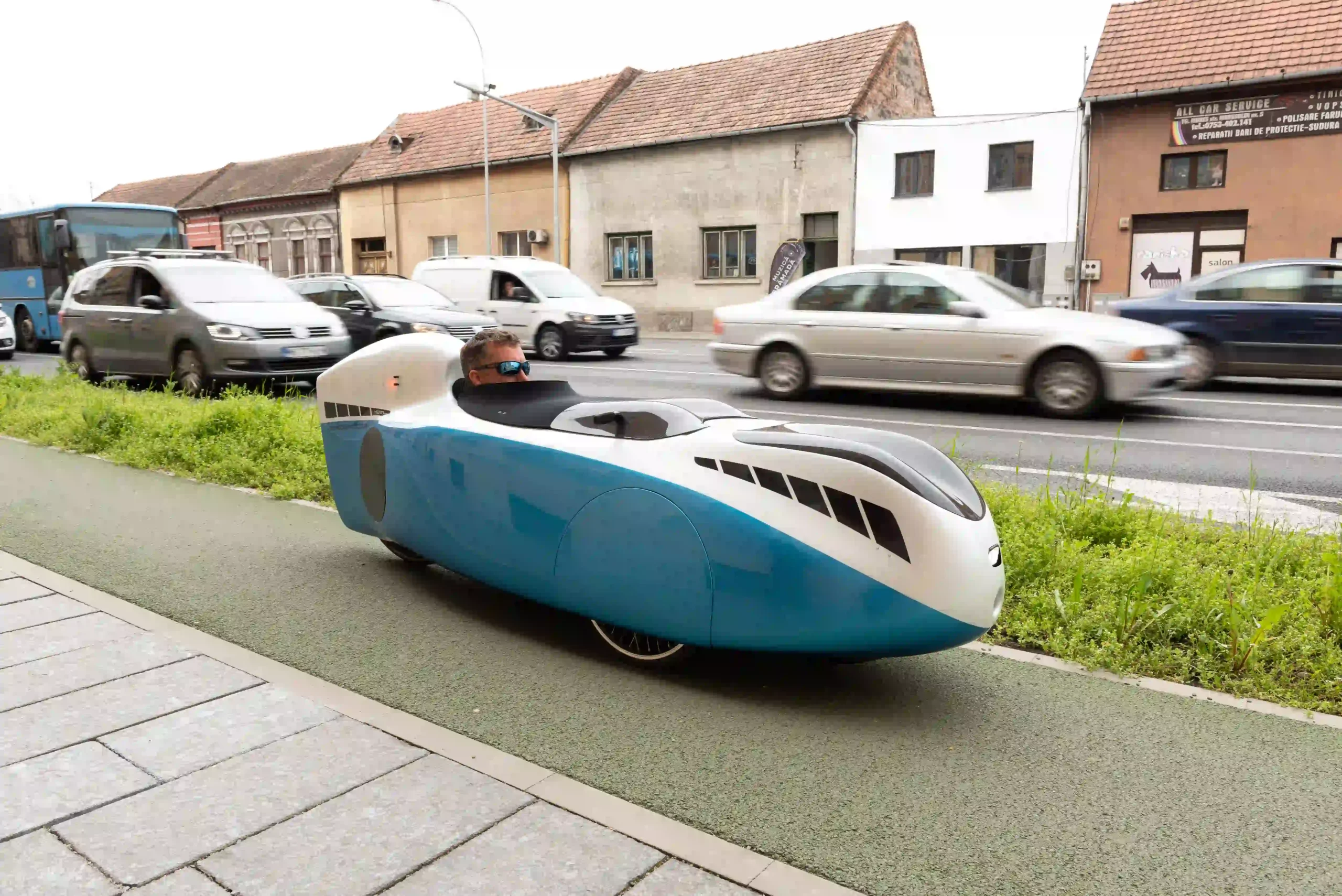
Velomobiles are human-powered vehicles with a shell around them. They look like bikes but have a full cover. This cover helps with speed and weather protection.
People use velomobiles for fun, commuting, and exercise. These vehicles can be changed to fit different needs and tastes.
Types Of Velomobiles
There are several types of velomobiles. Each type has a unique shape and design. Some are made for speed, others for comfort.
- Recumbent Trikes: Three wheels and a reclining seat for comfort.
- Streamlined Velomobiles: Fully enclosed for faster rides.
- Lightweight Models: Made with lighter materials for easier pedaling.
- Touring Velomobiles: Designed for long trips with extra storage.
Common Features
Most velomobiles share some common features. These parts help with safety, comfort, and performance.
- Enclosed Shell: Protects the rider from wind and rain.
- Three or Four Wheels: Provide balance and stability.
- Recumbent Seating: Lets riders sit back for comfort.
- Pedals and Gears: Help control speed and power.
- Lights and Reflectors: Increase visibility on roads.
Credit: www.velomobileworld.com
Customization Options
Velomobiles can be customized in many ways to fit personal needs. Custom options help riders enjoy better comfort and style.
From changing the frame to picking colors, customization adds uniqueness to each velomobile.
Frame Modifications
The frame is the base of a velomobile. Changing its shape or size can improve comfort and performance.
Riders can adjust the length, width, or height of the frame. Some also add special mounts for extra gear.
- Adjust frame size for better fit
- Add mounts for lights or racks
- Use stronger materials for durability
Bodywork Designs
Bodywork covers the frame and affects aerodynamics and style. Custom shapes can improve speed or look.
Some designs focus on better airflow, while others add storage compartments or windows.
- Sleek shapes for less wind resistance
- Extra compartments for storage
- Clear panels for better visibility
Color And Finish Choices
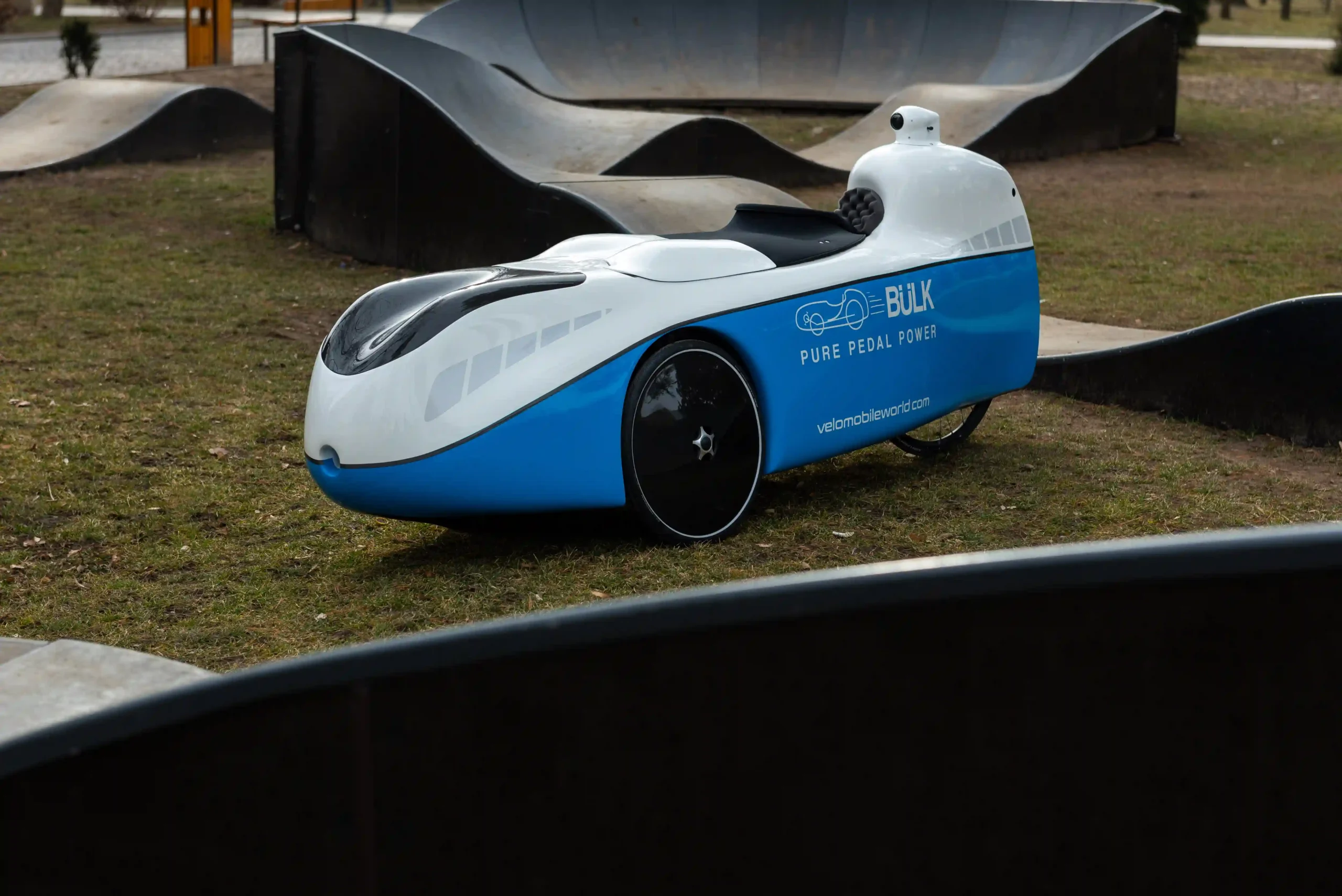
Color options let riders show their personality. Finishes like matte or gloss change the look and feel.
Custom paint jobs or decals add unique patterns and styles to the velomobile’s body.
- Bright colors for visibility
- Matte or glossy finishes
- Custom decals and patterns
Interior Enhancements
The inside can be changed for more comfort and convenience. Custom seats and controls improve the ride.
Extras like padded seats, adjustable pedals, and better ventilation make long rides easier.
- Padded and shaped seats
- Adjustable pedals and controls
- Improved airflow and ventilation
Performance Upgrades
Velomobiles can be customized to improve their speed and efficiency. Upgrading different parts helps make riding easier and faster. This guide covers key areas to enhance performance.
Focus on aerodynamics, powertrain, and weight. Each area offers ways to boost your velomobile’s power and reduce drag.
Aerodynamics Improvements
Reducing air resistance helps a velomobile move faster with less effort. Streamlined shapes and smooth surfaces cut drag significantly.
- Install fairings to cover exposed parts
- Use low-profile mirrors or remove them
- Seal gaps and joints with tape or rubber
- Apply smooth paint or coatings
- Choose aerodynamic wheels and tires
Powertrain Enhancements
Upgrading the powertrain can increase speed and reduce effort. Better gears, chains, and motors help improve energy use.
| Component | Upgrade Option | Benefit |
| Gears | High-quality cassette and chainrings | Smoother shifting and better power transfer |
| Chain | Lightweight, low-friction chain | Less resistance and longer life |
| Electric Motor | More powerful, efficient motor | Better assist on hills and longer rides |
Weight Reduction Techniques
Lower weight means less energy is needed to move the velomobile. Use lighter materials and remove unnecessary parts.
- Replace steel parts with aluminum or carbon fiber
- Use lightweight tires and tubes
- Remove extra accessories not needed for riding
- Choose a smaller battery if using electric assist
- Optimize frame design to use less material

Credit: www.velomobileworld.com
Tech Additions
Velomobiles can be customized with many technology features. These add-ons improve comfort, safety, and convenience. Riders often choose from lighting, navigation, and safety tech to enhance their ride.
Adding tech to a velomobile helps in different riding conditions. It also makes longer trips easier and safer. Below are common tech additions for velomobiles.
Lighting Systems
Good lighting is essential for visibility and safety. Many riders add LED headlights and tail lights. These lights use less power and last longer than older bulbs.
- Front LED headlights for bright, focused light
- Rear LED lights for clear visibility to cars
- Side marker lights to increase visibility at night
- Brake lights that activate when slowing down
- Battery-powered or dynamo-powered lighting options
Navigation And Electronics
Navigation tools help riders find their way. Many velomobiles include GPS devices or smartphone mounts. Electronic displays show speed, distance, and battery level for electric models.
| Device | Function |
| GPS Navigator | Shows routes and directions |
| Smartphone Mount | Keeps phone secure and visible |
| Speedometer | Displays current speed |
| Battery Monitor | Shows battery charge and usage |
Safety Features
Safety is a top priority for velomobile riders. Custom safety features include mirrors, alarms, and crash sensors. These help prevent accidents and alert others on the road.
- Wide-angle rearview mirrors for better awareness
- Audible alarms to warn pedestrians and vehicles
- Crash sensors that alert emergency contacts
- Reflective decals to increase nighttime visibility
- Helmet mounts with built-in communication systems
Personal Style
Velomobiles are small vehicles that you can change to fit your style. You can make them look unique and work better for you.
Many parts of a velomobile can be customized. This lets you show your personality and meet your needs.
Decals And Artwork
Adding decals and artwork is a simple way to change how your velomobile looks. You can add designs that reflect your taste.
Some people choose stickers, others paint their velomobiles. Both options make your vehicle stand out.
- Use bright or muted colors for different moods
- Add logos, patterns, or custom drawings
- Change designs anytime with removable decals
Accessories And Storage
Accessories let you add useful tools to your velomobile. Storage options help carry your items safely.
You can add lights, mirrors, or phone holders. Storage can be baskets, bags, or built-in compartments.
- Install lights for safety and style
- Add mirrors for better views
- Use bags or boxes for extra storage
Custom Seating Options
Comfort is key when riding a velomobile. Custom seats make your ride more pleasant and fit your body well.
Seats can be changed in shape, padding, and material. This helps reduce tiredness on long rides.
- Choose softer cushions for comfort
- Pick breathable materials for hot days
- Adjust seat shape for better support
Diy Vs Professional Customization
Velomobiles can be customized to fit your needs and style. You can choose to do it yourself or hire a professional.
Each option has its own benefits and challenges. Let’s explore what you need for both ways.
Tools And Skills Needed
DIY customization requires basic tools and some skills. You need to know about mechanics and painting.
Common tools include screwdrivers, wrenches, paintbrushes, and sandpaper. Skills like welding or electrical work help a lot.
- Basic hand tools (screwdrivers, wrenches)
- Painting supplies (brushes, spray paint)
- Mechanical skills (assembly, repair)
- Electrical knowledge (wiring, lighting)
- Patience and attention to detail
Hiring Experts
Professionals have experience and special tools. They can make complex changes and fix problems faster.
You can find experts in velomobile shops or custom bike builders. They help with design, parts, and safety checks.
- Access to specialized tools and materials
- Experience with velomobile mechanics
- Design advice and technical support
- Better safety and quality assurance
Cost Considerations
DIY customization usually costs less. You only pay for materials and tools you need.
Professional work is more expensive. You pay for labor, expertise, and sometimes parts.
| Customization Type | Typical Costs |
|---|---|
| DIY | Low to moderate; mostly materials and tools |
| Professional | Higher; labor and quality parts included |
Inspiration And Resources
Velomobiles can be customized to fit personal style and needs. Many riders enjoy making changes to improve comfort and look.
There are many ways to find ideas and help for velomobile customization. Communities and events offer great support.
Community Forums
Online forums are places where velomobile owners share tips and advice. You can ask questions and get answers from experts.
Forums often have sections for customization ideas. Users post pictures and explain how they made changes.
- Discuss parts and accessories
- Share problems and solutions
- Get advice on paint and design
Customization Galleries
Galleries show photos of customized velomobiles. They provide inspiration for colors, shapes, and features.
Some galleries include details about the materials and tools used. This helps you plan your own project.
- View different paint jobs
- See added lights and mirrors
- Notice interior comfort upgrades
Workshops And Events
Workshops teach skills for customizing velomobiles. You can learn about repairs, painting, and more.
Events bring riders together to share ideas and show their custom builds. You can meet experts and see new trends.
- Hands-on sessions for building parts
- Meet makers and designers
- Exchange ideas with other riders
Frequently Asked Questions
Can Velomobiles Be Customized For Specific Needs?
Yes, velomobiles can be tailored to fit individual requirements. Customization options include frame size, seating, colors, and accessories. This enhances comfort, performance, and style, making each velomobile unique to the rider’s preferences and intended use.
What Parts Of A Velomobile Are Customizable?
Key customizable parts include the frame, body shell, seating, wheels, and drivetrain. Riders can also choose lighting, storage options, and aerodynamic features. These adjustments improve functionality and aesthetics, catering to different riding styles and environments.
How Does Customization Affect Velomobile Performance?
Customization can improve aerodynamics, weight distribution, and comfort. Proper adjustments enhance speed, efficiency, and handling. However, poor customization may reduce performance, so expert guidance is recommended for optimal results.
Are Custom Velomobiles More Expensive Than Standard Models?
Yes, custom velomobiles typically cost more due to personalized components and labor. Prices vary based on the extent of customization and materials used. Despite higher costs, they offer better fit and function tailored to the rider.
Conclusion
Velomobiles offer many ways to fit your style and needs. You can change colors, add lights, or choose different seats. Some parts can be upgraded for better speed or comfort. Customizing helps make your ride unique and more enjoyable. Everyone can find options that match their budget and taste.
A personalized velomobile makes cycling more fun and practical. Explore your choices and create a vehicle just for you.



