
Riding a dirt bike on the sidewalk is almost always illegal and unsafe. This guide explains why sidewalk riding is prohibited in most areas, the potential dangers involved, and legal off-road alternatives where you can enjoy your dirt bike safely and responsibly.
Key Takeaways
- Sidewalk riding is illegal in most cities and towns: Dirt bikes are classified as motor vehicles and are not permitted on pedestrian pathways due to safety and legal restrictions.
- It poses serious safety risks to pedestrians and riders: High speeds and limited visibility on sidewalks can lead to accidents, injuries, and property damage.
- Dirt bikes are designed for off-road use: These bikes perform best on dirt trails, motocross tracks, or private property—not paved sidewalks or streets.
- Legal consequences can include fines and impoundment: Getting caught riding on a sidewalk may result in tickets, penalties, or even having your bike confiscated.
- Safer and legal alternatives exist: Explore designated off-road parks, trails, or private land with permission to ride legally and safely.
- Electric dirt bikes may have different rules: Some low-powered electric models are street-legal in certain areas, but still not allowed on sidewalks.
- Education and preparation prevent problems: Always research local laws, wear proper safety gear, and choose appropriate riding environments.
Can I Ride a Dirt Bike on the Sidewalk? The Short Answer
If you’re wondering whether you can ride a dirt bike on the sidewalk, the quick and honest answer is: no—you shouldn’t, and in most places, you can’t legally do it. While it might seem like a fun shortcut or a way to avoid traffic, riding a dirt bike on the sidewalk is dangerous, illegal in most jurisdictions, and strongly discouraged by safety experts and law enforcement.
This guide will walk you through the reasons why sidewalk riding is a bad idea, the legal implications, safety concerns, and—most importantly—what you should do instead. Whether you’re a beginner rider or an experienced off-road enthusiast, understanding where and how to ride responsibly is key to enjoying your dirt bike without getting into trouble.
Why Riding a Dirt Bike on the Sidewalk Is a Bad Idea
Dirt bikes are built for rough terrain—dirt trails, hills, jumps, and open fields. Sidewalks, on the other hand, are designed for pedestrians: slow-moving, predictable foot traffic in a controlled environment. Putting a fast, heavy, motorized vehicle like a dirt bike on a sidewalk creates a dangerous mismatch.

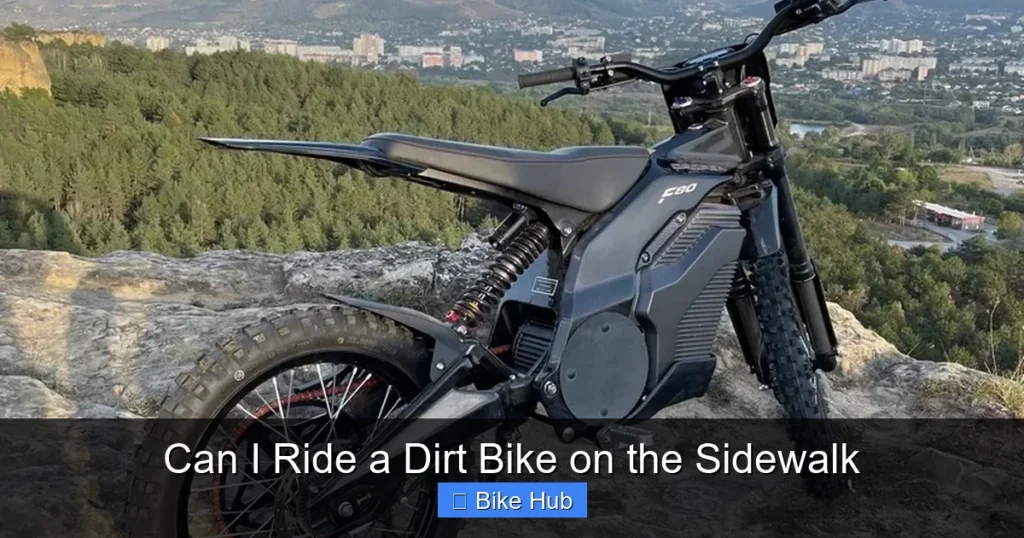
Visual guide about Can I Ride a Dirt Bike on the Sidewalk
Image source: probikeadviser.com
Safety Risks to Pedestrians
Sidewalks are shared spaces used by children, elderly individuals, people with disabilities, and pets. A dirt bike moving at even moderate speed can seriously injure someone if it collides with a pedestrian. Unlike cars, dirt bikes are small and quiet, making them harder to hear approaching—especially for children or visually impaired individuals.
Danger to the Rider
Riding on pavement is hard on your bike. Dirt bike tires are designed for soft, uneven ground, not smooth concrete. Riding on sidewalks can cause loss of traction, especially during turns or sudden stops. Potholes, cracks, and debris on sidewalks can lead to crashes, falls, or mechanical damage.
Legal Classification of Dirt Bikes
In most U.S. states and many countries, dirt bikes are classified as off-highway vehicles (OHVs). This means they are not street-legal and are prohibited from public roads, sidewalks, and bike lanes unless specifically permitted. Even if your bike has lights or a license plate, it doesn’t automatically make sidewalk riding legal.
What Does the Law Say?
Laws vary by location, but the general rule is clear: dirt bikes are not allowed on sidewalks. Here’s a breakdown of what you need to know.
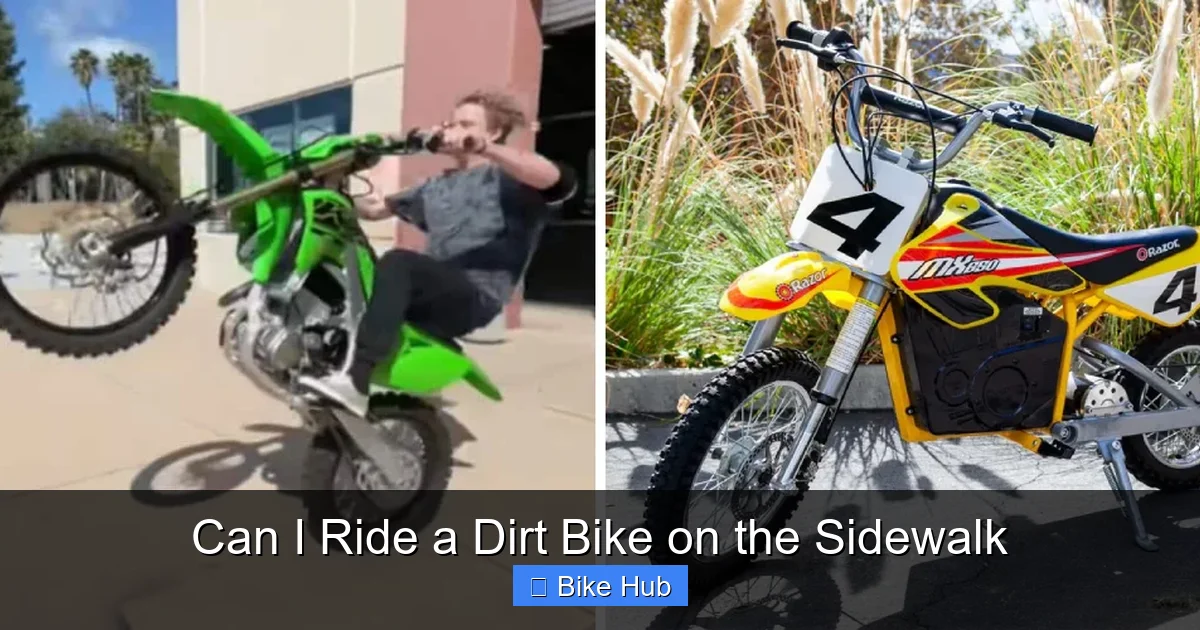
Visual guide about Can I Ride a Dirt Bike on the Sidewalk
Image source: dirtbikemoto.com
City and Municipal Ordinances
Most cities have ordinances that prohibit motorized vehicles on sidewalks. For example, in Los Angeles, riding any motorized vehicle—including dirt bikes—on a sidewalk is a violation of the municipal code. Similar rules exist in New York City, Chicago, and countless other urban areas. Fines typically range from $100 to $500, and repeated offenses can lead to bike impoundment.
State Laws
At the state level, many have laws that restrict OHV use to designated areas. For instance, in Texas, dirt bikes can only be ridden on public land with permission or in approved off-road parks. Riding on sidewalks or city streets is illegal unless the bike is registered and street-legal—which most dirt bikes are not.
Private Property vs. Public Spaces
The only exception is private property with the owner’s permission. If you own land or have access to a private trail, you may be able to ride legally. But even then, you must follow local noise ordinances and safety guidelines.
Safer and Legal Alternatives to Sidewalk Riding
Just because you can’t ride on the sidewalk doesn’t mean you can’t enjoy your dirt bike. There are plenty of legal and fun alternatives.
Off-Road Parks and Trails
Look for designated OHV parks or motocross tracks in your area. These are designed specifically for dirt bikes and offer safe, challenging terrain. Many parks have beginner areas, so they’re great for new riders. Check out our guide on how to choose a mountain bike for tips on selecting the right bike for trail riding—many principles apply to dirt bikes too.
Private Land with Permission
If you have access to private property—like a farm, ranch, or large backyard—ask the owner if you can ride there. This is one of the safest and most legal ways to enjoy your dirt bike. Just make sure to follow noise rules and avoid disturbing neighbors.
Electric Dirt Bikes: A Special Case?
Some electric dirt bikes, like the RM7 Electric Dirt Bike, are marketed as street-legal or low-speed models. While these may be allowed on certain roads with proper registration, they are still not permitted on sidewalks. Always check your local laws before assuming an electric model gives you more freedom.
What to Do If You’re Caught Riding on the Sidewalk
If a police officer stops you for riding a dirt bike on the sidewalk, stay calm and respectful. Here’s how to handle the situation:
Know Your Rights and Responsibilities
You may be issued a citation or fined. In some cases, your bike could be impounded. Avoid arguing—comply with the officer and ask for clarification on local laws to avoid future issues.
Learn from the Experience
Use this as a learning opportunity. Research legal riding areas in your region and invest in proper safety gear. Consider taking a safety course or joining a local riding club to connect with experienced riders.
How to Ride Responsibly and Legally
Enjoying your dirt bike doesn’t have to mean breaking the rules. Here’s how to ride smart and stay out of trouble.
Wear Proper Safety Gear
Always wear a helmet, gloves, boots, and protective clothing. Even on private land, accidents can happen. Check out our guide on best dirt bike boots for trail riding to find gear that keeps you safe and comfortable.
Maintain Your Bike
A well-maintained bike is safer and more reliable. Regularly check your tires, brakes, chain, and fluids. For help with tire issues, see our article on how to repair a flat bike tire—a common problem that’s easy to fix with the right tools.
Respect the Environment and Others
Stick to designated trails to avoid damaging ecosystems or private property. Be courteous to hikers, cyclists, and other trail users. Remember: your actions reflect on all dirt bike riders.
Troubleshooting Common Misconceptions
Let’s clear up some myths that lead people to think sidewalk riding is okay.
“It’s just a quick ride—no one will notice.”
Even short rides can be dangerous and illegal. Police often patrol sidewalks, and a single incident can lead to serious consequences.
“My bike is small and slow—it’s not a big deal.”
Size and speed don’t matter. If it’s motorized and not street-legal, it doesn’t belong on the sidewalk.
“I’ve seen others do it.”
Just because someone else breaks the rules doesn’t make it right. Set a better example by riding legally and safely.
Conclusion
Riding a dirt bike on the sidewalk is not worth the risk—legally, safely, or socially. The potential for injury, fines, and damage far outweighs any short-term convenience. Instead, explore legal off-road parks, private land, or motocross tracks where you can enjoy your bike to the fullest.
By riding responsibly, you protect yourself, others, and the future of off-road riding. Stay informed, gear up, and choose the right terrain. Your dirt bike is built for adventure—just make sure that adventure happens in the right place.



