
Yes, most e-bikes can get wet—but not all water exposure is created equal. This guide explains how to ride safely in the rain, protect sensitive components, and maintain your e-bike after wet conditions.
Key Takeaways
- Most e-bikes are water-resistant, not waterproof: They can handle light rain but aren’t built for submersion or heavy downpours.
- IP ratings matter: Check your e-bike’s IP code (like IP65 or IPX4) to understand its official water resistance level.
- Avoid high-pressure water: Never use a pressure washer or direct hose stream on electrical parts like the motor, battery, or display.
- Dry and inspect after riding in rain: Wipe down the frame, check connections, and dry the battery compartment to prevent corrosion.
- Use fenders and protective covers: These simple add-ons greatly reduce water and mud splash onto critical components.
- Store your e-bike properly: Keep it under cover when not in use, especially in humid or rainy climates.
- Regular maintenance prevents long-term damage: Clean and lubricate the chain, check seals, and inspect wiring after wet rides.
Can an E-Bike Get Wet? A Complete Guide to Riding and Maintaining Your E-Bike in the Rain
If you’re an e-bike rider, you’ve probably asked yourself: Can my e-bike get wet? The short answer is yes—but with important caveats. Unlike traditional bikes, e-bikes have sensitive electronics like motors, batteries, and control systems that can be damaged by water if not properly protected. This guide will walk you through everything you need to know about riding your e-bike in wet conditions, how to protect it, and what to do after a rainy ride.
Whether you’re commuting through a spring shower or caught in an unexpected summer storm, understanding your e-bike’s water resistance will help you ride safely and extend the life of your investment.
Understanding Water Resistance: What Does “IP Rating” Mean?

Visual guide about Can an E Bike Get Wet
Image source: media.trekbikes.com
Before you head out in the rain, it’s crucial to know your e-bike’s IP (Ingress Protection) rating. This two-digit code tells you how well your bike resists dust and water.
The first digit refers to solid particle protection (like dust), and the second digit indicates liquid protection. For example:
- IPX4: Splash-resistant from any direction. Safe for light rain.
- IPX5: Protected against water jets. Can handle moderate rain.
- IPX6: Resistant to powerful water jets. Suitable for heavy rain.
- IPX7: Can be submerged in water up to 1 meter for 30 minutes.
Most consumer e-bikes fall between IPX4 and IPX6. That means they can handle typical weather but aren’t designed for river crossings or pressure washing. Always check your owner’s manual or manufacturer’s website to confirm your model’s rating.
Can You Ride Your E-Bike in the Rain?
Visual guide about Can an E Bike Get Wet
Image source: bikebesties.com
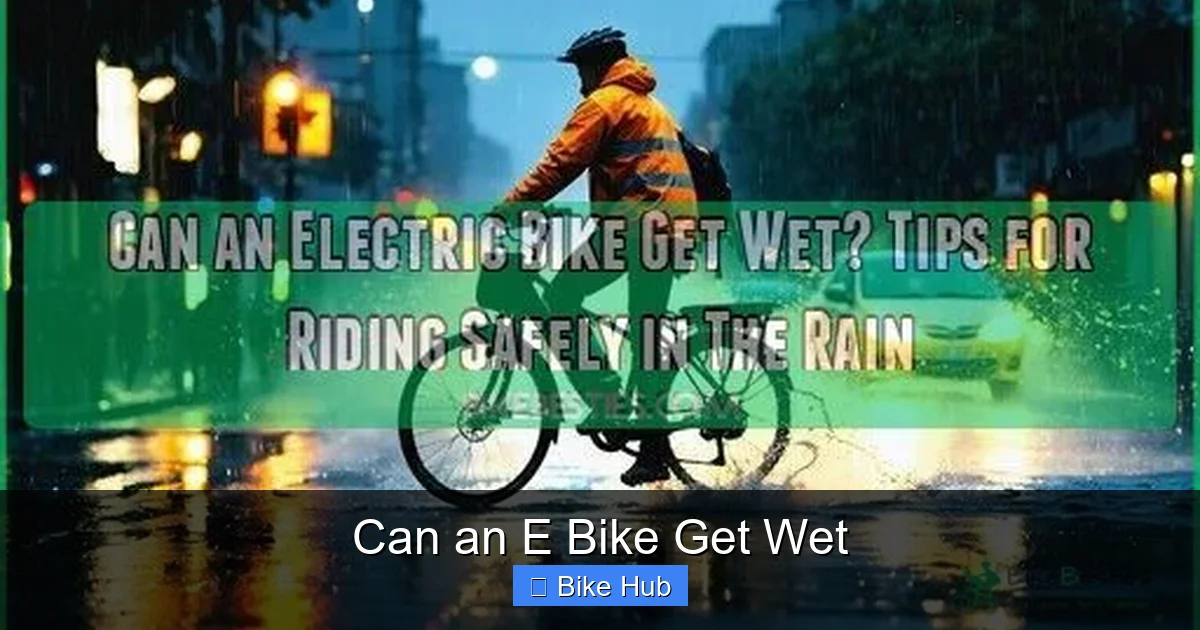
Yes—most e-bikes are built to handle light to moderate rain. In fact, many riders use their e-bikes daily in all weather conditions. However, there are smart ways to ride safely and protect your bike.
Tips for Riding in Wet Conditions
- Slow down: Wet roads reduce traction. Brake earlier and avoid sharp turns.
- Use lower assist levels: High power can cause wheel spin on slick surfaces. Stick to eco or tour mode.
- Watch for puddles and manhole covers: These can hide potholes or become extremely slippery when wet.
- Wear waterproof gear: Stay dry and visible with a rain jacket, gloves, and lights. Check out our guide on the best cycling shoes for wet conditions for added comfort.
What to Avoid
- Deep water crossings: Never ride through water deeper than your bottom bracket. It can flood the motor or battery.
- Submerging the bike: Even if your e-bike has a high IP rating, avoid intentionally dunking it.
- Riding in thunderstorms: Lightning and heavy downpours increase risk. Wait it out if possible.
How to Protect Your E-Bike from Water Damage
Prevention is key. A few simple upgrades and habits can save you from costly repairs.
Install Fenders
Fenders (or mudguards) are one of the best investments you can make. They prevent water and mud from splashing onto your battery, motor, and drivetrain. Full-coverage fenders offer the best protection, especially for commuters.
Use a Battery Cover
Many e-bikes come with a rubber or silicone battery cover. If yours doesn’t, consider buying one. It adds an extra layer of protection against rain and dust.
Apply Frame Sealant
Use a bike-specific sealant or wax on the frame to repel water and dirt. This also makes cleaning easier after wet rides.
Upgrade to Waterproof Components
If you ride frequently in the rain, consider upgrading to:
- Waterproof brake levers and shifters
- Sealed bottom brackets
- Water-resistant grips and saddle (see our review of the best waterproof bike saddle for long rides)
What to Do After Riding in the Rain
Even if your e-bike is water-resistant, proper post-ride care is essential.
Step 1: Wipe Down the Frame
Use a clean, dry microfiber cloth to remove water, mud, and grime. Pay extra attention to the battery compartment, motor housing, and connectors.
Step 2: Dry the Battery and Connections
Remove the battery and wipe it dry. Check the charging port and battery terminals for moisture. Let everything air-dry before reinserting the battery.
Step 3: Inspect for Water Intrusion
Look for signs of water inside the motor casing or display unit. If you see condensation or droplets, contact the manufacturer—don’t ride until it’s inspected.
Step 4: Clean and Lubricate the Drivetrain
Wet conditions wash away lubricant and introduce dirt. Clean the chain, cassette, and derailleur with a degreaser, then apply a wet-weather chain lube. For tips on maintaining your drivetrain, see our guide on how to store bike lubricant properly.
Step 5: Check Tire Pressure and Brakes
Wet roads increase stopping distance. Ensure your brakes are responsive and your tires have proper pressure. Use our mountain bike tire pressure guide as a reference, even if you’re not on a mountain bike—the principles apply.
Troubleshooting Common Water-Related Issues
Even with precautions, problems can arise. Here’s how to handle them.
Battery Won’t Charge After Rain
Moisture in the charging port can prevent connection. Dry the port with a soft cloth and let it sit in a warm, dry place for a few hours. Avoid using heat sources like hair dryers.
Display or Controls Malfunction
If your screen flickers or buttons stop working, water may have reached the electronics. Turn off the bike, remove the battery, and let it dry completely. If issues persist, contact customer support.
Motor Feels Sluggish or Makes Noise
Water in the motor can cause temporary performance issues. Avoid riding until it’s dry. If the problem continues, have it inspected by a technician.
Storing Your E-Bike in Wet or Humid Climates
Proper storage is just as important as riding habits.
- Keep it covered: Store your e-bike in a garage, shed, or under a waterproof cover.
- Avoid concrete floors: Moisture rises from concrete. Use a rack or stand to elevate the bike.
- Use a dehumidifier: In humid areas, a small dehumidifier in your storage space can prevent corrosion.
- Charge in a dry place: Never charge your battery on a wet surface or in the rain.
Final Thoughts: Ride Smart, Stay Dry, and Maintain Regularly
So, can an e-bike get wet? Absolutely—but smart riders know the difference between water-resistant and waterproof. With the right precautions, your e-bike can handle rain, puddles, and even a sudden downpour.
The key is understanding your bike’s limits, protecting sensitive parts, and maintaining it after every wet ride. A little care goes a long way in preventing corrosion, electrical faults, and costly repairs.
Whether you’re commuting to work or exploring scenic trails, don’t let a little rain stop you. Just remember: ride safely, dry thoroughly, and keep your e-bike in top shape year-round.



