
Have you ever wondered if adaptive trikes can be used indoors? If you or someone you care about relies on an adaptive trike for mobility, knowing where and how you can use it is important.
Imagine moving freely inside your home or community center without worrying about space or safety. This article will help you understand the possibilities and limitations of using adaptive trikes indoors. Keep reading to discover how you can make the most of your trike in any setting.

Credit: www.rifton.com
Adaptive Trikes Basics
Adaptive trikes are special three-wheeled bikes designed for people with different needs. They offer more balance and comfort than regular bikes.
Many wonder if adaptive trikes can be used inside homes or buildings. Understanding their basics helps answer this question.
What Are Adaptive Trikes
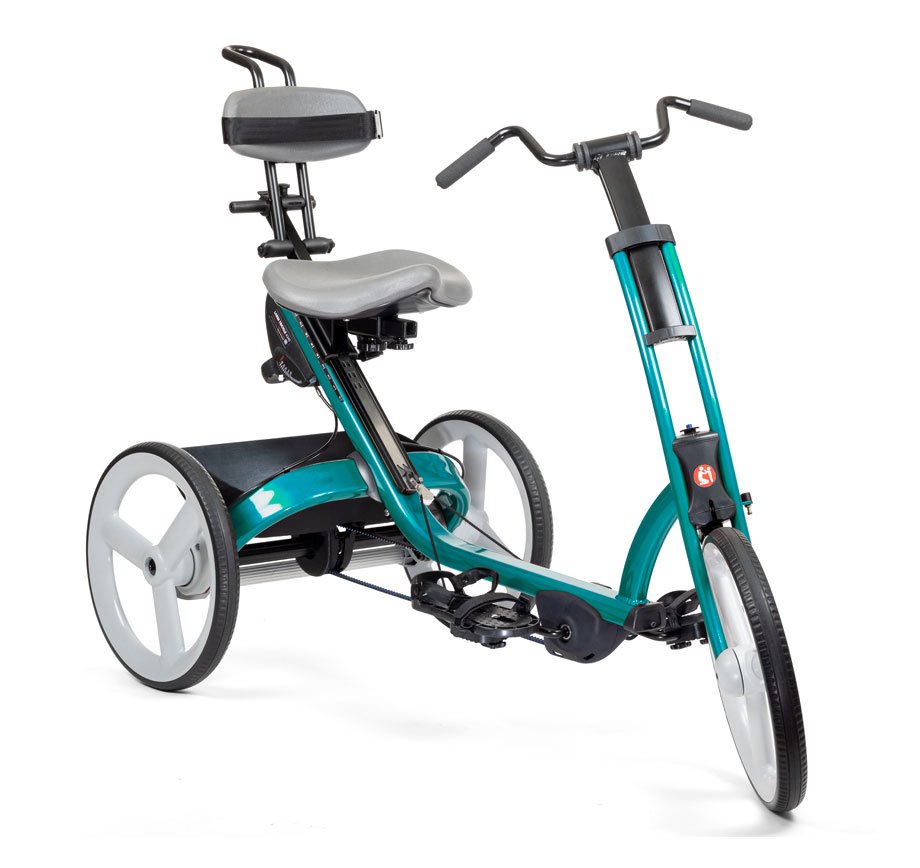
Adaptive trikes support riders who need extra stability. They have three wheels, making them less likely to tip over. Many models have special seats and controls for easy riding.
- Three wheels for balance
- Wide seats for comfort
- Easy-to-reach brakes and pedals
- Adjustable parts for different body sizes
- Some models have electric assist
Key Features For Indoor Use
Using adaptive trikes indoors requires certain features. Not all trikes fit well in tight spaces or on smooth floors.
| Feature | Importance | Indoor Benefit |
| Compact size | High | Easier to move in narrow halls |
| Non-marking tires | Medium | Protects floors from damage |
| Quiet operation | High | Reduces noise in enclosed spaces |
| Good maneuverability | High | Helps turn in small rooms |
| Stable frame | High | Prevents tipping on smooth floors |
Indoor Suitability
Adaptive trikes offer a unique way to stay active and mobile. Using them indoors needs careful thought. Indoor areas have different needs than outdoor spaces.
This guide covers key points about using adaptive trikes inside buildings. It looks at space needs, how easy they are to move, and floor types.
Space Requirements
Adaptive trikes need enough room to move safely indoors. Tight spaces can limit their use. The size of the trike matters too.
- Measure door widths and hallway sizes before use.
- Clear furniture and obstacles from paths.
- Allow space for turning and stopping safely.
- Check ceiling height for any overhead obstructions.
Maneuverability Challenges
Moving an adaptive trike indoors can be tricky. Some models have larger turning circles. Tight corners and narrow halls create extra challenges.
| Challenge | Reason |
| Turning Radius | Wide turns need more space |
| Obstacle Avoidance | Furniture and walls limit movement |
| Speed Control | Slower speeds needed for safety |
| Handlebar Clearance | Must fit through narrow gaps |
Surface Compatibility
Floor type affects trike use indoors. Smooth, hard floors work best. Thick carpets or rugs may slow movement or cause tipping.
Check these surface tips:
- Avoid loose rugs or mats that can slip.
- Use protective pads under wheels on delicate floors.
- Test the trike on different floor types before regular use.
- Keep floors clean to prevent wheel damage or slipping.
Health Benefits Indoors
Adaptive trikes can be used indoors to support health and fitness. They offer many benefits for people with limited mobility.
Using adaptive trikes inside helps maintain physical activity and improves overall wellbeing in a safe space.
Improved Mobility
Riding an adaptive trike indoors helps increase joint movement and muscle strength. It allows safe practice of balance and coordination.
Regular use can make daily tasks easier by improving flexibility and control.
Low-impact Exercise
Adaptive trikes provide gentle exercise that is easy on the joints. This makes them suitable for people with arthritis or injuries.
Users can build endurance and improve heart health without high risk of strain or pain.
- Reduces stress on knees and hips
- Maintains cardiovascular health
- Supports gradual fitness improvement
Enhanced Mental Wellbeing
Indoor use of adaptive trikes can reduce feelings of isolation and improve mood. Physical activity releases chemicals that boost happiness.
Riding indoors offers a safe way to stay active and gain confidence.

Credit: www.utahtrikes.com
Safety Considerations
Adaptive trikes can be used indoors, but safety is very important. These trikes help many people with mobility needs.
Using them inside needs care to avoid accidents and injuries. Always plan for a safe indoor space.
Preventing Falls
Falls can cause serious harm. Make sure the floor is clear of objects and wet spots.
Use non-slip mats or rugs to stop slipping. Check that the trike’s brakes work well before use.
- Keep floors clean and dry
- Remove loose rugs or cords
- Check brakes regularly
- Use handrails if available
Proper Equipment Setup
Set up the trike correctly for indoor use. Adjust the seat and pedals to fit the user well.
Make sure the tires are suitable for indoor floors. Avoid using tires that can damage the floor or slip easily.
- Adjust seat height and position
- Check pedal straps and grips
- Use soft or rubber tires for floors
- Test the turning space before riding
Supervision Needs
Supervision helps keep users safe indoors. A helper can guide the rider and watch for hazards.
Supervision is important for new users or people with balance issues. It also helps in tight spaces.
- Stay close during use
- Give clear instructions
- Assist in tight areas
- Watch for signs of fatigue or discomfort
Choosing The Right Adaptive Trike
Adaptive trikes can help many people move indoors safely. Picking the right trike is important for comfort and ease of use.
Consider size, adjustability, and build quality to find a trike that fits your indoor space and needs.
Size And Fit
Measure your indoor space before choosing a trike. A trike that is too big can be hard to move around inside.
Choose a trike that fits your body well. A proper fit helps with balance and control.
- Check the trike’s width and length for indoor use
- Look for seat size that matches your body
- Consider leg and arm reach for comfort
Adjustable Features
Adjustable parts make the trike more comfortable and easier to use indoors. They help you find the best riding position.
Look for adjustable seats, handlebars, and pedals. This allows you to change the fit as needed.
- Seat height and angle adjustments
- Handlebar position changes
- Pedal distance options
Durability And Materials
Indoor use needs a trike made with strong but lightweight materials. Durable parts last longer and need less repair.
Choose materials that resist wear and can handle smooth floors well. This keeps the trike safe and stable.
- Lightweight aluminum or steel frame
- Quality tires for indoor surfaces
- Rust-resistant coatings
Maintenance Tips For Indoor Use
Adaptive trikes can be used indoors with proper care. Keeping them clean and well-maintained helps them last longer.
Regular maintenance ensures safety and smooth rides inside your home or facility.
Cleaning And Care
Clean the trike regularly to remove dust and dirt. Use a soft cloth and mild soap to wipe the frame.
Keep the tires free from debris to avoid damage. Dry the trike completely after cleaning to stop rust.
- Wipe the seat and handles with a damp cloth
- Check for any sticky or dirty parts and clean them
- Use lubricant on moving parts if they sound squeaky
Storage Solutions
Store the trike in a dry, safe place away from direct sunlight. This prevents fading and damage to materials.
Avoid placing heavy items on top of the trike to keep its shape and parts intact.
- Use a cover to protect from dust
- Keep it in a corner or designated storage area
- Make sure the storage spot is flat and stable
Routine Inspections
Check your adaptive trike often for any signs of wear. Look at the tires, brakes, and frame closely.
Fix small problems before they become big issues. This keeps the trike safe and comfortable to use indoors.
- Test brakes to make sure they work well
- Inspect tires for cracks or flat spots
- Check bolts and screws for tightness
- Look for any cracks or bends in the frame
User Experiences
Adaptive trikes are designed to help people with mobility needs. Many users wonder if they can use these trikes indoors. Some have tried and shared their stories.
This section shares real experiences from people who use adaptive trikes inside their homes or indoor spaces.
Success Stories
Some users find adaptive trikes very helpful indoors. They move around rooms easily and feel more independent.
One person said the trike helped them get from the kitchen to the living room without help. Another user shared how the trike made indoor exercise fun and safe.
- Easy to steer in wide hallways
- Comfortable seating supports long use
- Improves confidence in moving inside
Common Challenges
Some users face problems using adaptive trikes indoors. Tight spaces and narrow doorways can limit movement.
Others find it hard to turn the trike in small rooms. Some trikes are too big for indoor use.
- Difficulty turning in small rooms
- Trike size may block narrow doors
- Hard to store in small homes
Tips From Users
Users suggest ways to make indoor use easier. They recommend measuring doorways and hallways before using a trike indoors.
Some advise choosing trikes with a smaller frame. Adding cushions or grips can also improve comfort and control.
- Check space size before use
- Pick a trike with narrow width
- Use cushions for better grip
- Practice slow turns in open areas

Credit: www.utahtrikes.com
Frequently Asked Questions
Can Adaptive Trikes Be Safely Used Indoors?
Yes, adaptive trikes can be used indoors if space allows. They require enough room to maneuver without obstacles. Users should ensure flooring is smooth and free of hazards for safe indoor use.
What Indoor Spaces Suit Adaptive Trikes Best?
Large, open areas with flat surfaces like gyms or halls suit adaptive trikes best. Avoid cluttered or narrow spaces to prevent accidents. Proper lighting and clear pathways improve safety and usability indoors.
Are There Size Limits For Indoor Adaptive Trike Use?
Indoor use depends on the trike’s size and turning radius. Compact adaptive trikes fit better in smaller spaces. Measure your indoor area to ensure the trike can move comfortably without damage.
How To Maintain Adaptive Trikes For Indoor Use?
Regularly check tires, brakes, and steering for smooth operation indoors. Clean the trike to avoid dirt buildup on indoor floors. Proper maintenance ensures safety and prolongs the trike’s indoor usability.
Conclusion
Adaptive trikes offer a flexible option for indoor use. They provide mobility and independence. Great for navigating spacious indoor areas. Safe and easy to handle. Ideal for rehabilitation centers and large homes. Users can enjoy exercise and movement. A practical choice for those needing support.
Enhances comfort and control indoors. Always consider your space and needs. Safety comes first, so ensure proper use. Adaptive trikes bring joy and accessibility. A valuable tool for many situations.



