
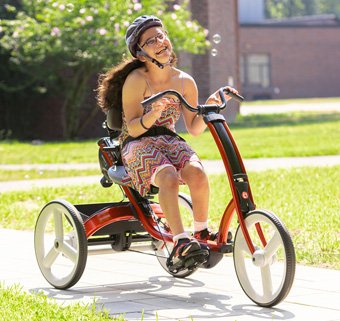
Have you ever wondered if adaptive trikes can be a part of your school’s activities? If you’re looking for ways to make physical education more inclusive and fun, adaptive trikes might be the answer.
These specially designed tricycles help students with different abilities stay active and engaged. You’ll discover how adaptive trikes can fit into schools, why they matter, and how they benefit both students and teachers. Keep reading to find out if adaptive trikes are the right choice for your school community.
Benefits Of Adaptive Trikes In Schools
Adaptive trikes help children with different needs enjoy riding safely. Schools can use them to support learning and play.
These trikes improve health, social skills, and independence for many students. They fit well in school programs.
Promoting Physical Activity
Adaptive trikes encourage children to be active. Riding helps build strength and balance.
- Improves cardiovascular health
- Strengthens muscles and coordination
- Increases time spent outdoors
- Encourages regular exercise habits
Enhancing Social Inclusion
Using adaptive trikes allows students to play together. It creates chances for friendship and teamwork.
| Benefit | How It Helps |
| Shared activities | Encourages group play and cooperation |
| Confidence | Builds self-esteem through participation |
| Communication | Promotes interaction among peers |
Supporting Diverse Mobility Needs
Adaptive trikes are designed for many abilities. They offer safe and comfortable support.
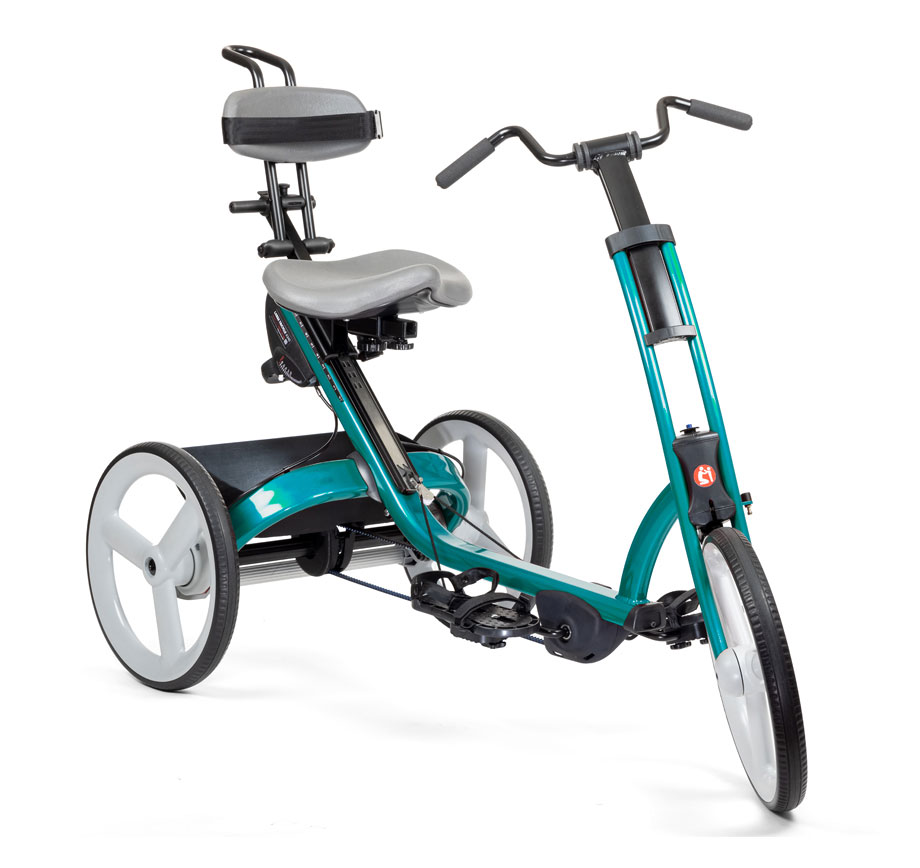
- Adjustable seats and pedals
- Extra stability and balance aids
- Easy to use for children with limited mobility
- Helps children gain independence in movement

Credit: www.rifton.com
Types Of Adaptive Trikes Suitable For Schools
Adaptive trikes help children with different abilities enjoy outdoor activities. Schools can use these trikes to support physical education and playtime.
There are several types of adaptive trikes. Each type offers unique benefits for school settings.
Manual Adaptive Trikes
Manual adaptive trikes are powered by the rider’s pedaling. They help improve strength and coordination. Schools often prefer these for physical activity programs.
These trikes come with features like adjustable seats and easy steering. They suit children with some mobility but need extra support.
Electric Adaptive Trikes
Electric adaptive trikes use a motor to assist pedaling. They help children who have limited strength or endurance. This allows longer rides and more participation.
- Battery-powered motor for easier movement
- Speed controls for safety
- Simple controls for users and teachers
- Good for children with severe disabilities
Customizable Features
| Feature | Benefit |
| Adjustable Seat Height | Fits children of different sizes |
| Supportive Harness | Keeps rider secure and comfortable |
| Swivel Seat | Makes getting on and off easier |
| Hand Pedals | Allows use by riders with limited leg strength |
| Detachable Wheels | Simplifies storage and transport |
Safety Considerations For School Use
Adaptive trikes can help students with mobility challenges enjoy outdoor activities. Schools must focus on safety to ensure all students use them properly. Understanding key safety points helps create a safe environment for everyone.
Safety includes training, equipment care, and choosing the right places to ride. Each part plays a role in preventing accidents and injuries. Schools should follow simple rules to keep students safe.
Proper Training And Supervision
Students need clear instructions before using adaptive trikes. Training should cover how to start, stop, and steer safely. Teachers and aides must watch students closely while they ride.
Supervision helps prevent risky behavior and accidents. Adults should be nearby to assist quickly if a problem happens. Make sure supervisors know how to handle the trikes and help students.
Maintenance And Equipment Checks
Regular checks keep adaptive trikes in good condition. Inspect tires, brakes, and seats before each use. Fix any damage or loose parts to avoid accidents.
Good maintenance helps the trikes work smoothly and safely. Schools should create a checklist for daily and weekly inspections. This keeps the equipment ready for safe use every day.
- Check tire pressure and condition
- Test brakes for proper function
- Secure seats and safety belts
- Look for cracks or broken parts
- Clean trikes to keep parts working well
Safe Riding Environments
Choose flat, smooth areas for riding adaptive trikes. Avoid busy places with lots of obstacles. Clear paths help students focus on riding safely.
Mark riding zones with cones or signs. Make sure the surface is dry and free of debris. Good lighting and visibility improve safety during rides.
- Use playgrounds or open fields with flat ground
- Avoid steep hills and uneven surfaces
- Keep riding areas away from traffic
- Ensure good lighting during outdoor activities
- Remove any hazards like rocks or sticks
Implementing Adaptive Trikes In School Programs
Adaptive trikes help students with different abilities join in physical activities. Schools can use these trikes to support inclusive programs.
Using adaptive trikes needs planning and teamwork among staff and specialists. This guide covers how to add them to school programs.
Integrating Into Physical Education
Adaptive trikes fit well in physical education classes. They give students a safe way to build strength and balance. Teachers can change activities to match each student’s skills.
- Start with short rides to build confidence
- Use trikes in group games to encourage teamwork
- Include trikes in obstacle courses for fun challenges
- Teach safety rules for using the trikes properly
Collaborating With Therapists And Educators
Working with therapists and educators ensures the trikes meet student needs. Therapists can suggest the best trike type and how to use it. Educators can plan lessons that include the trikes.
| Role | Contribution |
| Physical Therapist | Recommends trike adjustments and exercises |
| Occupational Therapist | Focuses on coordination and motor skills |
| Special Education Teacher | Integrates trikes into learning plans |
| Physical Education Teacher | Leads activities using the trikes |
Funding And Accessibility Options
Many schools face challenges in buying adaptive trikes. There are funding choices and programs to help. Schools should explore all options to make trikes available.
Common funding sources include:
- Government grants for special education
- Nonprofit organizations supporting accessibility
- Community fundraising events
- Partnerships with local health agencies
Real-life Success Stories
Adaptive trikes help students with physical challenges move around easily. Schools use these trikes to include all kids in activities.
Many schools have shared stories about how adaptive trikes make a big difference. These stories show how trikes help students learn and grow.
Case Studies From Inclusive Schools
At Greenfield Elementary, adaptive trikes helped children with mobility needs join recess games. Teachers noticed improved social skills and confidence.
Sunnyvale School used adaptive trikes in their physical education classes. Students with disabilities participated alongside peers, boosting teamwork and inclusion.
- Greenfield Elementary: Better social interaction during breaks
- Sunnyvale School: Inclusive physical education activities
- Maplewood Academy: Increased independence in students
Student Experiences And Feedback
Many students say they feel happy and proud when using adaptive trikes. They enjoy riding with friends and joining school events.
Students mention that trikes help them move faster and feel less tired. They like being part of group activities without help from adults.
- “I can ride with my friends now.”
- “I feel strong and free.”
- “Using the trike makes gym class fun.”
Community Impact
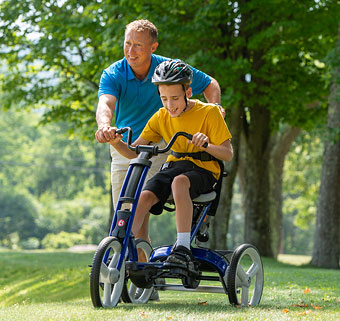
Adaptive trikes bring families, teachers, and students closer. Communities see students with disabilities join more events and feel included.
Schools report better understanding and acceptance of different abilities. This creates a kinder, more supportive environment for everyone.
- Stronger bonds between students and families
- More acceptance of diverse abilities
- Greater participation in school activities
Credit: www.rifton.com
Credit: www.rifton.com
Frequently Asked Questions
What Are Adaptive Trikes?
Adaptive trikes are specially designed tricycles for individuals with disabilities. They provide stability and support for safe riding. These trikes come with customizable features like adjustable seats and handlebars. They help enhance mobility and independence, making them suitable for school environments.
Why Use Adaptive Trikes At Schools?
Adaptive trikes promote inclusivity and physical activity among students with disabilities. They help improve motor skills, coordination, and confidence. Schools can use adaptive trikes for therapy sessions and recreational activities, fostering a supportive environment. They ensure all students participate in outdoor fun and exercise.
Are Adaptive Trikes Safe For Children?
Yes, adaptive trikes are designed with safety in mind. They come with features like harnesses and foot straps. These features ensure stability and prevent accidents. Manufacturers adhere to safety standards, making them suitable for children. Proper supervision and regular maintenance further enhance safety during use.
How Do Adaptive Trikes Support Learning?
Adaptive trikes encourage physical activity, which can boost cognitive function. They help improve focus and concentration in students. By engaging in physical exercise, children can enhance their learning capabilities. These trikes also teach important life skills like balance and coordination, benefiting overall development.
Conclusion
Adaptive trikes offer great benefits for schools. They help students with special needs join activities. These trikes improve balance and build confidence. Teachers and staff find them easy to use. Safety features make them suitable for school environments. Schools can create more inclusive and fun spaces.
Everyone gets a chance to enjoy outdoor play. Adaptive trikes support learning and physical health. Schools that choose them make a positive impact. Simple tools can bring big changes for children.



