

Have you ever wondered if an adaptive cycle could be the perfect fit for your wheelchair needs? Whether you’re looking to boost your mobility, enjoy outdoor activities, or simply want a new way to get around, adaptive cycles offer exciting possibilities.
But can they really work with your wheelchair? You’ll discover how these innovative cycles can change your daily routine, the benefits they bring, and what you need to know before trying one. Keep reading to find out if an adaptive cycle is the right choice for you.
Credit: excy.com
Adaptive Cycles And Wheelchair Users
Adaptive cycles offer new ways for people with disabilities to enjoy cycling. They come in many designs to meet different needs. Wheelchair users often wonder if adaptive cycles can work with their chairs.
This guide explains how adaptive cycles and wheelchairs can be used together. It looks at options, benefits, and challenges for users.
What Are Adaptive Cycles?
Adaptive cycles are bikes made for people with limited mobility. They include handcycles, tricycles, and recumbent bikes. These cycles support different body types and physical abilities.
Using Wheelchairs With Adaptive Cycles
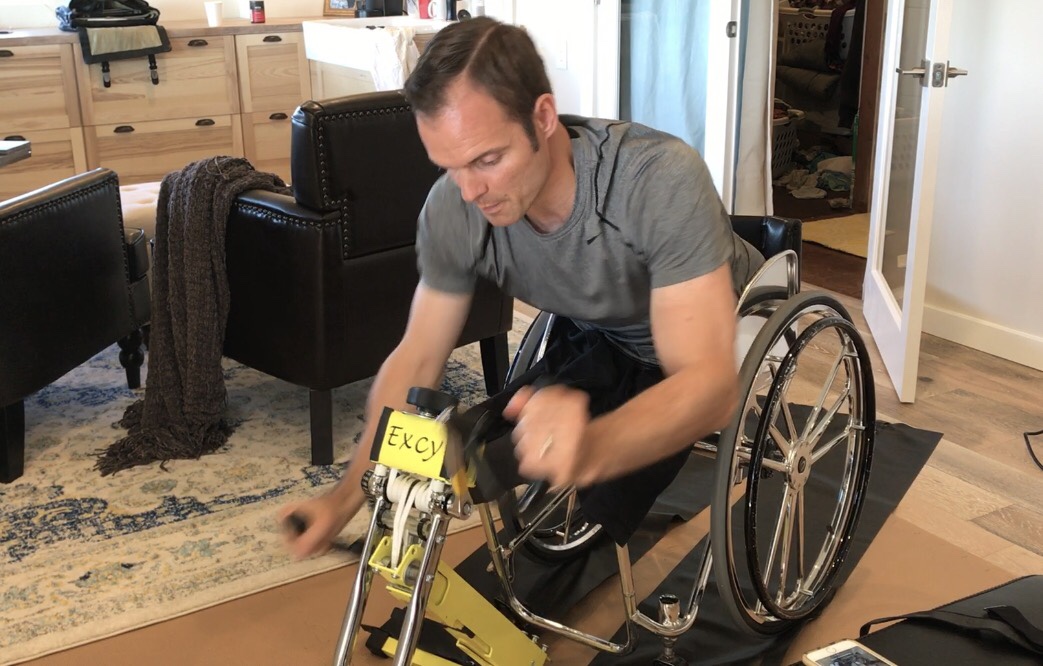
Some adaptive cycles let users transfer from their wheelchair to the bike seat. Others allow the wheelchair to be attached directly to the cycle. This makes cycling easier and safer.
- Handcycles can have wheelchair ramps for easy transfer.
- Some tricycles have seats designed to fit wheelchairs.
- Adapters can secure a wheelchair onto a cycle frame.
- Electric assist motors help users pedal with less effort.
Benefits For Wheelchair Users
Adaptive cycles provide exercise and fresh air. They improve strength and balance. Using them can increase independence and boost mood.
Challenges To Consider
| Challenge | Details |
| Transfer Difficulties | Moving from wheelchair to cycle seat can be hard |
| Cost | Adaptive cycles may be expensive to buy or rent |
| Storage | Space is needed to store both wheelchair and cycle |
| Terrain | Uneven surfaces may be harder to ride safely |
When picking a cycle, consider comfort, safety, and ease of use. Consult a therapist or specialist to find the best fit. Try different models to see what works best.
Tips for Choosing an Adaptive Cycle:
- Check if the cycle supports wheelchair attachment
- Look for adjustable seating and controls
- Test the cycle for balance and stability
- Consider electric assist options
- Ensure the cycle matches your physical needs
Benefits Of Adaptive Cycling
Adaptive cycles help people who use wheelchairs enjoy cycling. These cycles are made to fit different needs and abilities. They provide a way to exercise and have fun.
Using adaptive cycles can improve many parts of a person’s life. The benefits include better health, happier mood, and chances to meet new people.
Physical Health Advantages
Adaptive cycling helps build muscles and improve heart health. It supports better balance and coordination. Regular exercise can also lower the risk of some diseases.
People who use wheelchairs can increase their strength and endurance. Cycling is a good way to stay active without putting too much stress on joints.
- Improves cardiovascular fitness
- Strengthens muscles and joints
- Enhances flexibility and balance
- Supports weight management
Mental Wellbeing Improvements
Riding an adaptive cycle can boost mood and reduce stress. Being outdoors and moving helps release feel-good chemicals in the brain. This can ease anxiety and depression.
Adaptive cycling gives a sense of freedom and achievement. It helps people feel more confident and independent in their daily lives.
- Reduces feelings of anxiety and depression
- Increases self-esteem and confidence
- Encourages relaxation and stress relief
- Promotes a positive outlook on life
Social Inclusion Opportunities
Adaptive cycling opens doors to social activities and group rides. Meeting others who share similar interests helps build friendships. It creates a sense of belonging.
Participating in community events with adaptive cycles encourages teamwork and support. It helps break down barriers and promotes inclusion.
- Connects people with shared interests
- Encourages group participation and teamwork
- Builds friendships and social skills
- Fosters a welcoming and inclusive environment
Types Of Adaptive Cycles
Adaptive cycles help people with different abilities enjoy cycling. These cycles come in various forms to fit different needs and preferences.
Choosing the right type depends on the user’s mobility, strength, and balance. Here are common types of adaptive cycles used with wheelchairs.
Handcycles
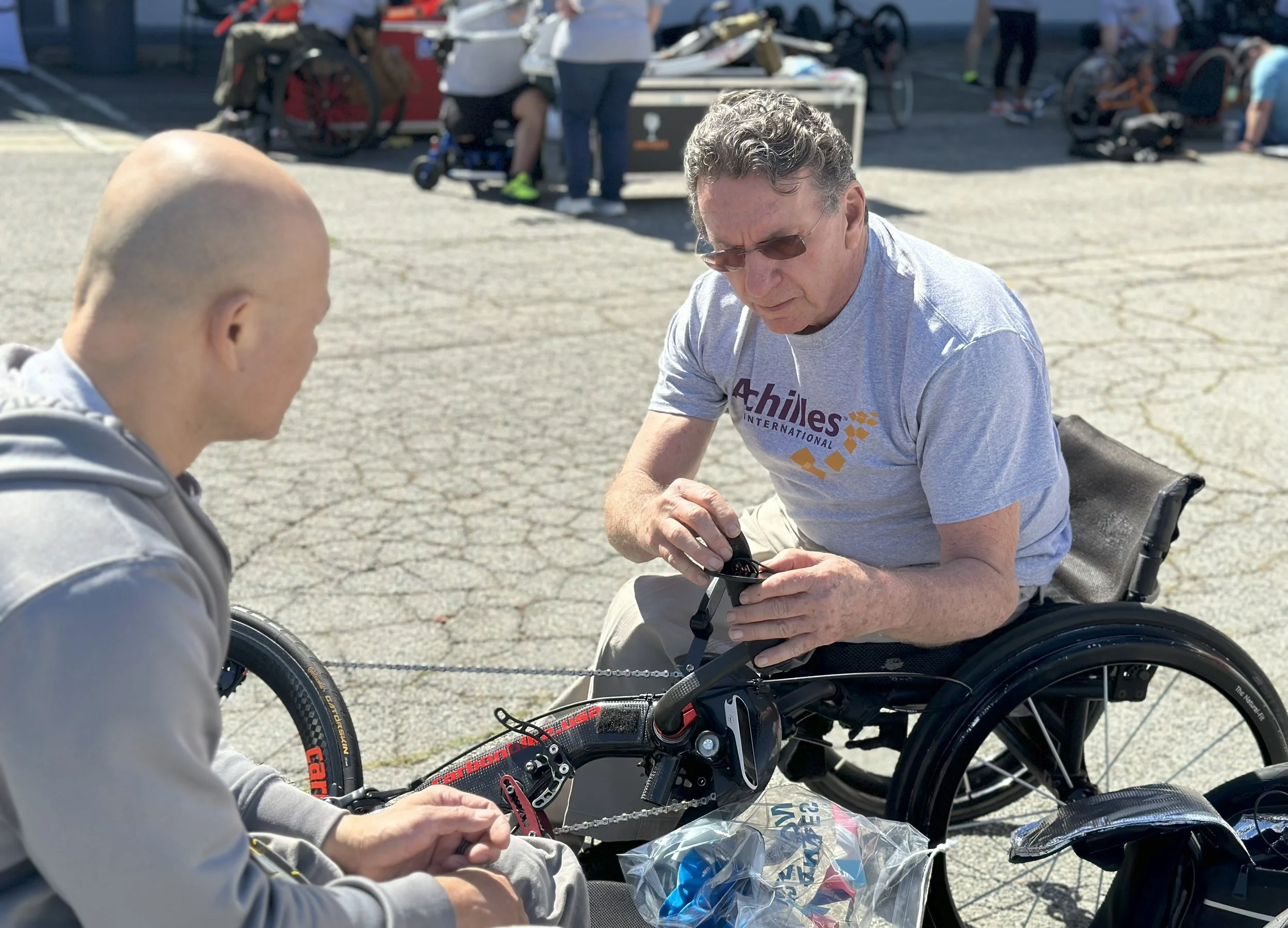
Handcycles use hand pedals instead of foot pedals. They allow people with lower body disabilities to cycle using their arms.
Many handcycles can attach to a wheelchair or be used on their own. They provide good exercise and mobility for users.
- Three-wheeled design for stability
- Hand-powered pedals for upper body use
- Can be attached to some wheelchairs
Tricycles
Tricycles have three wheels and offer more balance than regular bikes. They are good for people who need extra support.
Some adaptive tricycles are made to fit wheelchairs or provide easy transfer from a wheelchair to the cycle.
- Extra stability with three wheels
- Can be low to the ground for easy access
- Some models allow wheelchair docking
Recumbent Bikes
Recumbent bikes let users sit in a reclined position. This design reduces strain on the back and joints.
They often have wide seats and backrests. Some recumbent bikes can be adapted for wheelchair users to transfer safely.
- Reclined seating for comfort
- Wide seat and back support
- Some allow wheelchair transfer or attachment

Credit: www.rifton.com
Compatibility With Wheelchair Users
Adaptive cycles can work well for people who use wheelchairs. These cycles offer ways to stay active and enjoy cycling. Different designs help meet various needs and abilities.
Understanding how adaptive cycles fit with wheelchairs is key. This helps users pick the right cycle for comfort and safety.
Transfer Methods
There are several ways wheelchair users can transfer to an adaptive cycle. The best method depends on the user’s strength and balance. Common transfer methods include sliding, pivoting, or lifting with assistance.
- Sliding transfer from wheelchair to cycle seat
- Pivot transfer with help from a caregiver
- Lifting transfer using a transfer board
- Using lifts or hoists for safe movement
Integrated Wheelchair Cycles
Integrated wheelchair cycles let users stay in their wheelchair while cycling. The wheelchair attaches directly to the cycle frame. This design removes the need for transfers.
| Feature | Benefit |
|---|---|
| Direct wheelchair attachment | No transfers needed |
| Adjustable frame | Fits different wheelchair sizes |
| Hand or foot pedals | Customizable for user ability |
| Safety straps | Secures wheelchair during rides |
Custom Modifications
Some users need custom changes on their adaptive cycles. These modifications improve comfort and control. They also help fit the cycle to the user’s wheelchair and body.
- Adjusting seat height and angle
- Adding extra supports or padding
- Changing pedal types for better grip
- Installing electronic assist motors
- Custom frame builds for unique wheelchairs
Safety Considerations
Using adaptive cycles with wheelchairs requires careful attention to safety. The right precautions help prevent accidents and injuries.
Understanding key safety aspects can make riding more enjoyable and secure for wheelchair users.
Stability And Balance
Maintaining stability and balance is essential when using adaptive cycles. Wheelchairs add extra weight and size, affecting how the cycle handles.
Users should ensure that the cycle has a wide base and low center of gravity. This helps prevent tipping over during turns or on uneven ground.
- Check that the wheelchair is firmly attached to the cycle
- Use cycles designed for wheelchair users
- Avoid sharp turns at high speeds
- Practice riding in safe, open areas first
Protective Gear
Wearing protective gear reduces the risk of injury if a fall or accident occurs. Helmets are the most important safety item.
Additional gear like gloves and knee pads offer extra protection and comfort during rides.
- Always wear a properly fitted helmet
- Use gloves to protect hands and improve grip
- Wear knee and elbow pads for impact protection
- Consider reflective clothing for visibility
Environmental Factors
Riding conditions impact safety when using adaptive cycles with wheelchairs. Weather, terrain, and lighting all matter.
Users should plan rides in safe environments and avoid risky conditions like wet or uneven surfaces.
- Check weather before riding; avoid rain or strong winds
- Choose flat, smooth paths for better control
- Be cautious of obstacles like rocks or potholes
- Ride during daylight or well-lit areas
Choosing The Right Adaptive Cycle
Adaptive cycles help people with mobility challenges stay active and enjoy outdoor activities. Choosing the right cycle depends on many factors that match the user’s needs.
Understanding these factors can make the selection easier and safer for wheelchair users.
Assessing User Needs
Each user has different physical abilities and preferences. Some may need hand pedals, while others require extra support or balance assistance.
- Check the user’s strength and range of motion
- Consider the type of terrain they will cycle on
- Think about the user’s comfort and safety features
- Decide if the cycle needs to be easy to transfer into from a wheelchair
Consulting Specialists
Experts like physical therapists and occupational therapists can guide the choice. They understand the user’s abilities and suggest the best adaptive cycle types.
Specialists may help by:
- Recommending cycles based on medical history
- Providing training on safe use
- Advising on custom adjustments
Budget And Accessibility
Adaptive cycles vary in price. Budget limits affect which models are available. Accessibility to service and parts is also important to consider.
| Factor | Consideration |
|---|---|
| Price Range | Set a clear budget before shopping |
| Maintenance | Check availability of parts and service nearby |
| Funding Options | Look for grants or programs that help pay |
| Storage | Ensure there is space to keep the cycle safely |
Success Stories And Case Studies
Adaptive cycles offer new ways for wheelchair users to enjoy cycling. Many have found freedom and fun through these specially designed bikes. Below are examples of how adaptive cycles help people with different needs.
These stories show real benefits and how adaptive cycles fit well with wheelchairs. They highlight different users’ experiences and the positive changes cycling brings.
John’s Journey To Outdoor Freedom
John, who uses a wheelchair, started using a handcycle attachment. It connected easily to his wheelchair. John can now ride on trails and parks with friends. He says cycling improved his mood and fitness.
Maya’s Story Of Increased Independence
Maya uses a tricycle designed for wheelchair users. She can transfer onto the cycle with help and ride safely in her neighborhood. Cycling gave her more control over her daily activities and a chance to meet new people.
Case Study: Benefits Of Adaptive Cycles
| User | Type of Adaptive Cycle | Key Benefits |
| John | Handcycle attachment | Improved fitness and outdoor access |
| Maya | Wheelchair accessible tricycle | Greater independence and social interaction |
| Leo | Recumbent adaptive cycle | Enhanced comfort and longer rides |
How Adaptive Cycles Help Users
- Enable outdoor exercise and fresh air
- Increase social opportunities
- Boost self-confidence and independence
- Provide options suited to different disabilities
- Offer comfort and safety during rides
Resources And Support
Adaptive cycles help many wheelchair users enjoy cycling. Finding the right support is key to using these cycles safely and well.
This guide covers groups, funding, and learning options for adaptive cycle users with wheelchairs.
Organizations And Clubs
Many organizations and clubs offer help and community for adaptive cycle users. They provide advice, events, and meet-ups.
- Adaptive Sports USA – Supports sports for people with disabilities.
- Handcycle Clubs – Local groups for handcycle riders and wheelchair users.
- Disabled Cycling Associations – Promote cycling and offer training.
- Community Recreation Centers – Often host adaptive cycling programs.
Funding And Grants
Adaptive cycles can be costly. Various grants and funds help cover the price and related expenses.
| Funding Source | Who It Helps | How to Apply |
|---|---|---|
| National Assistive Technology Program | People with disabilities | Apply online or through local centers |
| Disability Sports Grants | Athletes with disabilities | Submit application with sport details |
| Local Community Funds | Residents with financial need | Contact local social services |
Training And Workshops
Training helps users ride adaptive cycles safely. Workshops teach skills and maintenance tips.
- Basic Handling and Safety Training
- Adaptive Cycle Maintenance Workshops
- Group Rides and Social Events
- Personal Coaching Sessions
Credit: www.achillesinternational.org
Frequently Asked Questions
Can Adaptive Cycles Accommodate Wheelchair Users?
Yes, some adaptive cycles are designed to accommodate wheelchair users. They offer features like wheelchair docking or transfer seats. These adaptations provide greater mobility and independence for users with different physical needs.
Are Adaptive Cycles Safe For Wheelchair Users?
Adaptive cycles for wheelchair users are built with safety features. They include secure locking systems and stable frames. Proper use and regular maintenance ensure safe and comfortable rides for wheelchair users.
What Types Of Adaptive Cycles Work With Wheelchairs?
Tandem adaptive cycles, handcycles, and tricycles often work well with wheelchairs. They may feature ramps or docking mechanisms. These cycles provide versatile options for various mobility requirements.
How Do Adaptive Cycles Improve Wheelchair Mobility?
Adaptive cycles enhance wheelchair mobility by enabling outdoor travel and exercise. They promote physical activity and social inclusion. This increases users’ freedom and quality of life.
Conclusion
Adaptive cycles can offer great benefits for wheelchair users. They provide more freedom and exercise options. These cycles come in different styles to fit many needs. Comfort and safety remain important when choosing one. Trying a cycle before buying helps find the right fit.
Overall, adaptive cycles can improve mobility and fun for wheelchair users. They open up new ways to enjoy outdoor activities. Consider your personal needs and preferences carefully. The right adaptive cycle can make a positive difference every day.



