
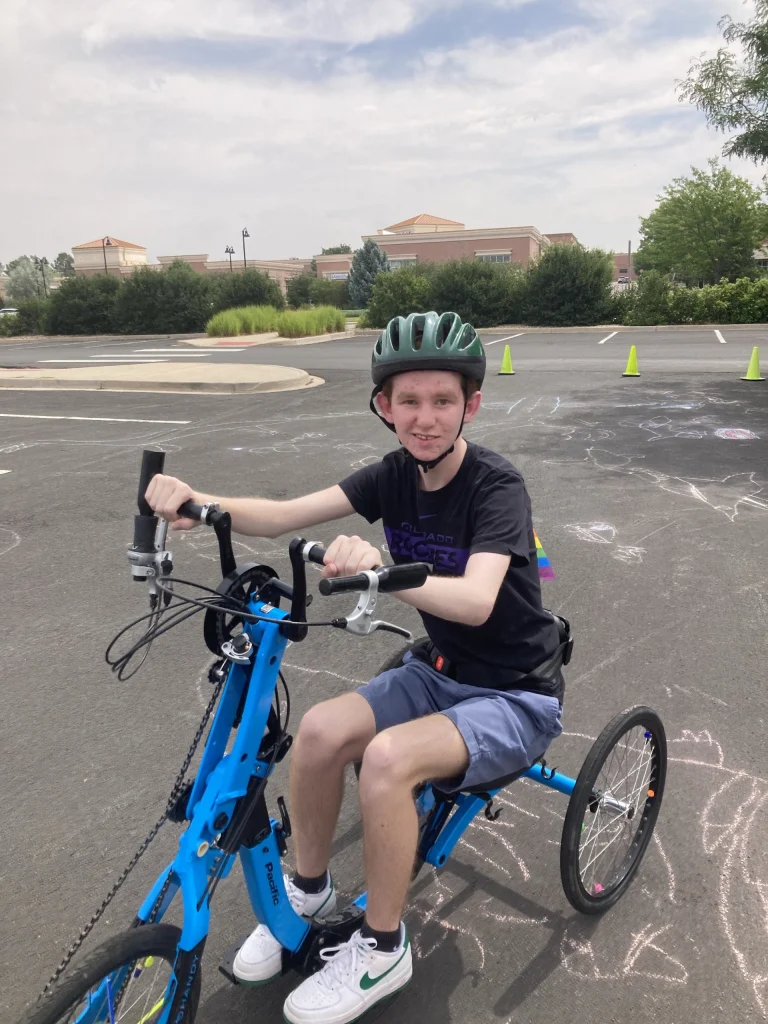
Have you ever wondered if something as simple as riding a bike could boost your mental health? Adaptive bikes are changing the way people experience exercise and freedom, especially those with physical challenges.
But the benefits go beyond just movement—they can also help improve your mood, reduce stress, and bring a sense of joy and confidence. If you’re looking for a way to support your mental well-being in a fun and active way, keep reading.
You might be surprised at how much an adaptive bike can change your life.
Credit: www.medicalnewstoday.com
Adaptive Bikes And Mental Health
Adaptive bikes help people with different abilities enjoy cycling. They offer physical activity that can improve mood and reduce stress.
Using adaptive bikes can increase confidence and independence. These benefits support mental health and well-being.
How Adaptive Bikes Work
Adaptive bikes change to fit a rider’s needs. They have special features to help people with balance or movement issues.
These bikes use supports like extra seats, pedals with straps, or hand controls. They make riding safer and easier for many users.
- Extra wide seats for stability
- Hand pedals for those who cannot use feet
- Three or four wheels for better balance
- Adjustable parts to fit different body sizes
Types Of Adaptive Bikes
There are several types of adaptive bikes. Each type helps different needs and abilities.
- Tricycles:Three wheels for balance and support.
- Tandem Bikes:Two riders pedal together, good for those needing help.
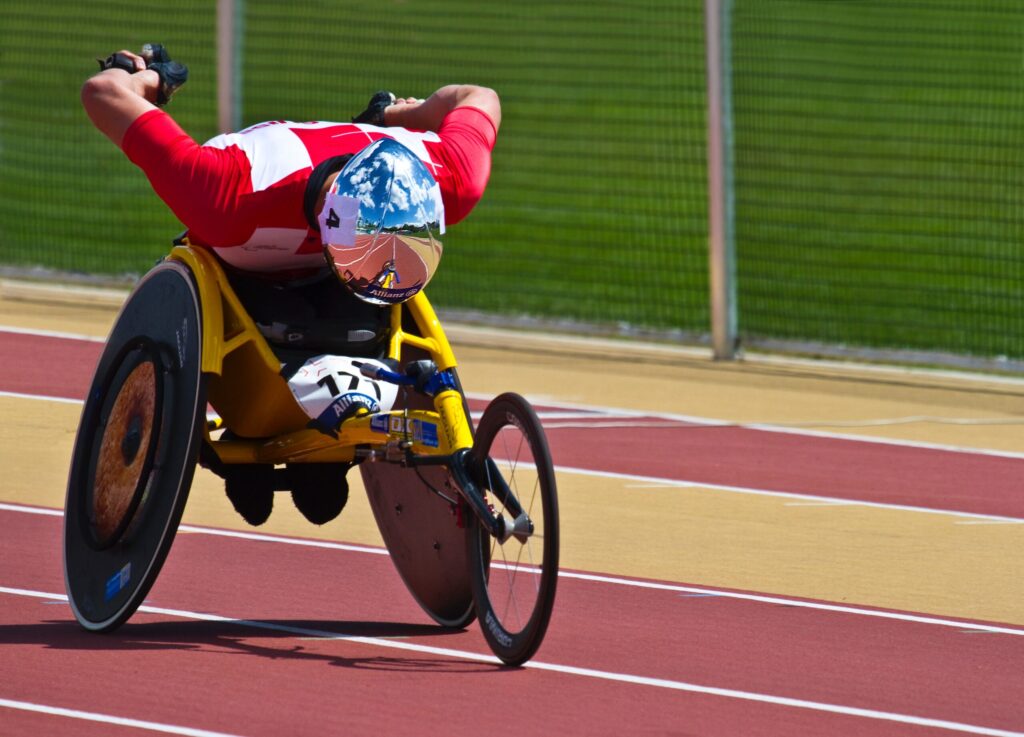
- Handcycles:Pedaled by hands, great for lower-body disabilities.
- Recumbent Bikes:Reclined seats for comfort and stability.
- Wheelchair Bikes:Attachments allow wheelchair users to ride.
Physical Benefits That Boost Mind
Adaptive bikes help people with different abilities enjoy cycling. These bikes offer physical benefits that improve mental health.
Exercise using adaptive bikes increases strength and energy. This positive change supports a better mood and clearer thinking.
Improved Fitness And Mood
Riding adaptive bikes improves heart health and builds muscle. Physical activity releases chemicals in the brain that make you feel good.
Regular exercise helps reduce feelings of sadness and stress. It also boosts energy, which can make daily tasks easier.
- Increases blood flow to the brain
- Releases mood-enhancing endorphins
- Builds endurance and strength
- Improves sleep quality
Pain Reduction And Relaxation
Using adaptive bikes helps reduce muscle pain and stiffness. Gentle movement relaxes the body and lowers tension.
Less pain means better focus and less anxiety. Cycling can calm the mind and promote a peaceful feeling.
- Improves joint flexibility
- Reduces muscle tightness
- Promotes relaxation through movement
- Helps manage chronic pain symptoms
Emotional Uplift Through Riding
Adaptive bikes offer a special way for people to enjoy riding. They help riders feel good and calm their minds. Riding can brighten moods and bring joy.
Many riders find comfort and freedom on adaptive bikes. The experience can improve mental health by lowering stress and building self-esteem.
Stress Relief And Anxiety Reduction
Riding an adaptive bike gives a break from daily worries. The physical activity helps the body release tension. Fresh air and movement clear the mind.
- Exercise lowers stress hormones
- Focus on riding reduces anxious thoughts
- Outdoor rides boost mood with sunlight
- Repetitive motion calms the nervous system
- Social rides can lessen feelings of isolation
Increased Confidence And Independence
Using an adaptive bike helps people gain new skills. This leads to greater confidence and a sense of control. Riders enjoy moving on their own terms.
| Benefit | How It Helps |
| Skill Building | Learning to ride boosts self-esteem |
| Freedom | Riding alone creates independence |
| Social Interaction | Joining rides builds community |
| Physical Health | Improved fitness supports mental strength |
Credit: www.mhw-bike.com
Social Connections And Community
Adaptive bikes offer more than physical exercise. They help people build strong social connections. Being part of a community improves mental health and reduces feelings of loneliness.
Riding adaptive bikes allows people to meet others with similar interests. This shared activity creates a sense of belonging and support. These connections can boost confidence and happiness.
Group Rides And Shared Experiences
Group rides bring people together for fun and exercise. Riding in a group helps riders feel included and supported. Sharing the experience builds friendships and trust.
Sharing challenges and successes during rides creates strong bonds. Riders encourage each other and celebrate progress. These moments help reduce stress and improve mood.
- Meet new friends who understand your needs
- Enjoy safe, guided rides in a group
- Share stories and advice about riding
- Feel part of a positive community
Building Support Networks
Adaptive bike communities often form strong support networks. These networks help riders solve problems and stay motivated. They also provide emotional support during hard times.
Support networks include friends, family, and caregivers who join rides or events. These groups create safe spaces to share feelings. Having people who listen helps improve mental health.
- Find others who share your cycling goals
- Receive encouragement during tough days
- Access resources and advice for adaptive biking
- Build lasting friendships beyond riding
Joy And Freedom On Two Wheels
Adaptive bikes open new doors for people facing mental health challenges. Riding gives a sense of joy and freedom that can brighten any day.
These bikes help riders explore the world around them. They offer a chance to move and feel the fresh air in a safe and comfortable way.
Exploring Nature And New Places
Adaptive bikes make it easier to visit parks, trails, and quiet streets. Being outside helps reduce stress and lifts the spirit.
- Enjoy fresh air and natural sounds
- See new sights and meet friendly people
- Feel calm and relaxed in green spaces
- Connect with the world beyond the home
Sense Of Achievement And Fun
Riding an adaptive bike gives a strong feeling of success. Every pedal forward is a step toward better mood and self-confidence.
| Benefit | How It Helps Mental Health |
|---|---|
| Physical Activity | Releases feel-good brain chemicals |
| Goal Setting | Builds focus and motivation |
| Social Interaction | Reduces feelings of loneliness |
| Fun | Creates happy memories and joy |
Choosing The Right Adaptive Bike
Choosing the right adaptive bike can support mental health by encouraging physical activity and independence. It is important to find a bike that fits personal needs and abilities.
Adaptive bikes come in many styles and features. Understanding your needs helps pick the best bike for comfort and safety.
Assessing Individual Needs
Look at physical ability, balance, and coordination before selecting a bike. Also consider the rider’s height and weight to ensure proper fit.
- Check for any mobility limitations
- Consider comfort and ease of use
- Think about where the bike will be used
- Decide on the type of adaptive bike: trike, handcycle, or tandem
Consulting Professionals
Talk to therapists, doctors, or adaptive sports experts. They can provide advice tailored to your needs.
| Professional | Role | How They Help |
| Physical Therapist | Health Specialist | Evaluates mobility and suggests suitable bikes |
| Occupational Therapist | Daily Living Expert | Recommends bikes for independence and safety |
| Adaptive Sports Coach | Trainer | Guides on bike use and training |
Incorporating Adaptive Bikes Into Therapy
Adaptive bikes provide new ways to help people with mental health needs. They offer physical activity that supports emotional well-being. Therapists use these bikes to improve both body and mind.
These bikes fit different abilities and allow users to feel more independent. Using adaptive bikes in therapy can boost confidence and reduce stress. Many programs now include them for better results.
Rehabilitation Programs
Rehabilitation centers often add adaptive bikes to their therapy plans. These bikes help patients recover strength and balance. They also encourage social interaction and outdoor activity.
- Improve motor skills and coordination
- Encourage regular exercise in a fun way
- Support physical recovery after injuries
- Provide motivation through achievable goals
- Help reduce feelings of isolation
Mental Health Treatment Plans
Adaptive bikes play a role in mental health treatment plans. Therapists use them to reduce anxiety and depression. The activity promotes the release of mood-enhancing chemicals.
| Benefit | Description |
| Stress Relief | Physical activity lowers stress hormones. |
| Improved Mood | Exercise increases serotonin and dopamine. |
| Increased Focus | Riding helps improve attention and calmness. |
| Social Interaction | Group rides build community and support. |
| Self-Esteem | Mastering biking skills boosts confidence. |

Credit: everybodyebikes.com.au
Success Stories And Testimonials
Adaptive bikes offer more than physical benefits. They also support mental health in many ways. Many people have shared how these bikes helped them feel better and more confident.
Below are stories from individuals who experienced positive changes in their mental health by using adaptive bikes.
Emma’s Journey To Confidence
Emma struggled with anxiety and low self-esteem. She started using an adaptive bike to exercise safely. The bike helped her get outside and enjoy fresh air.
Riding gave Emma a sense of freedom. It also improved her mood and reduced stress levels. She now feels more confident in social settings.
Mark Finds Joy And Connection
Mark has autism and finds it hard to join group activities. Using an adaptive bike gave him a way to exercise alone or with friends. This helped him feel less isolated.
Mark’s parents noticed he became happier and calmer. The bike rides became a special time for family bonding. His communication skills improved too.
Lily’s Path To Stress Relief
Lily used to feel stressed after work every day. She started riding an adaptive bike in the park. This helped her relax and clear her mind.
The gentle exercise boosted her energy and reduced feelings of sadness. Riding became her favorite way to cope with daily stress.
David’s Improved Focus And Mood
David has ADHD and finds it hard to focus. His therapist suggested adaptive biking as part of his routine. The activity helped him use energy in a positive way.
David noticed he could focus better after rides. His mood also improved, making school and work easier for him.
Overcoming Challenges And Barriers
Adaptive bikes offer many benefits for mental health. They help people enjoy exercise and nature. Still, some challenges can stop people from using these bikes.
Understanding these challenges helps find ways to make adaptive bikes more available and safer for everyone.
Accessibility And Cost Issues
Adaptive bikes can be hard to find. Many stores do not stock them. This makes it tough for people to try or buy one.
- High price limits who can afford these bikes.
- Limited insurance coverage adds to the cost burden.
- Some places lack rental or borrowing programs.
- Transportation challenges make it hard to bring bikes home.
- Long wait times for custom-made adaptive bikes.
Safety Considerations
Safety is a top concern with adaptive bikes. Riders need proper support and training. Roads and paths must be safe and accessible.
| Safety Factor | Description | Example |
| Equipment | Proper fitting and maintenance | Regular brake checks |
| Training | Instruction on bike use | Guided practice sessions |
| Environment | Safe and smooth paths | Accessible bike trails |
| Supervision | Support during rides | Caregiver or guide presence |
Frequently Asked Questions
What Are Adaptive Bikes?
Adaptive bikes are specially designed bicycles that accommodate physical and cognitive disabilities. They provide support and stability for riders with various needs. These bikes promote inclusivity and enable people with disabilities to enjoy cycling safely.
How Do Adaptive Bikes Improve Mental Health?
Adaptive bikes encourage outdoor activity, which boosts mood and reduces stress. They enhance confidence and independence, leading to better self-esteem. Regular cycling also releases endorphins, helping to alleviate symptoms of anxiety and depression.
Who Benefits Most From Adaptive Bikes?
People with physical disabilities, neurological conditions, or limited mobility benefit most. Adaptive bikes help improve physical fitness and social interaction. They support mental well-being by enabling participation in enjoyable, accessible activities.
Can Adaptive Bikes Help Reduce Anxiety And Depression?
Yes, adaptive bikes promote exercise and outdoor exposure, both known to reduce anxiety. Cycling increases endorphin levels, improving mood and decreasing depression symptoms. It also provides a calming, focused activity that helps manage stress.
Conclusion
Adaptive bikes offer numerous mental health benefits. They encourage regular exercise and outdoor activity. This boosts mood and reduces stress. Riding builds confidence and independence. Social connections often grow through group rides. These bikes support mental well-being in simple ways.
Everyone can enjoy the freedom they bring. It’s not just about physical health. Mental health improves too. Adaptive bikes create opportunities for happier, healthier lives. They are accessible to many people. A great option for enhancing mental well-being. So, consider giving adaptive biking a try.
Enjoy both physical and mental rewards.



