
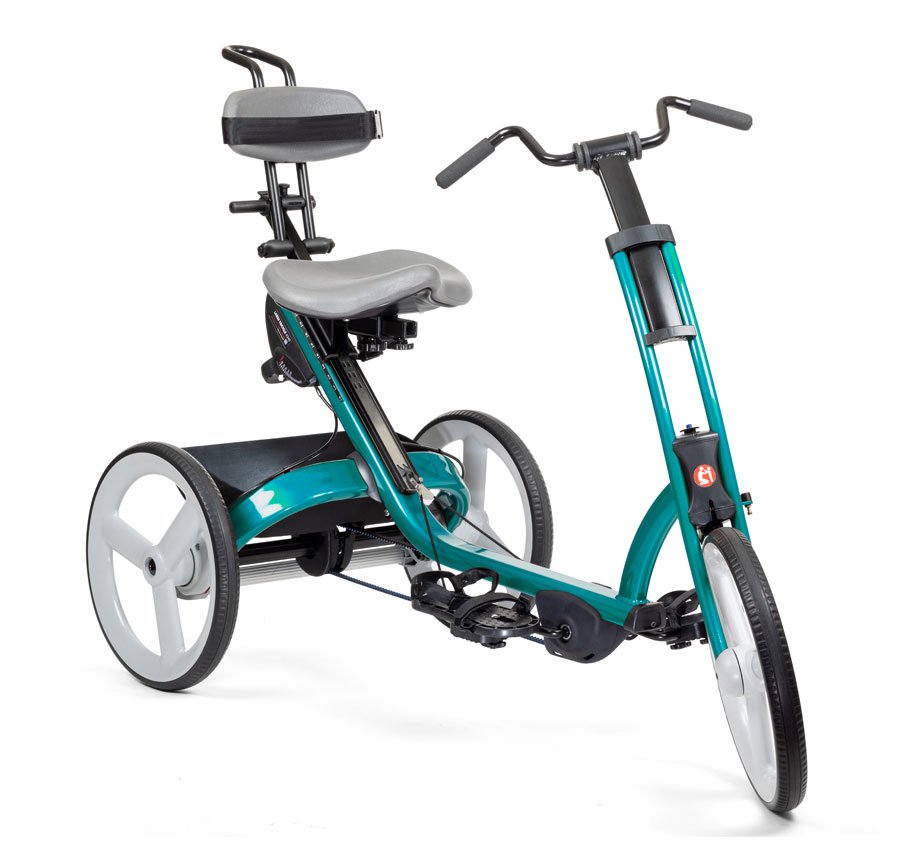
Have you ever wondered if adaptive bikes can fit into your indoor space? If you rely on an adaptive bike for exercise or mobility, knowing whether you can use it inside your home is important.
Imagine staying active and comfortable without worrying about the weather or going outside. This article will help you discover how adaptive bikes work indoors, what benefits you can enjoy, and tips to make the most of your indoor rides. Keep reading to find out if an adaptive bike is the right choice for your indoor activity needs.
Adaptive Bikes Indoors
Adaptive bikes help people with different abilities stay active. Many wonder if these bikes can be used inside homes or buildings. Indoor use depends on the type of bike and the space available.
Using adaptive bikes indoors can be a good option for exercise during bad weather. It also offers a safe environment for learning and therapy sessions.
Types Suitable For Indoor Use
Some adaptive bikes work better indoors than others. Bikes with smaller wheels or those designed for stationary use fit well inside. Tricycles and recumbent bikes often provide extra stability.
- Stationary adaptive bikes that do not move
- Tricycles with wide bases for balance
- Recumbent bikes for seated support
- Foldable adaptive bikes for easy storage
Space Requirements
Adaptive bikes need enough room to move safely indoors. Users should have space to pedal and steer without hitting walls or furniture. Clear space helps prevent accidents and damage.
| Bike Type | Minimum Space Needed |
| Stationary Bike | 3 feet by 3 feet |
| Tricycle | 5 feet by 5 feet |
| Recumbent Bike | 6 feet by 4 feet |
| Foldable Bike | Varies by model |
Safety Considerations
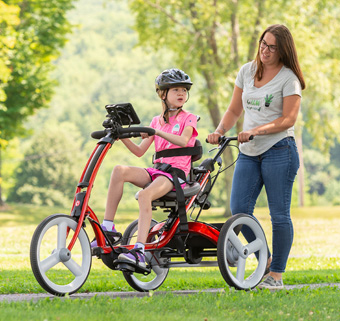
Safety is key when using adaptive bikes indoors. The floor should be smooth and free of objects. Users need to wear helmets and other protective gear. Supervision is important for beginners or children.
- Wear a helmet and pads
- Check floor for obstacles
- Keep the riding area clear
- Use bikes with brakes and sturdy frames
- Have an adult nearby if needed

Credit: www.youtube.com
Health Benefits Indoors
Adaptive bikes offer many health benefits even when used indoors. They provide a safe and controlled environment for exercise. This makes them suitable for all ages and abilities.
Using adaptive bikes indoors helps improve strength, heart health, and mood. It also supports rehabilitation and daily fitness routines.
Physical Therapy Advantages
Adaptive bikes are great tools for physical therapy indoors. They allow gentle movement that helps rebuild muscle strength. Therapists can adjust the bike for different needs.
- Supports joint mobility without strain
- Improves muscle tone and coordination
- Offers low-impact exercise for injury recovery
- Helps maintain flexibility and balance
Cardiovascular Health
Indoor adaptive cycling can boost heart and lung function. It raises the heart rate safely and steadily. Regular use can lower the risk of heart disease.
| Benefit | Details |
| Heart Strength | Improves cardiac output and endurance |
| Blood Circulation | Enhances blood flow and oxygen delivery |
| Blood Pressure | Helps maintain healthy levels |
| Cholesterol | Supports better lipid profiles |
Mental Well-being
Using adaptive bikes indoors can improve mood and reduce stress. Exercise releases chemicals in the brain that make people feel happier. It also helps improve sleep quality.
Key mental benefits include:
- Reduction in anxiety and depression symptoms
- Boosted self-confidence from physical progress
- Improved focus and mental clarity
- Opportunities for social interaction in group settings
Choosing The Right Bike
Adaptive bikes help many people enjoy cycling. Using them indoors can be a good way to exercise safely.
Picking the right adaptive bike for indoor use is important. It affects comfort and safety while riding.
Size And Adjustability
Choose a bike that fits your body size well. It should adjust easily to your height and reach.
Adjustable seats and handlebars help find the best riding position. This reduces strain and improves balance.
- Look for bikes with adjustable seat height
- Check if handlebars move forward or backward
- Make sure pedal distance fits your leg length
Features For Indoor Riding
Some adaptive bikes have features made for indoor use. These add safety and comfort while riding inside.
Consider bikes with stable bases or rollers to keep the bike steady. Quiet operation is helpful to avoid noise.
- Wide, non-slip tires or rollers for stability
- Quiet chain or belt drive system
- Easy-to-use brakes for quick stops
- Comfortable seats with good support
Budget And Accessibility
Set a budget before choosing your bike. Adaptive bikes vary in price depending on features and build quality.
Check if the bike is easy to get and maintain. Some models need special parts or tools for repairs.
- Compare prices for basic and advanced models
- Look for bikes with simple maintenance needs
- Find local stores or online sellers for support
Maintenance Tips
Adaptive bikes can be used indoors to improve mobility and fitness. Proper maintenance helps keep them safe and working well.
Regular care extends the bike’s life and ensures a smooth ride every time.
Cleaning And Care
Clean your adaptive bike often to remove dust and dirt. Use a soft cloth and mild soap with water.
Avoid harsh chemicals that can damage the bike’s parts. Dry the bike after cleaning to stop rust.
- Wipe the frame and seat regularly
- Clean the wheels and tires carefully
- Check for sticky parts and lubricate if needed
Storage Solutions
Store your adaptive bike in a dry, cool place indoors. Avoid areas with high humidity or direct sunlight.
Keep the bike away from heavy traffic to prevent bumps or damage. Use a bike cover to protect it from dust.
- Choose a spot with good air flow
- Use hooks or stands to keep the bike upright
- Cover the bike with a cloth or plastic cover
Regular Inspections
Check your adaptive bike often for any loose or worn parts. Tighten screws and bolts as needed.
Look at the tires for wear and air pressure. Make sure brakes and gears work smoothly.
- Inspect the frame for cracks or damage
- Test the brakes before each use
- Check tire pressure and inflate if low
- Lubricate moving parts to prevent rust
User Experiences
Adaptive bikes are designed to help many people enjoy cycling, even indoors. Users share their stories about using these bikes inside their homes.
This section collects real feedback from those who use adaptive bikes indoors. Their views help others understand the benefits and limits of indoor use.
Success Stories
Many users find adaptive bikes useful indoors for exercise and therapy. They report better health and more independence.
- A user with limited mobility uses an adaptive bike to improve leg strength every day.
- Another person finds indoor cycling safer during bad weather.
- Parents say adaptive bikes help children build confidence inside the house.
Common Challenges
Using adaptive bikes indoors can come with some problems. Space, noise, and setup are often mentioned by users.
| Challenge | Description |
| Space | Limited room to move the bike around. |
| Noise | Bike sounds can disturb others in the home. |
| Setup | Some bikes need adjustments for indoor use. |
Tips From Users
Experienced users share advice to improve indoor use of adaptive bikes. These tips help avoid common problems and get better results.
- Choose a quiet bike or add padding under it to reduce noise.
- Clear space before riding to avoid accidents.
- Adjust the seat and handlebars for comfort.
- Use a mat to protect floors and keep the bike stable.
- Check bike parts regularly for safety.

Credit: www.rifton.com
Credit: www.rifton.com
Frequently Asked Questions
Can Adaptive Bikes Be Safely Used Indoors?
Yes, adaptive bikes can be used indoors safely. Ensure ample space and clear obstacles to avoid accidents. Using non-slip mats can improve stability. Choose bikes designed for indoor use or those with smooth tires to protect flooring.
What Benefits Do Adaptive Bikes Provide Indoors?
Indoor adaptive bikes offer consistent exercise regardless of weather. They improve mobility, strength, and cardiovascular health. Users gain confidence and independence in a controlled environment. These bikes also support rehabilitation and therapy routines effectively.
Which Adaptive Bikes Are Best For Indoor Use?
Recumbent and stationary adaptive bikes are ideal indoors. They offer stability, comfort, and easy maneuverability in small spaces. Look for models with adjustable features to match your needs. Bikes with quiet operation enhance indoor usability and comfort.
How Much Space Is Needed For Indoor Adaptive Biking?
A minimum of 6×6 feet space is recommended for indoor biking. This allows safe movement and turning without risk. Clear the area of furniture and obstacles for better accessibility. Space needs may vary based on bike size and user mobility.
Conclusion
Adaptive bikes can certainly be used indoors. They offer flexibility and comfort. Indoor cycling becomes accessible for everyone. These bikes cater to various needs. People with disabilities find them very helpful. Indoor use means year-round exercise opportunities. Weather doesn’t limit your workout.
Plus, they save space in small homes. Many models are foldable and portable. This makes them convenient to store. In short, adaptive bikes are a valuable option. They provide exercise and mobility options indoors. Consider them for your next indoor workout solution.



