
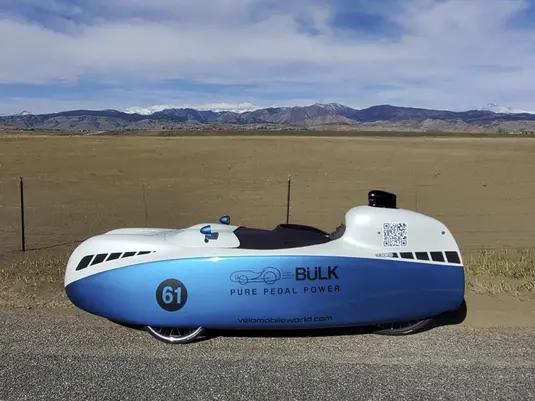
Have you ever wondered if a velomobile can handle those steep hills on your favorite routes? If you’re thinking about using one or already own a velomobile, this question probably crosses your mind.
Hills can be tough, even on regular bikes, so understanding how a velomobile performs on inclines is key to enjoying every ride without surprises. Keep reading, because we’ll break down what makes hill climbing easier or harder with a velomobile—and what you can do to conquer those slopes confidently.

Credit: www.velomobileworld.com
Velomobile Basics
Velomobiles are special bikes with a shell around them. They help riders move faster and stay dry. People use them for fun and travel.
This article explains what a velomobile is, how it is designed, and the different types you can find.
What Is A Velomobile
A velomobile is a bike with a full or partial shell. It covers the rider to protect from wind and rain. It has three or four wheels.
People pedal like on a bike, but the shell makes it easier to go fast. It is a mix of a bike and a small car.
Design And Aerodynamics
Velomobiles have smooth, rounded shapes to cut air resistance. This design helps them move faster with less effort.
The shell is light but strong. It keeps the rider safe and comfortable. The design also helps in bad weather.
- Rounded shapes reduce wind drag
- Light materials keep the weight low
- Shell protects from rain and cold
Types Of Velomobiles
There are many types of velomobiles. They differ by shape, size, and use. Some are fast, some are comfy.
- Streamlined models:Very fast, good for racing and long rides
- Touring models:Comfortable, made for long distances
- Utility models:Designed to carry cargo or passengers

Credit: newatlas.com
Hill Climbing Factors
Climbing hills on a velomobile depends on several key factors. These factors affect how easily you can pedal uphill.
Understanding these helps riders prepare better for hill climbs and improve their performance.
Weight And Power Ratio
The ratio of the rider’s power to the total weight of the velomobile and rider is very important. A lighter velomobile means less effort is needed to climb.
More power from the rider helps overcome gravity on steep slopes. Keeping weight low while maintaining strength improves hill climbing ability.
Gear Systems
Gears let riders adjust pedaling effort and speed. Lower gears make pedaling easier on hills by increasing torque.
- Use low gears for steep climbs
- Shift smoothly to avoid losing momentum
- Maintain gears to prevent mechanical issues
Rider Fitness And Technique
Fitness level affects how long a rider can climb without tiring. Strong legs and good endurance help maintain steady power.
| Technique | Benefit |
|---|---|
| Seated Pedaling | Conserves energy for long climbs |
| Standing Pedaling | Generates more power for short bursts |
| Consistent Cadence | Keeps muscles active and fresh |
Velomobiles Vs Traditional Bikes
Velomobiles are bikes with an aerodynamic shell around them. Traditional bikes have no shell and are lighter. Both types can climb hills but in different ways.
This article compares how velomobiles and traditional bikes perform on hills. We will look at their strengths and weaknesses.
Performance On Inclines
Traditional bikes are usually lighter than velomobiles. This helps riders pedal easier uphill. Velomobiles are heavier due to their shell, which can make climbing harder.
But velomobiles have better aerodynamics. This helps at higher speeds and on long hills. They keep speed better once moving uphill.
Advantages And Limitations
Velomobiles protect riders from wind and weather. This means less energy lost on windy hills. They also allow higher speeds on flat and downhill parts.
Traditional bikes are easier to carry and store. They climb steep hills faster at low speeds because of less weight. Velomobiles can be tough to pedal on steep slopes.
- Velomobiles offer wind protection and comfort
- Traditional bikes are lighter and more agile uphill
- Velomobiles keep speed better on long, moderate hills
- Traditional bikes handle very steep hills more easily
Real-world Comparisons
Many riders report velomobiles feel fast on rolling hills. The shell helps keep momentum going. Traditional bikes work better on sharp, steep climbs.
In races, velomobiles do well on courses with long climbs and descents. Traditional bikes excel in mountain stages with very steep gradients.
- Velomobiles are good for smooth, steady hills
- Traditional bikes suit steep and rough hills
- Weight difference affects climbing speed
- Rider strength and skill also matter a lot
Optimizing Velomobile Hill Performance
Climbing hills with a velomobile can be challenging but is possible with the right approach. Adjusting your setup and riding style helps improve hill performance.
This guide covers key areas to focus on for better hill climbing with your velomobile.
Adjusting Gearing
Proper gearing makes pedaling easier on steep hills. Lower gears reduce the effort needed to climb.
- Use a wider gear range with smaller chainrings.
- Consider installing a triple crankset for more options.
- Choose a cassette with larger sprockets for low gears.
- Regularly maintain the drivetrain for smooth shifting.
Weight Reduction Tips
Reducing weight helps your velomobile climb hills faster and with less effort. Remove unnecessary items and choose lightweight parts.
| Weight Reduction Method | Benefit |
| Remove extra cargo or bags | Less load to carry uphill |
| Use lighter tires and tubes | Lower rolling resistance |
| Replace heavy parts with carbon or aluminum | Reduce overall vehicle weight |
| Carry only essential tools and gear | Minimize extra weight |
Riding Strategies For Hills
Effective riding techniques can improve your hill climbing ability. Focus on pacing and body position.
- Keep a steady, comfortable cadence to avoid tiring quickly.
- Shift your weight forward to maintain traction on the front wheels.
- Stand up on pedals briefly to use your body weight for power.
- Plan your route to use switchbacks or less steep paths when possible.
- Rest briefly at the base of hills to conserve energy.
User Experiences And Testimonials
Many people wonder if a velomobile can handle hills well. Riders have shared their stories about climbing hills with these unique bikes. Their experiences show what to expect on different types of climbs.
This section covers short hills, steep climbs, and long ascents. Each type has its own challenges and rider tips.
Short Hills
Riders say short hills are usually easy to manage. The velomobile’s low weight helps with quick bursts of power. Many feel confident taking short hills without stopping.
- “I can climb short hills without much effort.”
- “The velomobile feels stable and fast on these slopes.”
- “I like how I can keep a steady pace up short hills.”
Steep Climbs
Steep climbs can be tough for some riders. A few shared that they need to use lower gears and pedal steadily. It takes more strength but is still possible with practice.
| Rider | Climb Difficulty | Tips |
| Alex | Steep | Use low gear and keep a slow, steady pace. |
| Maria | Steep | Stand up on pedals when needed to push harder. |
| John | Steep | Take breaks and plan rest stops. |
Long Ascents
Long ascents require endurance and good pacing. Riders say it helps to stay relaxed and keep a steady rhythm. Some recommend taking short breaks to avoid getting too tired.
Here are tips from riders on long ascents:
- Maintain a consistent speed to save energy.
- Hydrate often to stay refreshed.
- Shift gears early to avoid strain.
- Keep your breathing steady and deep.
Future Of Velomobiles On Hills
Velomobiles are designed for speed and efficiency on flat roads. Climbing hills is harder because of their weight and shape. The future of velomobiles on hills looks bright with new changes.
Technology and design improvements may help velomobiles climb hills more easily. These changes could make riding on hills more common and fun.
Technological Innovations
New materials make velomobiles lighter and stronger. This helps riders climb hills with less effort. Better aerodynamics also reduce drag on slopes.
Advanced gear systems allow smooth shifting on steep hills. These systems keep pedaling easier and more efficient during climbs.
- Lighter frames from carbon fiber or aluminum
- Improved gear ratios for hill climbing
- Streamlined designs that reduce wind resistance
Electric Assist Integration
Electric motors can help riders climb hills without extra strain. Many velomobiles now include electric assist options. This makes uphill rides easier and longer.
Battery technology is improving, allowing longer rides and quicker charges. Electric assist can adjust power based on hill steepness and rider effort.
- Electric motors reduce pedaling effort on steep hills
- Smart sensors adjust motor power automatically
- Longer battery life enables longer hill climbs
Potential For Wider Adoption
As velomobiles get better at climbing hills, more people may use them in hilly areas. This expands where velomobiles are practical and useful.
Communities with hills could see more velomobile riders. This can lead to better paths and support for these vehicles.
- More riders in hilly cities and towns
- Increased demand for velomobile-friendly roads
- Greater interest in eco-friendly hill transportation

Credit: www.youtube.com
Frequently Asked Questions
Can A Velomobile Climb Steep Hills Effectively?
Yes, velomobiles can climb steep hills but require more effort than flat terrain. Their aerodynamic design helps maintain speed, but weight and gearing impact hill climbing ability.
What Factors Affect A Velomobile’s Hill Climbing?
Weight, gearing, rider strength, and terrain steepness affect hill climbing. Lighter velomobiles with low gearing make climbing easier. Rider fitness also plays a key role.
How Does Velomobile Design Help With Hill Climbs?
Velomobiles have aerodynamic shapes that reduce wind resistance. This design helps maintain momentum uphill but doesn’t reduce the physical effort needed to pedal uphill.
Are Velomobiles Better Than Regular Bikes For Hills?
Regular bikes often climb hills more easily due to lighter weight and simpler design. Velomobiles offer better aerodynamics but can be heavier, making steep climbs tougher.
Conclusion
Velomobiles can climb hills, but it depends on several factors. Weight, power, and hill steepness all matter. A strong rider can handle moderate slopes well. Steeper hills may need more effort or a lighter velomobile. Proper gearing helps save energy on climbs.
Riding technique also plays a key role in hill success. Overall, velomobiles offer a smooth, efficient ride uphill. They balance speed and comfort better than many bikes. Hills are not impossible with the right setup and practice. Keep these points in mind for your next ride.



